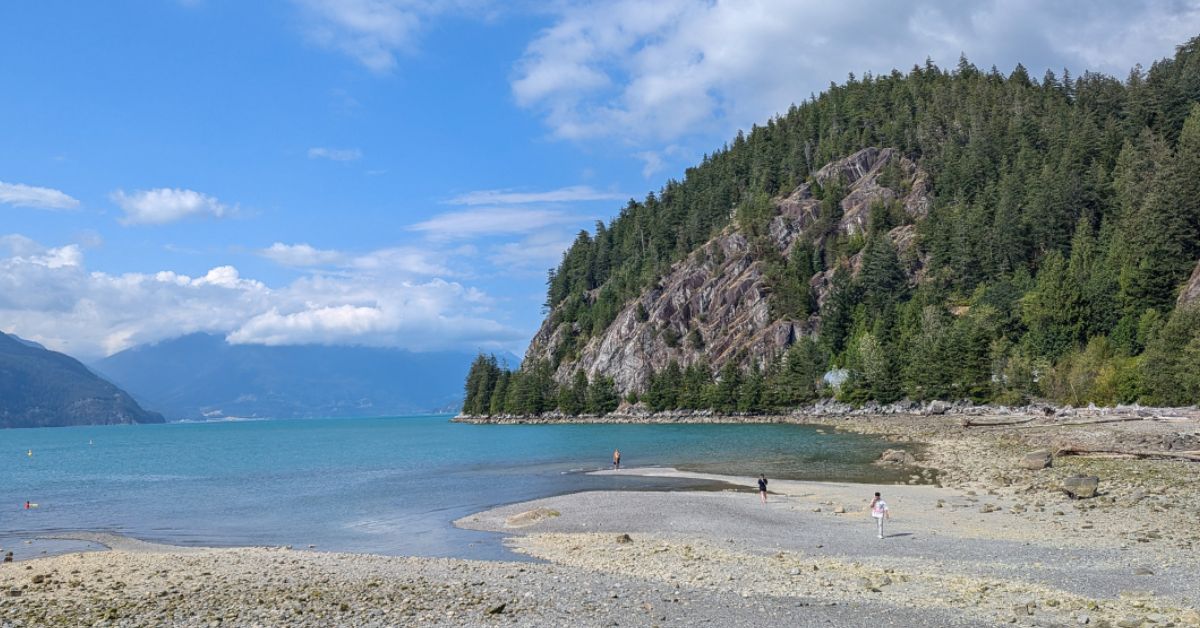
Epic Road Trip Itinerary for Coastal and Central Interior British Columbia
I may earn income from affiliate links or partnerships in this post. I spend time to curate tours or products that align with my values. Thanks for supporting my work, at no additional cost to you. All words and images on this website are created by real people.
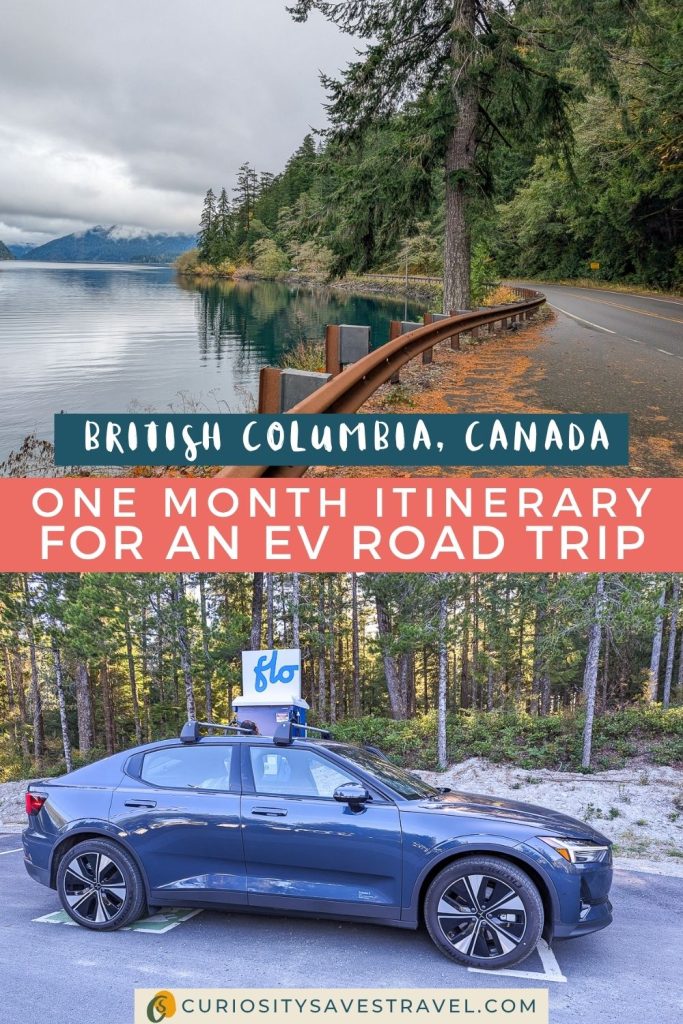
Are you curious about one of the best long road trips in British Columbia? Canada’s westernmost province is the premier destination for a classic North American road trip. The route connecting the Coastal and Central Interior regions of British Columbia offers one of the best road trip routes in the province.
With its vast ecological and cultural diversity, driving through the province takes you from jagged mountains to misty, forested coastlines, and from vibrant Indigenous communities to charming remote villages. But with so many spectacular routes to choose from, narrowing down the best road trip route across British Columbia can be a challenge.
That’s where I come in. I’m sharing my independently curated, month-long road trip itinerary for coastal and central interior British Columbia, designed for those who want to experience the very best of the province. This is more than just a drive; it’s a slow and regenerative road trip across the province.
As a resident who has taken dozens of road trips in British Columbia over the years, I won’t claim this is the definitive “best” road trip—every kilometre of BC offers something unique and special. However, this personal favourite easily sits in my top two.
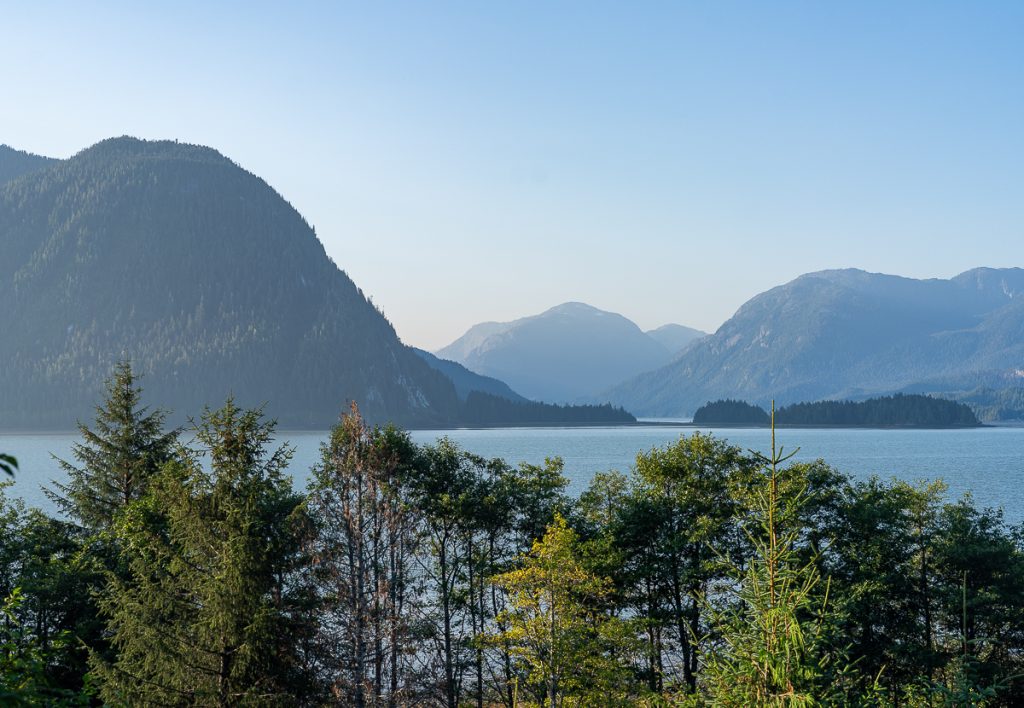
This road trip itinerary for British Columbia captures the raw beauty of Western Canada. From old-growth rainforests and rugged shores to Indigenous homelands and historic colonial sites, this loop has it all. Regenerative by design, the route prioritizes Indigenous-led experiences, sustainable tourism, local small businesses, and is entirely EV-friendly, offering a thoughtful approach to your classic North American road trip experience.
This road trip route for British Columbia is ideal for those who love unique and intrepid adventures. It is also customizable, allowing you to make this your own.
If you have the time and the means to embrace a slower pace, pack the car, and let’s get moving.
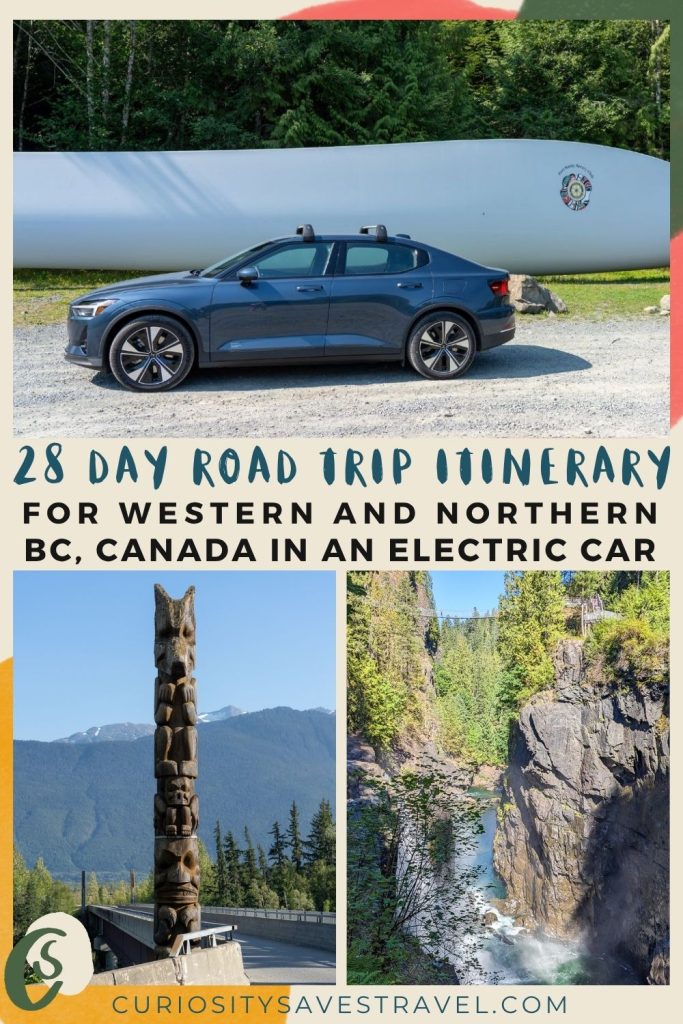
Quick Look: 4-Week BC Road Trip Itinerary
This road trip covers the best of coastal, northern and some interior BC, to see a mix of highlights and truly off-the-tourist-path sites.
Don’t miss the custom map at the end!
The Route at a Glance:
- Starting Point: Vancouver
- Ferry to Vancouver Island
- Vancouver Island: From Nanaimo, drive up the east coast of Vancouver Island, visiting Parksville, Comox Valley, and Campbell River, up to Port Hardy. Explore Northern Vancouver Island.
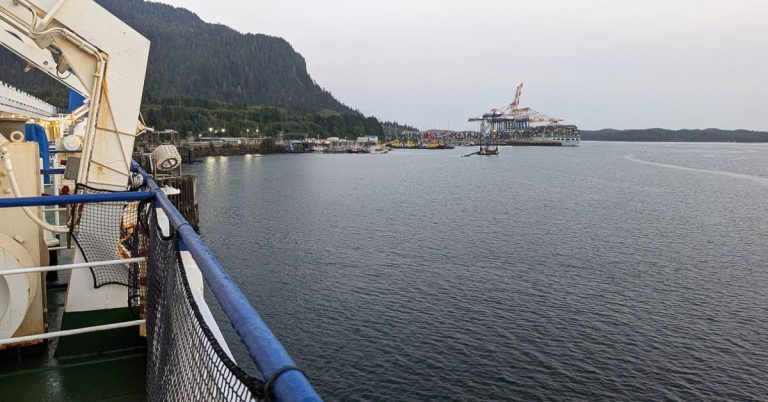
- Inside Passage: A 17-hour ferry from Port Hardy to Prince Rupert. Explore Prince Rupert.
- Another ferry from Prince Rupert to the shores of Haida Gwaii
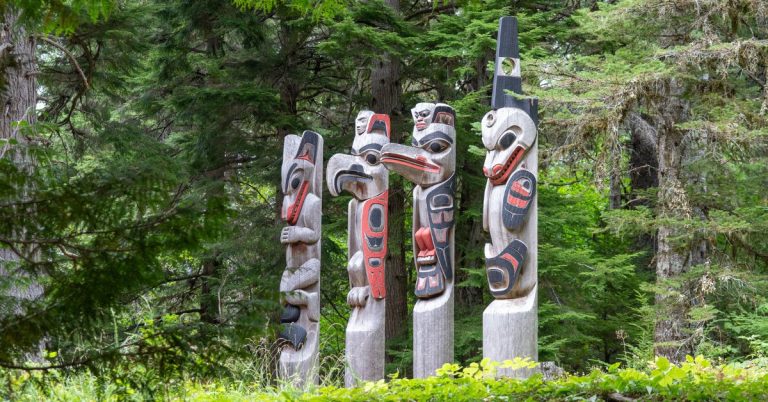
- Haida Homeland: Explore nature and culture on Haida Gwaii
- The Northern Interior: Follow Highway 16 from Prince Rupert to Terrace, detouring to Nass Valley. Continue to Smithers, then the Lake District to Prince George.
- The Return: Head south on Highway 97 through the Cariboo Region, visit Lac Le Hache and Gold Rush towns. Eventually turn off to take scenic Highway 99, through stunning Lillooet, Pemberton, Whistler, and back to Vancouver on the Sea-to-Sky Highway.
Customizable route with detours, add-ons, and options to make it your own, spending more or less time on the road, more or less time hiking, etc.
Expected Time on the Road: 28 Days – give or take, depending on how you customize.
Distance: 3,000 – 4,000 kms (with ferries). 2-3,000 driving kms (excluding ferries)
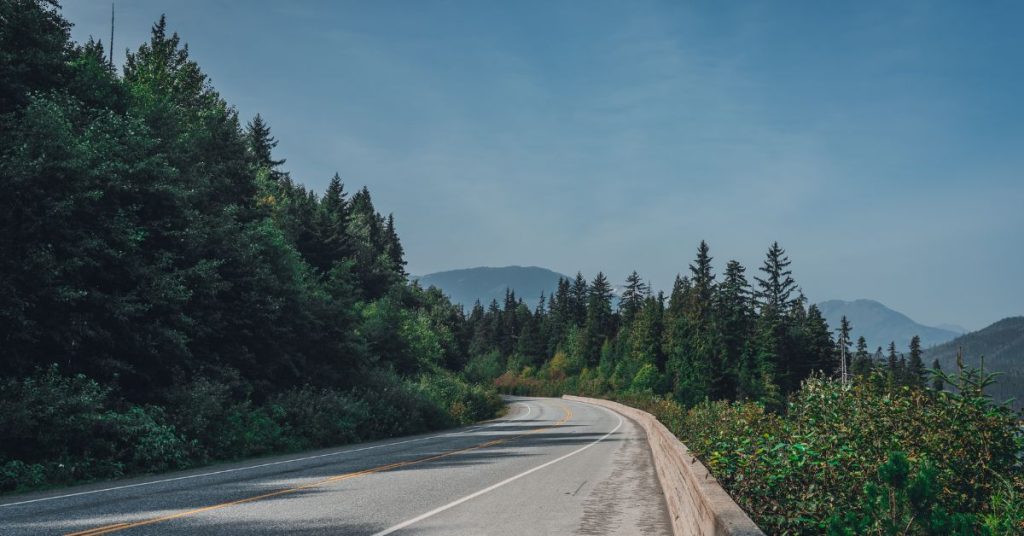
Terrain: Mostly paved highways and rural roads. Some areas have logging and unpaved roads, requiring high-clearance vehicles. Drive along mountain passes, past lava fields, through lake-filled districts, and incredible coastlines.
EV accessible with plenty of fast and medium chargers. Some areas have limited charging infrastructure or very slow chargers. This is not for a new EV driver. This drive requires expert knowledge of EV charging systems, your car’s capability, and patience for slow chargers in rural areas.
Our Story as to Why We Planned This Road Trip Route
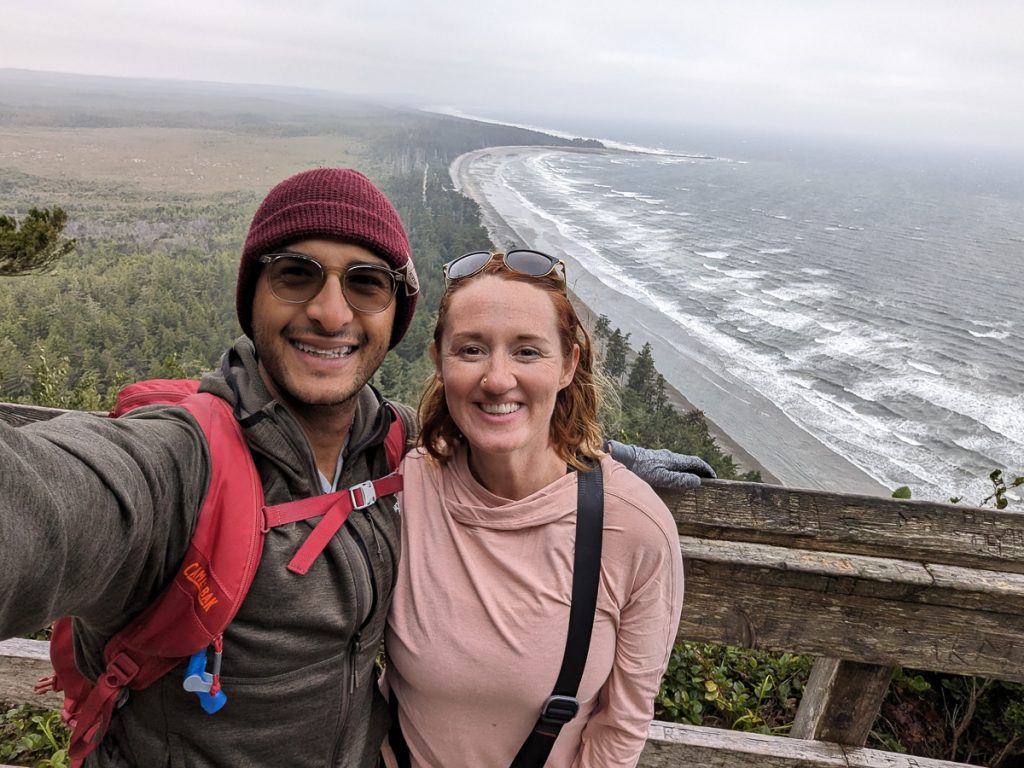
I have somewhat of an interesting backstory. If you don’t know much about my partner and me, head over and learn a little about us. Long story short, I am a Canadian and US dual citizen who was born and raised in Alaska and lived in Munich, Germany, for over 6 years.
When my Indian-Australian partner (who I met at a rave in Vegas) and I left Germany and decided to move back to North America to be closer to family, we decided on Canada over the United States.
When we got settled in Vancouver, we had one mission: to get to know the people, places, and nature of our new home province. I believe that to fully understand the places we live in, we should seek out experiences in rural, natural, and urban areas.
It is important to appreciate both the protected and utilized nature. We benefit from meeting people from diverse backgrounds, including First Nations and immigrant communities across cities and rural areas.
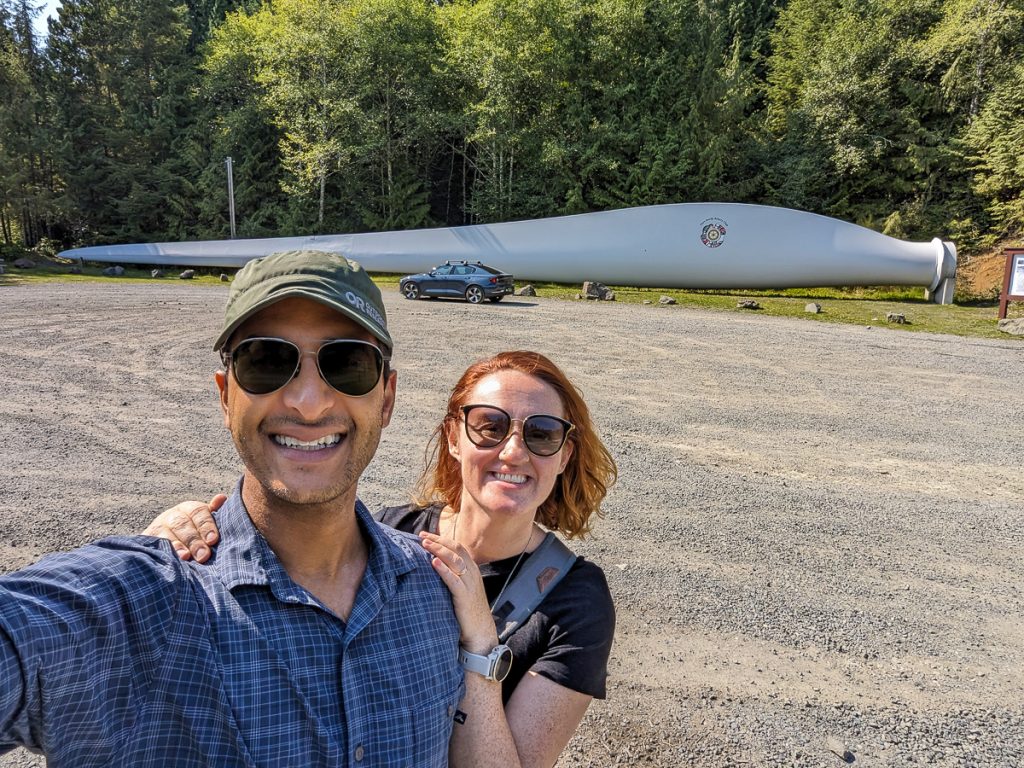
To do this, my partner and I set off on a month-long road trip to see more of British Columbia. Before my road trip, I had done plenty of shorter week-long road trips to Tofino, Victoria, Salt Spring, Whistler, and the Okanagan. But I always wanted a little more; I wanted to see the stretches of rural highways and visit First Nations communities.
I meticulously curated a thoughtful itinerary that I think offers a great introduction to Western and coastal British Columbia.
If your curiosity has been piqued, let’s charge those cars, pack your bags, and hit the road!
Driving Day: Vancouver to Comox Valley
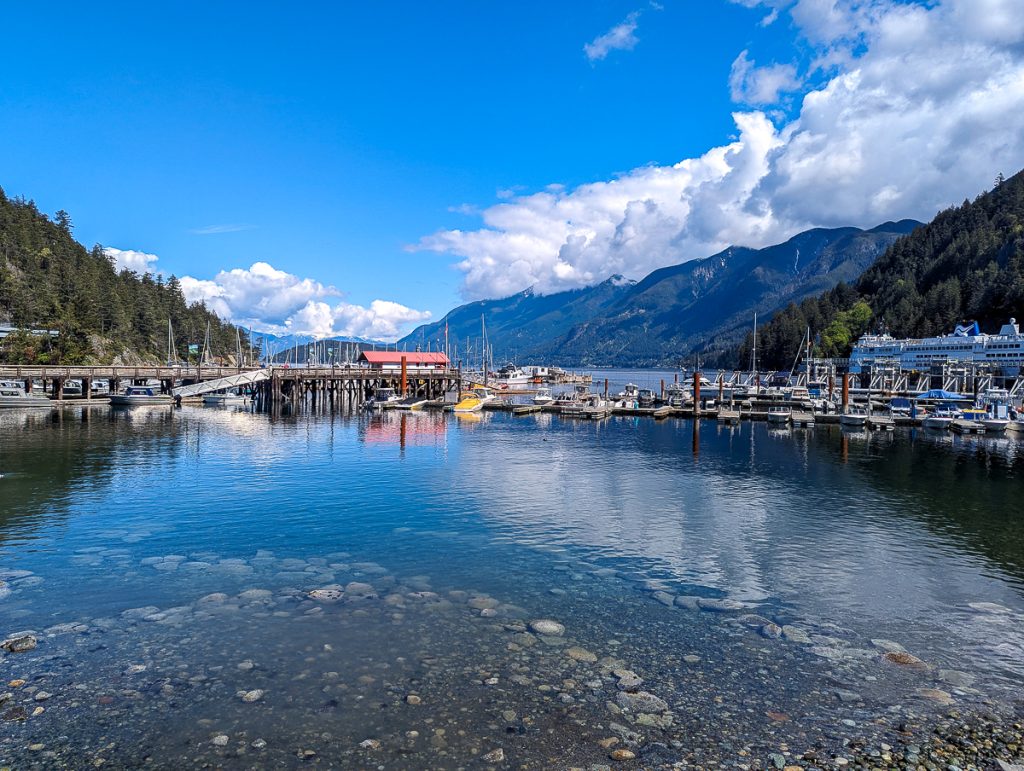
Our adventure starts in Vancouver, so you’ll want to make sure you are in the city before you head out. If you’re using a rental car, make sure you’ve secured that. Otherwise, have your personal vehicle packed, fully charged or gassed, and ready for a morning ferry out of Horseshoe Bay.
Day one starts in Horseshoe Bay,, to be exact. You’ll want to pre-book your ferry from Horseshoe Bay to Nanaimo at least a month (or more in summer) in advance of when you are planning this trip.
Horseshoe Bay terminal requires reservations. I repeat, you can not just drive up and hope for the best. We always like to leave on an early morning departure.
Alternative Route: If you’ve never been to Victoria or lower Vancouver Island, you can also catch the ferry from Tsawwassen to Swartz Bay. This would extend your road trip by about 3+ days, as you can stay in Victoria for 2 nights.
Nanaimo is usually just a quick stop for me. After the long ferry ride, I like to stretch my legs:
- Harbourfront Walkway
- Gabriel’s Cafe, Le Brunch Cafe, and Black Rabbit Kitchen for a quick bite
- The Bastion for daily cannon firings
- Nanaimo Museum
- Nanaimo Sign in Maffeo Park
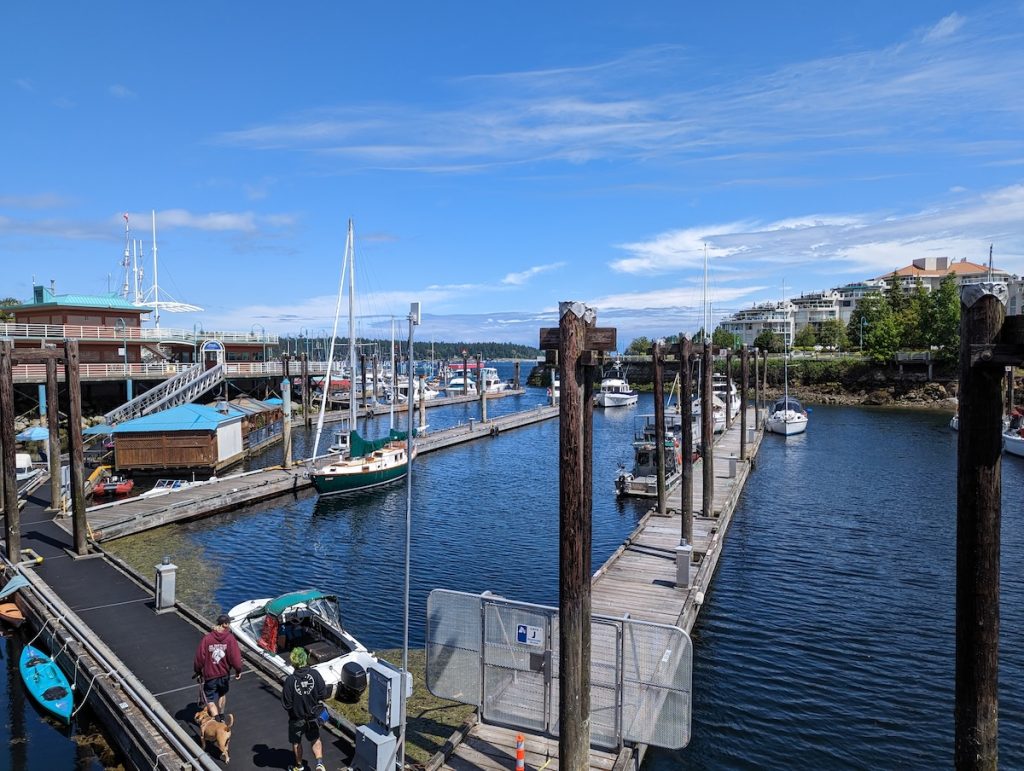
As you make your way to the Comox Valley, there are so many amazing stops along the way. I always recommend driving Highway 19A for the more scenic coastal route that takes you through small communities, nature parks, and stunning coastline.
Some of my favourite stops I recommend are:
- Neck Point Park for coastal nature walking, wildlife opportunities (whale sightings if you’re lucky), and informative signs.
- Parksville and Qualicum for white sandy beaches, intertidal pools, bird watching, and Rathtrevor Beach Provincial Park.
- Englishman River Provincial Park.
- Salish Sea Market for Indigenous gifts and a design store.
Alternative Stays: I recommend you stay in Comox Valley for a few nights, but you may choose to stay in Parksville or Campbell River. Parksville is great for a relaxed stay by the beach, Campbell River is great for adventure tourism, and Comox Valley offers a blend of nature-based tourism and agritourism. You could even book 2 nights in one place and one night in another to break it up.
- Book: Tlgh-Na-Mara Seaside Spa Resort (Parksville)
- Book: The Beach Club Resort (Parksville)
- Book: Dolphins Resort (Campbell River)
- Book: Naturally Pacific Resort (Campbell River)
Otherwise, stop in the Comox Valley and check into your accommodation for the next few nights.
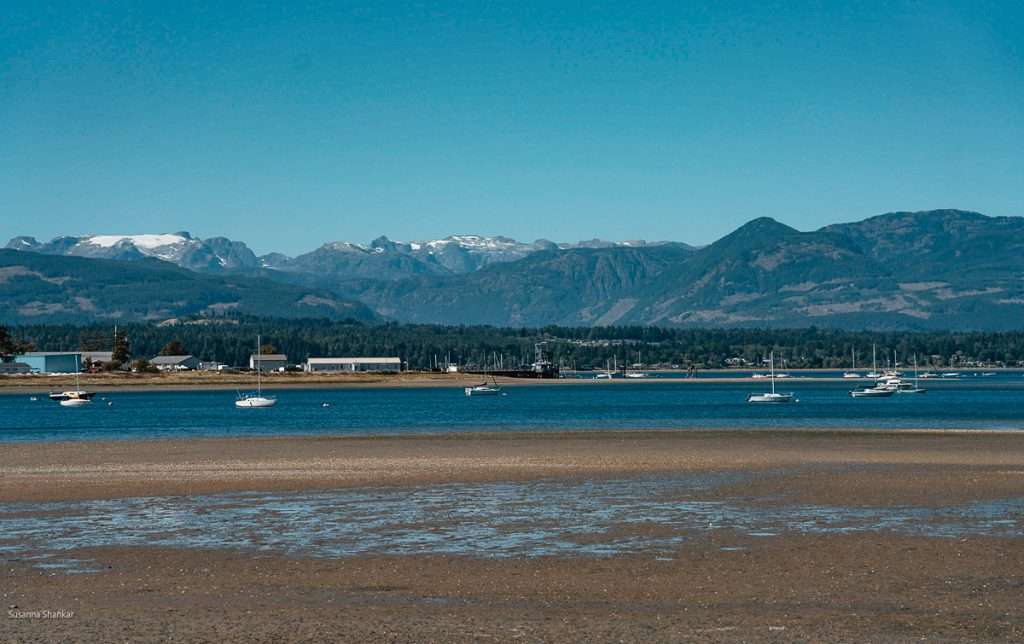
Stay: Comox Valley (3 Nights)
We booked three nights in the Comox Valley, as that gave us two full days to enjoy the best of the area, since the first day is taken up by the ferry and driving.
The Valley is known for its agritourism, so this is the ideal stop for anyone who enjoys U-pick farms, sustainable wineries, farmers’ markets, and craft breweries.
But the Comox Valley is more than agriculture. It’s a place with prehistoric dinosaur fossils, Indigenous culture, WWII history, and incredible nature; there is something for everyone here.
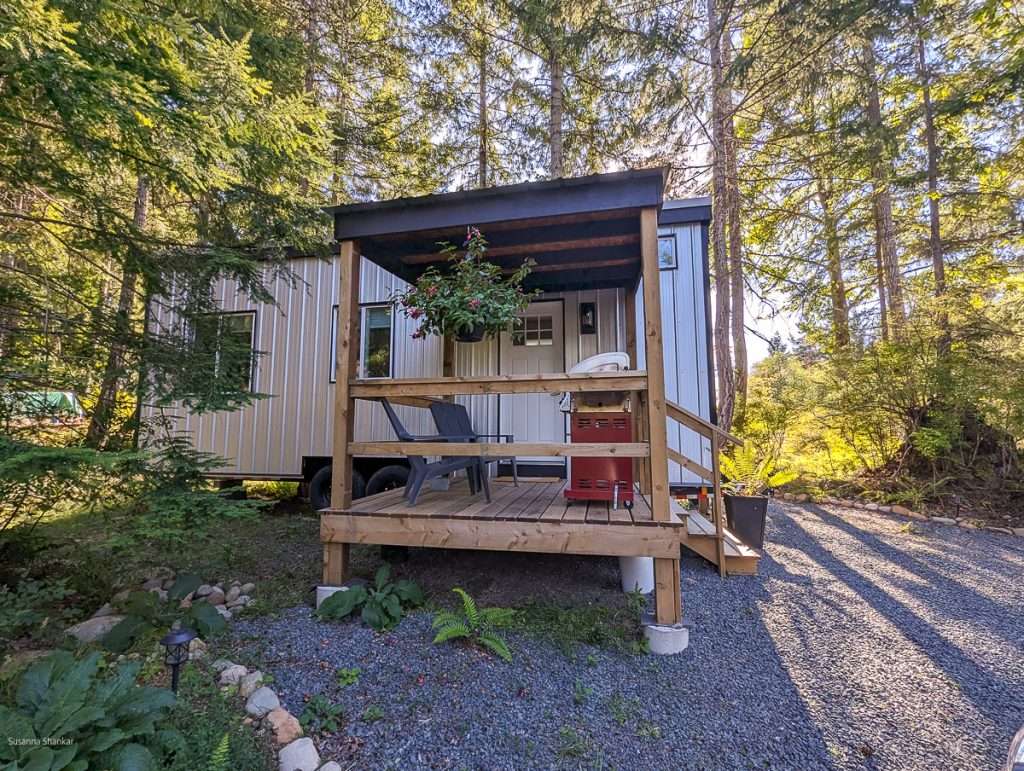
We stayed in a tiny home that is no longer available for booking, so my recommended choice would be the sustainable and heritage Old House. With a central location and commitment to the environment and community, you can’t go wrong. But there is plenty to choose from:
- Book: Old House
- Book: Glamping and Agritourism Tiny Home
- Book: Beachside Bed and Breakfast
- Book: Mt. Washington – Base Camp
This is the perfect way to kickstart 30 days on the road. I have a complete guide to the Comox Valley that covers everything we did over the course of three days, from where we ate, activities, and where we stayed.
READ: Complete guide to the Comox Valley and things to do
Some of the highlights that you can’t miss are:
- 40 Knots Winery for sustainable and organic wine
- Farm stands and U-Pick Farms
- MARS Wildlife Rescue for an ethical rescue and rehabilitation animal centre
- Seal Bay Park for forest and beach trails
- Goose Spit for views and birding
- Downtown Courtenay for local small businesses
- Nymph Falls for scenic trails and waterfalls
Make sure you charge up at any of the chargers in the Valley before your last night, so you can leave with a full charge.

Driving Day: Comox Valley to Port Hardy
You’re in for a long driving day from Comox Valley to Port Hardy. There are a few stops along the way, though, so you can get out and stretch your legs. But be mindful of the time, so you can get up to Port Hardy before it gets too dark.
Before you reach Campbell River, stop by FoggDukkers Coffee and Roasting. This is a great stop for a coffee and a chance to enjoy some of the coastal walk in the area.
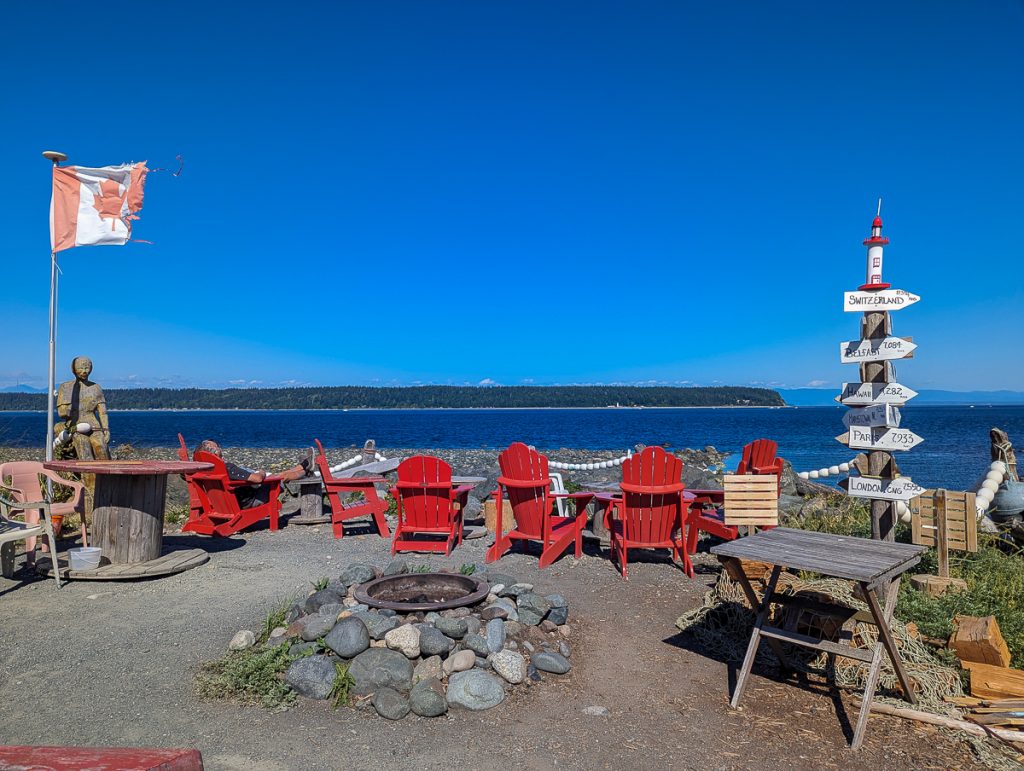
Of course, visit Campbell River, walk the Discovery Passage Pier and visit the ethical Discovery Passage Aquarium in the same spot. You can charge here if you need to, or enjoy the small downtown core.
Your longest stop will likely be Elk Falls Provincial Park, where I suggest spending at least 1-2 hours walking the trails and suspension bridge.
This is really the last best stop in a lot of ways, and most of the drive will be easy highway without too many attractions.
I recommend visiting:
- Telegraph Cove. There are some amazing whale-watching tours in this area that you may book with your free time in Port Hardy.
- The World’s Largest Burl
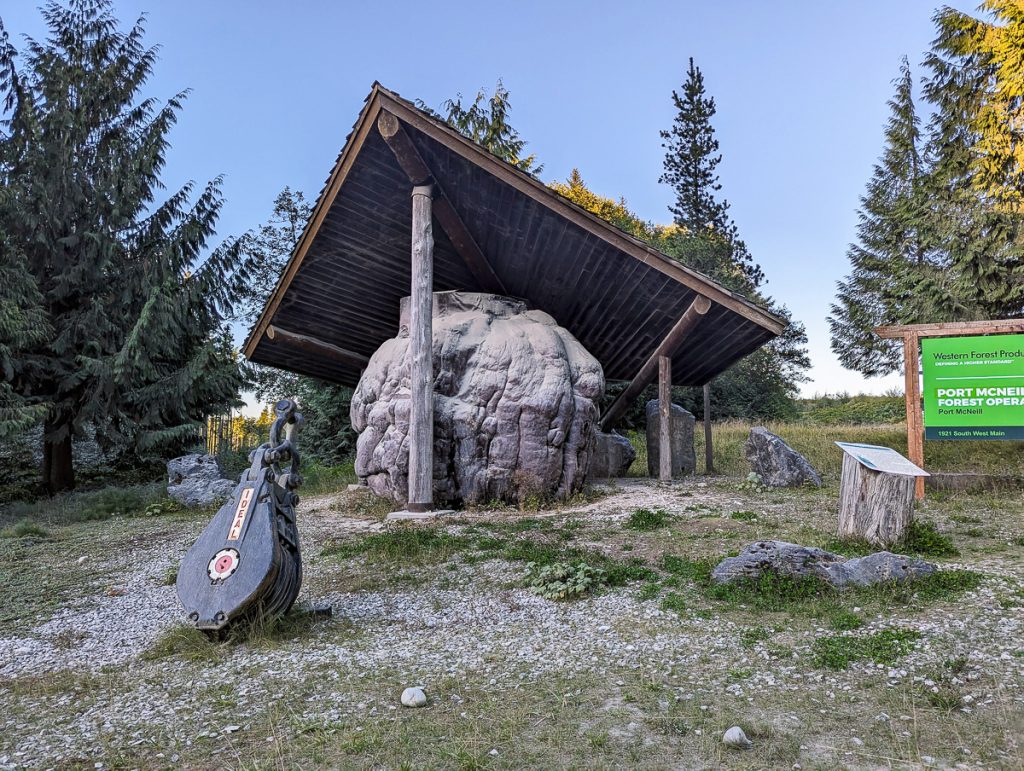
Stay: Port Hardy (2-3 Nights)
How long you stay in Port Hardy is up to you. Some may choose to stop only for a night before loading up on the Inside Passage Ferry the next morning. You’ll compromise on seeing less of Port Hardy.
We booked two nights, but if you want to tag on a trip to Cape Scott Provincial Park, I recommend booking 3 nights.
- Book: Kwa’lilas Hotel, an indigenous-owned and designed hotel
Port Hardy is a small town; you can easily enjoy it in a day. We stayed for 2 nights because we arrived in Port Hardy late in the evening and wanted a full day to enjoy the area before our ferry.
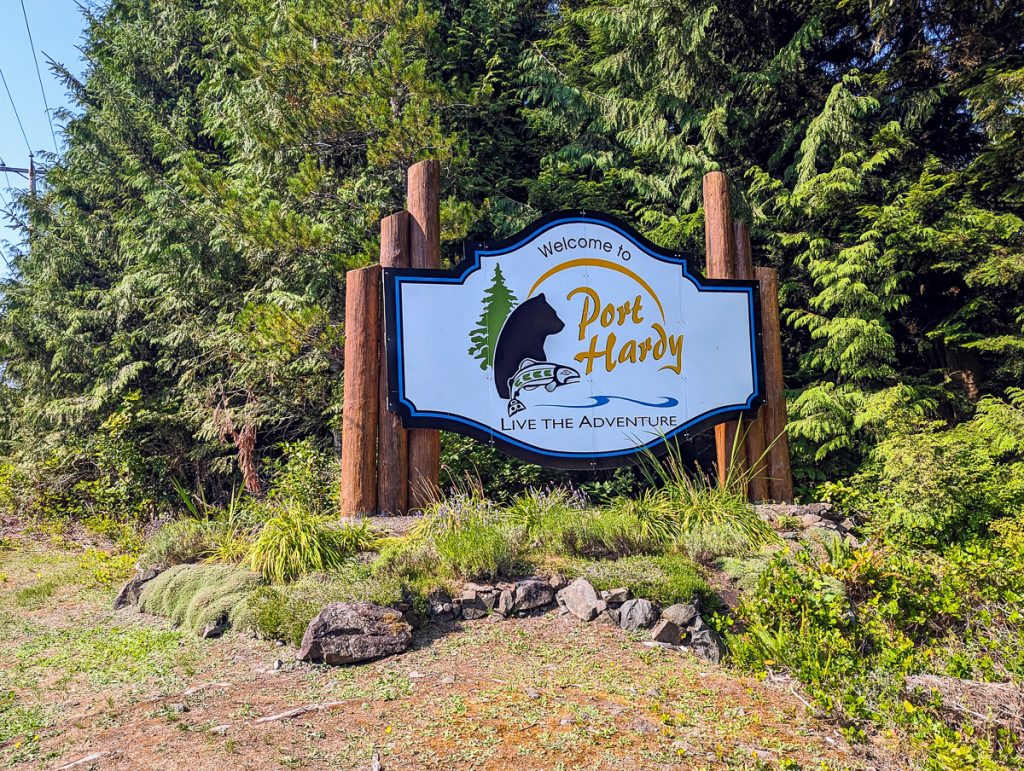
With our free day, we:
- Visited Port McNeil
- Walked the Port Hardy waterfront
- Shopped at co-ops downtown at West Coast Community Craft
- Venture to Cape Scott only if you have the proper all-terrain vehicle, GPS navigation, and are prepared for a long day of hiking
We had an early night on our second night because we were up at 5 am for our early morning wake-up call to load onto the Inside Passage Ferry.
I wrote a complete guide to driving from Nanaimo to Port Hardy, including all the major stops and attractions, from the Comox Valley, Parksville, and Campbell River.
READ: Driving from Nanaimo to Port Hardy Road Trip Itinerary
Charge up in Port Hardy before boarding the ferry.
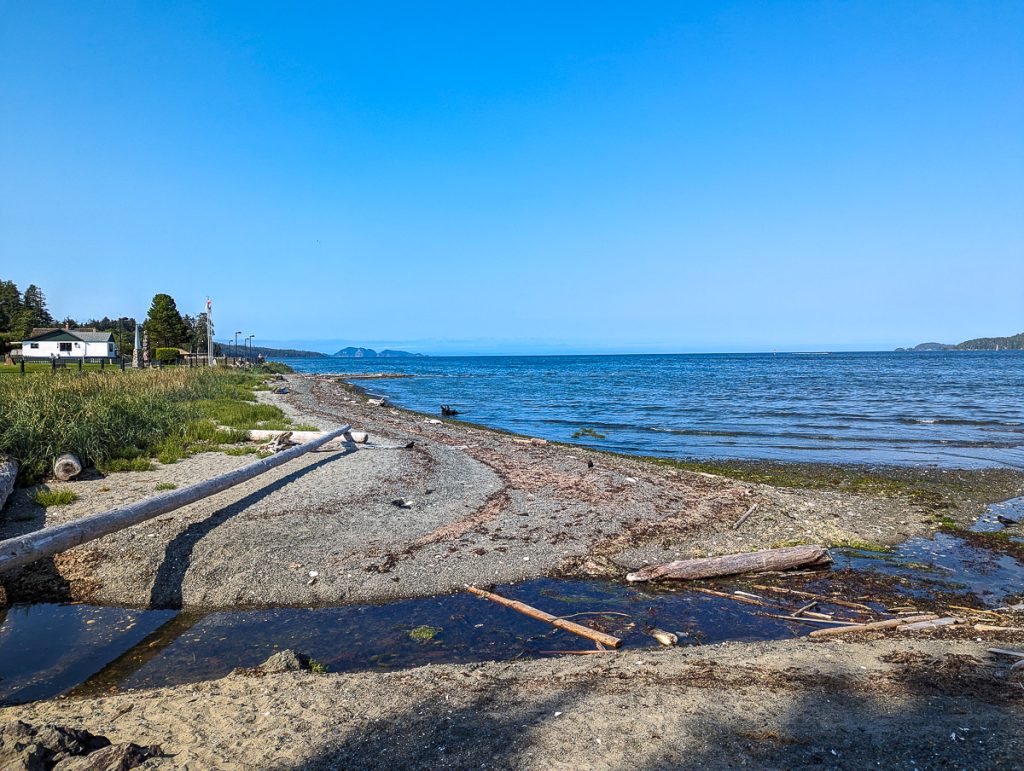
Transit Day: Inside Passage Ferry
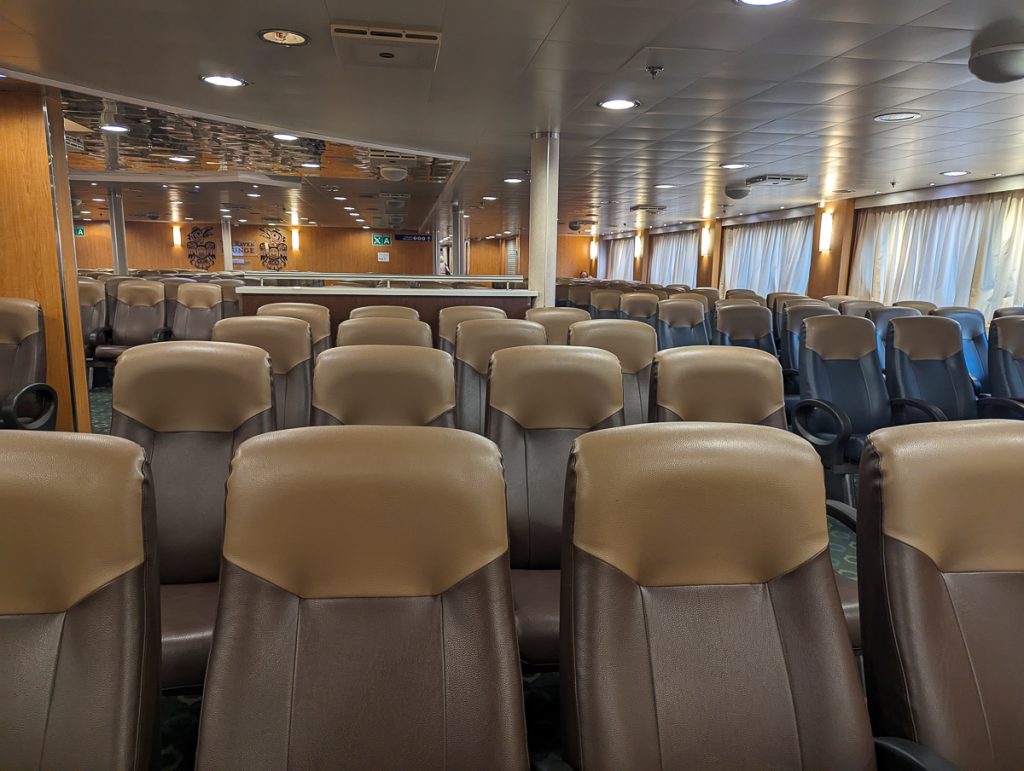
The next 17-18 hours of your epic road trip across Coastal and Northern British Columbia will be on the iconic Inside Passage Ferry. This ferry departs from Port Hardy at 7:30 am and arrives in Prince Rupert around midnight.
The sailing takes you through God’s Pocket Provincial Park, the Great Bear Rainforest, and small First Nations villages. There are chances for wildlife viewing along the way, including whales!

This was definitely a highlight of our month-long road trip across British Columbia.
You need to make your reservations well in advance, so make sure you don’t miss booking this ferry, as the rest of your itinerary may depend on the sailing reservation.
I have a complete, comprehensive guide to the Inside Passage Ferry with BC Ferries, including how to book, amenities, sailing times and departures, and our personal experience.
- READ: Sail from Port Hardy to Prince Rupert with BC Ferries
- WATCH: My full YouTube video for the Inside Passage Ferry

Stay: Prince Rupert (1-2 Nights)
We arrived in Prince Rupert around midnight and immediately checked into our hotel. The hotels here are used to the late ferry arrivals, but we made sure to inform them of our late arrival just in case.
We pretty much passed out immediately.
- Book: The Crest Hotel, an Indigenous-owned stay right on the water. Recommended if you’re doing 2 nights.
- Book: Inn on the Harbour for a basic, quick stopover, and a cheap place to crash.
We stayed for a full day in Prince Rupert, maximizing our time before a night sailing onward to Haida Gwaii.
Prince Rupert is small, but you can certainly pack a lot into 24 hours. I have a complete guide to how to spend a responsible 24 hours in the Rainbow City.
READ: My complete guide to the best 24 hours in Prince Rupert
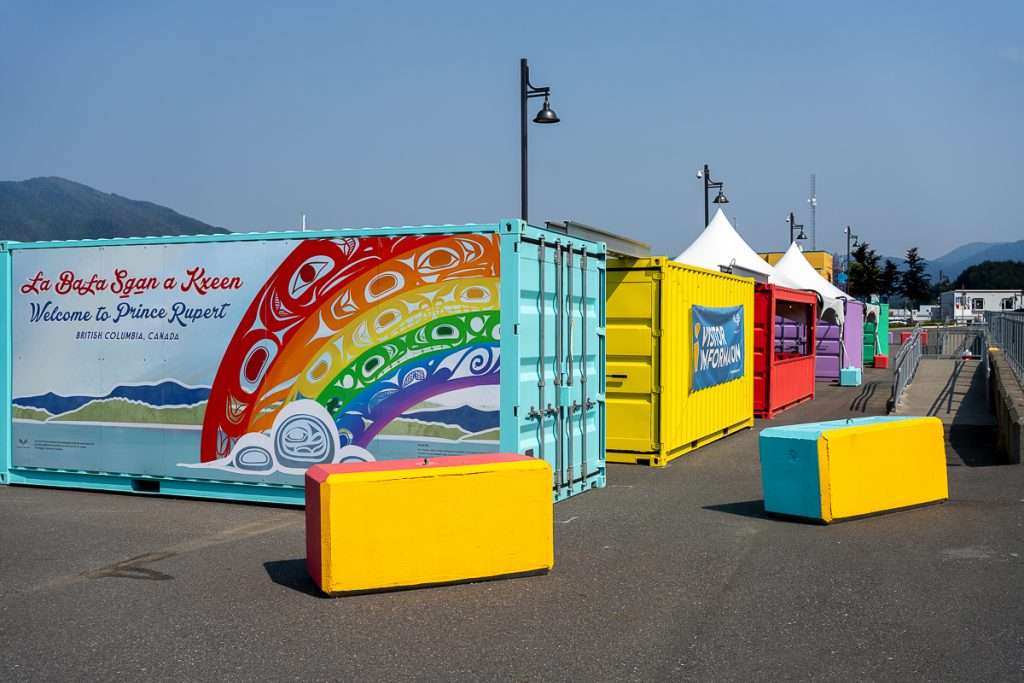
However, I recommend 2 nights if you want to book an adventure excursion, like a bear-viewing eco-tour to Khutzeymateen Grizzly Bear Sanctuary or a whale-watching excursion.
Otherwise, with a day in Prince Rupert, don’t miss these highlights:
- Museum of the North
- Cowpuccinos for breakfast and coffee
- Cow Bay and Atlin Terminal for small shops
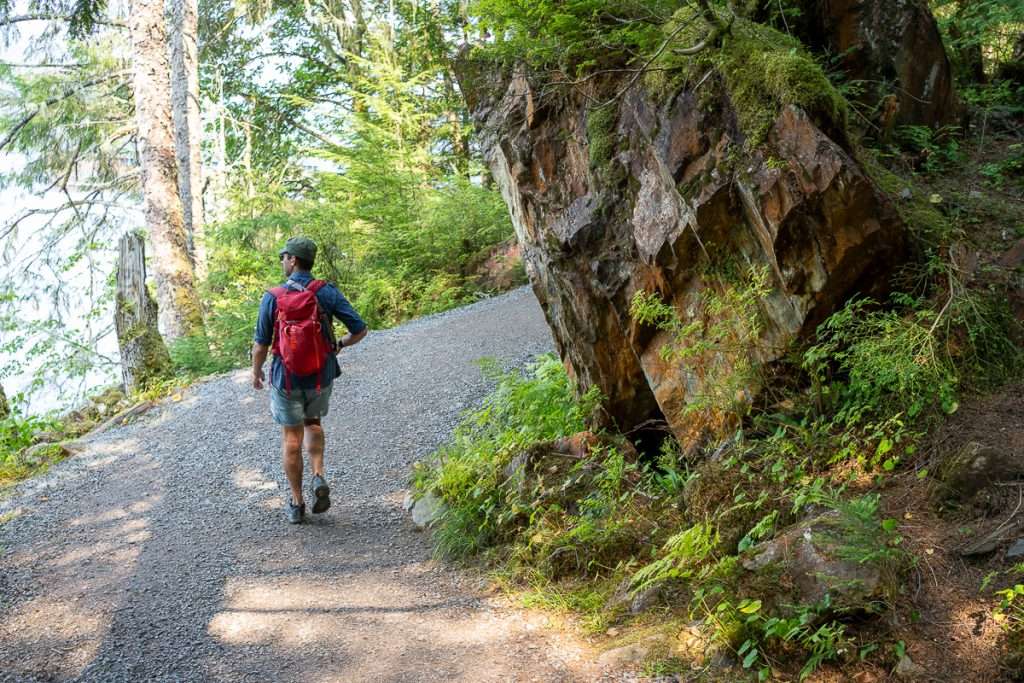
- Rushbrook Trail for a nature walk
- Indigenous-owned Yaga Cafe
- Wheelhouse Brewing
- Sunken Gardens
You will want a 100% charge (yes, go past 90%) before heading to Haida Gwaii. Chargers are slower and hard to come by on the islands, so every percent you can get is worth it.
Transit Night: Ferry from Prince Rupert to Haida Gwaii (1 night)
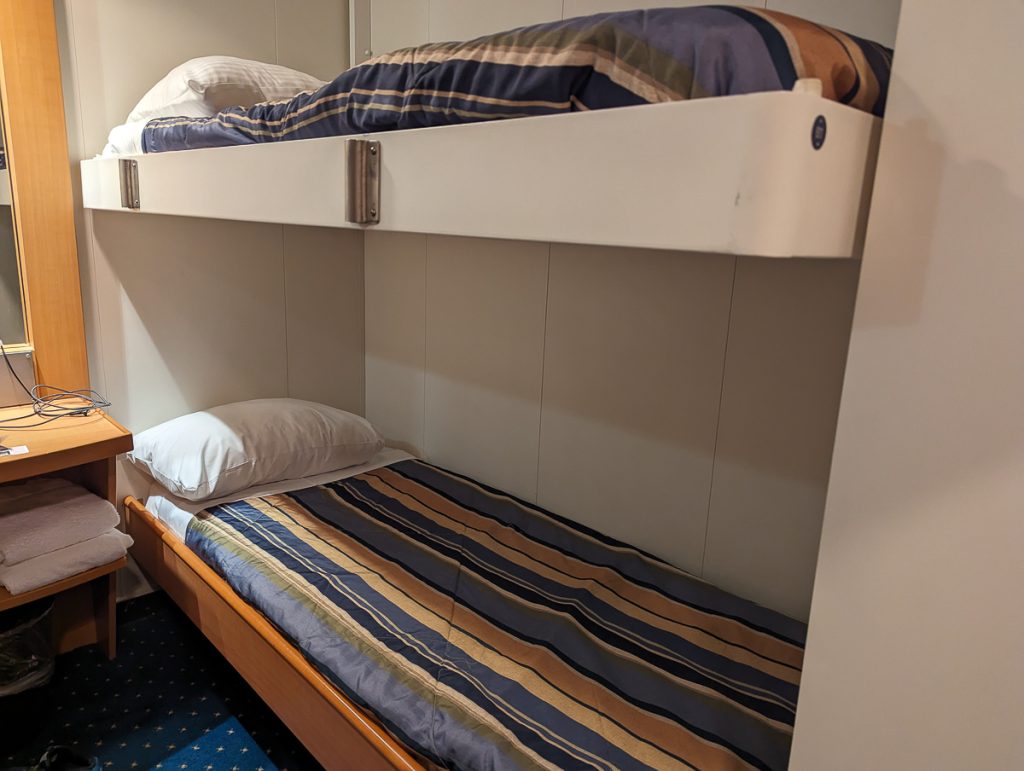
We pre-booked a nighttime departure out of Prince Rupert and slept on the ferry to Haida Gwaii.
After a late dinner in Prince Rupert, we loaded up on the ferry and got settled into our bunk bed cabins. The rooms have a shower, a private toilet and are perfect for a night sailing to Haida Gwaii.
READ: My complete guide to sailing from Prince Rupert to Haida Gwaii with BC Ferries
Stay: Haida Gwaii (4-5 nights)
If you’re following in our footsteps (or tire tracks), you’ll be arriving in Haida Gwaii at 5 am, which will give you at least five full days across Kiis Gwaii and Gwaii Haanas. If you arrive on the day ferry in the evening, you’ll want 5 nights for more time.
Haida Gwaii was the real highlight of our BC road trip, and we enjoyed the mix of rich cultural Haida Heritage and incredible nature. I would not recommend any less than 5 full days here.
Highlights include:
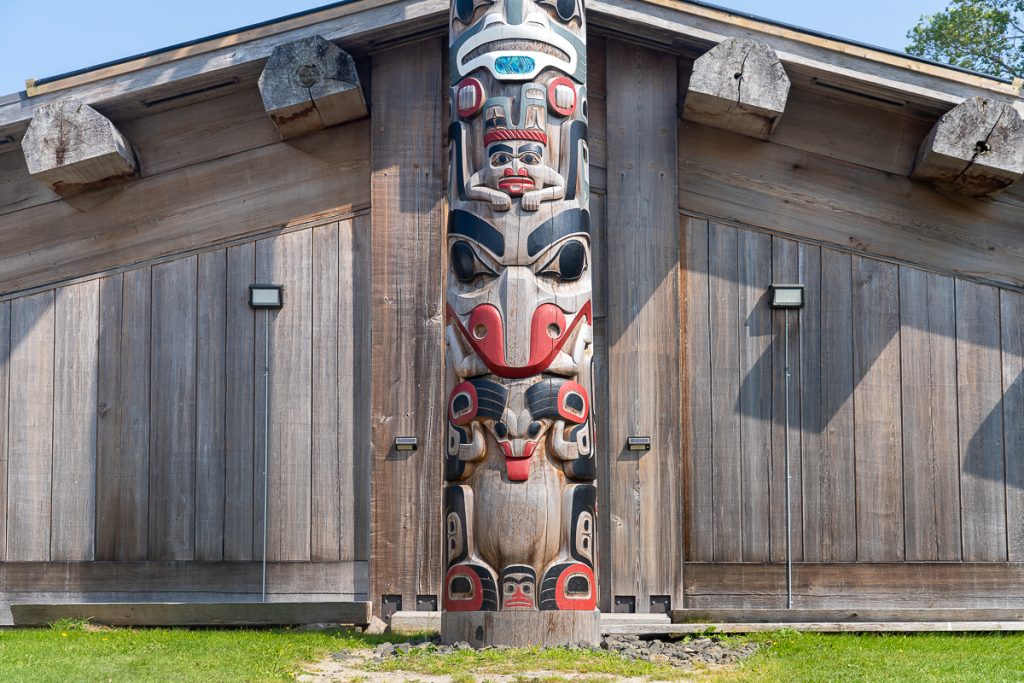
- Haida Heritage Centre
- Trip to Gwaii Haanas with Haida-Style Expedition
- Taaw Tldáaw for hiking
- Gaw Tlagée for Haida art and culture
- Naikoon Provincial Park
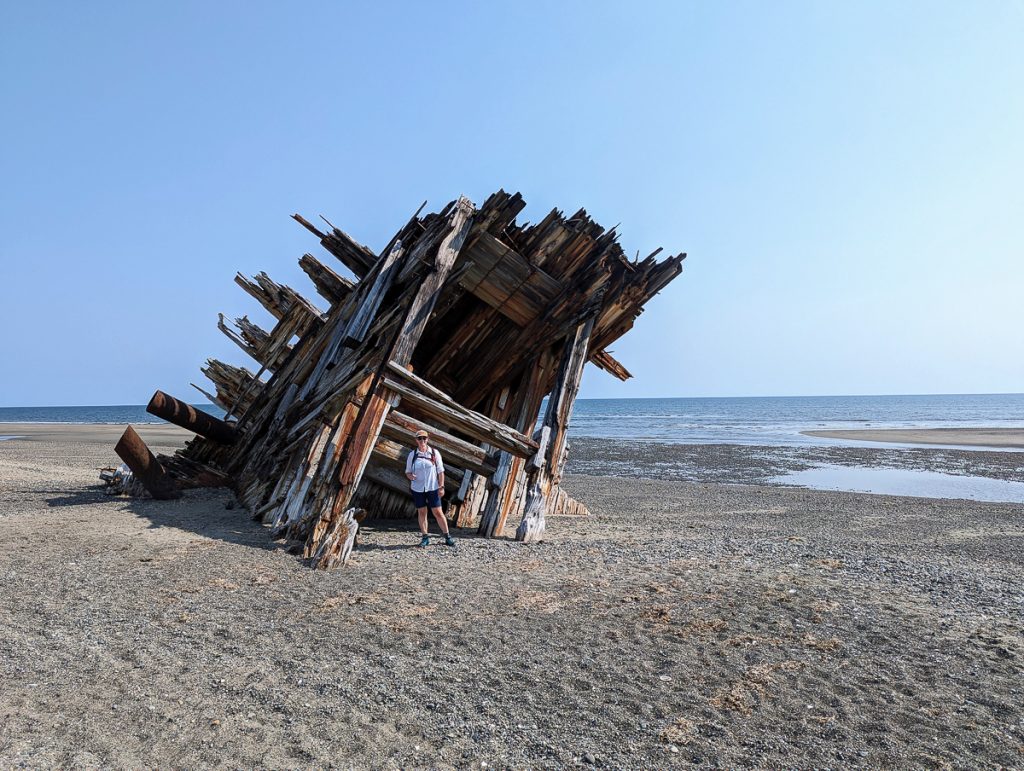
- Psueta Shipwreck
- Staying at the Haida House
- Spirit Lake Trail
- Kiidk’yaas – Golden Spruce Trail
- Wáan Kun – Heritage town
- And so, so much more!
You really need both of my guides to Haida Gwaii to get the full scope of everything to do and see here, as well as to be responsible travellers.
- READ: Responsible travel tips for Haida Gwaii
- WATCH: YouTube responsible travel tips for Haida Gwaii
- READ: Regenerative 5-day itinerary for Haida Gwaii
- WATCH: YouTube Regenerative itinerary for Haida Gwaii
I highly recommend you book one of two accommodation choices on Haida Gwaii. Both of these are Indigenous-owned stays. We stayed in the Haida House cabins and LOVED it!
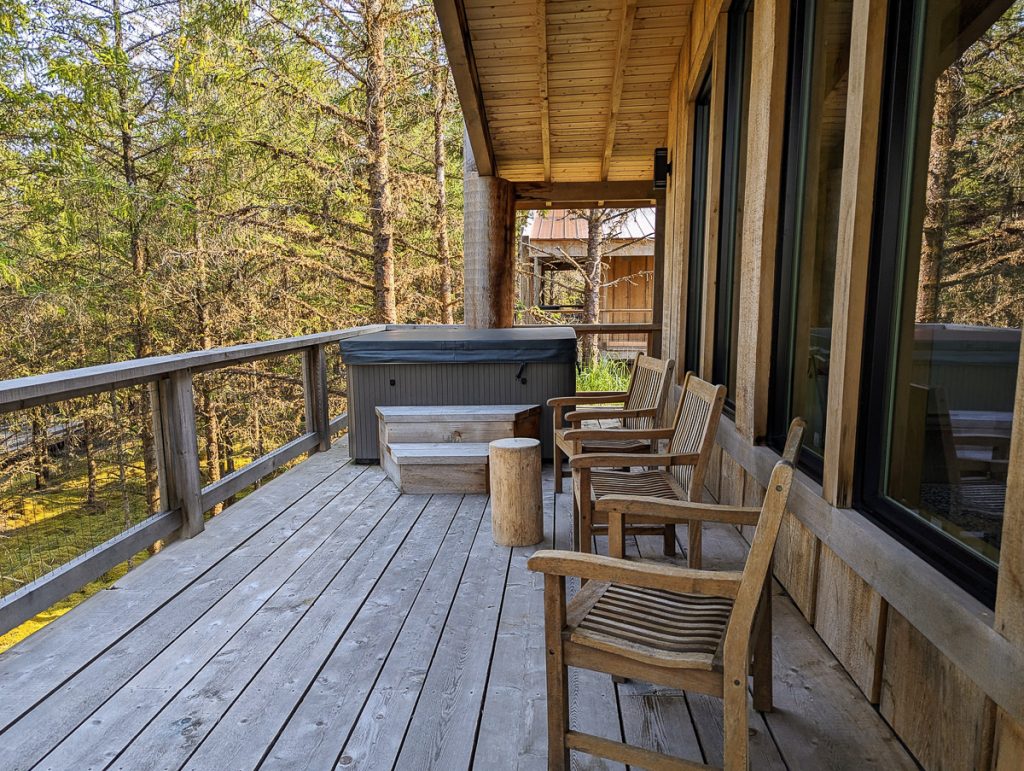
Transit Night: Haida Gwaii to Prince Rupert (1 Night)
After at least 5 or more wonderful days on Haida Gwaii, you’ll catch the evening ferry back to the mainland. We once again booked a sleeper cabin. This allowed us to arrive back in Prince Rupert early in the morning.
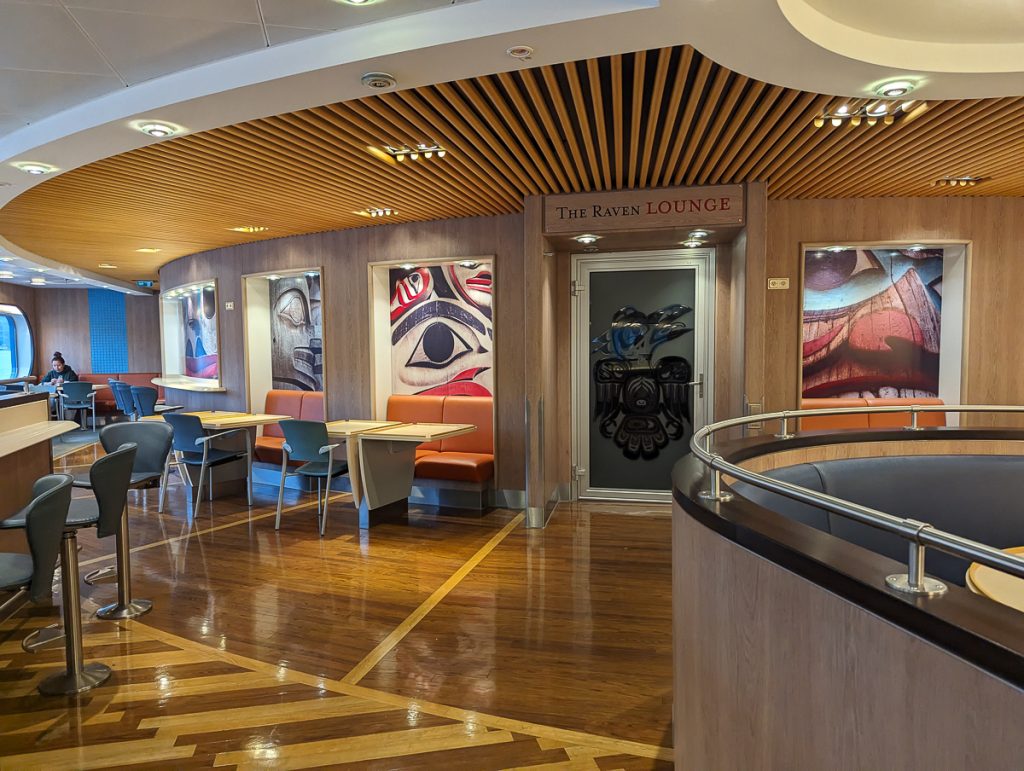
Transit Day: Prince Rupert to Terrace
We charged our EV and grabbed a coffee in Prince Rupert, then hit the open road.
We followed the Yellowhead Highway 16 from Prince Rupert to Prince George with stops in Terrace, Smithers, Lake District, and Prince George. I have a complete guide to this stretch of highway, including all stops, places we stayed and more.
READ: Driving from Haida Gwaii to Prince George Yellowhead Highway 16 Road Trip Stops
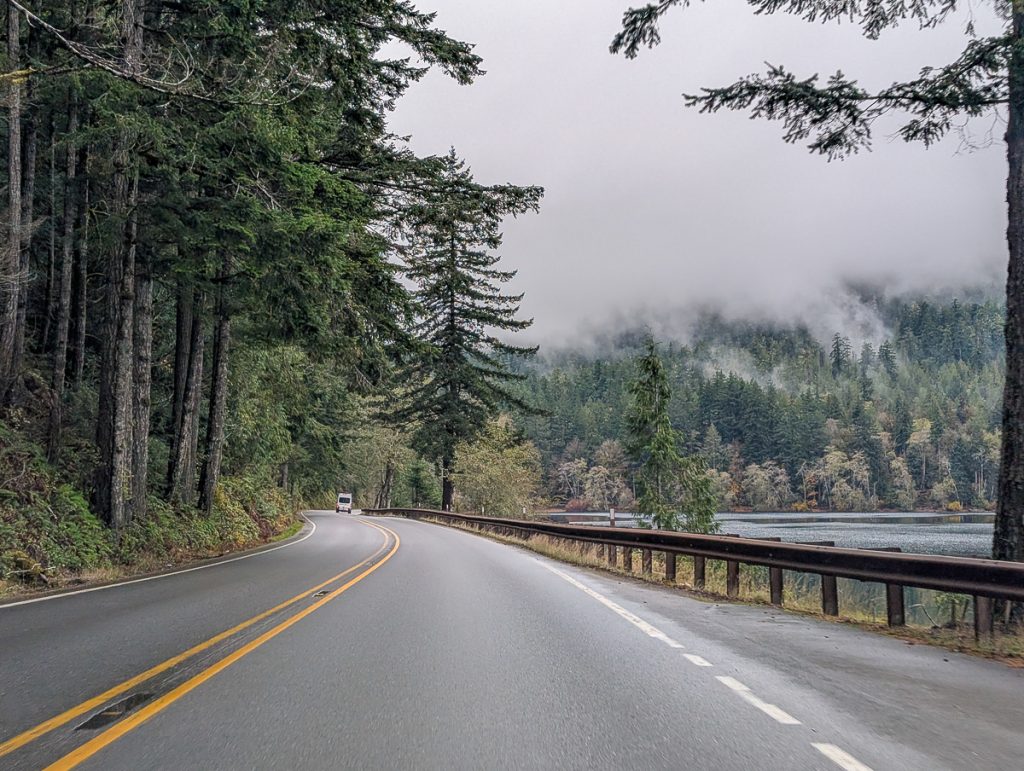
Leaving Prince Rupert, the highway follows the Skeena River through a stunning mountain pass and river valley. There are a few scenic pullouts along the way; stop wherever your heart desires until you make it to Terrace.
You may choose to detour to Kitimat now, or wait to see if you have a free day in Terrace. It is a beautiful drive!
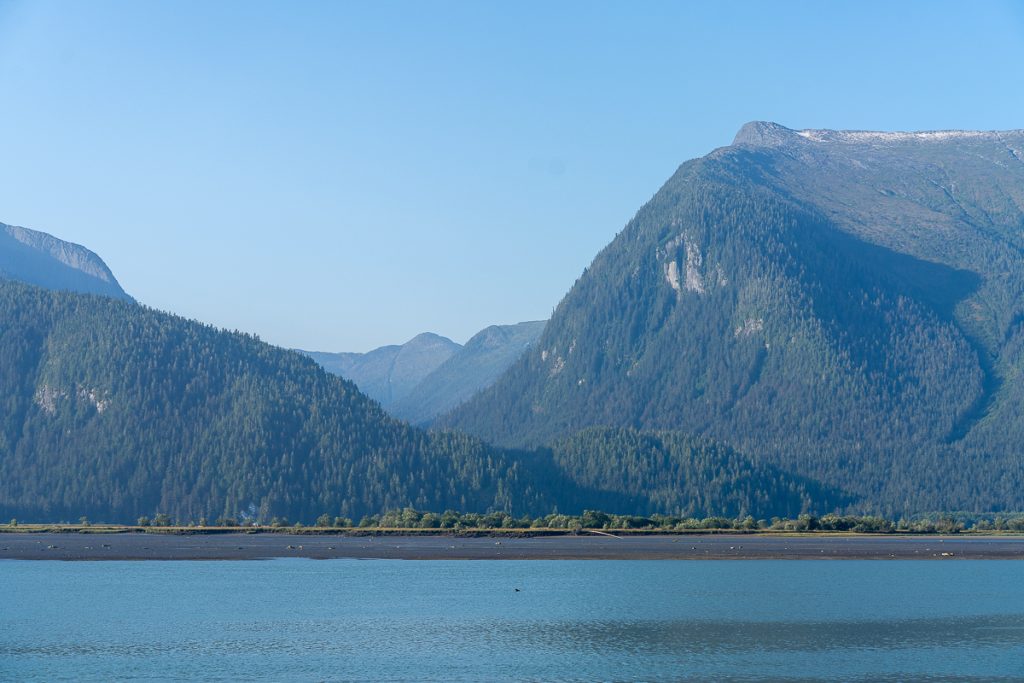
Stay: Terrace and Nass Valley (3 Nights)
Once you arrive in Terrace, you’ll check into your accommodation for 3 nights. We stayed in the Hidden Acres Farm & Treehouse. A cozy cabin stay on a farm with an outdoor fire pit and BBQ was perfect for us!
Terrace is the perfect base for a few nights to enjoy the best of Northern BC. It is a hub for big outdoor adventures, including mountain biking, rafting, fly fishing, hiking, and more.
With one day, I recommend taking the time to drive into the Nisga’a Nation lands, or the Nass Valley. There is a convenient auto tour, designed to allow you to responsibly explore the ancestral lands of the Nisga’a people. Enjoy a full day driving with stops to see waterfalls, lava fields, First Nation villages, cultural sites, hot springs, and more.
READ: Self-Guided Nass Valley Auto Tour
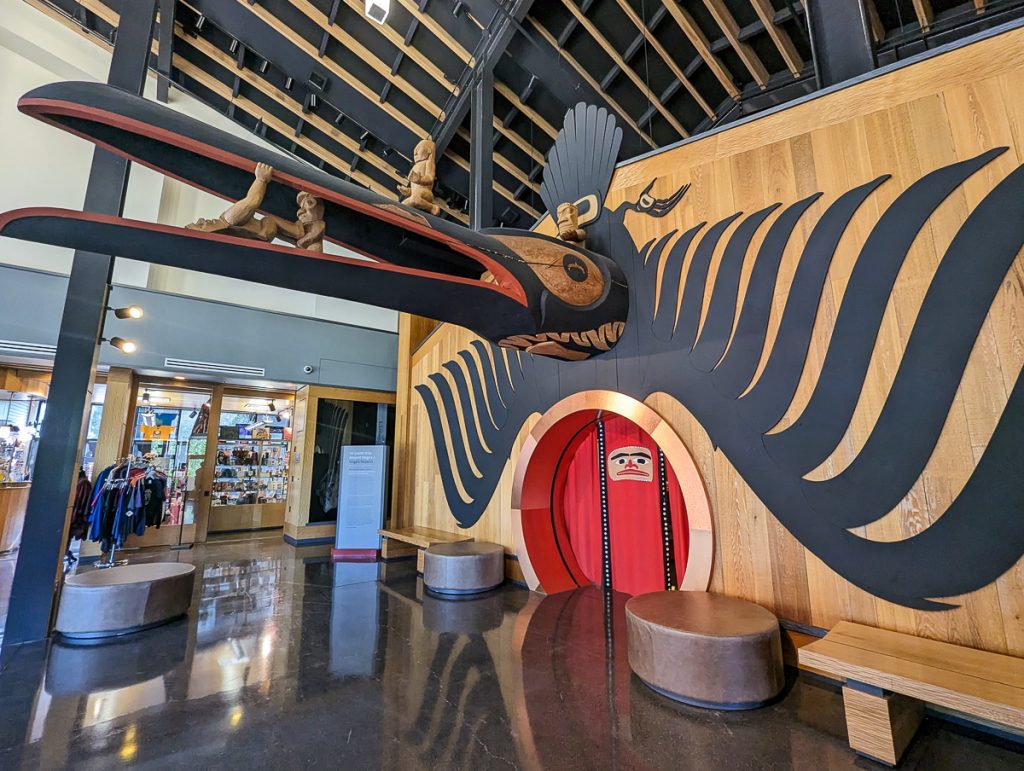
With your other free day, enjoy everything that Terrace has to offer, including some of the highlights.
- Hike up Terrace Mountain and enjoy the view and sculptures along the way. Or try mountain biking or other activities.
- Explore downtown for street art and galleries.
- Learn about colonial history with Big Bertha and Heritage Park Museum.
- Visit Sherwood Mountain Brewhouse.
We enjoyed evenings in our cozy cabin, enjoying the communal fire, reading and writing.
The drive into Nass Valley will push the range of your vehicle. This is another day to leave with 100% on the Nass Valley Auto Tour. Keep a close eye on your range, and you may turn around early.
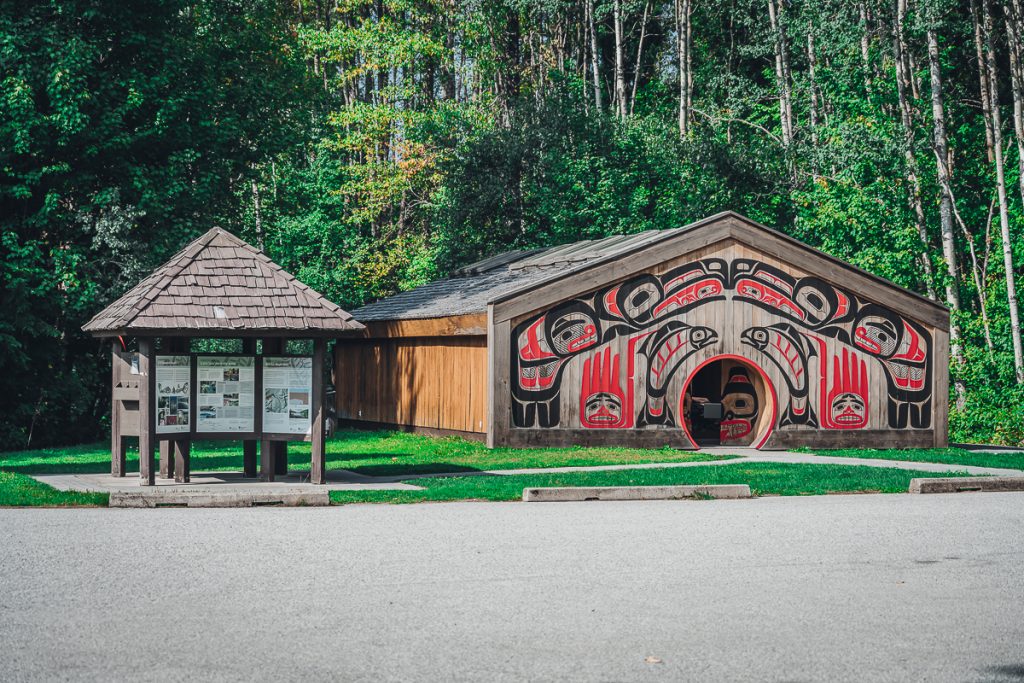
Driving Day: Terrace to Smithers
As you leave Terrace and make your way to Smithers, follow my Yellowhead Highway 16 guide for all the best stops. There are so many natural and cultural stops along this beautiful highway.
Right out of Terrace, don’t miss Kitselas Canyon, a beautiful natural and cultural stop to see petroglyphs and ancient cultural sites of the Kitselas band.
READ: A guide to visiting Kitselas Canyon.
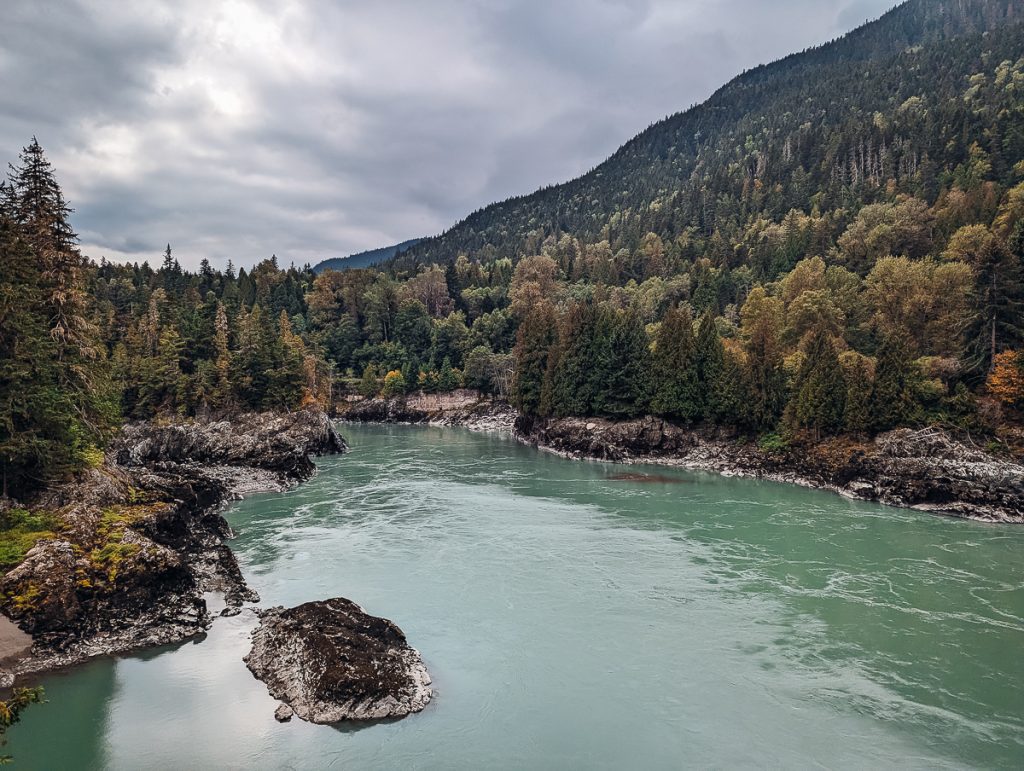
This route is along the Highway of Tears, where many Indigenous women have lost their lives. Take time to learn about this important and tragic part of life here.
Other stops include:
- Gitwangak Battle Hill Site
- ‘Ksan Historical Village and Museum
There are plenty of chargers along this stretch of highway; make use of the ones you need.
Stay: Smithers and Telkwa (2 Nights)
Terrace is an adorable alpine town at the foothills of amazing nature. The downtown hub is full of charming small shops, art and cultural sights. My Highway 16 guide has all the best highlights.
We actually stayed in a cabin in Telkwa, right on the river. You can certainly spend an epic few days in Smithers hiking and enjoying the best of the outdoors.
At this point in our trip, though, we decided to take a little R&R. We enjoyed our riverside cabin, reading, writing, and walking along the river, with an occasional trip into Smithers. We also visited Tyhee Lake Provincial Park with our SUP.
Book: An ethical Airbnb owned by a lovely couple who live on site.
Driving Day: Smithers to Prince George
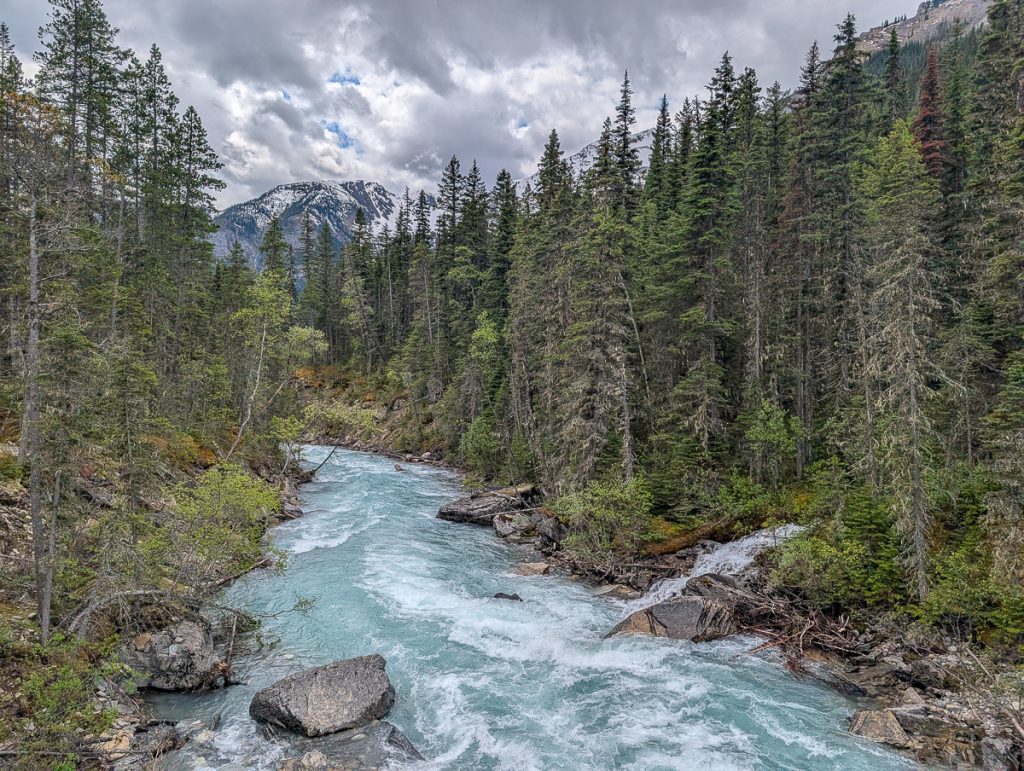
As you leave Smithers, you will eventually leave the towering mountains and enter rolling hills and the lake-filled Lake District. This is a pleasant drive with a few stops of interest along the way.
Take a detour along the Lake District Francois Lake Circle Tour for a fun route through the best of the lakes, including a small free ferry. This is down a forest service logging road.
Stay: Prince George (1 Night)
Eventually you’ll come to Prince George, which, to be totally honest, isn’t my favourite BC city, but it has its charms. For us on this road trip, it was a quick one-night stop before we were on the road again. Some might like to stay in a bigger city for more time, but we were good with one night.
We booked a local Canadian hotel:
Don’t miss:
- Lheidli T’enneh Memorial Park Trail Cottonwood Park
- Downtown district for cute shops and restaurants.
Driving Day: Prince George to Lac Le Hache
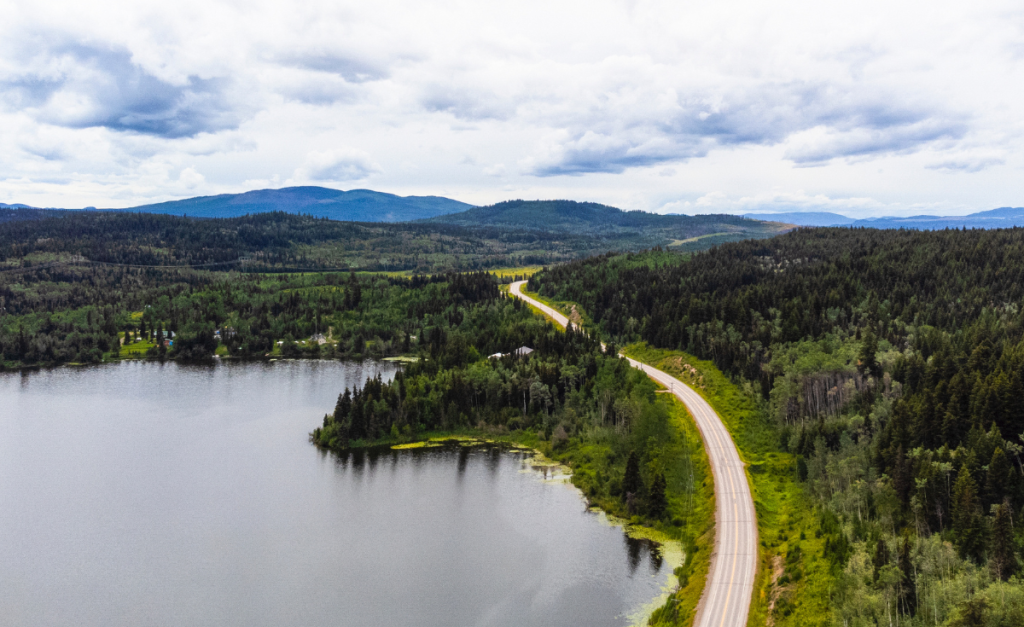
Leaving Prince George, you’ll begin your drive southbound along Highway 97. This portion of the road trip follows in the historic footsteps of Canada’s Gold Rush Trail. There are plenty of stops for nature, historical sites, and small towns.
Don’t miss:
- Ten Mile Lake Provincial Park
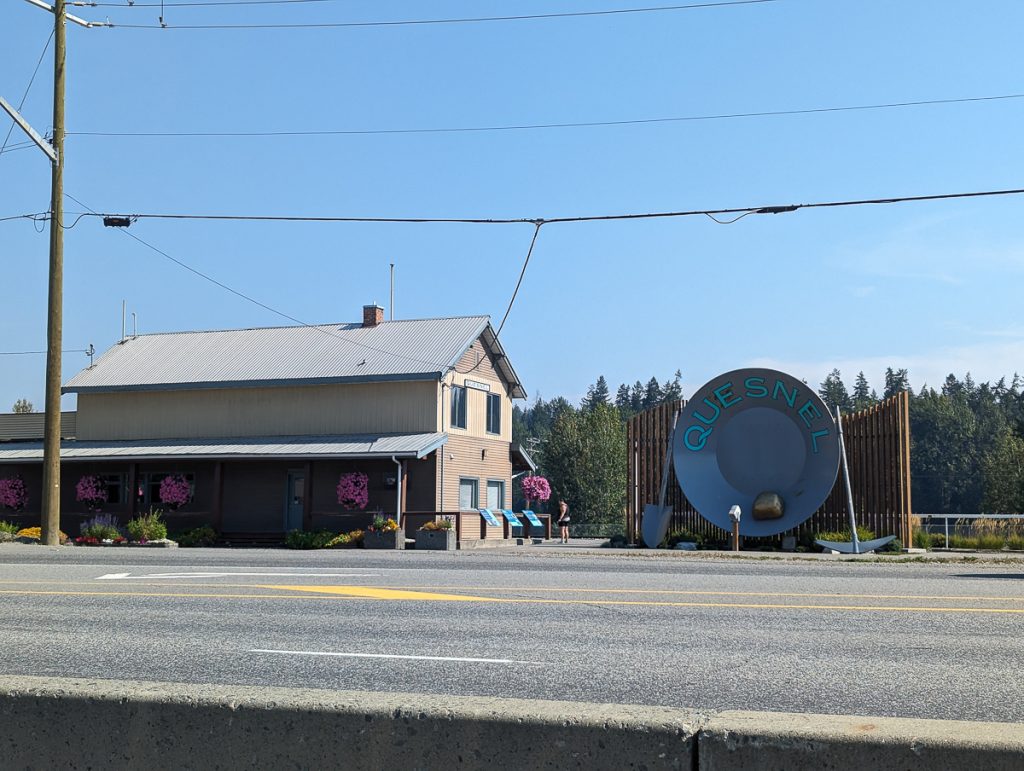
- Quesnel Gold Rush Town
- Williams Lake
- Xatśūll Heritage Village
Alternative Route: If you wish, you can continue to Mt. Robson and return to Vancouver via Wells Gray Provincial Park and Kamloops. Choose this for epic hiking at Berg Lake and nature at Wells Gray.
Charge up in Williams Lake or Quesnel.
Stay: Lac Le Hache / Helena Lake (3 Nights)
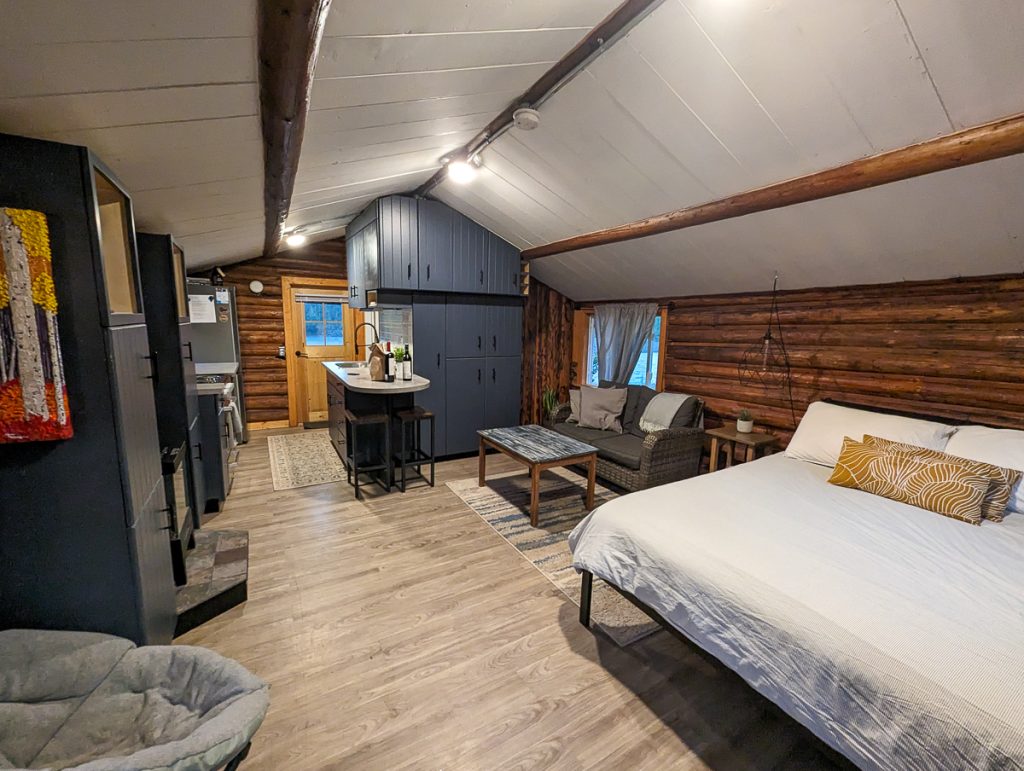
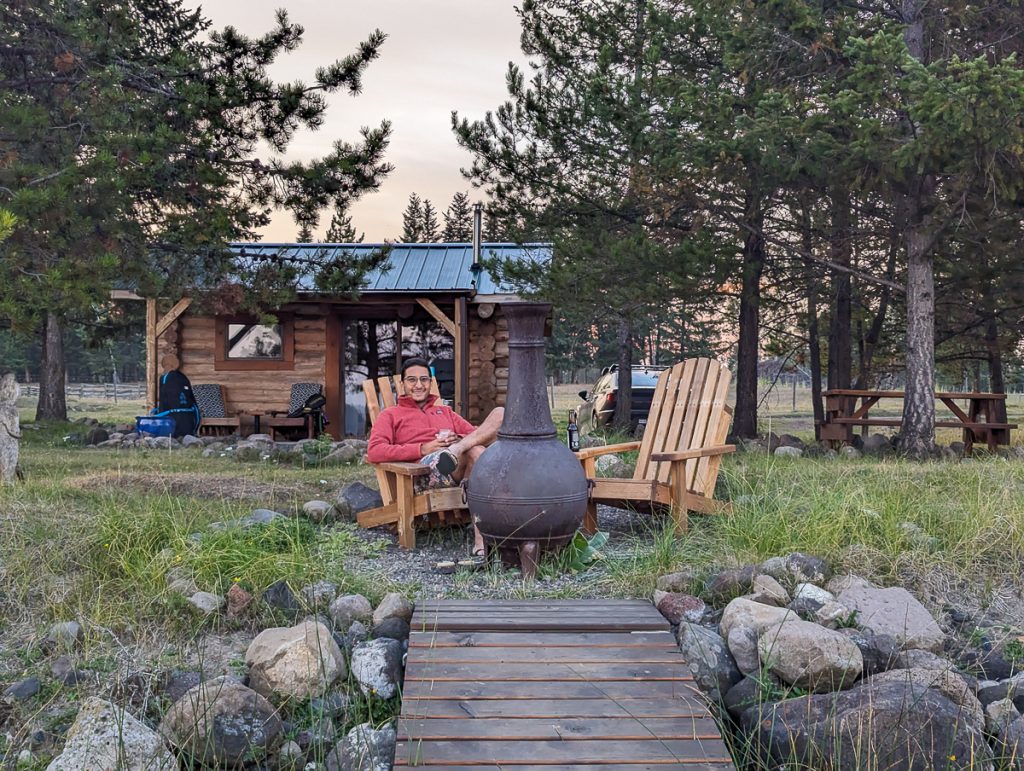
Lac Le Hache was another favourite stop of ours. We actually booked a cabin on the lake tucked away on someone’s farm. We had a wood-stove-heated cabin, with a private dock and access to Helena Lake.
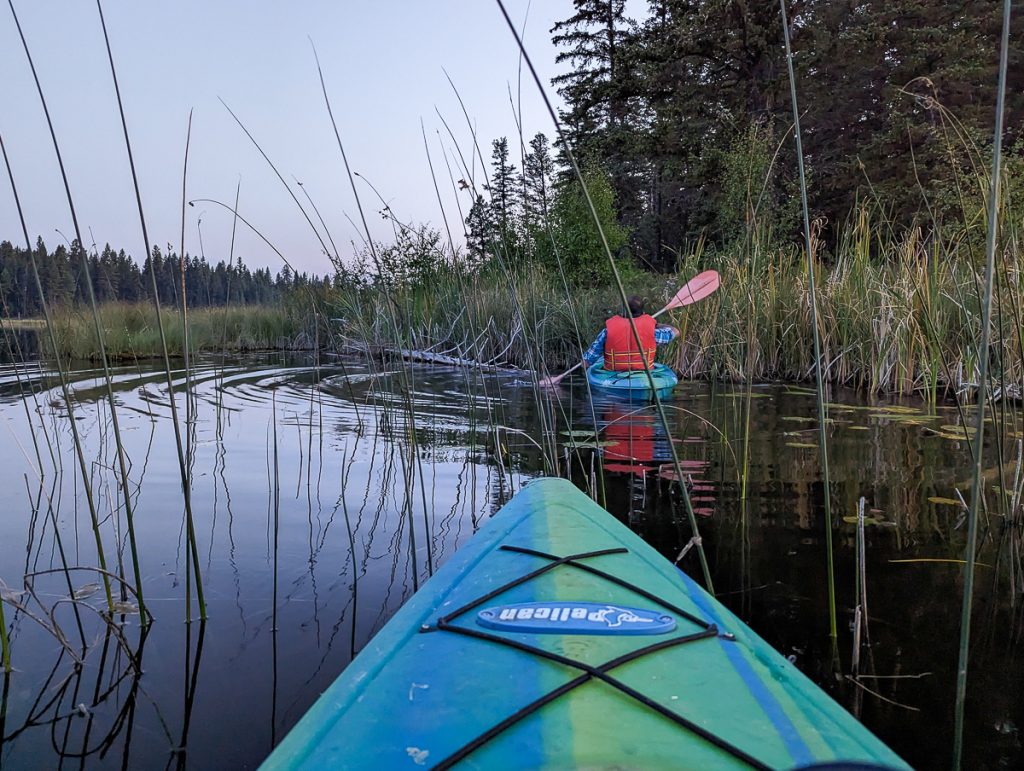
You could reduce your time here and spend only 2 nights, but we loved 3 days totally disconnecting. We had daily swims in the lake, SUPed, took the kayaks out for sunset, and enjoyed solitude.
- Book: Helena Lake Ranch
The ranch has communal kayaks to use, and farm-fresh eggs for daily breakfast. This is the perfect escape and really feels so isolated.
Driving Day: Lac Le Hache to Pemberton
After leaving the quiet lakeside farm, gear up for a long and epic day of driving to Pemberton. This route continues down Highway 97 with lots of stops along the way.
Some of our favourites were:
- 100 Mile House
- Mount Begbie Lookout
- Chasm Ecological Reserve
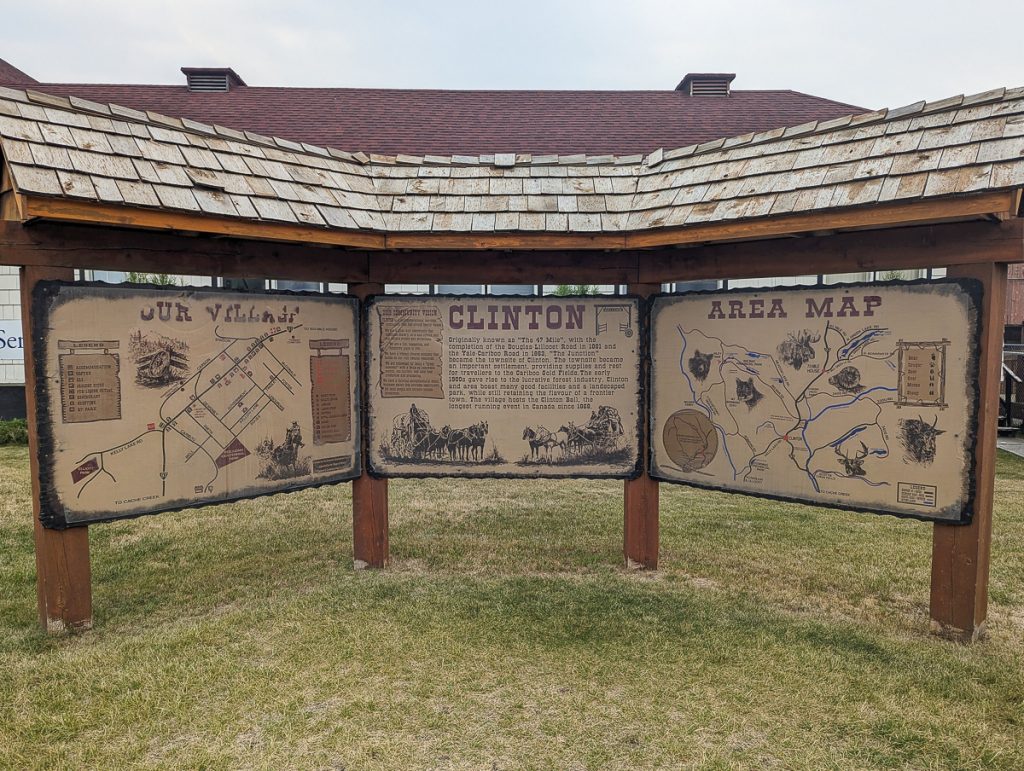
- Clinton for Lunch
Make sure you turn off onto Highway 99 just before Cache Creek for the better route back to Vancouver IMHO, but of course you can also follow Highway 1 to Hope for an alternative.
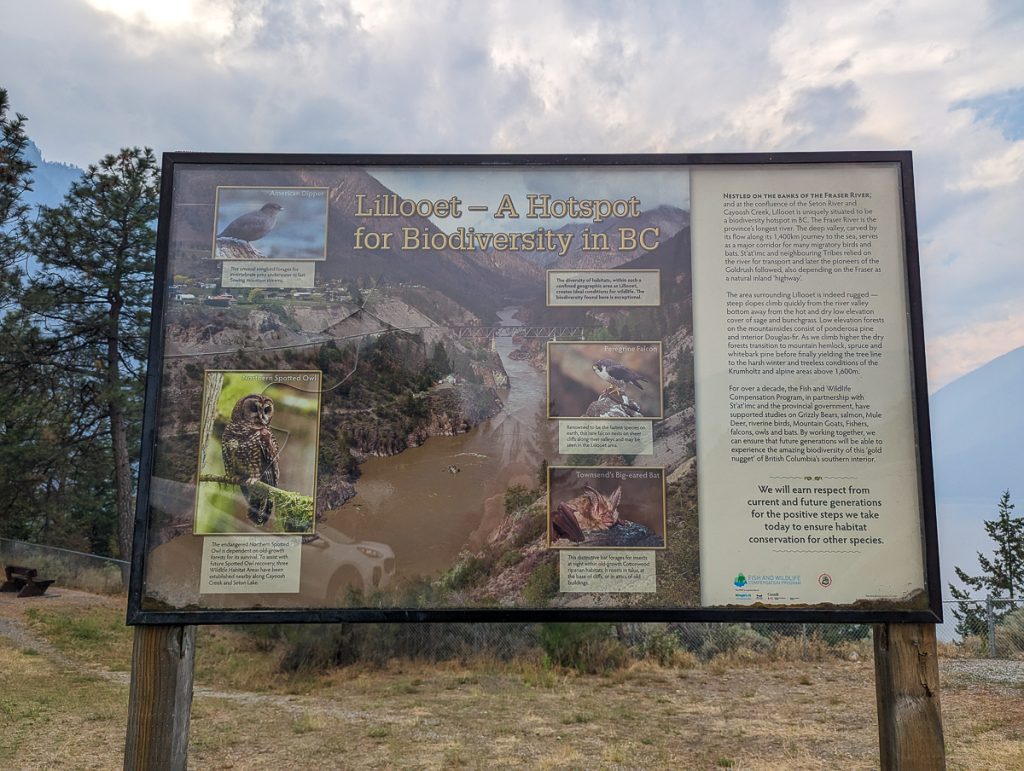
Highway 99 comes through Lillooet Pass and eventually to the Duffey Lake Road. This section is just stunning, with so many scenic pullouts and stops.
The best stops are:
- Lillooet town
- Lillooet Viewpoint for views of the town and valley
- Railroad Tunnel Viewpoint
- Seton Lake Viewpoint
- Duffey Lake Viewpoint
I have a complete guide to driving from Prince George to Vancouver that covers all these stops from Lac Le Hache to Lillooet and Highway 99 all the way back to Vancouver.
READ: Driving from Prince George to Vancouver Road Trip Stops
Stay: Pemberton (2-3 Nights)
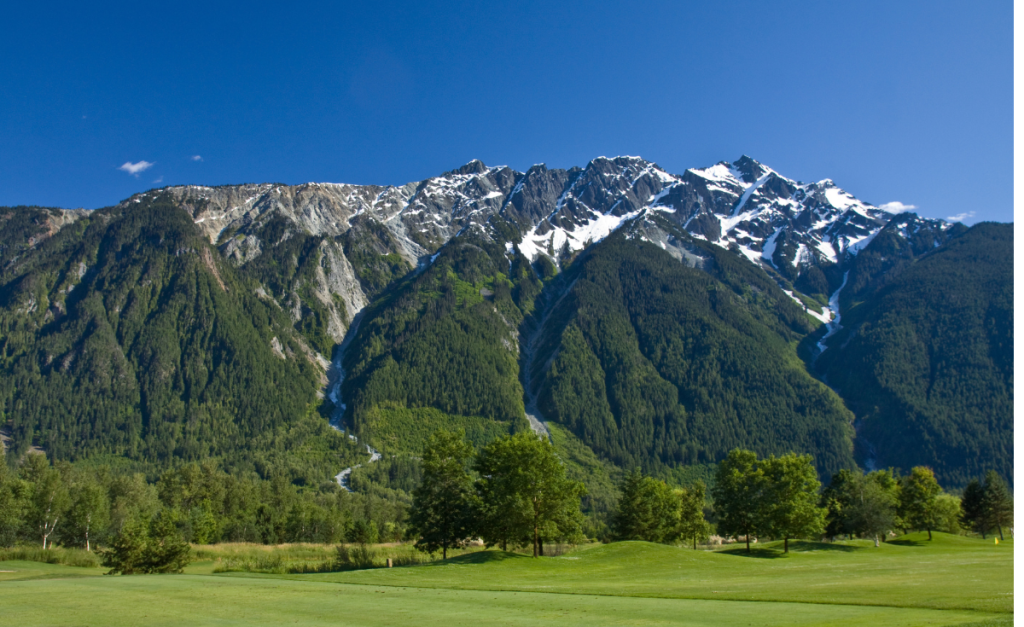
Pemberton is a bit of a gem in the area. Most people opt to stay in Whistler, but Pemberton is a quiet valley town surrounded by mountains and teeming with farms and agricultural fields.
- Book: Joffre Creek Cabins
- Book: Pemberton Valley Lodge
This stop is a great alternative to Whistler. And you can stay here for craft beer, mountain biking, nature walks, farms, and more.
Don’t miss the highlights:
- North Arm Farm is a cute local farm with seasonal blooms and a mountain backdrop.
- Beer Farmers. A hyper-local brewery where everything from the hops to barley and malt is grown locally.
- Mountain Biking or Hiking
- The Pemberton Collective is an adorable gift store filled with local and handmade products, like jewelry, stationery, art, candles, clothing, and more.
Add the third extra night if you secure a permit to hike Joffre Lakes, want to do a full-day hike in Whistler like Harmony to Highnote, without paying resort prices for accommodation, or book a day at the Scandinave Spa.
Chargers on the Sea-to-Sky Highway are in Pemberton, Whistler, and Squamish.
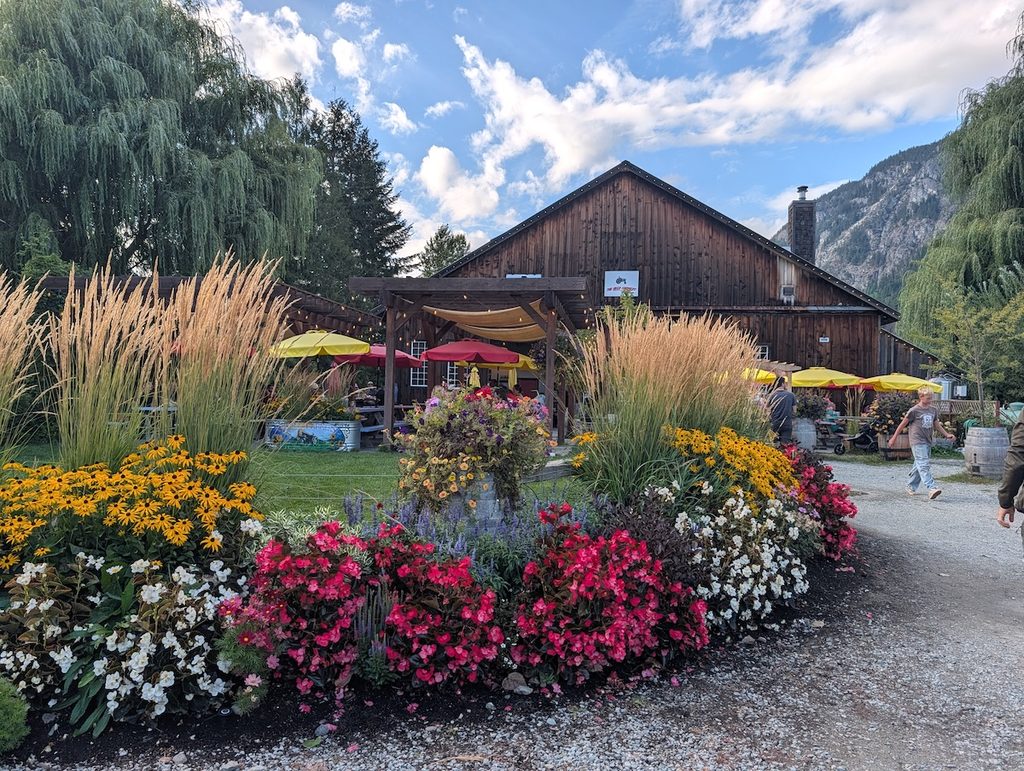
Driving Day: Pemberton to Vancouver
Spend the whole day driving back to Vancouver, slowly following the Sea-to-Sky Highway. This is one of the most incredible highway drives in all of British Columbia. Take time to make the most of it, with a full day of stops for scenic pullouts and viewpoints.
I have a full guide to ALL the best stops on the Sea-to-Sky Highway 99.
READ: Best Sea-to-Sky Highway Road Trip Stops
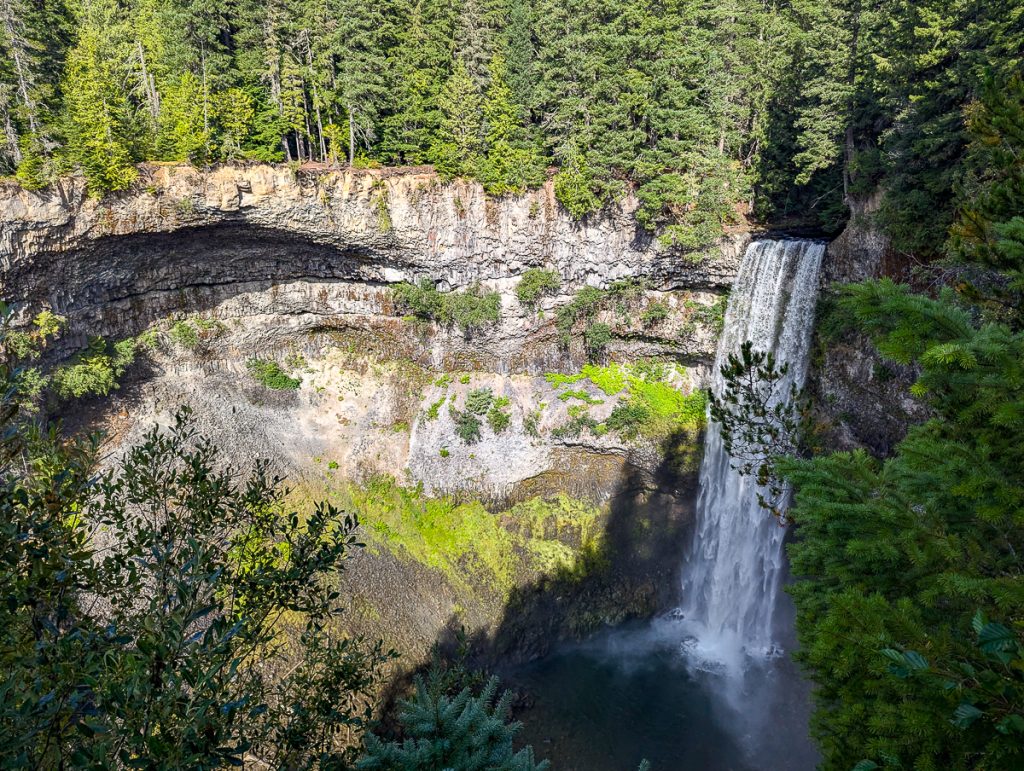
Stay: Vancouver (3 Nights)
If you’re from Vancouver, like us, welcome home! If not, spend at least 3 nights in the city enjoying the best of the city.
- Spend a day in North Vancouver visiting the Shipyards, Grouse Mountain or Capilano Bridge.
- Spend a day in Stanley Park, English Bay, and riding the False Creek ferries.
- Spend a day downtown enjoying food in Gastown, art, and scenic views.
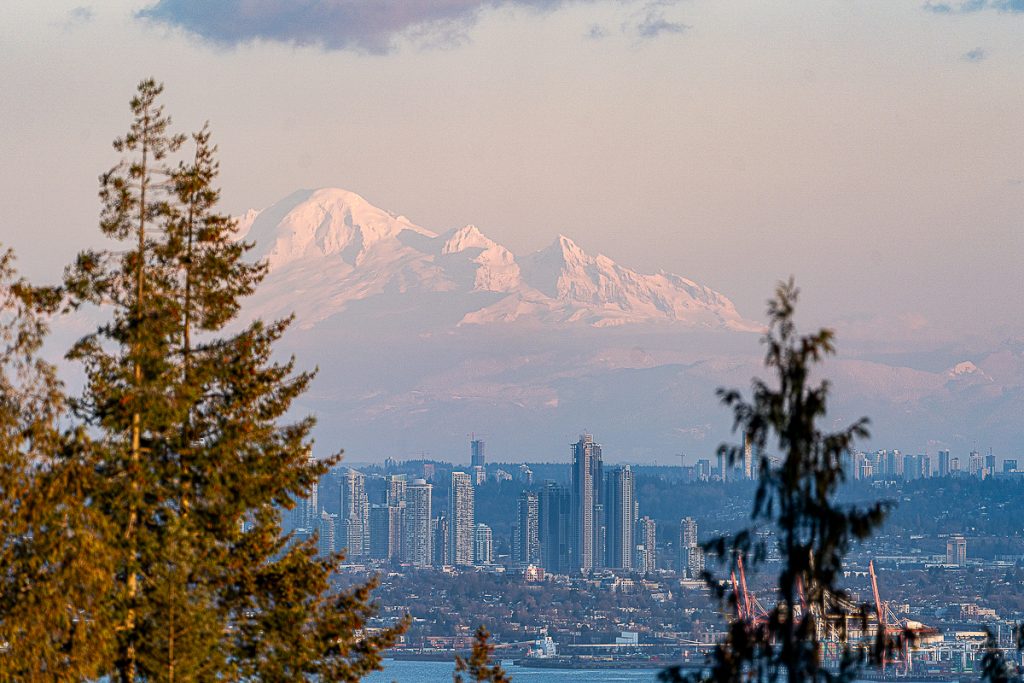
FAQ and Tips for Long Road Trips in BC
Before you hit the road, let’s cover a few tips and important information for longer road trips in British Columbia.
Weather & Natural Disasters
I really only recommend this route for driving during British Columbia’s peak road-trip season. I know, I know, you’re just as shocked to hear me say I recommend travelling in peak seasons on this blog. Well, for this route, it just makes sense.
With the Inside Passage ferry season running only from June 1 to September 30, summer travel makes sense. Plus, winter conditions mean ice and snow on the highway.
The good news is that the weather and road conditions will generally be snow- and ice-free, and you’ll usually have pleasant, warm weather.
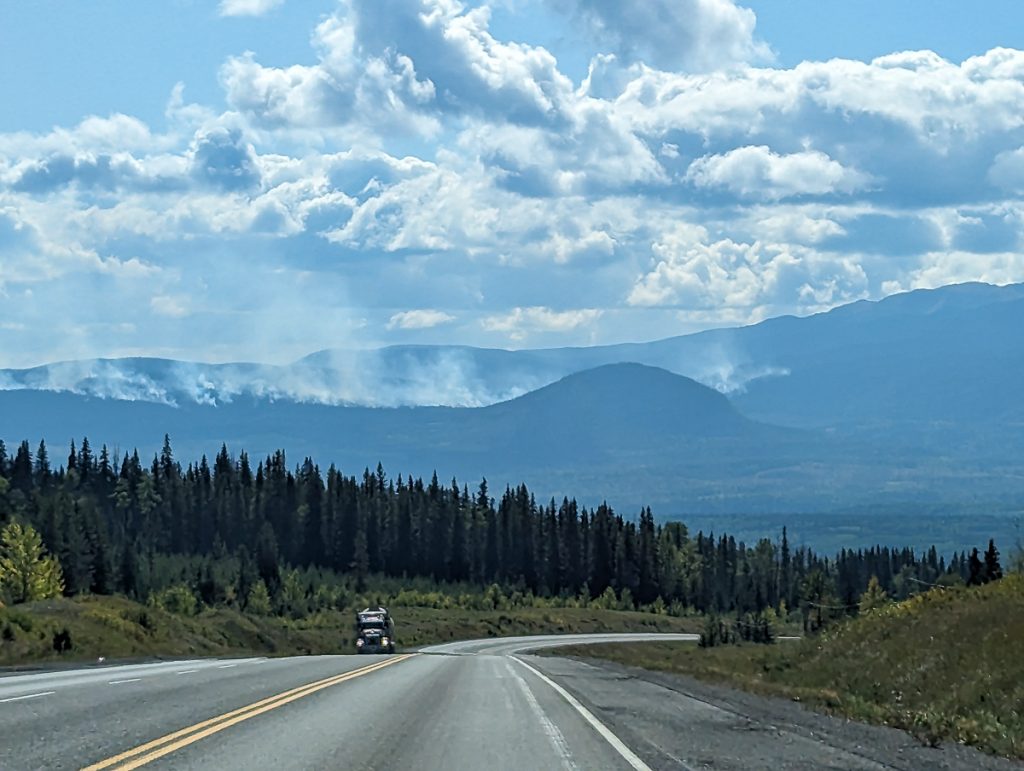
However, summer travel is often accompanied by natural disasters, such as extreme forest fires. We travelled in August, when a huge forest fire broke out. Highway 16 was at risk of closing. Due to limited highway infrastructure, if a highway closes due to flooding or fires, you may have to hunker down or divert across a more rural road.
Flooding is also common and can wash out certain areas of the highway. Sometimes we have flooding in late May. We had to completely drive out of our way, which can be tricky with an EV.
The weather is also moody on the Pacific Coast. Even in pleasant, no-fuss August, we had the tour of a lifetime to Gwaii Haanas cancelled for us because of days of extreme storms on the islands. It wasn’t safe for us to take a boat to the small islands. We were devastated, but safety matters most. This isn’t the tour company’s fault, so be patient and understanding if something like this happens to you.
Be prepared for anything with a safety kit, extra food, water, a car tire, and a plan for charging. Download the BC Fire app for road updates. Be prepared to go with the flow!
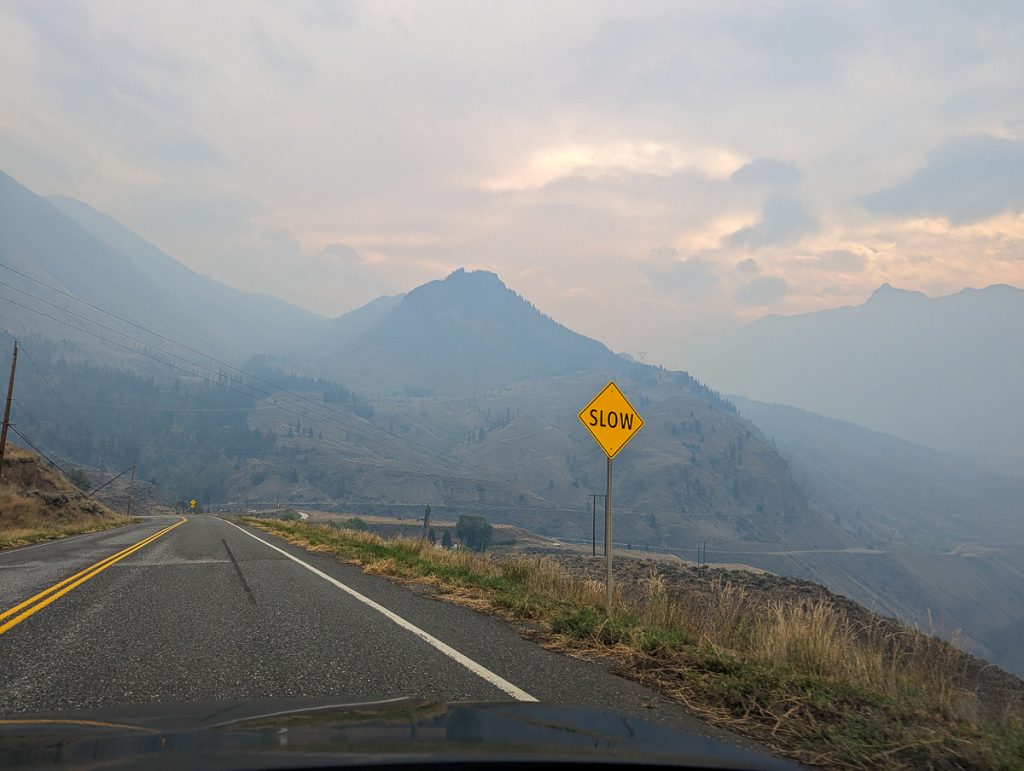
Logging Roads, Ferries, and Highways
Many of BC’s roads are paved and well-maintained. However, due to the aforementioned natural disasters, road conditions may change due to flooding, washouts, or fires.
In more rural communities, most notably Haida Gwaii, some areas of Vancouver Island, access to provincial park hiking trails, and detours in the Lake District, you will encounter unpaved roads. Many of these roads are logging roads. On logging roads, you should have high clearance, a safety kit, a tire repair kit, and the knowledge to repair a tire. You should also expect dust and limited cell service.
British Columbia is a coastal province with many remote coastal communities accessible only by ferry. It is very common to consider our marine system as our “marine highway.”
This route alone includes 4 ferries. Whatever vehicle you are driving, you should be comfortable driving it and reversing it onto a ferry. We saw some large RVs had to back up in very tight spaces!
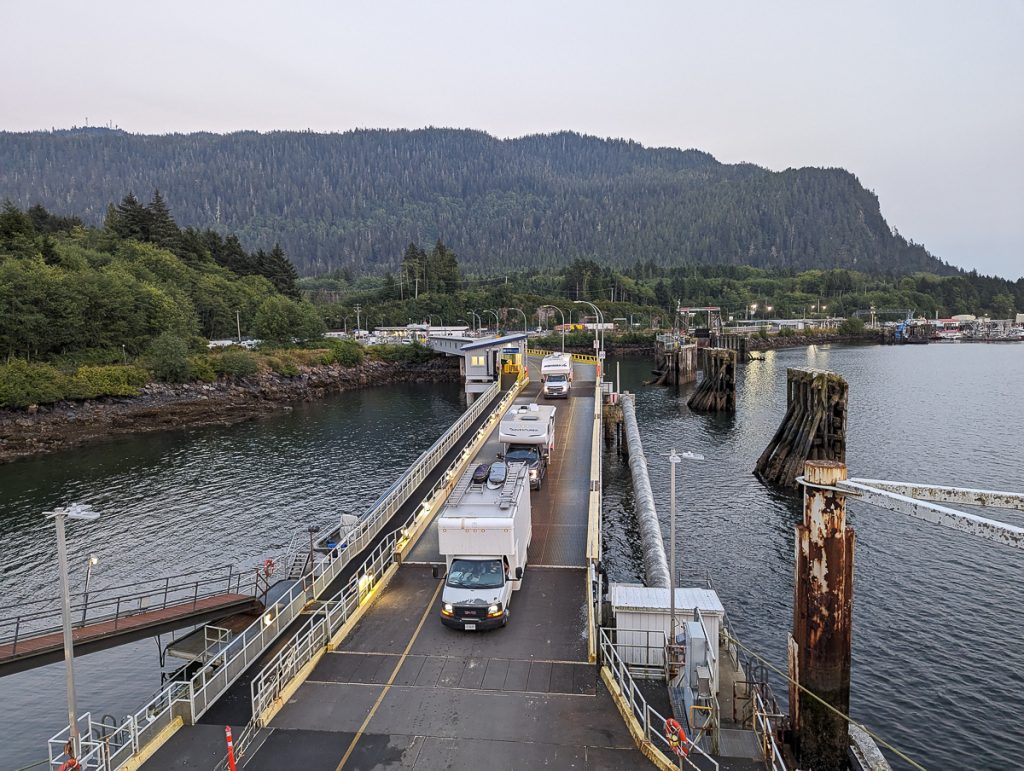
Reservations and Advanced Booking
With high demand during British Columbia’s peak summer travel season, advanced reservations and bookings really are a must. Canada has limited infrastructure, hotels, campsites, and permits for backcountry access. As soon as you know your plans and dates, get booking!
It may even be that you need to book your ferries first and then look at hotels and dates for other aspects. Even I, a seasoned traveller and BC resident who uses the ferry system regularly, got caught off guard once by peak summer demand. I had already booked a hotel, but the ferries were sold out, meaning I couldn’t get to the hotel the night I booked.
British Columbia, without reservations, can work for the right traveller: the easy-going nomad without time restrictions and a carefree attitude.
But, for someone who appreciates booking with intent and making sure I am supporting ethical, Indigenous, and eco experiences, booking in advance means I get to have the once-in-a-lifetime experience I dreamed of without compromising my values.
Chargers + EV Capacity
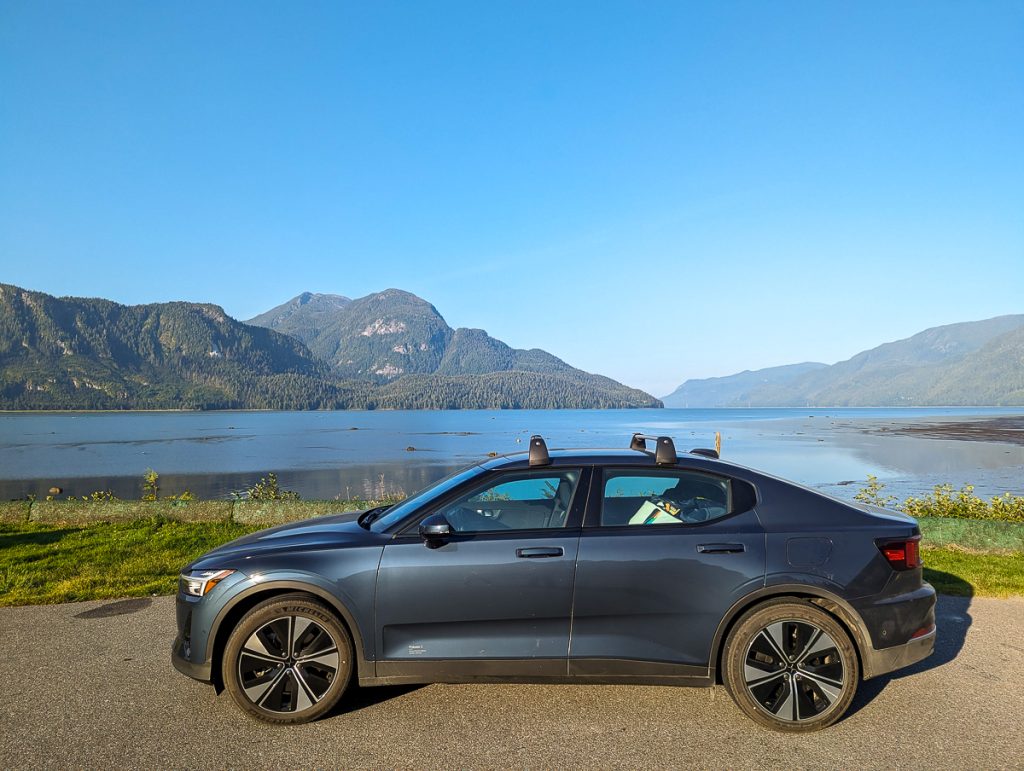
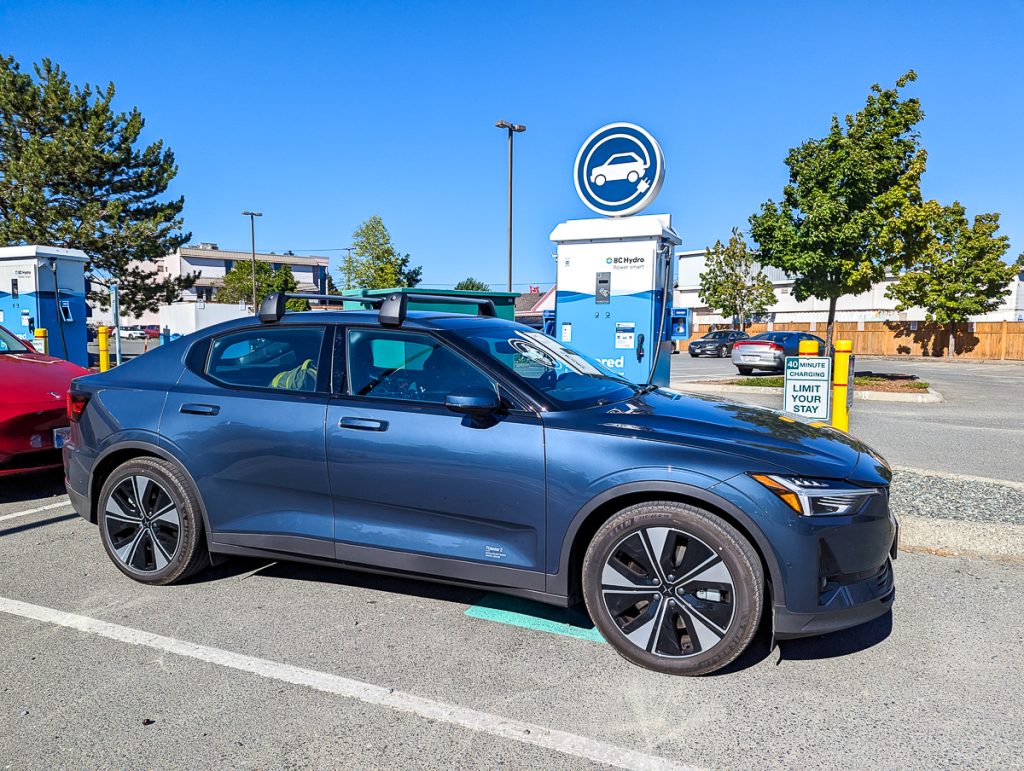
British Columbia might just be the best place for an electric-powered road trip. There is excellent charging infrastructure across the province, and it is only growing. We drove an EV from start to finish, including deep into the Nass Valley and rural Haida Gwaii.
We had to have patience and a go-with-the-flow attitude, as a few of the chargers we used were super slow, like an electrical home outlet slow. In Masset on Haida Gwaii, we plugged in and, with 6 hours to kill waiting for a slow charge, we turned this into an opportunity. We started walking and were welcomed into April White’s private home and gallery.
Other times, we found free fast chargers.
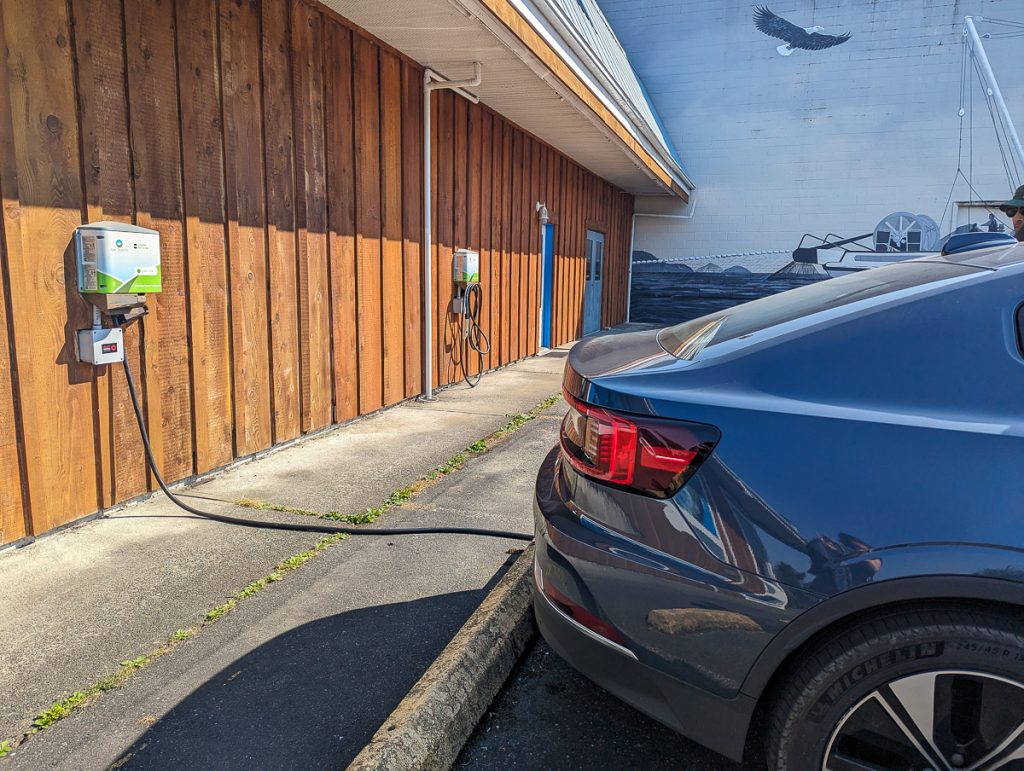
All up for our entire month on the road:
- We used 15 chargers
- 9 were FREE
- We spent a total of $150
- We found a mix of BC Hydro Fast chargers
- Rural Charge+ medium and slow chargers
- Free chargers are located at visitor centres, provincial parks, hotels, and more
- We only had to wait in line twice for a charger, but things moved relatively quickly.
If you have an EV, I encourage you to hit the road and explore! If you are renting, you might consider renting a hybrid or plug-in hybrid to take advantage of the low-emission options without the stress of figuring out an EV.
Always use PlugShare, A Better Route Planner, and your EV’s software to help you plan. I have two detailed guides to EV road trips that will also help you plan.
Read them here:
Driving, Rules, and Safety
Driving in British Columbia isn’t too challenging to master.
- We drive on the right side of the road
- We measure speed and distance in kilometres
- No texting while driving
- Always wear a seatbelt
- Headlights on at all times
- Speed limits:
- Municipal/City Streets: 50 km/h
- Rural: 60-80 km/h
- Major Highways and Expressways: Range from 90 km/h up to a maximum of 120 km/h
Driving in urban areas, such as Vancouver, often means dealing with excessive traffic. We have a growing population, and our infrastructure isn’t keeping up, so be prepared for long delays over bridge crossings and train traffic.
Wildlife crossings do happen. Drive safely and slowly, and always keep an eye out for bears, raptors, deer, elk, and more.
British Columbia Road Trip Map
This map only covers the main route between major towns and sites. It is not a comprehensive list of everything to do and see. I have a few more related maps you can find at the following links:
- Nanaimo to Port Hardy road trip stops, including things to do in the Comox Valley.
- Things to do on Haida Gwaii
- Yellowhead Highway 16 Road Trip Stops Prince Rupert to Mt. Robson
- Prince George to Vancouver Stops on Highways 97 and 99
Comment and Share: Best Coastal and Interior BC Road Trip
If you’re wondering what the best road trip route in British Columbia is that follows some of the best coastal routes in Western BC, along with the best of Northern BC and some inland regions, this is your guide.
Spend an epic 28-days driving up Vancouver Island, taking the Inside Passage Ferry to Prince Rupert, travelling to Haida Gwaii, and back to Vancouver, slowly following Highway 16, Highway 97, and eventually the stunning Sea-to-Sky Highway.
We did this very route after we moved to BC, as it allowed us to get a good feel for our new home province: the nature, rural areas, First Nations culture, small towns, and more. It really does cover the best of everything and is ideal for a slow travel route. If you have more or less time, you can easily customize this route to make it your own!
Who is dreaming of doing this epic road trip across British Columbia’s stunning landscapes?
Related Posts:
- Nanaimo to Port Hardy road trip stops
- Things to do in the Comox Valley
- Inside Passage Ferry Port Hardy to Prince Rupert
- Things to do in Prince Rupert
- Ferry from Prince Rupert to Haida Gwaii
- Things to do on Haida Gwaii
- Tips for Visiting Haida Gwaii
- Haida House at Tllaal Review
- Yellowhead Highway 16 from Haida Gwaii to Mt. Robson
- Kitselas Canyon
- Nass Valley Auto Tour
- Prince George to Vancouver road trip stops
- Epic Slow Road Trip Itinerary for British Columbia
Curiosity Saves Travel Recommends
Accommodation: Booking.com to find accommodation with a Genius Discount and clear third-party sustainable certifications like Green Key. Look for local hotels.
Tours and Excursions: GetYourGuide and Viator for tours, excursions, and tickets. Never book wildlife experiences through these vendors.
Travel: Omio for booking buses and trains in English across Europe. After reducing the number of flights I take annually, I use Google Flights’ carbon comparison tool.
Car Rental: Rentalcars for the best rates in English globally. It is easy to find hybrids and EVs, and there are resources for finding chargers.
Packing Essentials: REI or your local Co-op has great essentials like reusable water bottles and cutlery sets. Patagonia for regenerative clothing. Farm to Feet for socks made with regenerative practices! Pistil Designs for cold-weather essentials. Osprey for bags that last 10+ years, like the day bag for hiking or my favorite carry-on.
eSIM: Airalo eSIM. Reduces waste from single-use SIMs. A total game-changer.
For Bloggers and Content Creators
Earn Ad Revenue with Journey by Mediavine
Earn with Stay22 Travel Partnership (my biggest source of income!)
Earn with TravelPayouts recommending tours and activities.