
India Bans Cell Phones on Tiger Safaris in Tiger Reserves with Sweeping Tourism Reform
I may earn income from affiliate links or partnerships in this post. I spend time to curate tours or products that align with my values. Thanks for supporting my work, at no additional cost to you. All words and images on this website are created by real people.
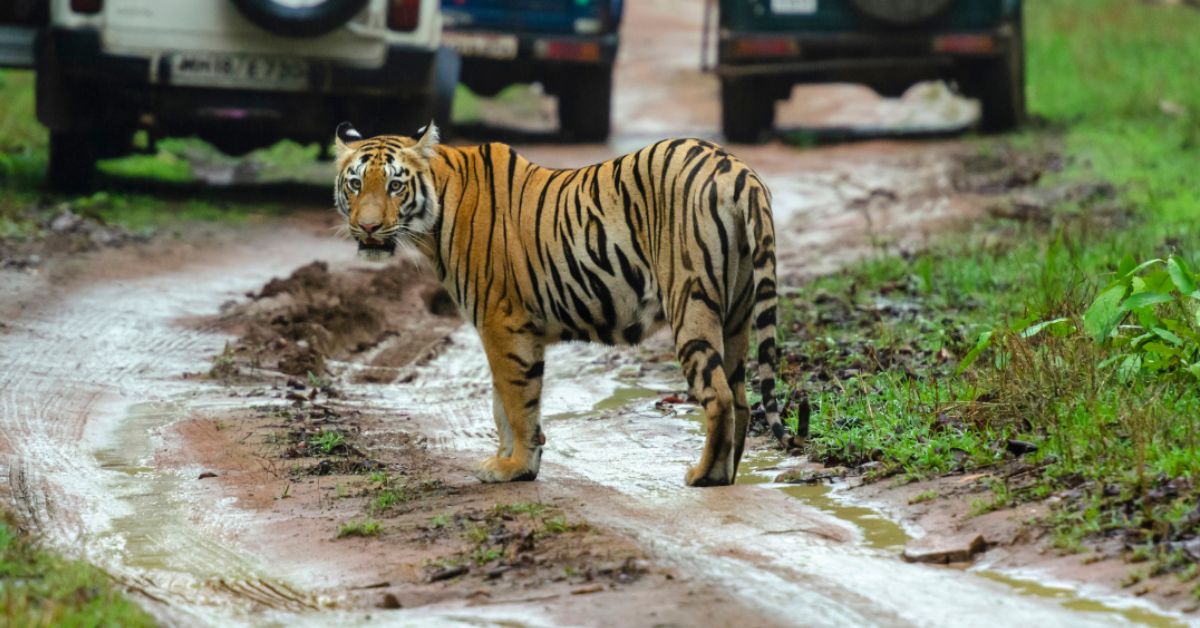
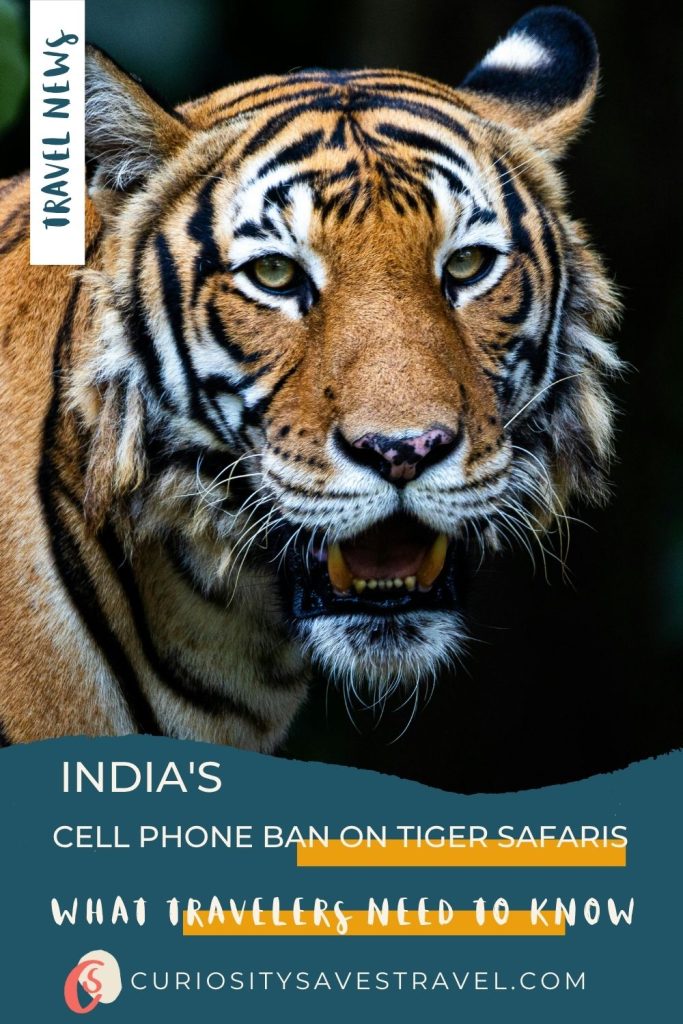
Are you curious about India’s new regulation for tiger safaris? India’s Supreme Court recently passed sweeping tourism legislation, including banning cell phone use in tiger reserves, such as Jum Corbett Tiger Reserve. The move aims to protect tigers from the impacts of tourism and enhance conservation efforts.
This ruling comes after years of pressure from conservation groups and tiger advocates, as tourism in protected areas has reached its breaking point. As the endangered Bengal tiger population had recovered thanks to ongoing conservation efforts, more people began traveling for tiger safaris, bringing increasing numbers of visitors into vulnerable habitats. The tiger population is once again on the decline. Poor tourist behavior was linked to excessive cell phone use, so India’s high court has taken action to protect the tigers.
With sweeping new policies passed in November 2025 coming into effect throughout 2026 and into next year, here is everything travelers need to know about the new cell phone ban for tiger safaris in India.
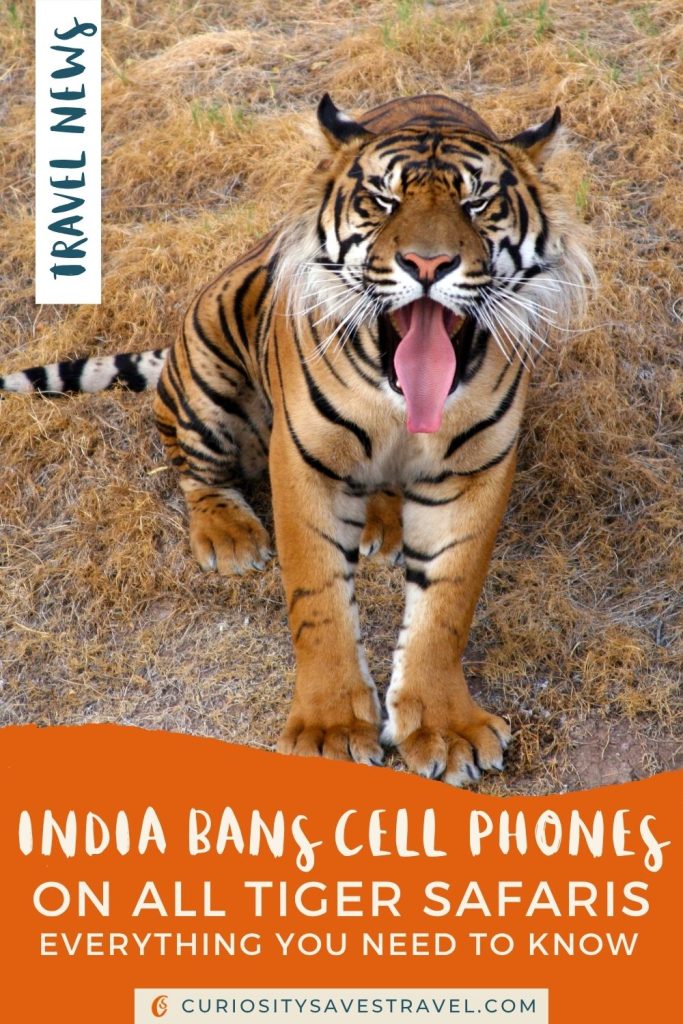
The recent Supreme Court ruling is strengthening and enforcing tourism regulations in protected tiger reserves. While there is a lot of focus on banning cell phone use in tiger reserves, India’s Supreme Court handed down sweeping tourism reform measures to safeguard tiger habitat and well-being.
With tourism and tigers both an important part of the national culture and economy in India, these protections target tiger reserves, particularly regarding tiger safaris and tourist behavior.
The goal is not only to enforce proper tourist behavior with cell phone usage, but also to support better regulation of tourism operators and overall tourism development.
What are India’s Tiger Reserves?
The population of wild tigers in India had become alarmingly low by the early 70s from habitat loss, poaching, and human-wildlife conflict. This prompted the government to establish a task force, which recommended the establishment of tiger reserves as part of the Project Tiger conservation movement.
The tiger reserves are comprised of a core area in a protected national park or wildlife sanctuary and a buffer zone, which is made up of a mix of forest and non-forested land, through which tigers can move to other protected areas.
In 1973, nine tiger reserves were established, and this number has since grown to 58. These tiger reserves were created to provide space for tigers to breed and express natural behaviors. They were set up in many different ecosystems suitable for use for the Bengal tiger’s life cycle. Guardian rangers were deployed to protect the tigers as well as monitor how well tigers and humans are coexisting in the buffer zones.
These tiger reserves were largely successful, with the Bengal tiger population nearly doubling. Unfortunately, since the 2000s, the tiger has once again begun trending downward, calling for urgent action once again.
About the Bengal tiger
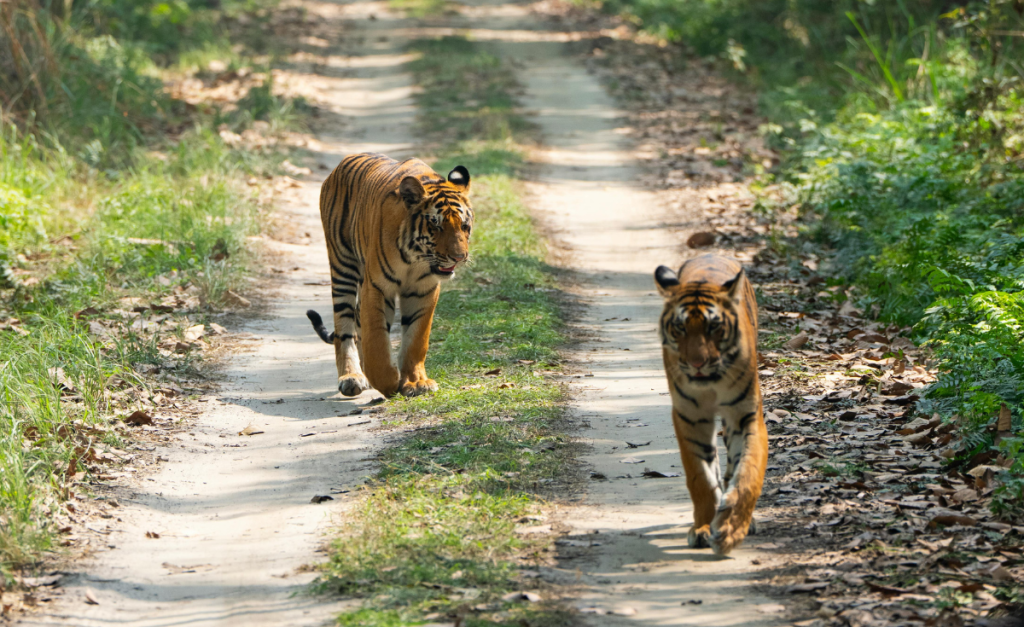
The Bengal tiger is one of the largest wild cats in the wild, found in India, southern Nepal, Bangladesh, Bhutan, and Southwestern China. It’s listed as Endangered in India, Nepal, and Bhutan, while it’s Critically Endangered in Bangladesh and China.
About 70% of the world’s Bengal tiger population can be found in India, where it is culturally important and protected. However, there is often a human-wildlife conflict with tigers and residents in rural areas who lose livestock to the animals, or even their lives. The tiger reserves and other efforts by Project Tiger have helped to increase wild tiger populations in India, although the rise in tourists coming to India to see tigers is also placing pressure on the animals.

What are Tiger Safaris?
As tiger populations recover, nature-based and eco-tourism ventures were widely established across the tiger reserves. The aim was to incentivize the economic benefits of healthy tiger populations to disincentivize poaching and deforestation.
Tiger safaris are simply like other safaris: a game drive through a tiger reserve where you might see tigers. Of course, sightings are never guaranteed, especially since tigers are so elusive and well-camouflaged. The guide and/or driver will usually be a local who’s well-versed in good spots where tigers might be seen.
Wait, weren’t tiger safaris helping conservation….
As tiger safaris grew in popularity, a safari tourism boom rapidly grew with some unintended consequences that threaten to undermine years of conservation work.
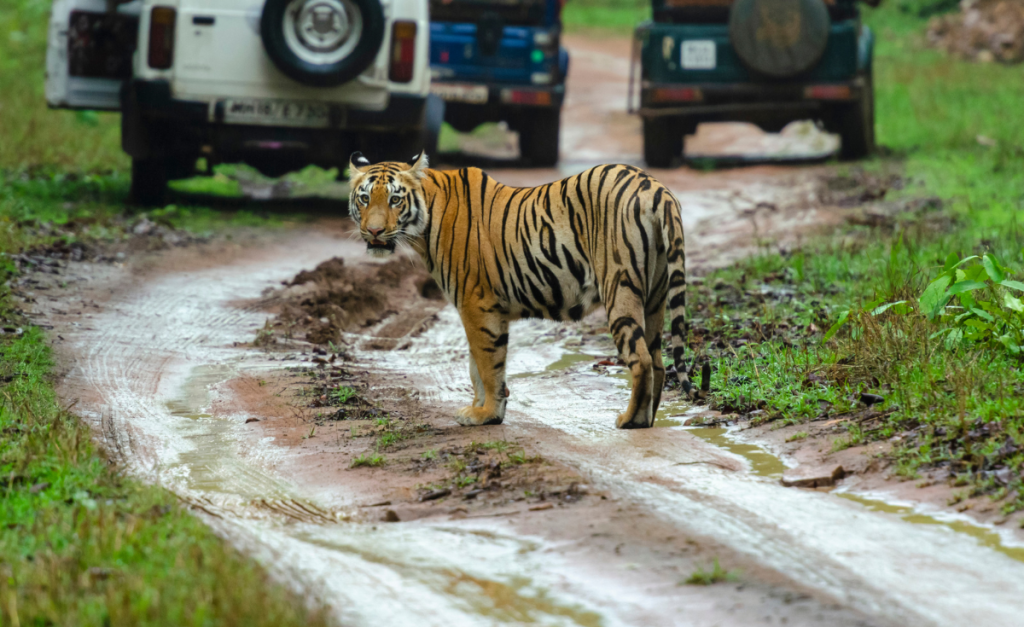
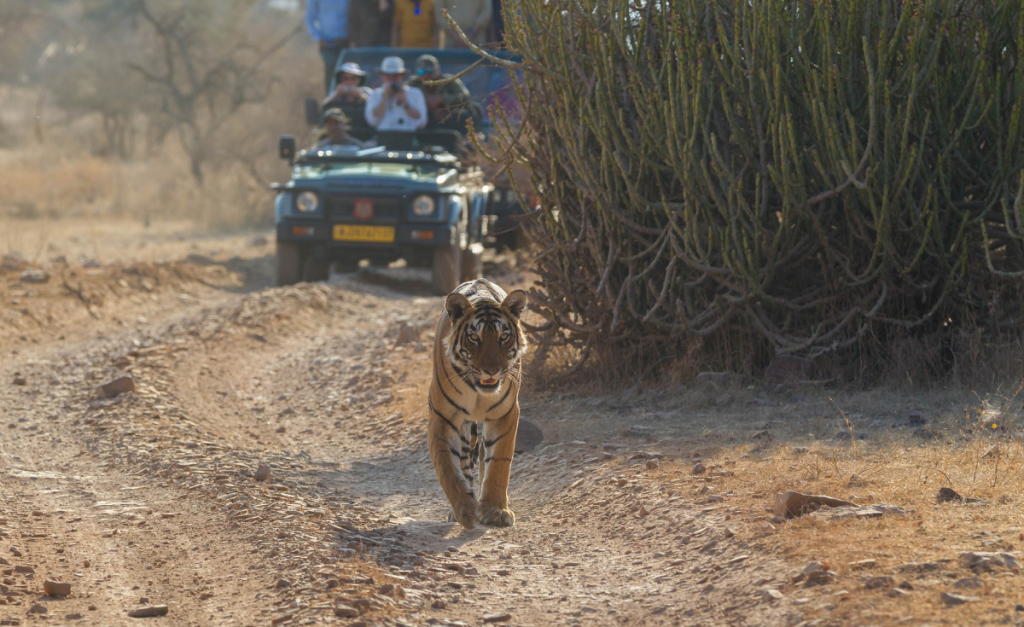
This unchecked growth has created a dangerous double-edged sword: the very animals being celebrated are now being overwhelmed by their own popularity. The relentless demand for hospitality infrastructure and new roads fuels habitat fragmentation right outside the core zones of protected areas. While dozens of safari cars can crowd one tiger, overwhelming and stressing them out.
Cell phones, in particular, were a key point of the Supreme Court ruling.
What’s the issue with cell phones?
At the heart of the Supreme Court’s intervention is an unprecedented battle against digital culture, as a new type of human-wildlife conflict emerges. Experts argue that the smartphone has fundamentally changed the traditional observational safari from a patient exercise in nature appreciation into a chaotic, high-stakes hunt for viral content, revealing the locations of tigers.
Sharad Kumar Vats, CEO of Nature Safari India, who operates ethical safaris, explained to the BBC why cell phones are a particular issue in tiger reserves.
“If people tag their photos, specific spots become known as the watering hole of the tiger with the new cubs, and everyone goes there,” he said. “But you have to keep that area as inviolate as possible. We have to maintain distances, and with mobile phones, that was becoming a problem.”
1. Geotagging and WhatsApp Location Tracking: Rather than relying on traditional tracking skills, drivers and guides have increasingly used real-time messaging groups to broadcast a tiger’s exact coordinates. The moment a big cat is spotted, dozens of nearby vehicles are digitally summoned to the location simultaneously.
2. This causes a“Safari Jam”. This instant crowding has turned quiet forest tracks into parking lots. A recent viral video, reported on by the BBC, captured inside Ranthambore National Park underscored the severity of the crisis, showing a visibly distressed tiger pinned between a chaotic swarm of idling jeeps, completely blocked by a traffic jam in its own home.
- It is not just the safari drivers and tour operators. Safari guests are sharing live locations of tigers with their friends or the local community. Location of vulnerable tigers like mothers and cubs is suddenly shared with the world, which includes poachers, tour operators, and regular people, putting both people and tigers at risk.
3. Selfies and short-form viral videos have contributed to a culture putting social media clout over conservation. Wildlife authorities have reported alarming incidents of attempting to step out of safari vehicles to get closer to predators for that “viral selfie.”
These issues led to a breaking point, putting the fate of tiger safaris in the hands of India’s highest court.
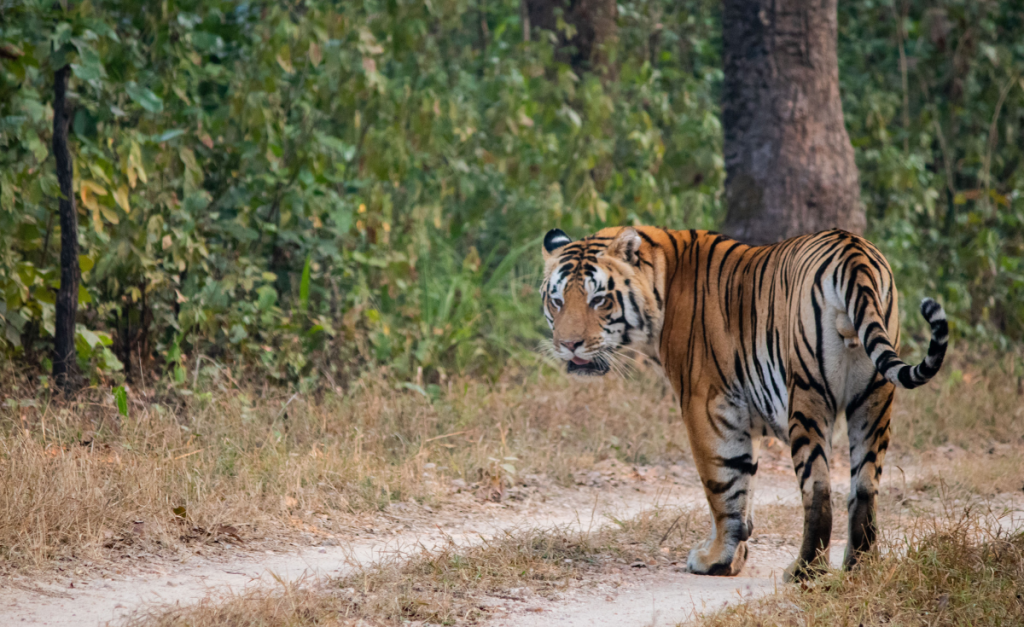
Supreme Court decision
All this led to the Supreme Court decision in November 2025, where many new rules and regulations will slowly come into effect throughout 2026, starting in Feb 2026, to protect tigers, including a ban on cell phone usage in core areas.
What is Included in the Supreme Court Decision?
The Supreme Court decision is not just banning cell phones on tiger safaris; it is also prohibiting certain activities within tiger reserves, and more closely regulating others to protect wildlife and ensure sustainability.
There are two main parts covered within the Supreme Court decision: Tourism development and tourist behaviour.
1. Tourism development / Operators
Tourism operators, safari guides and drivers, as well as larger companies like big hotel chains, are actually the focal point of this new regulation.
- Night safaris have been banned as tigers are ambush predators and tend to be more active at dusk and into the night.
- Development in buffer and fringe zones is to be regulated. Essentially, large hotel developments or tourist facilities in fringe or buffer zones will be restricted to prevent more habitat loss and fragmentation.
- Instead, the government of India will support the development and utilization of small local homestays and small community-led facilities.
- Vehicle numbers will be limited, with more dedication given to the enforcement and regulation of tour operators and carrying capacity.
- Tour operators can only carry a phone for emergencies and not for personal communication and location sharing.
- Zero-waste practices should be mandatory.
Overall, there will be a shift away from mass over-tourism toward smaller, more ethical, and local experiences.
Regulating Tourist Behavior
Sometimes tourists’ behavior needs to be heavily regulated and enforced for the protection of sensitive environments.
- Cell phones have been banned in tiger reserves and will roll out to parks across India in 2026.
- Safari guests are banned from real-time location-sharing services like WhatsApp and geotagging.
Aims to shift the tourism mindset from only wanting to see single tigers for selfies and viral photos to a more immersive and meaningful tourism experience.
The Supreme Court ruling also addressed activity unrelated to tourism, such as industrial activities, to further protect tigers.
What Parks are Covered?
The Supreme Court’s directives and recommendations are to be applied on a “pan-India basis” – meaning they are likely to apply to all 58 tiger reserves. However, the implementation is starting with nine major tiger reserves. More reserves are expected to follow after the 2026 monsoon season.
The ban on cell phones specifically applies to core areas in these major tiger reserves.
What Does This Mean for Travelers?
If you are planning a tiger safari in the near future, what does this mean for you? What do travelers need to know? Basically, you can expect stricter adherence to the rules from tiger safari operators, including the specific ban on cell phone use. You should also prepare to leave your phone in a secure lock box or keep it hidden.
- Cell phone use is not allowed in the reserves.
- In some parks, like Corbett, you will be required to leave your cell phone in a secure lock box at the entrance.
- Overnight guests can leave their phones at their accommodation during the safari and will get them back when they return to their accommodation.
- Visitor expectations for tiger safaris need to change – don’t expect tiger selfies, viral reel creation, geo tagging, or even guaranteed sightings
“The new guidelines are being prepared to ensure strict implementation of the court’s directions,” said Dr Saket Badola, Director of the Corbett Tiger Reserve. “Under the new system, tourists will be required to deposit their mobile phones at the entry gates before entering the forest.”
However, don’t think that this ban means a ban on photography! The ban is specifically for phones that can communicate with others during the safari or through geotagging and live location sharing. Physical cameras that aren’t part of a smartphone are still very much allowed in the tiger reserves.
How Will All This Be Regulated?
India is committed to regulating these new laws through the following measures:
- Phone collection may be required at the gates
- Spot checks inside parks
- Guide/driver accountability
- More staff at entrances, along with random checks throughout the parks
What happens when tour operators and tourists don’t follow the rules? Mostly, the tour operators will be punished by the following:
- Entry bans for guests
- Fines can fall on tourists and tour operators
- Cancellation of safari permits and operational licenses
How Can Travelers Do Their Part? Be Informed and Do Research!
Travelers need to know these rules and ensure that they and their operators are following them. Aside from the regular India National Park dos and don’ts, here are some other ways to be sustainable and ethical when planning a tiger safari in India:
- Book homestays and small guest houses. These smaller establishments put less pressure on the environment and help support the local community.
- Avoid large hotel chains as they generally cause more habitat loss and fragmentation.
- Book with a certified tourism operator committed to these rules and tiger well-being (GSTC certified is a good place to start).
- Book with local guides and tour companies that are committed to the environment and tiger welfare.
- Communicate your desire to follow the rules before you go on safari. I typically send an email with how important animal welfare is to me.
- Don’t book with companies that promise sightings.
- Mentally prepare to leave your phone behind. Guides can lose their license if you are unwilling to comply.
- Look for ways to support conservation and learn more about tigers.
Implications for global wildlife tourism?
This landmark decision in India will hopefully lead the way for more countries to follow suit and perhaps use cell phone bans to combat phone issues within wildlife tourism.
Of course, we all want to take photos to remember the excitement of seeing wild animals in their natural habitat, but there’s a difference between waiting patiently to get an amazing photo and putting unneeded stress on an animal because you just want a selfie (and so do the 20 other people crowding around).
Make sure you also check out this guide to all the amazing animals you can see in India, not just tigers!
Watch the Full Story on YouTube
Comment and share India’s ban on cell phones on tiger safaris
India is definitely setting a great example around wildlife regulation with the latest Supreme Court decision regarding tiger safaris. With stricter rules around photography, vehicle use, and even new construction around the country’s tiger reserves, the beautiful Bengal tiger will hopefully continue to increase its wild populations.
And those wild tigers need to be supported by humans, rather than harassed for the sake of selfies!
What do you think about India’s recent Supreme Court decision and cell phone ban? Have you ever been on a safari? Let me know in the comments what your thoughts are, and don’t forget to share this with others who you think might be interested.

Curiosity Saves Travel Recommends
Accommodation: Booking.com to find accommodation with a Genius Discount and clear third-party sustainable certifications like Green Key. Look for local hotels.
Tours and Excursions: GetYourGuide and Viator for tours, excursions, and tickets. Never book wildlife experiences through these vendors.
Travel: Omio for booking buses and trains in English across Europe. After reducing the number of flights I take annually, I use Google Flights’ carbon comparison tool.
Car Rental: Rentalcars for the best rates in English globally. It is easy to find hybrids and EVs, and there are resources for finding chargers.
Packing Essentials: REI or your local Co-op has great essentials like reusable water bottles and cutlery sets. Patagonia for regenerative clothing. Farm to Feet for socks made with regenerative practices! Pistil Designs for cold-weather essentials. Osprey for bags that last 10+ years, like the day bag for hiking or my favorite carry-on.
eSIM: Airalo eSIM. Reduces waste from single-use SIMs. A total game-changer.
For Bloggers and Content Creators
Earn Ad Revenue with Journey by Mediavine
Earn with Stay22 Travel Partnership (my biggest source of income!)
Earn with TravelPayouts recommending tours and activities.







This sounds like a good thing. I hope it helps the tigers, that they get more rest and freedom in their own home. Haven’t been to India yet, but if I go I hope to go on safari in these parks and hopefully see a tiger. However I know it can be that you don’t see tigers.
I love that way of thinking about it, rest and freedom in their own home. I think this can foster a more calming tiger safari for both tigers and guests! And I do hope you have the chance to see a wild Bengal tiger in the future.
A great reminder to respect and protect wildlife.
This was a great read! I’m glad they’re working to protect the tigers. I would love to see something like this happen at Assateague Island in Maryland. I was extremely disappointed by people’s behavior when I went. There’s already a rule in place to stay 40 feet away from the horses, but I saw people getting almost right up in the horses’ faces for photos. I do think that social media has made this behavior much more prevalent.
Oh wow, I never really thought of this as being an issue in somewhere like Maryland, but I can see how this would be an issue around wild horses. I do think if people didn’t get views and likes from creating contentious content they would be much more willing to put the phone away and observe. I do think India will struggle a bit with regulating these new laws, similar to what you have in Maryland. We need both rules and regulation and enforcement to ensure everyone is doing their part to help wildlife. Thanks for your meaningful comment!
I love this! I also think more places should ban cellphones. People have become so addicted that they don’t pay attention to the attraction and even run into people because they aren’t watching where they’re going.
It is such a passive thing too, to only remember an experience because of looking back at a video you took, but not because you were present and taking time to enjoy the moment in the first place. I am all for more places encouraging people to put their phones away too.
La décision de l’Inde d’interdire les téléphones portables lors des safaris dans les réserves de tigres est une mesure importante pour minimiser le stress des animaux et réduire les perturbations liées au tourisme. Cependant, il serait utile d’accompagner cette interdiction par une sensibilisation accrue des visiteurs sur l’importance du silence et du respect des habitats naturels. Par ailleurs, le contrôle strict de l’usage des appareils photo et le développement de guides formés à la faune locale peuvent renforcer l’impact positif de cette réforme. Ce type d’initiative montre que le tourisme responsable peut évoluer vers une coexistence plus harmonieuse entre humains et espèces protégées.