
COP29 and Onwards: Tourism Days and Climate Action at the Conference of the Parties
I may earn income from affiliate links or partnerships in this post. I spend time to curate tours or products that align with my values. Thanks for supporting my work, at no additional cost to you. All words and images on this website are created by real people.

Are you curious about the future of the tourism industry concerning climate change at a global level? As travelers, staying updated on everything happening in tourism at key global discussions is vital. The industry’s future, trends, and policies that impact us as travelers are determined in settings like COP, aka the Conference of the Parties to the UNFCCC (United Nations Framework Convention on Climate Change).
Tourism has the potential to help countries achieve their social, economic, and environmental targets, contributing to the Sustainable Development Goals. However, poorly managed tourism can detract from these goals.
As engaged travelers, the more we understand the climate, landscape, and plan for future changes, the more we can help tourism-reliant countries deliver on their goals of improving people’s lives, protecting biodiversity, and commitments made at COP. Doing so ensures tourism remains a powerful, positive force while providing better quality experiences.
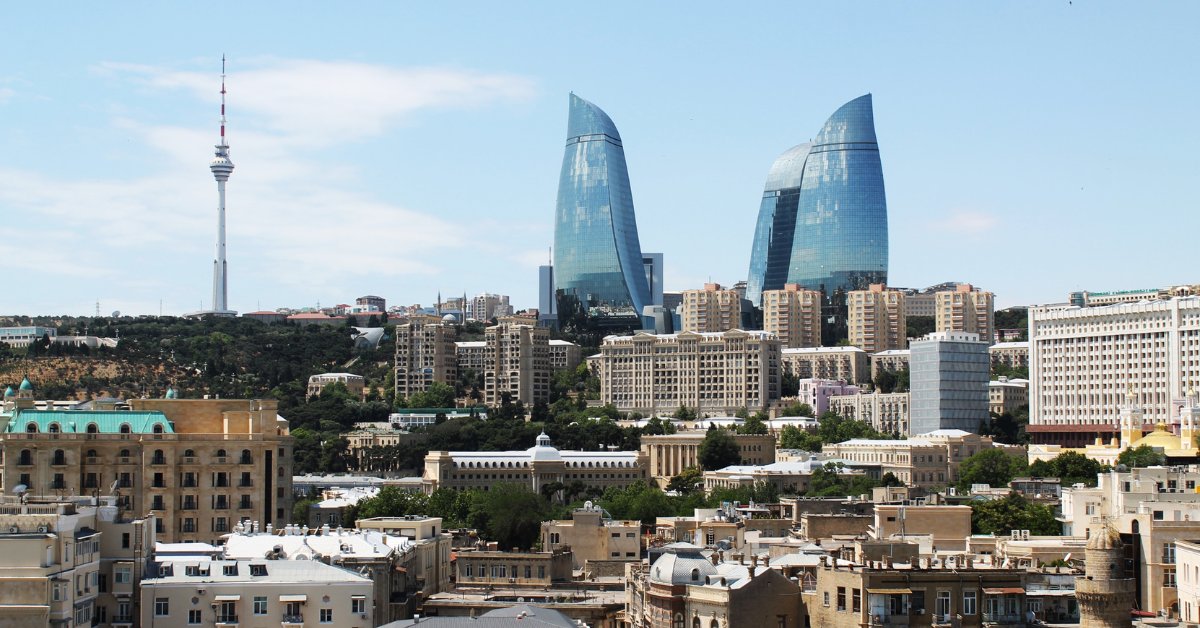
The 29th Conference of the Parties to the UNFCCC, or COP29, was held in Baku, Azerbaijan, in November 2024. As usual, the annual event made headlines for its watered-down compromises, which failed to deliver the urgent action necessary to address climate change.
However, in a first of its kind, Baku hosted an academic day on climate action in tourism. The event delivered some hopeful outcomes for strategic climate action in the tourism industry. Tourism took center stage as a presidential initiative for the first time, manifesting as “Tourism Day.” This was the culmination of years of advances in tourism at COP and set the stage for two Tourism Days at COP30 in Belém, Brazil, in 2025.
If you’re curious about everything related to tourism historically presented at COP, including COP29 and COP30 and beyond, why it matters, and the key talking points on tourism and climate change, I’ve got you covered!
What is COP, or the Conference of the Parties?
The Conference of the Parties (COP) is an annual meeting of the nations that signed the United Nations Framework Convention on Climate Change, essentially everyone represented by the UN. COP1 was instrumental in bringing the UN members together for the first time to strategically tackle climate change through global negotiations, policies, commitments, and target-setting.
Each COP examines the socio-economic and political barriers to addressing climate change and determines global support for mitigation and adaptation while setting binding targets, goals, and agreements.
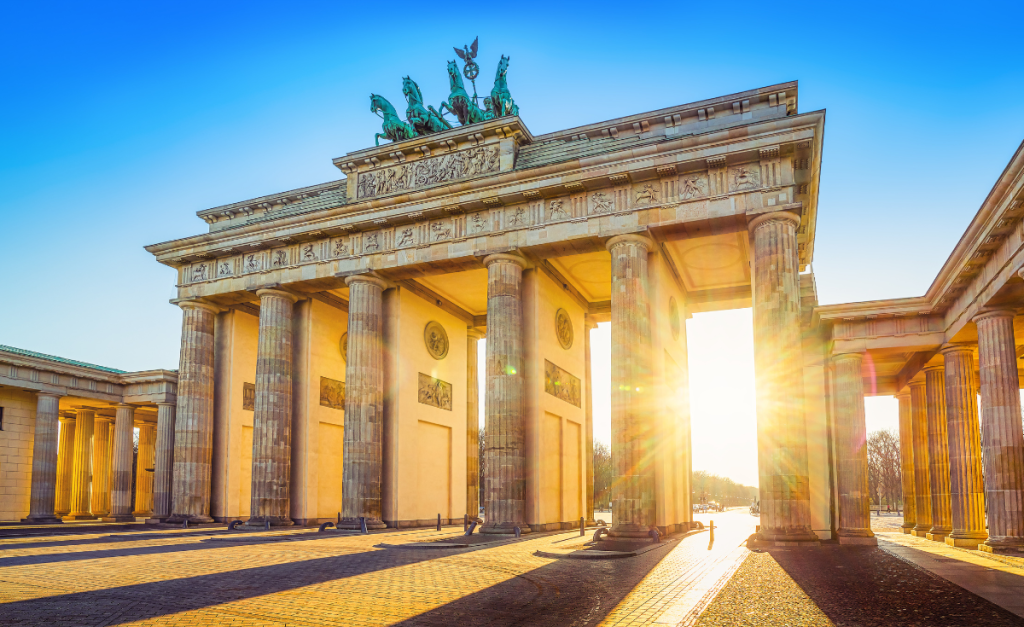
The first Conference of the Parties was in Berlin, Germany, in 1995. Since then, every year except 2020 (due to the pandemic), the UN member states have come together in person to build on the previous years’ work. During the event, countries negotiate terms that may result in a successful and binding agreement or a lukewarm compromise. Though occasionally, the parties walk away without a binding agreement and leave loose ends until the following year.
The event almost always receives criticism for the parties’ inability to make tough decisions about climate change. There is also a notable divide between oil-producing countries and non-oil-producing, developing and developed economies, as well as the global north and south. These groups are usually at odds regarding how to address climate change and the severity of the issues.

If you’re unfamiliar with COP, you’ve likely heard of some of the lasting legacies from the meetings. The most notable COP outcomes that you’ve likely heard of are:
- COP3: The Kyoto Protocol, 1997, where the UN agreed for the first time to a binding international climate agreement for a 5% (average) reduction in emissions based on 1990 levels over 10 years. The EU cut emissions by 24%!!
- COP15: Copenhagen Accords, 2009. On the last day, the Copenhagen Accords were presented after failed negotiations. While not legally binding due to its last-minute nature, it marked the importance and urgency of keeping global warming below 1.5°C to 2°C.
- COP21: The Paris Agreement, 2015, put COP on the map for many of us as my generation became increasingly aware of worsening climate concerns. The first legally binding treaty to limit global temperature increase to 2°C, aiming for less than 1.5°C.
- COP26: Glasgow Climate Pact, 2021. Significant for two reasons. First, accelerating the goals of the Paris Agreement by phasing down coal and increasing climate financing. The second was the non-binding agreement between tourism stakeholders, the Glasgow Declaration on Climate Action in Tourism, more on that shortly.
This set the stage for tourism to take on an increasingly important role at the Conference of the Parties with COP29 in Baku, including a full day on tourism.
But, first, let’s look at tourism’s role and relationship with the Conference of the Parties over the years.
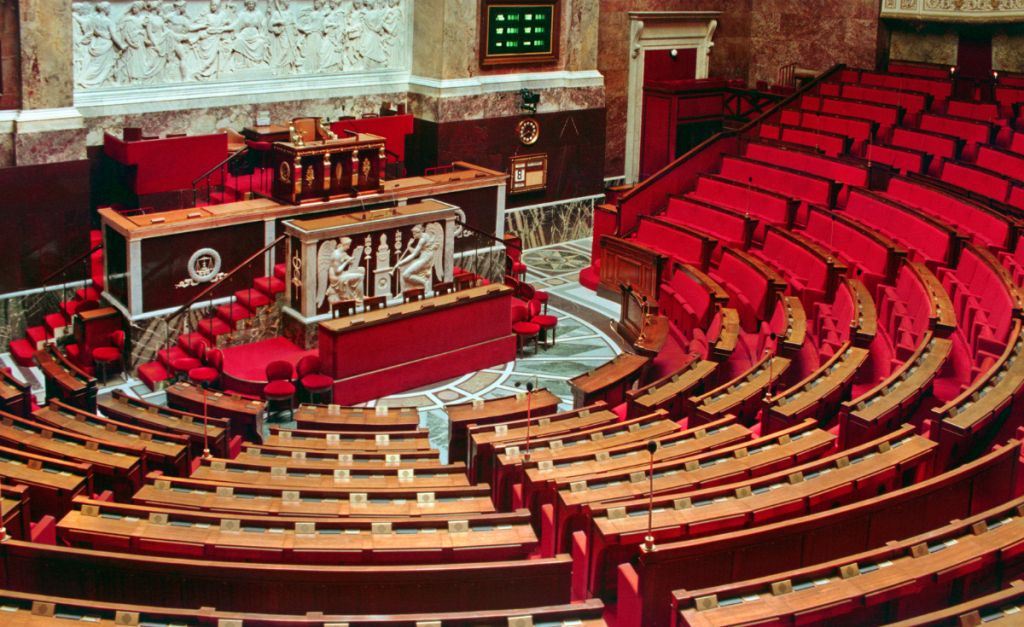
COP, Tourism, and Climate Change
Since 2019’s COP25, held in Madrid, Spain (hosted by the Chilean presidency), tourism has become increasingly discussed at COP events. At COP25, tourism was recognized for its significant global role in supporting (or detracting from) international climate goals.
Why give tourism a seat at the table?
Tourism is increasingly recognized as a transformational industry with immense influence and power—for better or worse.
At least 8% of global greenhouse gases (Lenzen, 2018) are from tourism, highlighting its large contribution to climate change. To reduce emissions, we need tourism in on the solutions.
By contributing more than 10% of the global GDP in 2019, tourism’s economic contributions can help fund and incentivize conservation.
Beyond financial contributions, though, well-managed regenerative tourism can help restore and heal ecosystems and culture. It is an industry that connects us to people and places and can foster meaningful action toward every one of the Sustainable Development Goals, like alleviating poverty.
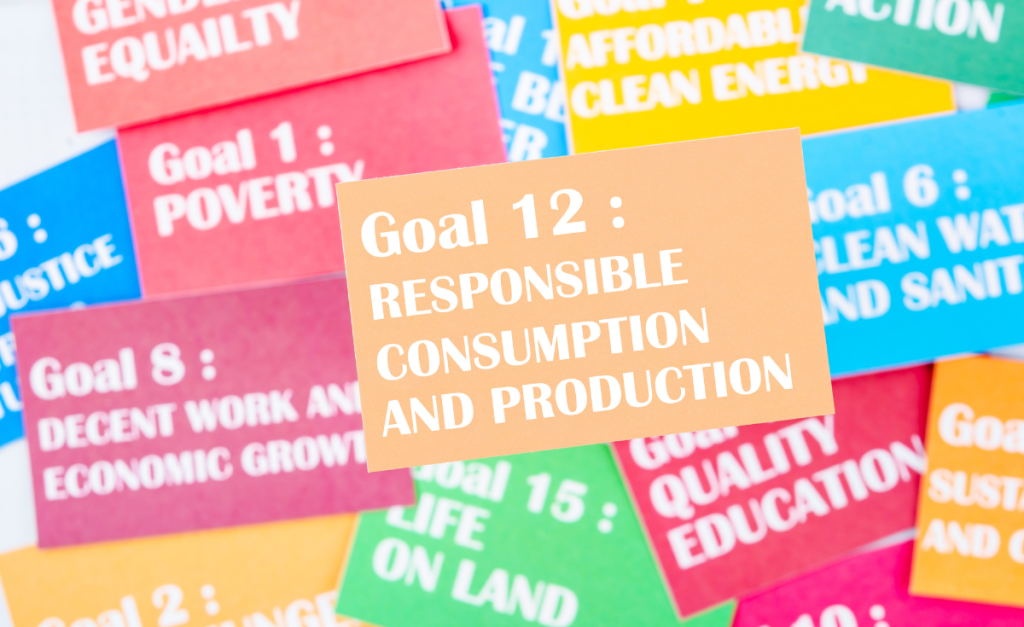
Tourism is also a vulnerable industry in the era of climate change. In recent years, we’ve seen the Acropolis close due to extreme heat, flights canceled due to extreme weather, colorful and vibrant fish lost at our favorite snorkeling spots, fires and flooding destroying hotels… the list goes on. Tourism contributes to and is impacted by climate change.
There is no denying that tourism and climate change are intrinsically linked, highlighting that tourism needs to work in tandem with other sectors and industries to align with global targets rather than against them.
Historically, tourism has operated largely unregulated within its own sphere. But if we want to cut emissions, alleviate poverty, conserve biodiversity, and achieve the other goals outlined each year in the COP, we must harness tourism’s potential and hold it to a higher standard.
Glasgow Declaration on Climate Action in Tourism
It wasn’t until 2021, at COP26, that tourism again played a pivotal role at a COP. This was a unique role. Instead of an international agreement, individual tourism-associated organizations, corporations, tour operators, airlines, and destination managers, big and small, signed the Glasgow Declaration on Climate Action in Tourism, a non-binding agreement to reduce emissions and meaningfully deliver on sustainable development goals.
Those who signed agreed to submit a climate action plan outlining their viable path to cut emissions by 50% by 2030 and reach net zero by 2050.
The declaration also fosters a collaborative approach to tourism with a network of educational tools and resources. For example, signatories can access methodologies to help them understand and measure their emissions. These tools enable tourism stakeholders to understand, report, and reduce emissions using evidence-based and science-based methods.
This declaration kicked off a decade of climate action in tourism, bringing the industry in on a multi-sector, multi-national plan to address climate change.
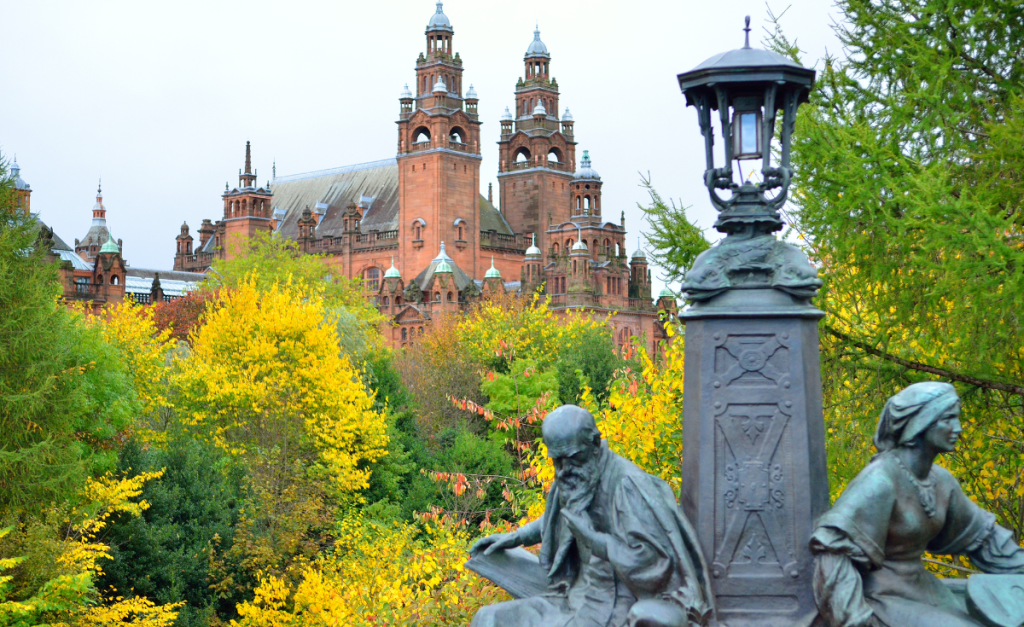
It is not too late to join! You can become a signatory if you are a tourism business, organization, group, or partner.
COP29: Baku Day of Tourism and Climate Change
COP29 in Baku was built on the momentum from Glasgow in 2021.
The thematic day of climate action in tourism, or Tourism Day, was dedicated to educating the industry about climate solutions. While Glasgow saw individual businesses commit to climate action, Tourism Day at Baku brought the discourse surrounding tourism’s vital role in climate action to a national and international level.
Zurab Pololikashvili, the Secretary-General of the United Nations World Tourism Organization (UNWTO), said, “For the first time, the Action Agenda of the UN Climate Change Conference of the Parties has included tourism. The First Ministerial Meeting on Enhanced Climate Action in Tourism marks a turning point when ambition meets action and vision transforms into commitment. At COP29, the global tourism sector made clear its commitment to positive transformation for a better future for our planet.”
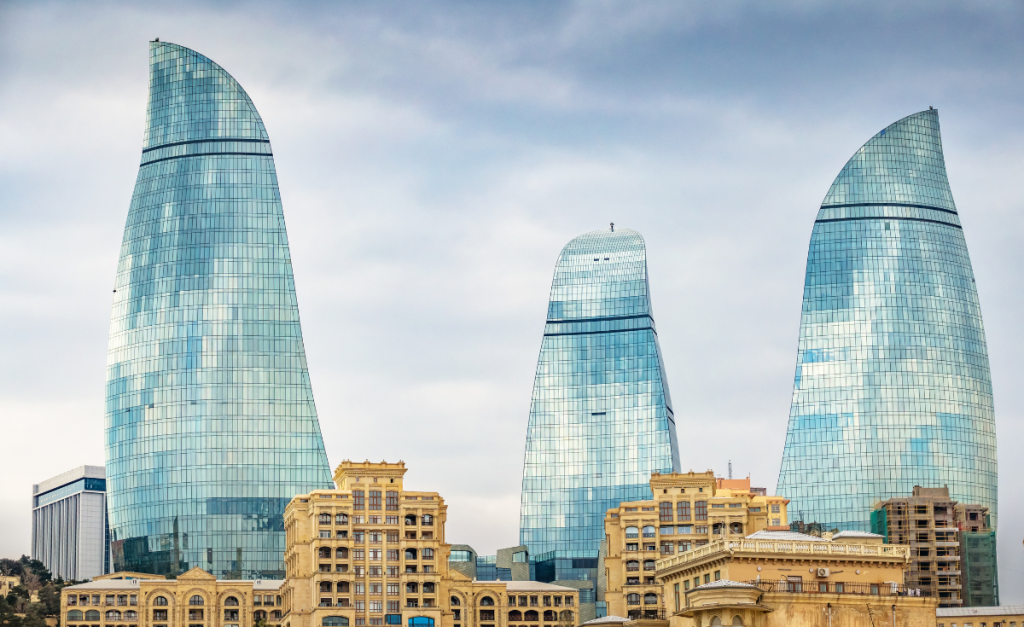
At Baku, 50 countries endorsed a proposal called Enhanced Climate Action in Tourism, building on the Glasgow Declaration in Tourism.
Along with this, several key things happened at Tourism Day, which brought together more than 700 key stakeholders, including academics, policymakers, and people working in the private tourism sector:
1. How to Measure Sustainability
Since the UN’s Year of Sustainable Travel in 2017, sustainability in tourism has been a key focus. However, measuring sustainability has been a bit of a gray area. The lack of clarity regarding what sustainability means in tourism has left it open to interpretation, contributing to intentional and unintentional greenwashing.
Pololikashvili presented the Statistical Framework for Measuring the Sustainability of Tourism (MST) at COP29. The MST is a newly agreed-upon reference for measuring tourism’s economic, social, and environmental aspects.

One of the most important things this tool does is that it goes beyond examining GDP and economics. It provides a way for countries to measure and ensure that tourism on the ground contributes to improving people’s lives and nature, now and for generations to come.
2. Climate Financing in Tourism
As tourism aims to reach net zero by 2050, the required innovation, adaptations, mitigations, and alterations will be costly. To be clear, the cost of not doing this will be substantially higher. Climate change costs the world $16 million per hour; however, thinking ahead and down the road requires foresight in climate financing, which can be hard to gather support for.
The talks in Baku addressed the need to unlock financing for a just transition in the tourism sector. Not much progress was made here, but it set the ball in motion for future COP talks to discuss sustainable tourism financing.
3. Tourism Food for Good Initiative
Global food systems were in focus at COP29, so Tourism Day looked at how sustainable food solutions in tourism can support climate goals around food waste, methane and other greenhouse gas emissions, regenerative agriculture, and circular food systems.
The Food for Good Initiative builds on an existing UN roadmap for reducing food waste in tourism.
One-third of all food produced is wasted—whether discarded for not being aesthetically pleasing, expired on the supermarket shelf, or spoiled in your fridge. As individuals, we waste 1 billion tonnes of food annually, contributing 8-10% of greenhouse gas emissions, primarily methane, the deadliest GHG.

Hotels and cruise ships significantly contribute to food waste. Cruise ships typically generate 1.3 pounds of food waste per person per day, which, on a 6,000-passenger cruise ship, can yield 24 tonnes of wet waste (including food waste) or 110 dump trucks. These numbers have initiated a food waste reduction race, if you will, with many cruise lines aiming to cut food waste by 50% using better management systems and enhanced technology.
4. Carbon Measurement in Tourism
The tourism industry’s intricate network of sectors, including transportation, logistics, agriculture, and construction, makes assessing its overall carbon emissions challenging.
Carbon measurement was discussed at four different levels in Baku to help clarify emissions understanding and reporting.
- Tourism’s Emissions Globally: To understand the scale of the challenge in our efforts to reach net zero by 2050.
- Tourism’s Emissions Nationally: Understanding how tourism operations at a national level can contribute to a country’s emissions can also help policymakers make more informed decisions about regulating tourism to help achieve climate goals.
- Tourism-Associated Businesses Emissions: Holding tourism operators and businesses accountable requires understanding their emissions, ensuring transparency, and requiring their commitment to emission reduction targets.
- Product Labelling Level: Most average travelers don’t fully comprehend the industry’s direct and indirect contributions to climate change. Travelers can make more informed and sustainable choices by ensuring transparency, clarity, and labeling.
COP29 aimed to make measuring emissions easier and more transparent across these four areas. However, measuring is just the first step. To deliver on emission reduction targets, COP29 acknowledged that technological changes, revised business models, financing, policies, and behavioral changes must follow.
I love the focus on these four key areas. For the first time, the burden of reducing emissions in the industry is placed on the right shoulders, along with those who can make meaningful changes.

Progress on the Glasgow Declaration
At Baku, we also looked at the progress made in the past year on the Glasgow Declaration.
Since 2023, more than 200 new signatories have added their names to the Glasgow Declaration in Tourism. The Day of Tourism put a spotlight on tourism at a global level, as 58 signatories were on this day alone, including destination Canada – welcome to the party. Today, there are more than 900 signatures, and it is still growing.
Since COP26 in Glasgow, 370 signatories have submitted their action plan well before the five-year mark. If you recall, signatories need to provide action plans and 5-year updates on their plans.
COP30 Brazil Tourism Thematic Days
Following the introduction of a Tourism Day at COP29, COP30 built on the momentum from Baku with two dedicated Tourism Thematic Days. The focus this year was on solutions for a low-carbon and climate-resilient tourism sector.
UN Tourism Executive Director Zoritsa Urosevic said: “Climate change is now one of the defining forces influencing the future of tourism, requiring faster advances in decarbonization, adaptation and regeneration, but most importantly investment required for the Net Zero transition. Our sector must align climate action with innovative approaches to strengthen resilience and ensure tourism’s competitiveness in the decades ahead.”
A special signing ceremony of the Glasgow Declaration on Climate Action in Tourism took place during these days, with more signatories adding their names and signaling their commitment to climate action.
The main takeaways for tourism at COP30 included:
- The inclusion of a Plan for Accelerated Solutions (PAS) for the tourism sector under the UNFCCC High-Level Climate Champions to scale up solutions and access to finance, following on from the COP29 Declaration on Enhanced Climate Action in Tourism.
- Sessions exploring how destinations can integrate climate-risk data and adaptation measures into tourism planning.
- Pathways to accelerate alternative fuels, scale reforestation, restore corals, and pilot blue carbon projects.
- A public call to advance “Regenerative Approaches to Climate Action in Tourism.”
The Future of Tourism at COP
Securing Tourism’s legacy at COP events in the future was solidified at Baku’s first-ever full-day focus on climate solutions and action in tourism. The State Tourism Agency of Azerbaijan signed a letter of intent to create a framework for permanent representation of tourism at events in the future.
We say that the Manifest in Belém, Brazil, with two thematic days of tourism, was held in order to continue driving the sector toward a low-carbon, sustainable, resilient, and even more regenerative future.
As for COP31, which will be held in Antalya, Türkiye, in 2026, no thematic tourism days have been announced yet, but I think it’s safe to assume that they will remain, and I’m excited to see what makes the agenda this time!
Comment and Share COP and Tourism
Tourism’s role in global discussions is increasingly essential. As the industry grows in size and influence, so do its contributions to climate change. However, bringing tourism into climate discussions, like at COP29 in Baku and COP30 in Brazil, empowers countries to achieve emission reduction targets and harness tourism’s potential to deliver on the Sustainable Development Goals.
Shining a spotlight on tourism for a full day at COP29 brought a focus on achieving climate actions and solutions in tourism. The United Nations World Tourism Organization presented frameworks and tools enabling countries and tourism stakeholders to measure emissions and sustainability in tourism with more transparency.
COP30 saw an increase in the attention given to tourism’s role in climate change, with two whole thematic days focused on how the tourism industry can work towards a climate-resilient sector.
I’m excited to monitor the future role of tourism at COP events.
- What are your thoughts on bringing tourism into these key global discussions?
- As a traveler, how do you think this might impact you?
Curiosity Saves Travel Recommends
Accommodation: Booking.com to find accommodation with a Genius Discount and clear third-party sustainable certifications like Green Key. Look for local hotels.
Tours and Excursions: GetYourGuide and Viator for tours, excursions, and tickets. Never book wildlife experiences through these vendors.
Travel: Omio for booking buses and trains in English across Europe. After reducing the number of flights I take annually, I use Google Flights’ carbon comparison tool.
Car Rental: Rentalcars for the best rates in English globally. It is easy to find hybrids and EVs, and there are resources for finding chargers.
Packing Essentials: REI or your local Co-op has great essentials like reusable water bottles and cutlery sets. Patagonia for regenerative clothing. Farm to Feet for socks made with regenerative practices! Pistil Designs for cold-weather essentials. Osprey for bags that last 10+ years, like the day bag for hiking or my favorite carry-on.
eSIM: Airalo eSIM. Reduces waste from single-use SIMs. A total game-changer.
For Bloggers and Content Creators
Earn Ad Revenue with Journey by Mediavine
Earn with Stay22 Travel Partnership (my biggest source of income!)
Earn with TravelPayouts recommending tours and activities.


Thanks so much for sharing Sooz, I had no idea that they included tourism at these talks now. I was at Paris for COP21 but have been fairly disengaged with the process since. I’m curious how these actions filter down and get actioned. If you have any specifics to share it would be cool to see.
COP can certainly be frustrating with a lot of promises and most countries and international bodies failing to deliver, I can see why you might be disengaged haha. But, I do think tourism’s increasing role in these talks will be key. These standards get tricked down through the likes of the UNWTO, that sets guidelines and standards for UN member nations to then implement regarding tourism at a national level. It does require regulation, and incentivization to get individual tourism stakeholders to make the changes. At the same time any tourism operator, business, DMO, that chose to sign the Glasgow Declaration is self motivation to reach the targets outlined in the declaration with their own road maps and action plans. Hopefully that answered your question.
It is very interesting to read how the impact of tourism will be measured in relation to climate change, and I wasn’t aware that the COP29 was held in Azerbaijan. A state that has gas and petroleum as its major industries… and has a bit of a reputation here in Germany from the Azerbaijan affair, relations (or rather non-relations) with Armenia and being an ally to current Russian politics. So I am finding it difficult to give any of their resolutions a lot of credibility, on a personal level. Very interesting food for thought about making tourism more sustainable which, as someone who flies regularly, is probably sounding a bit hypocritical. Anyway, Azerbaijan was an … interesting choice of venue, just like Sharm-el-Sheikh couple years ago when thousands descended on the Sinai desert for a similar conference. Have they ever heard of video conferencing?
Great to read your thoughts and perspective. COP is held in a different UN country every year, and they are all given equal opportunity to participate and host. I don’t necessarily think where COP is held impacts its merits and results, but rather the failures come from a global inability to make the tough choices we need for climate mitigation, adaptation, and emission reductions and shift away from oil and gas lobbying. While COP29 certainly failed to deliver some strict climate financing for developing economies, the tourism initiatives presented at Baku were very much necessary and I hope next year continues to build on that.
This was such an important piece to read – THANK YOU for putting this together and also highlighting that tourism is part of the climate crisis so it should work to contribute to the solutions as well. I’m going to be keeping my eye out for Tourism Day in 2025!
I completely agree tourism certainly contributes to climate change and has largely remained unregulated. It is time to bring it in on solutions.
Great post , thank you for sharing.