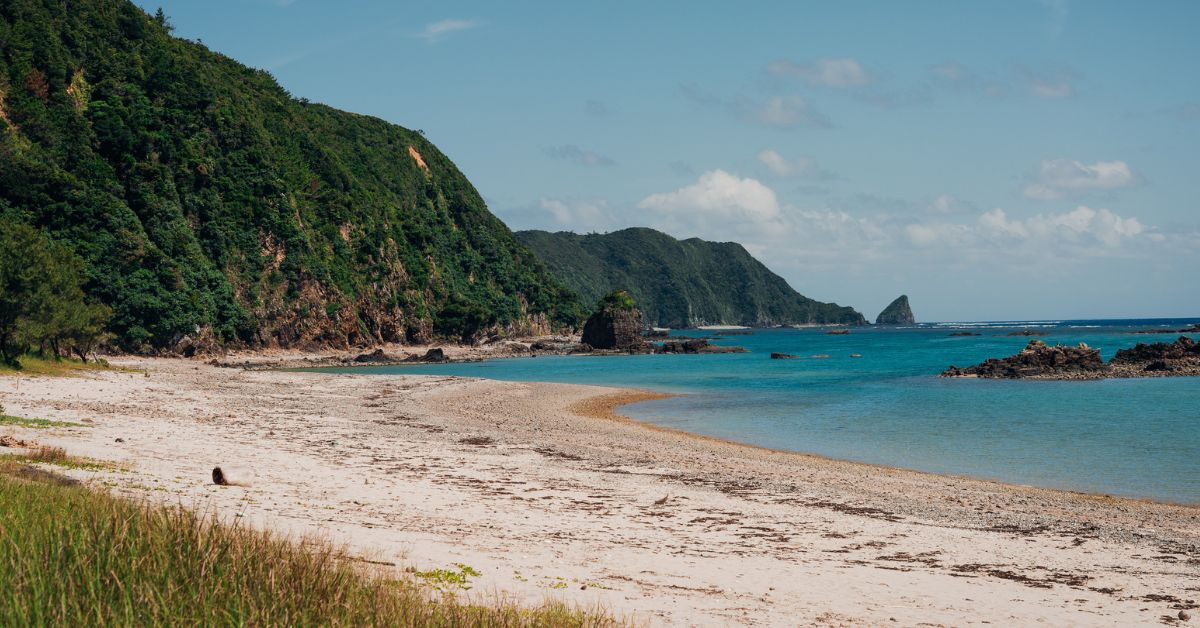
One-Week Okinawa Itinerary and Things to Do
I may earn income from affiliate links or partnerships in this post. I spend time to curate tours or products that align with my values. Thanks for supporting my work, at no additional cost to you. All words and images on this website are created by real people.
Are you heading to Okinawa, Japan, and curious about how to spend 7 wonderful days? The main island of Okinawa is much larger than it might seem. Okinawa packs a lot into stunning coastlines, lush native forests, beautiful blue beaches, ancient Indigenous ruins, and complex socio-political history. Spending at least 7 days allows for a taste of Okinawa’s mainland with a chance for a day trip to two smaller islands.
With so much to do on Okinawa, you could easily spend weeks slow travelling and visiting all the smaller islands. To be honest, 7 days really didn’t feel like enough. But during our week in Okinawa, I felt like we made the most of our time on the main island, while still embracing that slow travel mentality with a few nights at a secluded treehouse retreat.
This week-long itinerary for Okinawa follows in our footsteps. It might not be for everyone, as it covers some, but not all, major must-dos and attractions, but I do think it strikes a nice balance between unique gems, some highlights, time in nature, and a little adventure.
This itinerary will greatly depend on when you arrive at Naha Airport, and whether or not you can rent a car. You will likely need to alter this itinerary based on your specific needs, but it will give you a good idea of things to do in Okinawa.
A few guiding principles we live by so you can determine if this is the right style of travel for you:
- We are vegetarian travellers who seek out vegan food as much as possible.
- Our itinerary includes a balanced mix of planned and unplanned must-dos, off-the-tourist-path adventures, nature, urban, and rural.
- This particular itinerary includes a splurge on a treehouse accommodation in the forest.
- We have international driver’s licenses and rent a car for a portion of this trip. However, local buses and private transfers work in a pinch.
- Responsible and intentional experiences guide our travels, so we like community-based experiences, small shops, sustainable accommodation, conservation, and more.
- You will need to reserve your tickets for the day trip to Zamami ahead of time; the ferries do sell out.
Day 1: Arrival, Ceramic Village, and Naha
When you arrive at Naha Airport, you will make your way into the city. The public transportation system on the main island is fantastic. Catch the Yu Rail into downtown Naha and check into your chosen hotel.
We stayed at JR Kyushu Hotel Blossom in Naha. This was a great hotel for Naha as it is located on a quiet street, right next to the main drag of Kokusai Dori Street with plenty of food and drink.
It has a nice rooftop, amenities, and excellent service. Take advantage of the breakfast, but the labelling isn’t the best for vegans/vegetarians. They have a local Japanese sustainability certificate as well.
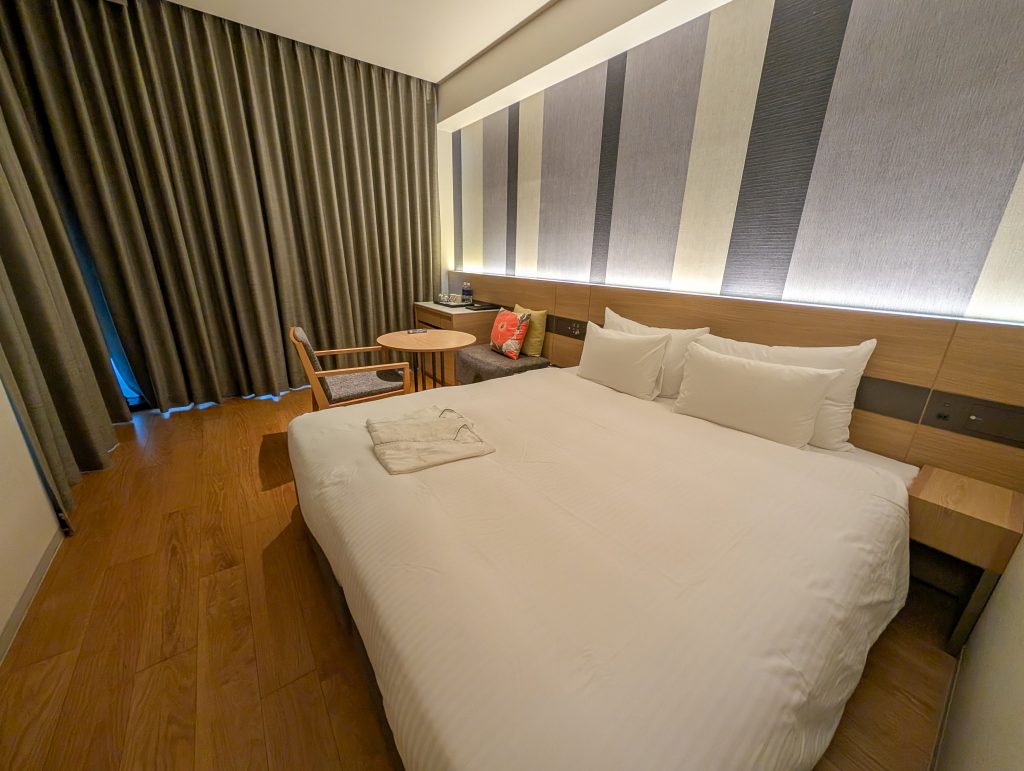
Once you are settled into your hotel, head out to explore Naha town.
If you are looking for lunch, I recommend finding something to eat along Kokusai Dori. We enjoyed Kokusai Street Food Village. Kokusai Street Food is like an open-air hawker center that has so many cute food shops with social outdoor seating.
After lunch, walk over to Naha’s famous pottery district. Okinawan and Japanese pottery styles blend in this creative district bursting with local artisans. Not all shops are created equal, though. Some are full of mass-produced (at least mass-produced in Japan) items and offer a generic, similar style you’ll see throughout Okinawa. Others offer rare opportunities to buy authentic, single artisan-crafted, one-of-a-kind pieces.
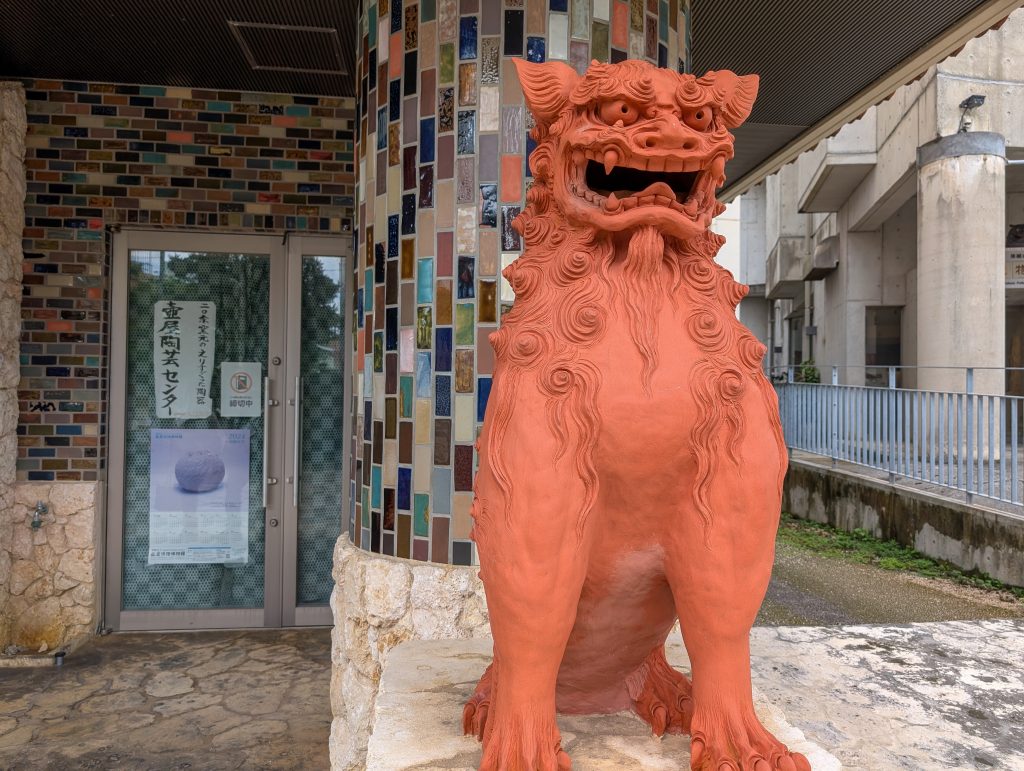
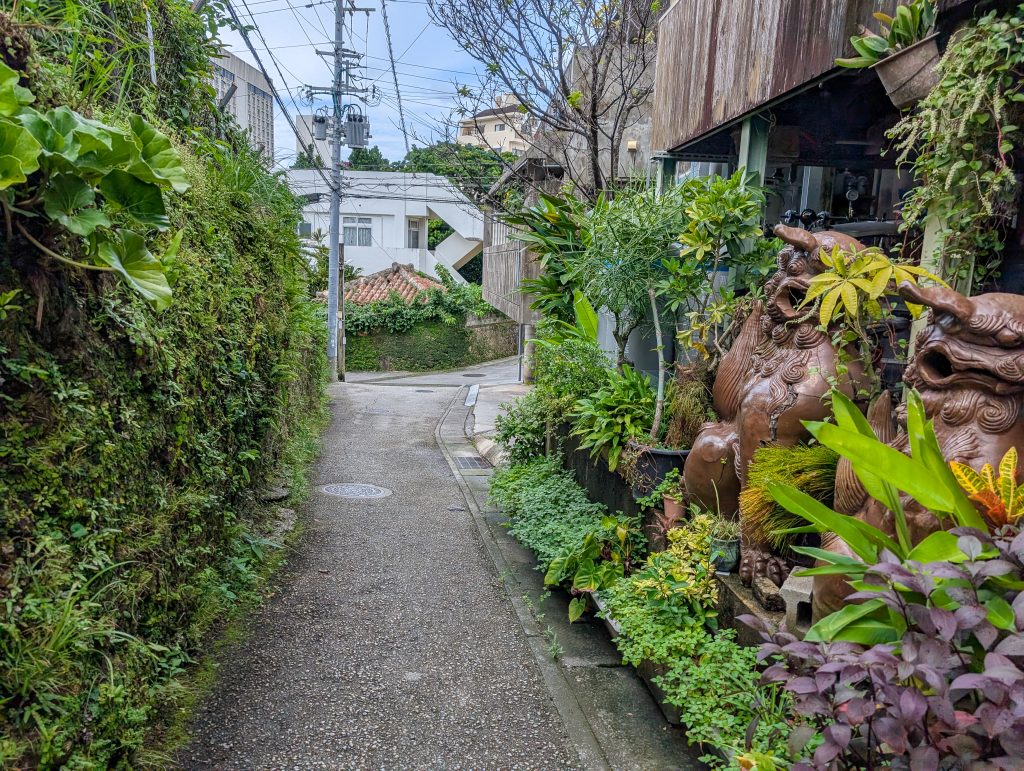
The guardian Shisa is a lion-dog that is unique to Ryukyu Okinawan beliefs. If you like these guardians, they make a great gift or nice item to take home and put in your garden.
Otherwise, walk along Tsuboya Yachimun Street for diverse pottery offerings, stopping in wherever catches your eye. We loved investing in a classic teal-blue Okinawan Japanese teapot set from a small, family-owned boutique called Tosai.
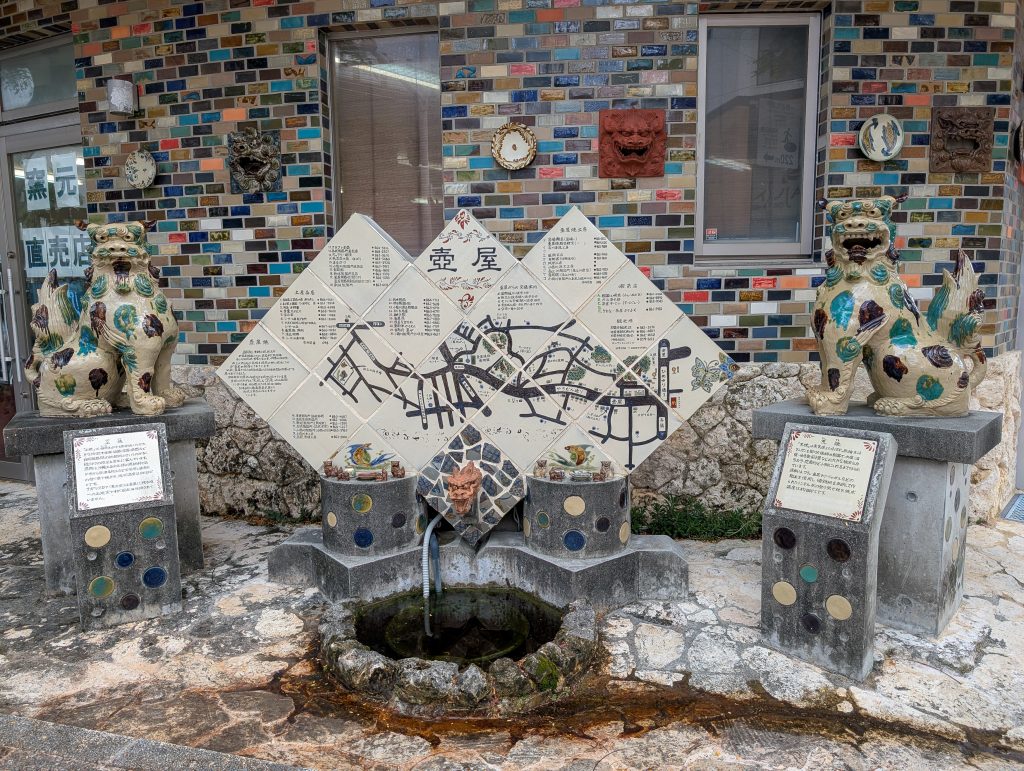
Take time to walk along Yachimun Pottery Promenade to see artisans working in their shops.
After an afternoon of shopping, visit Ukishima Brewing for a refreshing craft beer in a local setting. We enjoyed meeting travellers and locals while sipping beer to live music at the bar.

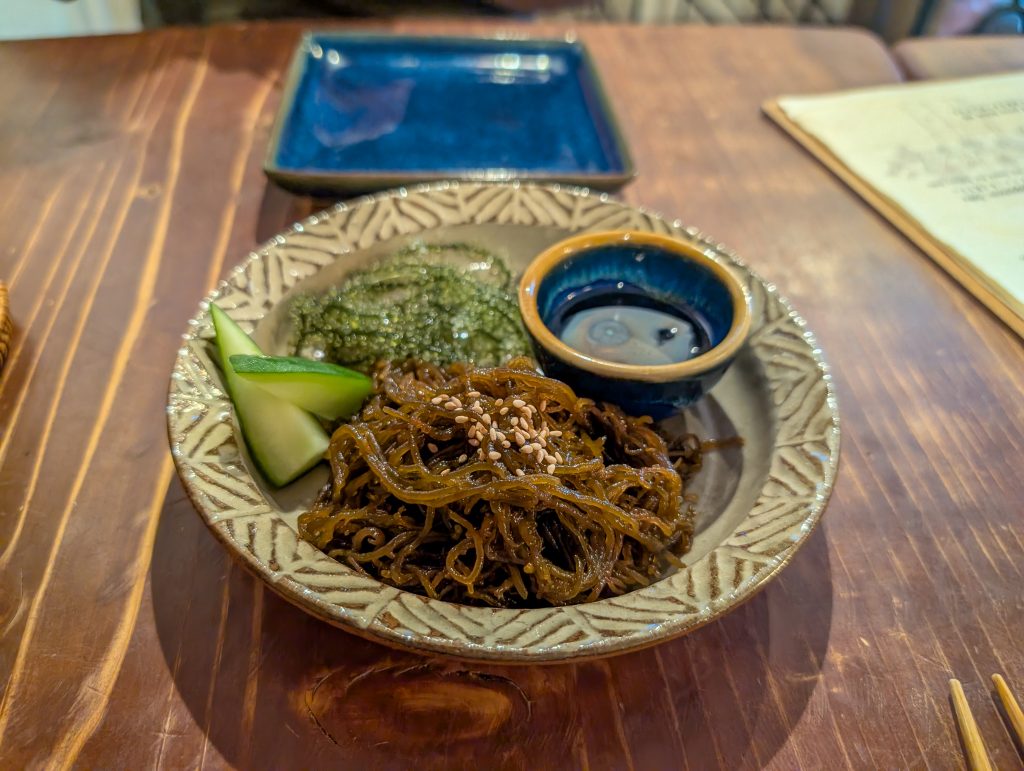
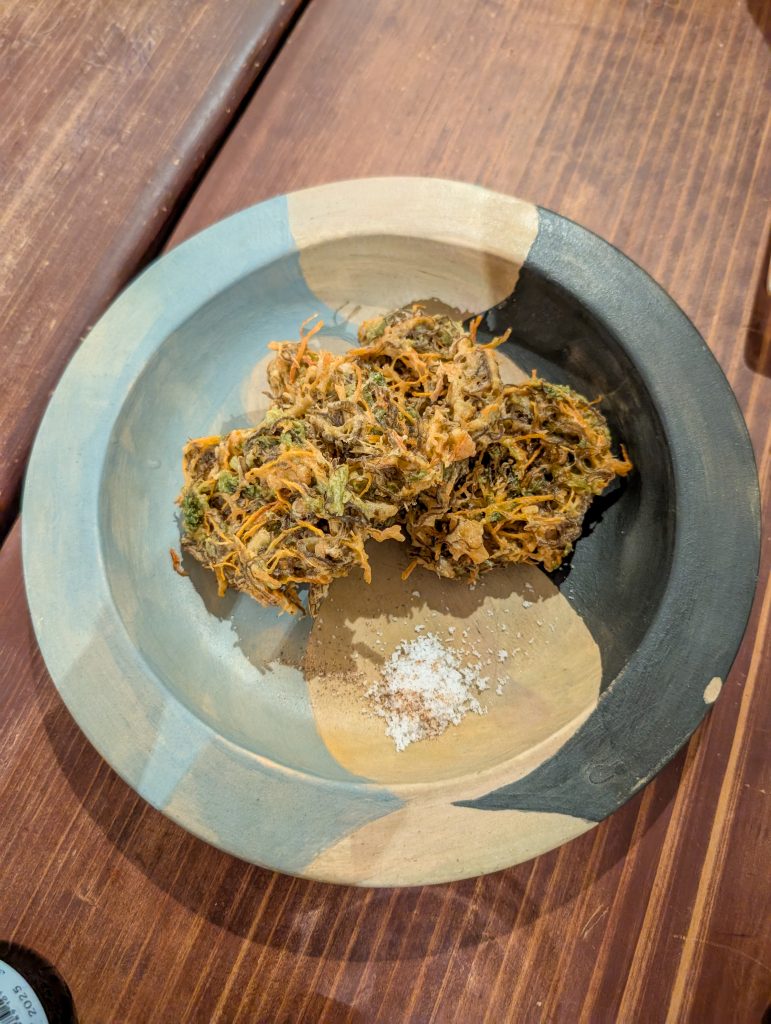
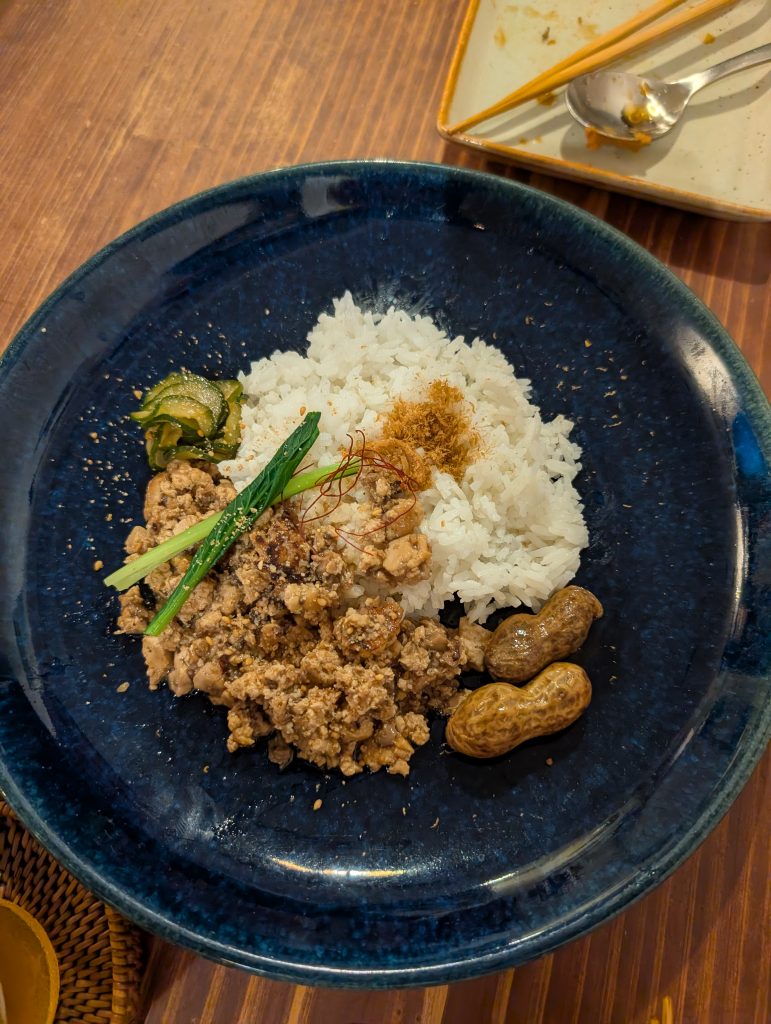
Grab dinner at the traditional Ryukyu Vegan restaurant, Tamatebako, for fermented tofu, Okinawan seaweed, and other vegan versions of traditional Island food. We loved this restaurant so much we ate here several times!
Get Ready for Your Day Trip to Zamami
You have an early day in the morning, so get some sleep and pack for your epic day trip to Zamami Island in Keramashoto National Park.
Before you arrive in Okinawa, you should have booked your ferry ticket and your excursion.
- We booked an 11 am SUP and Snorkel tour with IRIE Zamami.
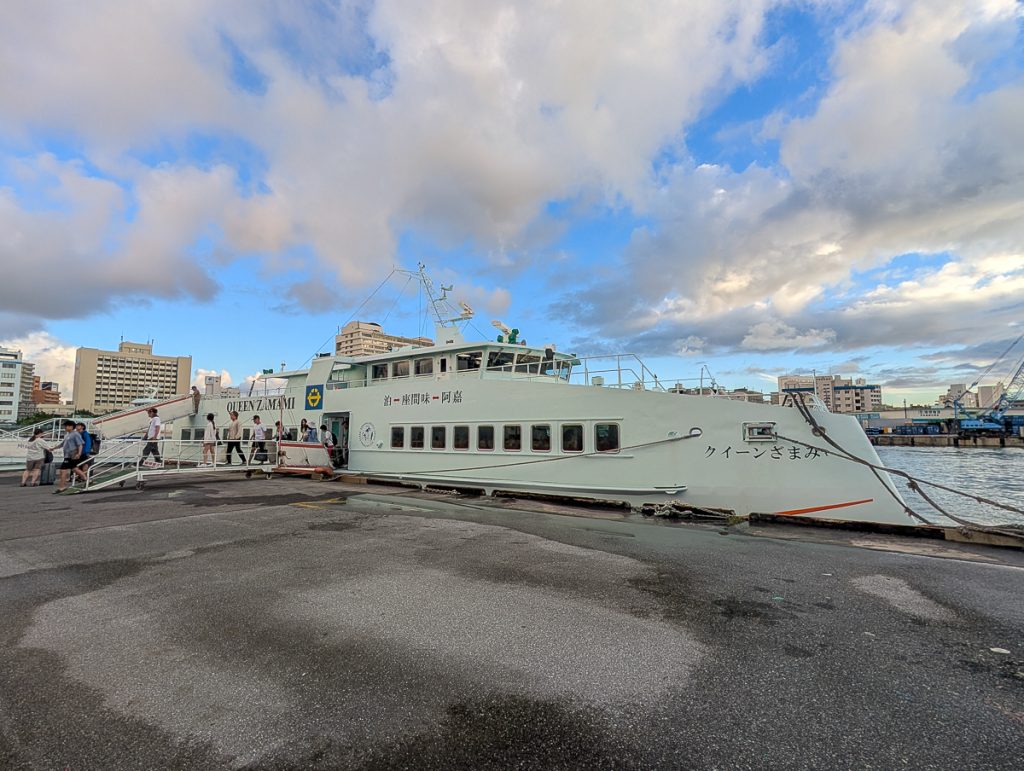
- You will need to have your ferry reservation secured ahead of time to ensure you can get to Zamami on time for your tour. We booked the first ferry.
You’ll need:
- Swimsuit
- Towel
- Reef-safe sun protection. Cover up and supplement with Blue Lizard Australian sunscreen
- Water shoes and walking shoes
- Clothes to throw over your swimsuit
- Water bottle
- Anything else you need for a full day out in the sun, swimming, at the beach, with some light hiking
Day 2: Zamami and Keramashoto National Park
Plan your day around the ferry tickets you booked for your day trip out to Zamami Island in Keramashoto National Park. We caught the first morning ferry out to the islands.
We were out for a full day, making the most of our time on Zamami. I recommend taking the ferry out to Zamami Island and booking a SUP and snorkel adventure to see coral and sea turtles with IRIE Zamami. The second half of your day, you can enjoy independent snorkelling and exploring Zamami’s incredible forested lookout and beaches.
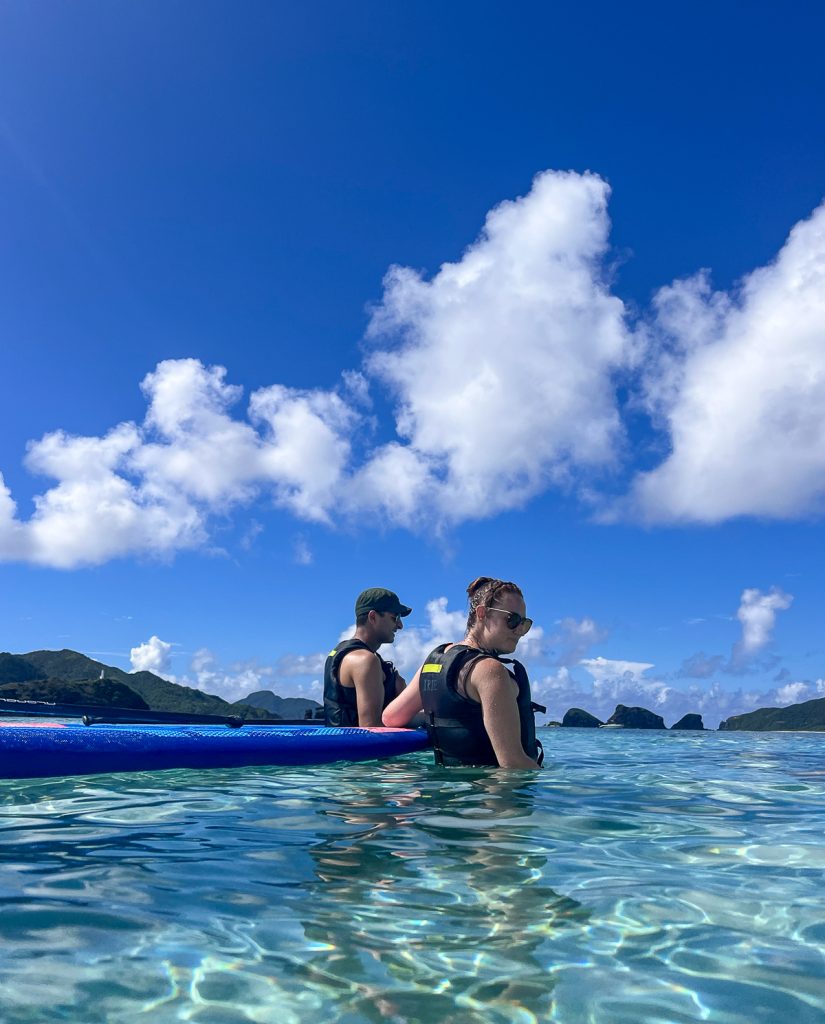
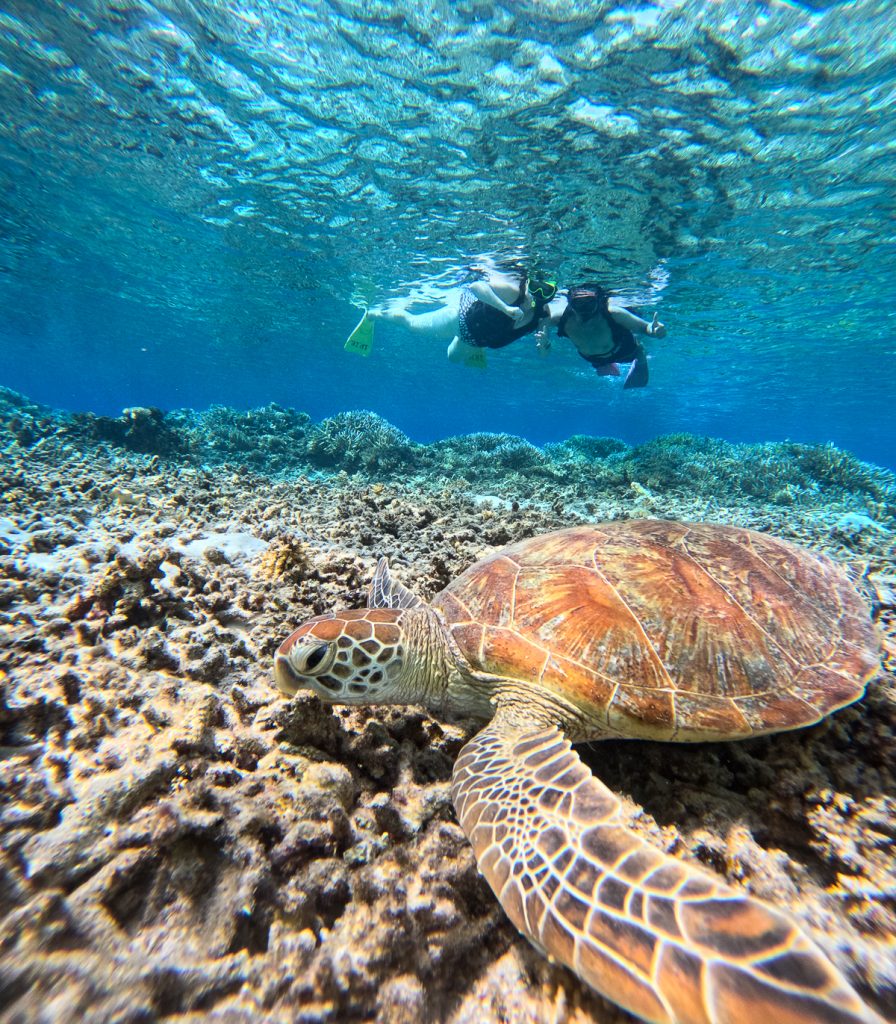
I have complete guides detailing how to spend a full day or a few days in the islands of Keramashoto National Park off the main island of Okinawa. You may choose to spend 1-3 nights on these islands as an alternative to the treehouse stay or to spend less time in the urban zone of Naha.
- READ: Day Trip Ethical SUP and Snorkel on Zamami from Naha
- READ: Full Guide to Keramashoto National Park
We got back to Naha later in the evening and had time for dinner. Sadly, the community co-op restaurant we dined at, Ryuness, is permanently closed! So, I recommend LaLa Zorba as a vegan alternative.
Day 3: Wetlands, American Village, and Ruins
On day 3, you will want to pick up your car, as you will start the portion of your trip that is ideal with a personal vehicle.
Note: You can get to all of these sites with public transportation if you plan and arrange a pickup car for tomorrow’s transit to Treeful Treehouse.
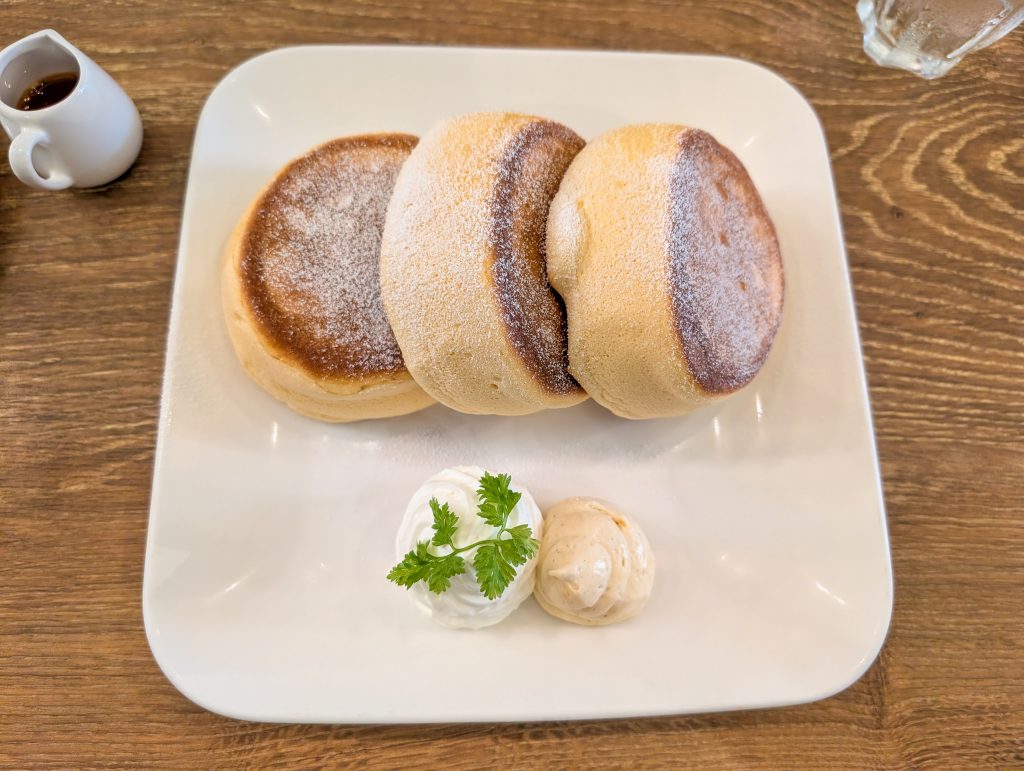
Before picking up the car, head out and grab some breakfast. We walked through the Public Market Alley to get souffle pancakes at Café Planta. Souffle Pancakes are a Japanese-style pancake. I had wanted them the entire time we were travelling in Japan, and finally made time to get some here in Okinawa!
Our rental car process took some time, as things move on island time here, so budget to lose an hour or two as you go through the rental process.
We rented from Avis, but you can check the best rates here.
Once you have your rental car, you unlock a lot of the island. You can plan your day as you see fit, as there are art museums, beaches, and nature centers to explore.
I suggest you visit the Manko Waterbird and Wetland habitat for a late morning of birding and nature walking. The Shikina-en Royal Gardens are also a nice choice. Or, if you prefer a late morning swim or chill day at the beach, visit Araha Beach.
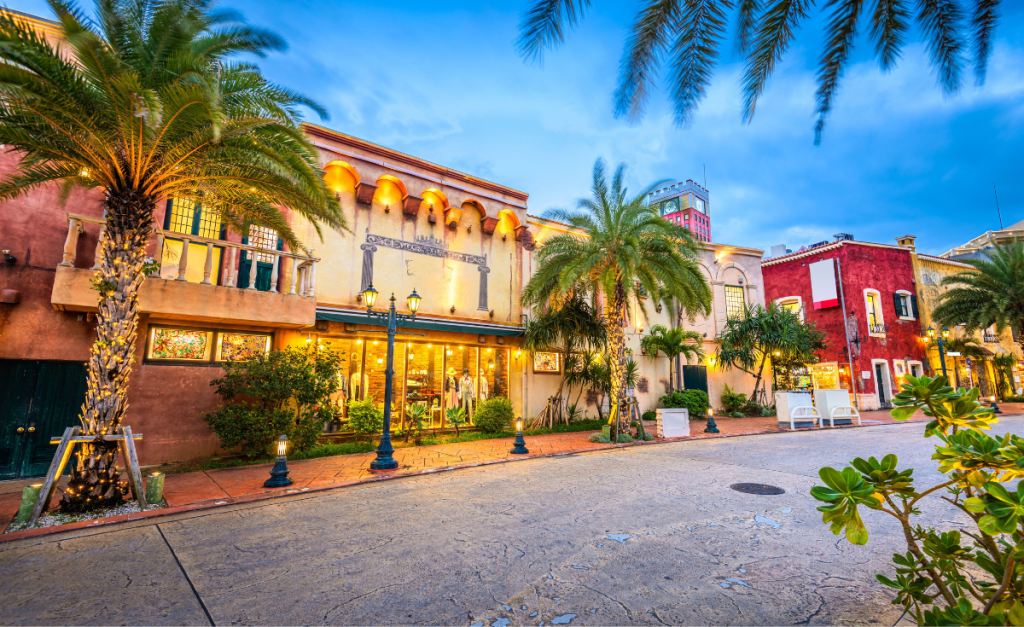
Eventually, you will want to make your way to the American Village, which is sort of like a Japanese Santa Cruz pier. With attractions, restaurants, shops, and rides, it is a lovely place to spend the day.
My friend Suzu runs calligraphy workshops in American Village, and you can join her for an artisanal workshop.
After exploring American Village, enjoy sunset along the Miyagi Coast Pier. Grab dinner anywhere that catches your eye, but I recommend Yamayan TABLE for Pacific-inspired Japanese tacos with some vegetarian options.
Or return to Naha for a night on the main strip. If you haven’t already visited the Public Market Gallery at night, it will be a totally different vibe from this morning! Or just walk along Kokusai Dori District at night, taking in the lights.
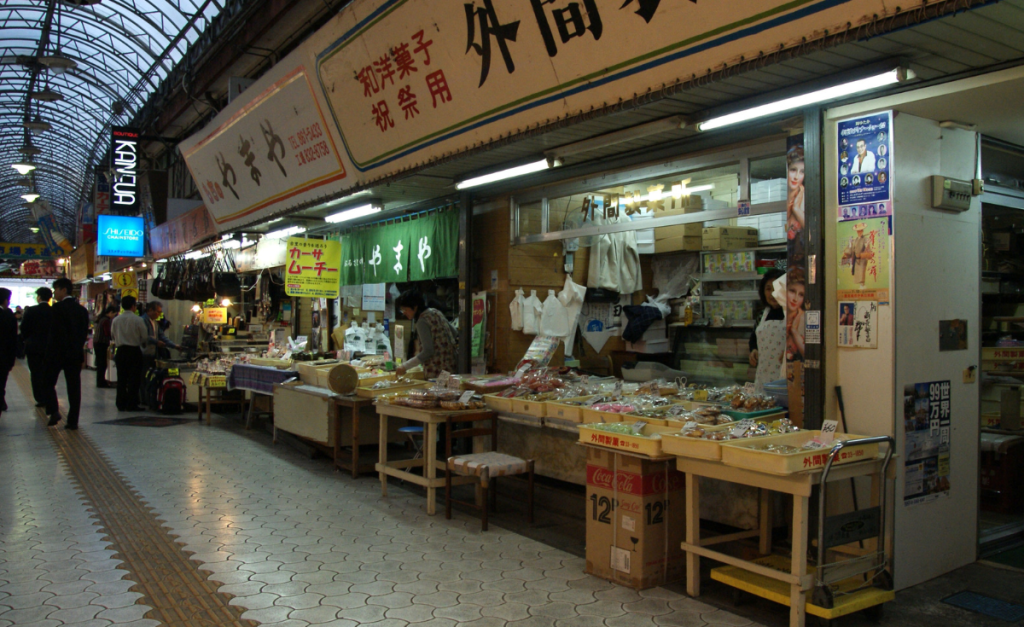
You absolutely must get traditional Okinawan Beniimo Tarts from Okashigoten at the Makishi Store. These frozen Okinawan purple yam sweets are delicious. A lot of people buy them in bulk to take one, but we just grabbed two frozen to enjoy on site! They are delicious!
Days 4-6: Treeful Treehouse
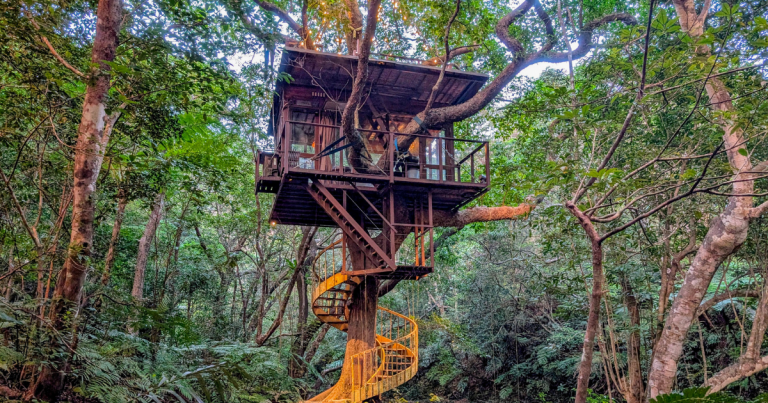
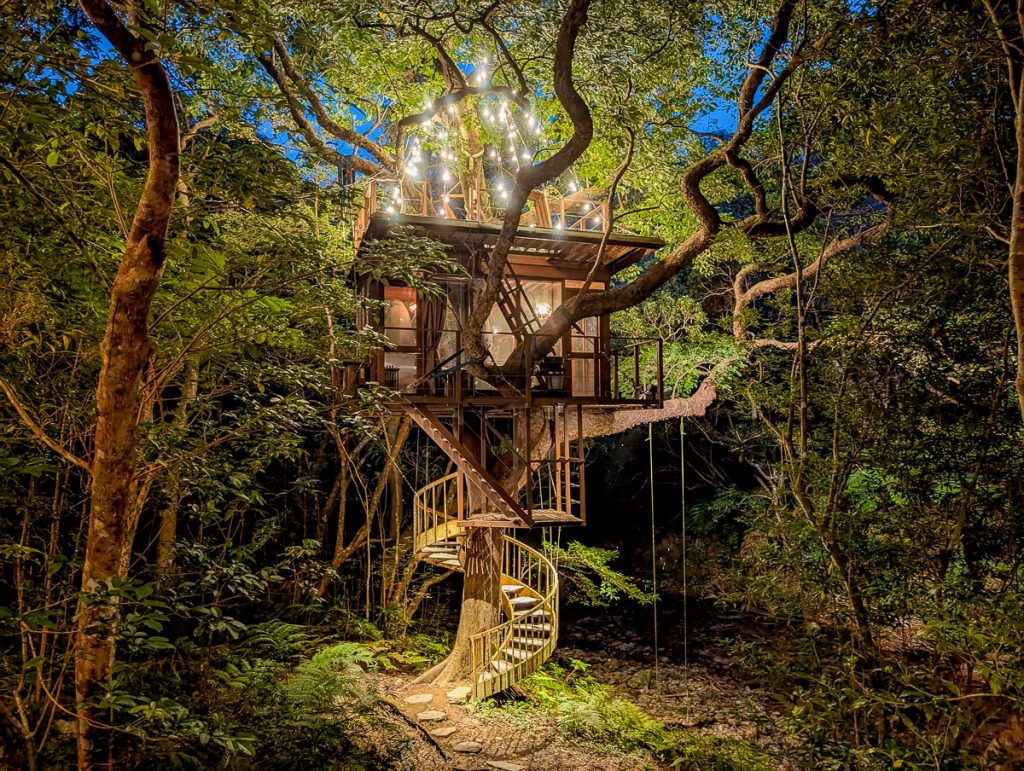
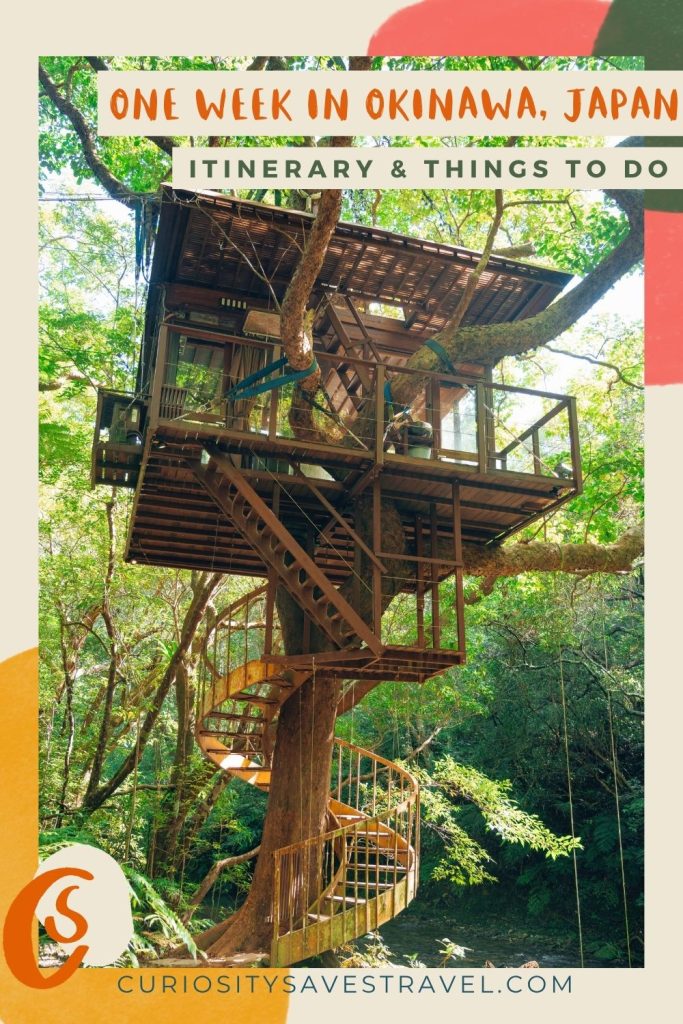
Check out of your Naha hotel and make your way to Treeful Treehouse. We spent 3 magical nights at this forest treehouse. This is an expensive splurge, so you may only opt for a night or two and can adjust your itinerary as needed.
You want to check in by 2 pm, but you will have the morning to drive out to Treeful. We made lots of stops, including:
- Cape Zampa Lighthouse, for stunning coastal views and nature walks.
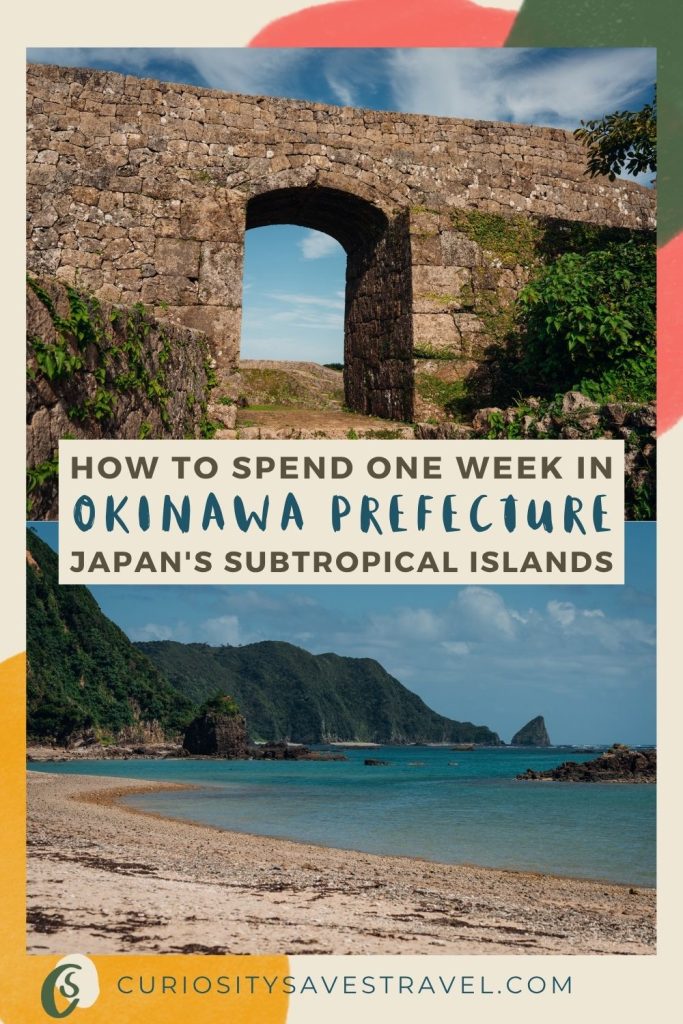
- Zakimi Castle Ruins for Ryukyu historical ruins, one of many UNESCO sites on the island
- Lunch at Gajimaru vegan restaurant
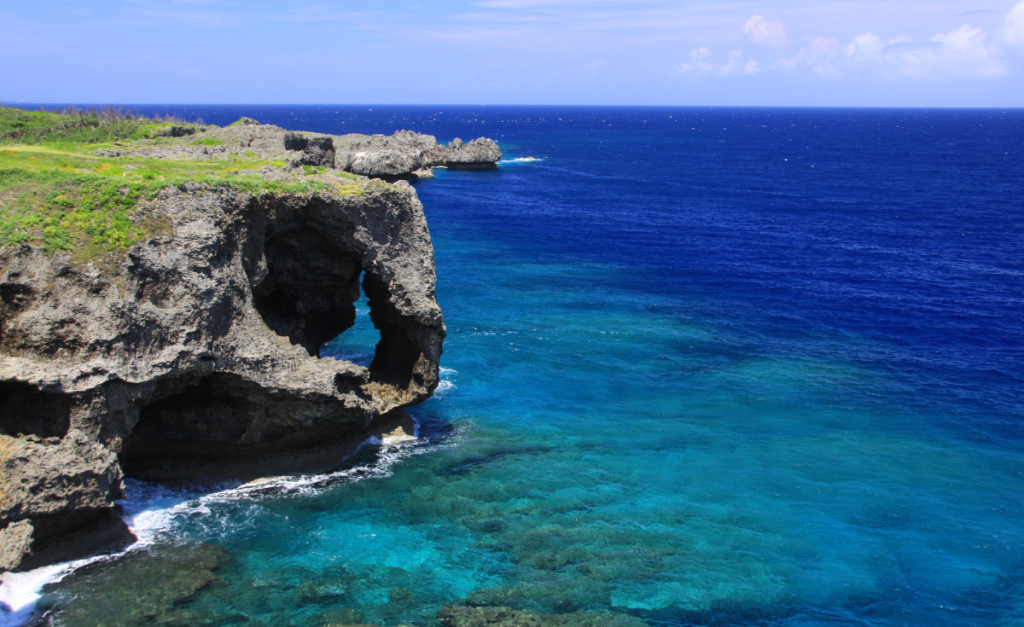
- Cape Manzamo for unique geological coastal walks
- Arashiyana Observatory for incredible views
Treeful Treehouse is a highlight of Okinawa in a regenerative forest stay. Upon check-in, you will get to join an Okinawan forest trek through the jungle.
With your booking, you have options for guided experiences in the Yanbaru forest or a kayak experience. I recommend you take advantage of these opportunities if you want to see more of Okinawa. Otherwise, disconnect and enjoy 3 incredible nights reconnecting with nature and the best eco treehouse experience in the world.
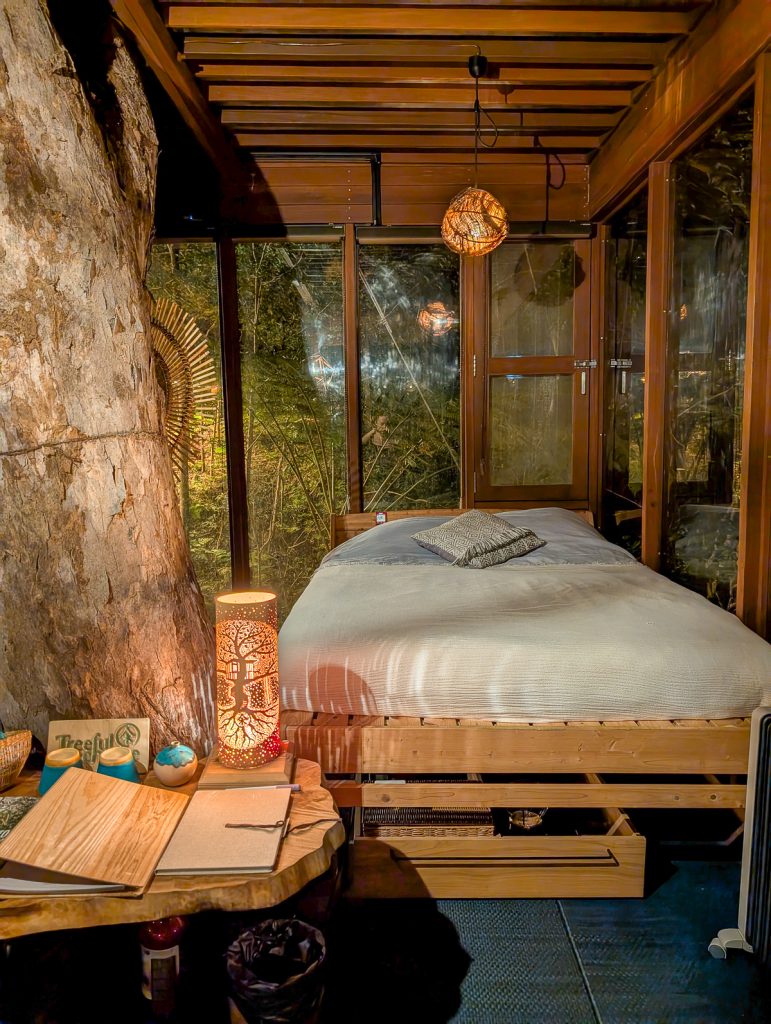
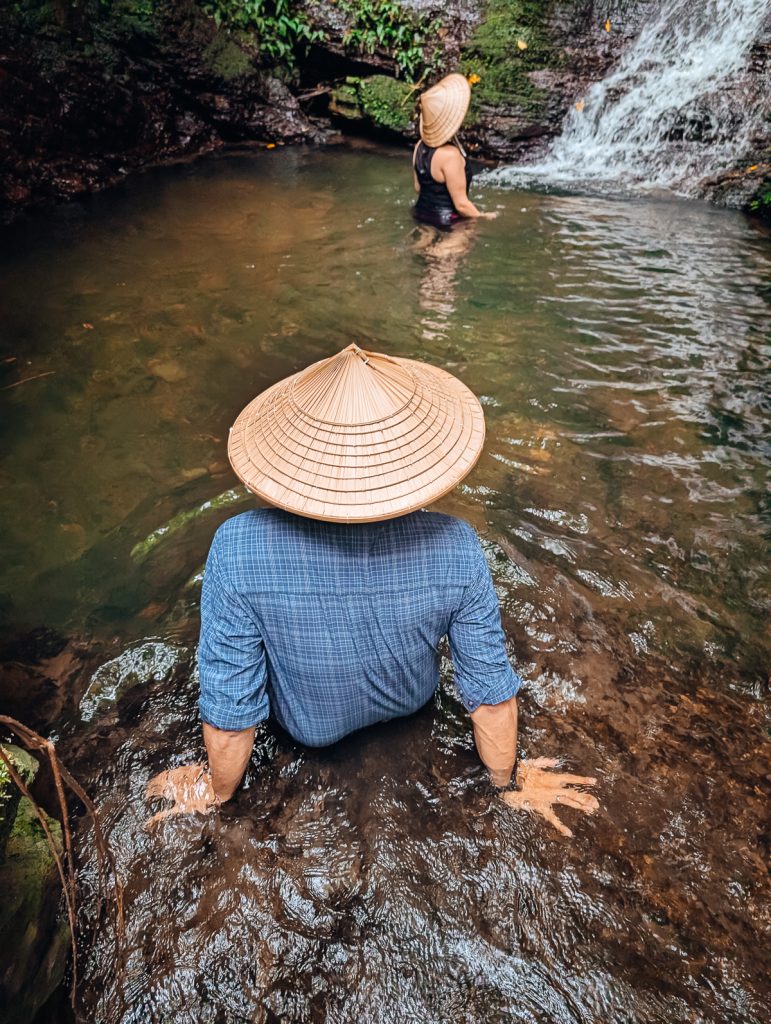
They have an on-site sauna, spa treatments, and outdoor vegan dinner options that all must be booked in advance. This was the highlight of our month in Japan, and 100% well worth the splurge. Trust me, this is the time to #treatyoself.
I wrote a complete guide breaking down the cost, experience, and environmental aspects, along with a full guide and itinerary for Treeful Treehouse.
READ: Treeful Treehouse, Japan’s Best Eco Hotel Experience (3-night itinerary)
Day 7: Check-Out and Island Tour
After 3 magical nights at Treeful, you’ll check out and slowly make your way back to Naha to return the car and have one more night. Make the most of your day, seeing all the sights on the easy coast, including:
- Fold of the Kayo Formation for incredible geology
- Kayo Beach for stunning crystal blue waters for swimming or beach walking. The town here is super cute and charming. We stopped in the convenience store for some ice cream and enjoyed chatting with a few locals.
- Shimaguni Brewery for local craft brews
- Nakagusuku Castle Ruins for more UNESCO World Heritage. I recommend this as a main stop for the day. Spend 1-2 hours exploring UNESCO World Heritage, Ryukyu and Japanese history.
- Cafe Hug Food Works for a vegan lunch
- Glass Village for local Okinawan art
- Sefa-Utaki for a sacred cultural site
Either return your car and enjoy one more night in Naha, or head to the airport or an airport hotel to fly out. I recommend connecting Okinawa with a trip to Taipei, where you can spend a few days before making your international connection home.
FAQ About Visiting Okinawa
About Okinawa
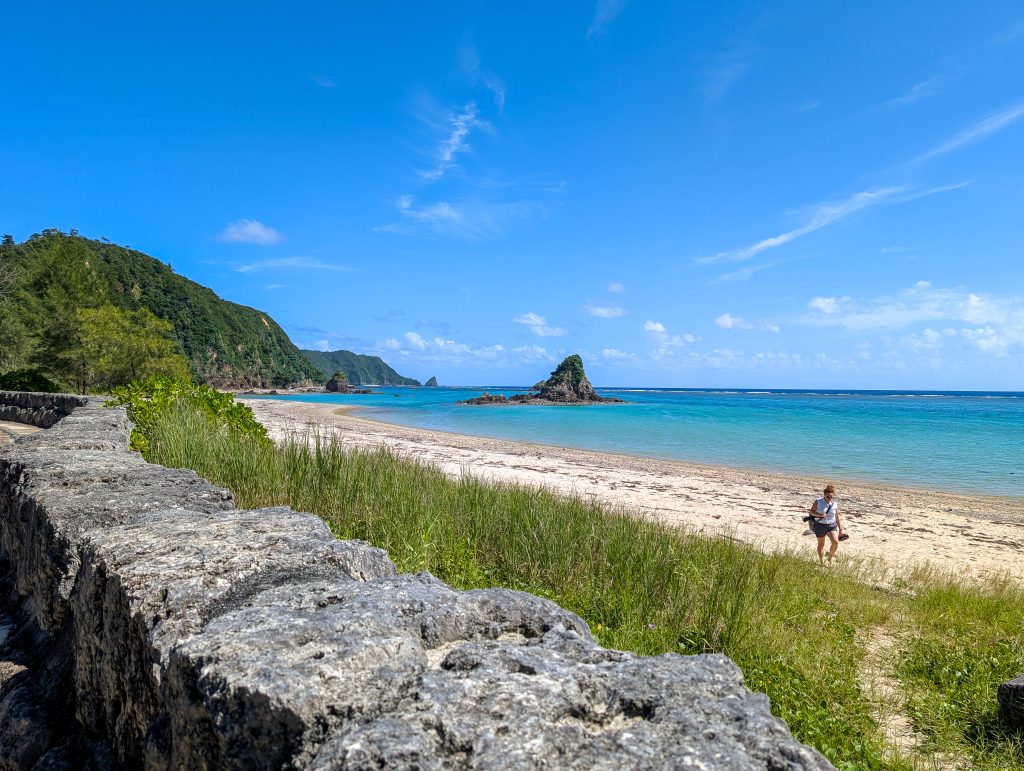
Okinawa is a breathtaking archipelago consisting of over 150 islands. As Japan’s southernmost prefecture, it has a subtropical climate and contains rural village sites, many still embracing a traditional way of life. It is a world away from the urban sprawl of Tokyo.
Long before Japan’s governance, the Okinawan Islands were part of the Ryukyu Kingdom, serving as a key maritime trading hub between China, Japan, Korea, and Southeast Asia. The Ryukyu people developed their own distinct culture and traditions separate from mainland Japan, complete with their own cuisine, indigenous cultural sites, and traditions, including the invention of karate.
Japan annexed the archipelago in 1879. Following extensive conflict during World War II, in which many Ryukyu and Japanese people lost their lives, the islands were governed by the United States until they were returned to Japanese control in 1972.
To this day, the Ryukyu people remain a marginalized ethnic group in Japan.
Okinawa has incredible food that is unique to Japan. Much of the cuisine found here is plant-based, from seaweed and purple yams to fermented tofu.
Their food and cuisine are traditionally harvested sustainably from the ocean or land. Look for Okinawan food during your stay for healthy, plant-forward dishes for a unique food experience.
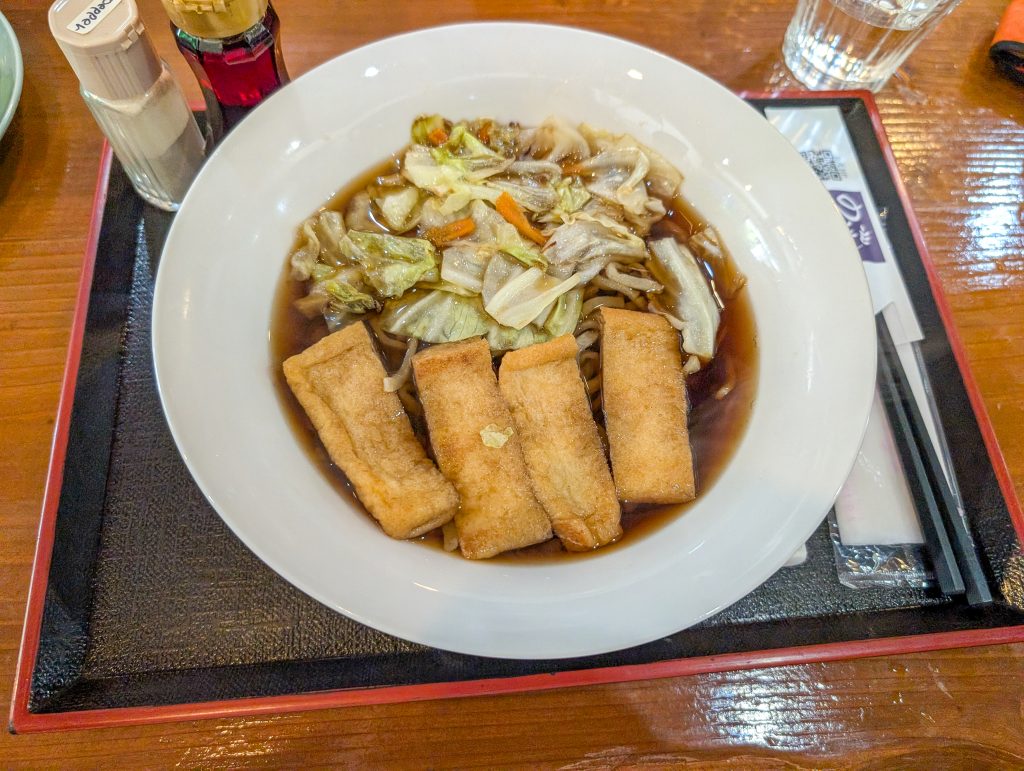
Travellers visit Okinawa primarily for beach resorts, ocean activities, and cultural sites. Top attractions include scuba diving around the Kerama Islands, hiking in the Yanbaru forest, and visiting historic landmarks like Shuri Castle.
Tip: When visiting Okinawa, you should take time to visit Ryukyu Village Sites or ruins, as well as learn about WWII history at the many peace memorials in Keramashoto.
Okinawa Ecology
The islands of Okinawa are diverse and biodiversity hotspots featuring characteristics of Pacific Islands. The Pacific marine ecosystem is defined by coral reefs, clear waters, white-sand beaches, and mangrove forests.
Containing 60% of all Japan’s reef-building corals, the water here supports hundreds of coral species and thousands of marine animals, including endangered sea turtles, reef sharks, and even humpback whales.
The reef ecosystems here face ongoing pressure from rising ocean temperatures, coastal development, sediment runoff, and population booms of the coral-eating crown-of-thorns starfish. This is why many places like Keramashoto National Park have strictly enforced conservation measures, including tourism regulation.
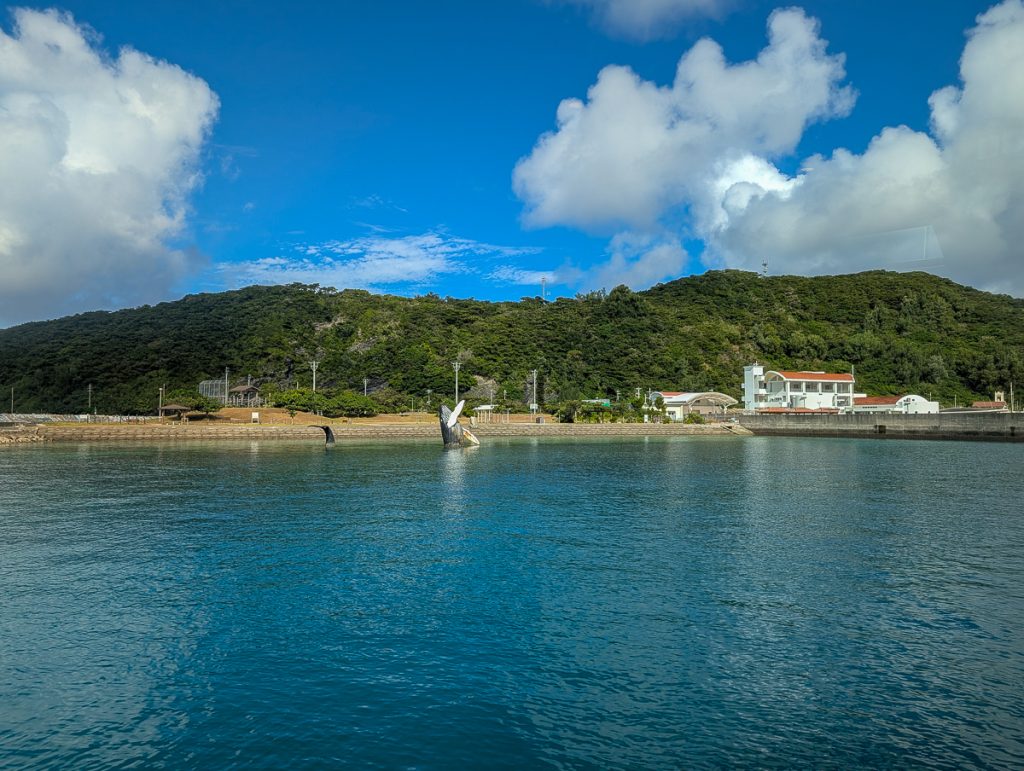
Yanbaru National Park and UNESCO World Heritage Site is a dense forest on the main island. The subtropical evergreen broadleaf forests here evolved in isolation from other islands. The forest is home to many rare and endemic species, including the Okinawa rail, the critically endangered Okinawa woodpecker, the hairy rat, megabats, and the Ryukyu black-breasted leaf turtle.
Invasive species and feral cats present the single greatest threat to Okinawa’s ecosystem. The small Indian mongoose was introduced to Naha in the early 1900s to control local habu vipers and rats. Instead of hunting venomous snakes, the mongoose spread northward and decimated the native ground-nesting birds and reptiles, causing many native species to almost go extinct.
Aggressive mongoose management happens across the islands, with Yanbaru a relatively mongoose-free area. You will notice mongoose traps around the island, these are essential to protecting this sensitive and rare ecosystem.
Tip: When visiting Okinawa, you should take time to see the diverse ecosystem it offers, visiting Yanbaru forest and the coral-lined beaches. This itinerary allows for both!
How to Get to Okinawa
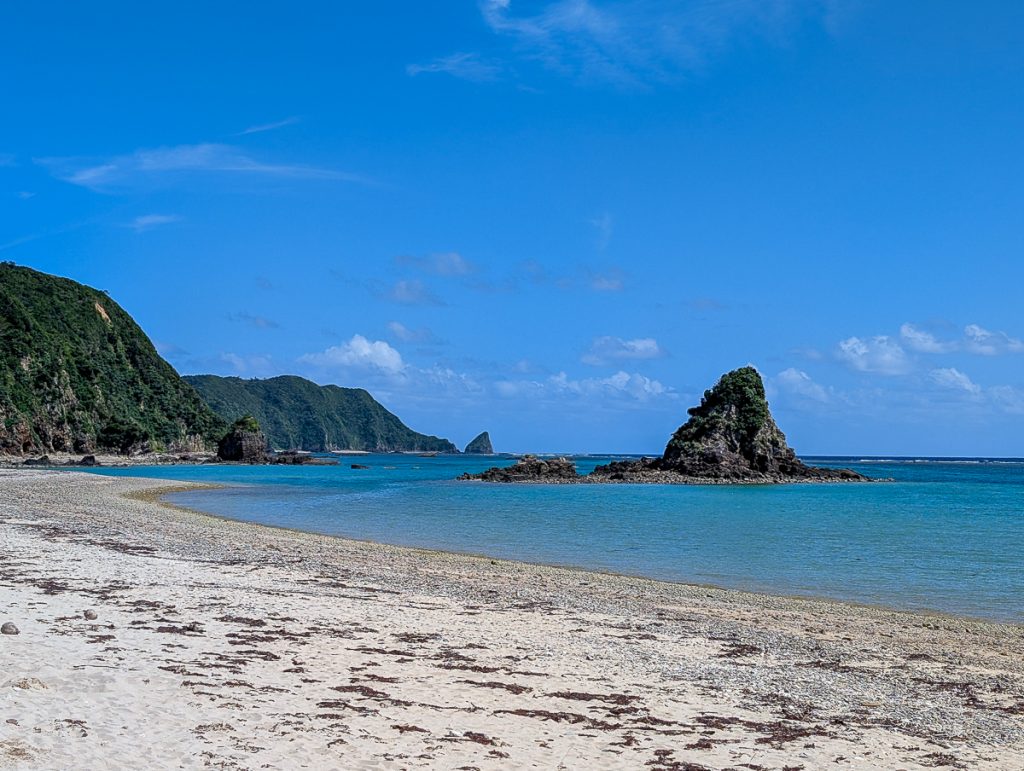
We flew into Okinawa from Osaka after 3 weeks on mainland Japan. Naha is a major airport. There is also a slow ferry from mainland Japan to Okinawa that takes well over a day, if you are looking for a slow travel option.
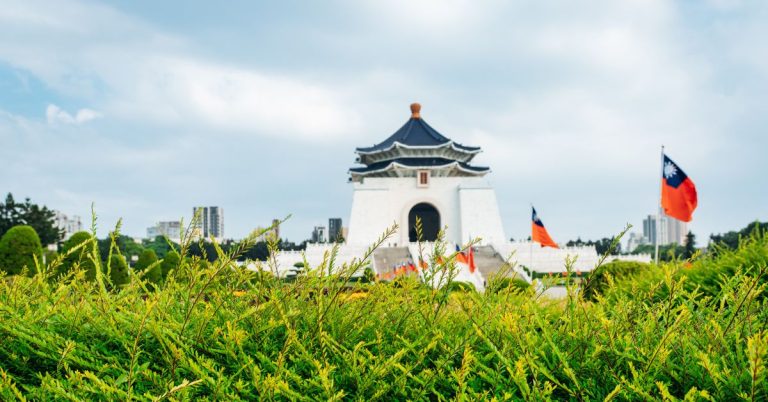
Okinawa is also a great choice for an add-on trip before or after a trip to Taipei. You can easily fly in or out of Taipei Airport for a great addition to your East Asian travels.
How to Get Around Okinawa
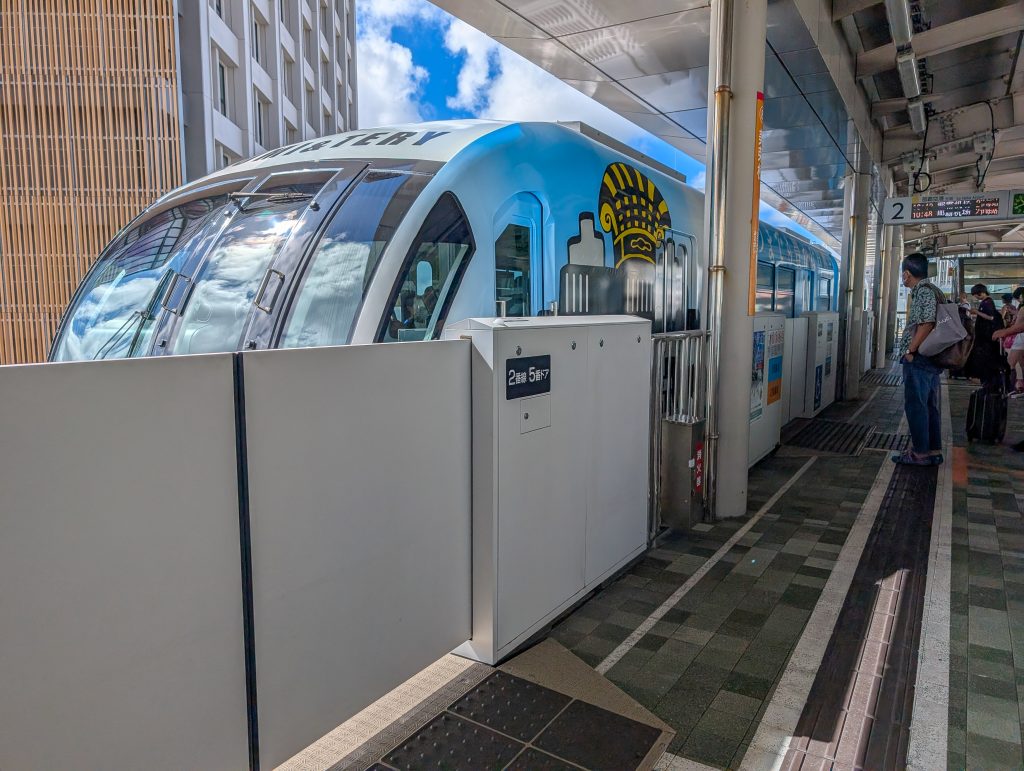
Okinawa has some decent public transportation with a single light rail line offering transit to the airport and Naha. You can easily get to or from the airport to downtown Naha using this system. Use your Suica Card to pay.
From there, there are plenty of buses across the island, offering a slow but efficient network.
Renting a car is a great way to get to some of the island’s most unique sights and locations, including Treeful Treehouse. If you have an international driver’s license, I recommend renting a car for a few days. If you’re unable to drive, you’ll need to book transit to Treeful with a private transfer.
We rented from Avis at the Naha Airport. While getting the car took a while, the customer service and experience were otherwise great. I recommend booking through them.
There are toll roads on Okinawa, so make sure you have cash on hand and are ready to pay tolls.
Comment and Share Okinawa Guide
I hope this guide has shown you just how much there is to see and do in Okinawa, and will help you plan your own trip to explore this unique part of Japan!
With beautiful scenery, interesting historical ruins, and a distinct local culture, this prefecture feels worlds away from the modern cities of Japan, letting visitors explore slowly and with intention. Whether you’re looking to snorkel in the famous Kerama Blue waters, sleep in an incredible eco-treehouse or enjoy ethical vegan food, Okinawa has something for you.
Make sure to share this with anyone else who would enjoy visiting, and don’t forget to pin one of these to your Japan travel planning boards!
Curiosity Saves Travel Recommends
Accommodation: Booking.com to find accommodation with a Genius Discount and clear third-party sustainable certifications like Green Key. Look for local hotels.
Tours and Excursions: GetYourGuide and Viator for tours, excursions, and tickets. Never book wildlife experiences through these vendors.
Travel: Omio for booking buses and trains in English across Europe. After reducing the number of flights I take annually, I use Google Flights’ carbon comparison tool.
Car Rental: Rentalcars for the best rates in English globally. It is easy to find hybrids and EVs, and there are resources for finding chargers.
Packing Essentials: REI or your local Co-op has great essentials like reusable water bottles and cutlery sets. Patagonia for regenerative clothing. Farm to Feet for socks made with regenerative practices! Pistil Designs for cold-weather essentials. Osprey for bags that last 10+ years, like the day bag for hiking or my favorite carry-on.
eSIM: Airalo eSIM. Reduces waste from single-use SIMs. A total game-changer.
For Bloggers and Content Creators
Earn Ad Revenue with Journey by Mediavine
Earn with Stay22 Travel Partnership (my biggest source of income!)
Earn with TravelPayouts recommending tours and activities.