
Kerama Islands (Keramashoto) National Park Guide and Things to Do
I may earn income from affiliate links or partnerships in this post. I spend time to curate tours or products that align with my values. Thanks for supporting my work, at no additional cost to you. All words and images on this website are created by real people.
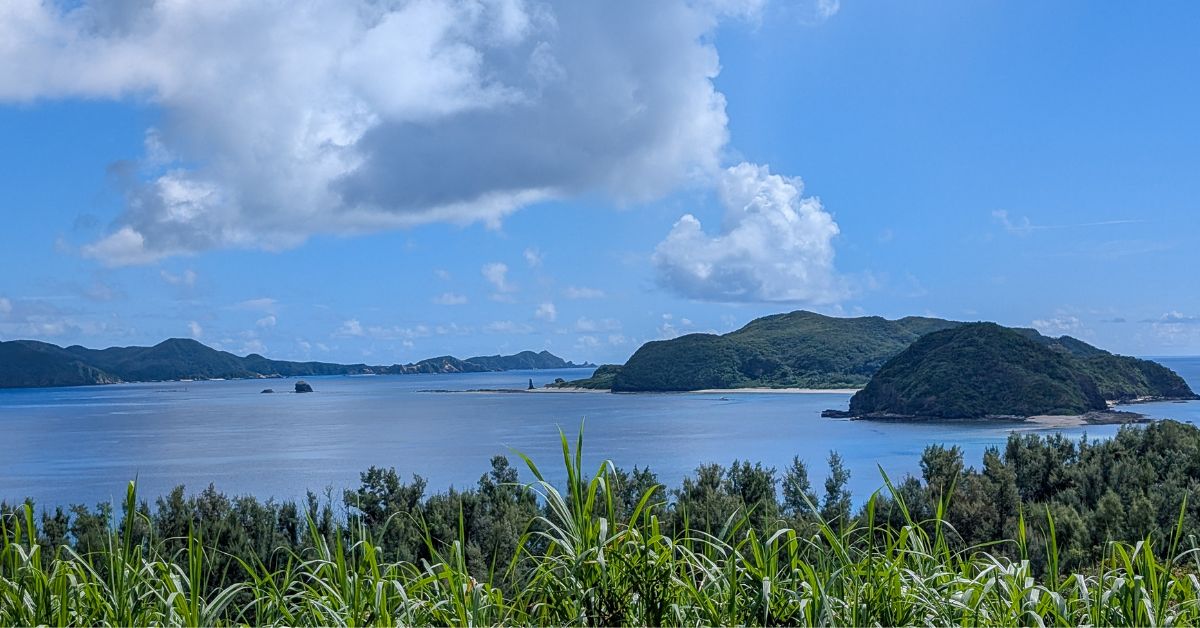
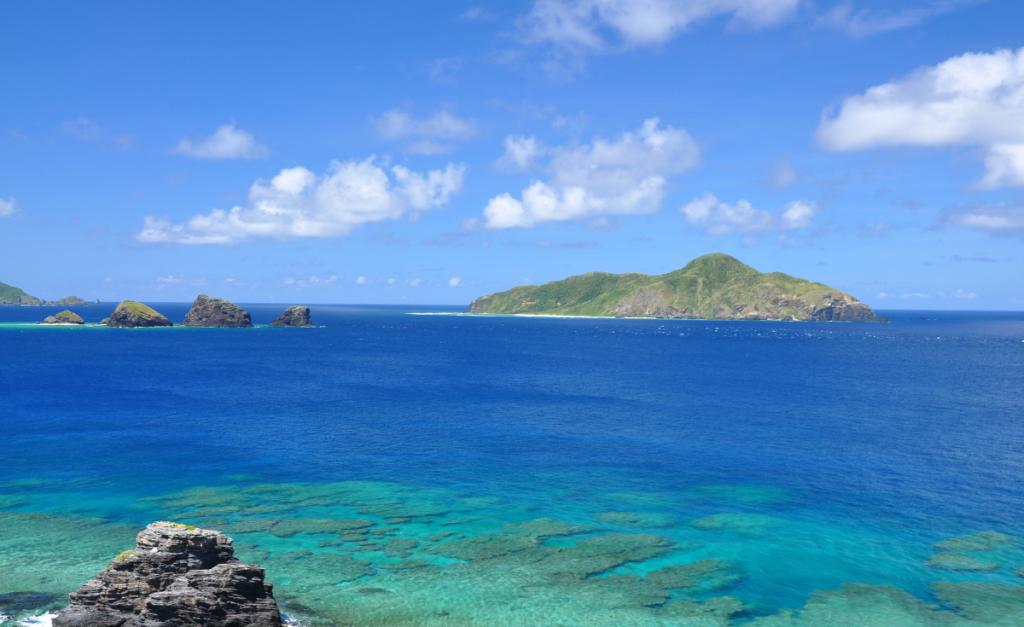
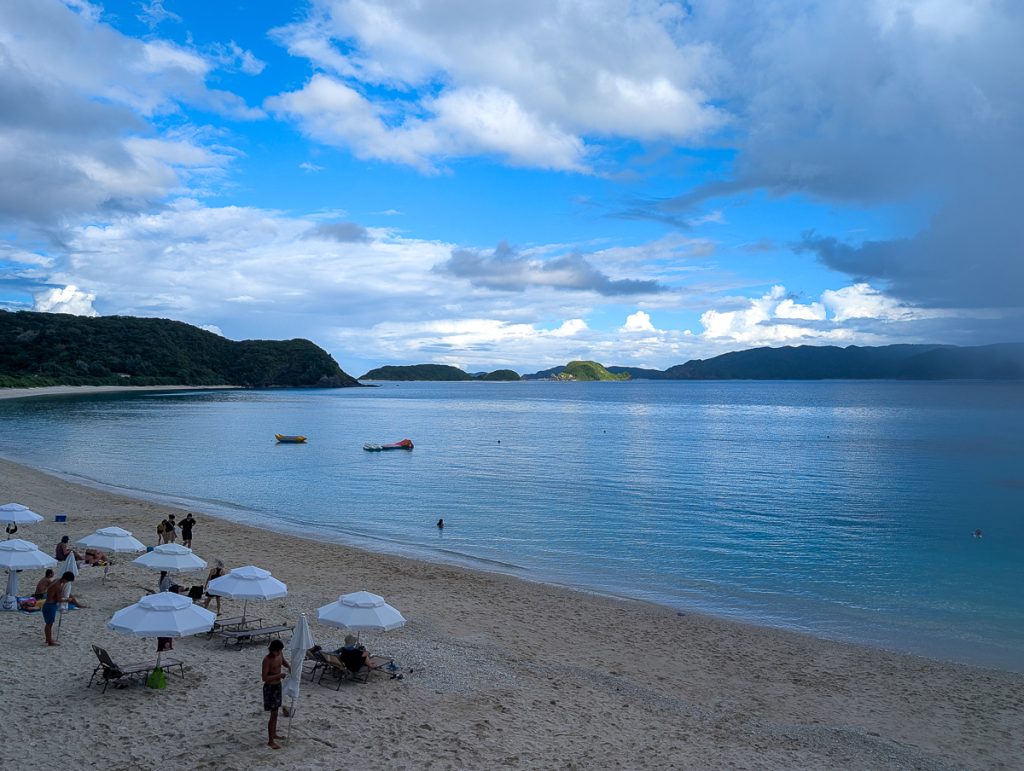
Are you traveling to Okinawa and curious about visiting Keramashoto National Park, in Japan? This stunning group of islands south of mainland Okinawa is known for waters so blue, they are lovingly called “Kerama blue.” Incredible coral reef systems teeming with marine life, including diverse fish and sea turtles, thrive in these waters. For this reason, Keramashoto National Park is popular with visitors who want to enjoy the serene natural surroundings, spot wildlife, or take part in activities like SUP, snorkeling, diving, and hiking.
The national park makes for an incredible day, overnight, or even multi-day diving trip from Naha, Okinawa. But, as remote islands, planning and knowing what to do can be tough. As a sensitive ecological area, it is also crucial to go in with some baseline understanding of the coral reef, conservation, park’s rules, and more.
This guide covers everything you need to know about visiting Keramashoto National Park. We cover information about the park, ecology, culture, wildlife, how to get around the islands, and wrap up with 20 incredible things to do across all the Kerama Islands.
About Keramashoto National Park
Keramashoto National Park is located to the west of Okinawa, a prefecture made up of three island groups south of Japan’s main islands. The national park includes the Kerama archipelago, which consists of more than 30 small islands. The five largest are the easiest and most popular to visit, with ferry services and amenities.
In the 19th century, these islands were used as a stopover for travelers going from Okinawa to China. During WWII, US forces first landed on the Kerama Islands during the Battle of Okinawa (1 April – 22 June 1945), which was the bloodiest battle of the Pacific War, during which some 149,425 Okinawan people died or went missing. As you can imagine, there are many relics and memorials to the war scattered across the islands.
After years of worsening climate change, extreme storms, overfishing, and poor tourism management, the coral reef systems of the Kerama Islands had seriously degraded. Entire reefs were bleached, and two of the three turtle species in Okinawan waters were listed as critically endangered.
To help protect and revitalize the reef, on March 5th, 2014, the islands were granted protected National Park status, which coincidentally falls on Coral Day in Japan—a day that promotes the protection and awareness of coral reefs, particularly around Okinawa. There are more than 200 coral species in the waters around Okinawa (and Keramashoto National Park), but we’ll get into that more later!
The Main Islands of Keramashoto
As I mentioned, the five main islands are easy to reach and inhabited, plus there are many more smaller islands in the park as well. To help you plan your visit, here is an overview of the best Kerama Islands.
Tokashikijima Island
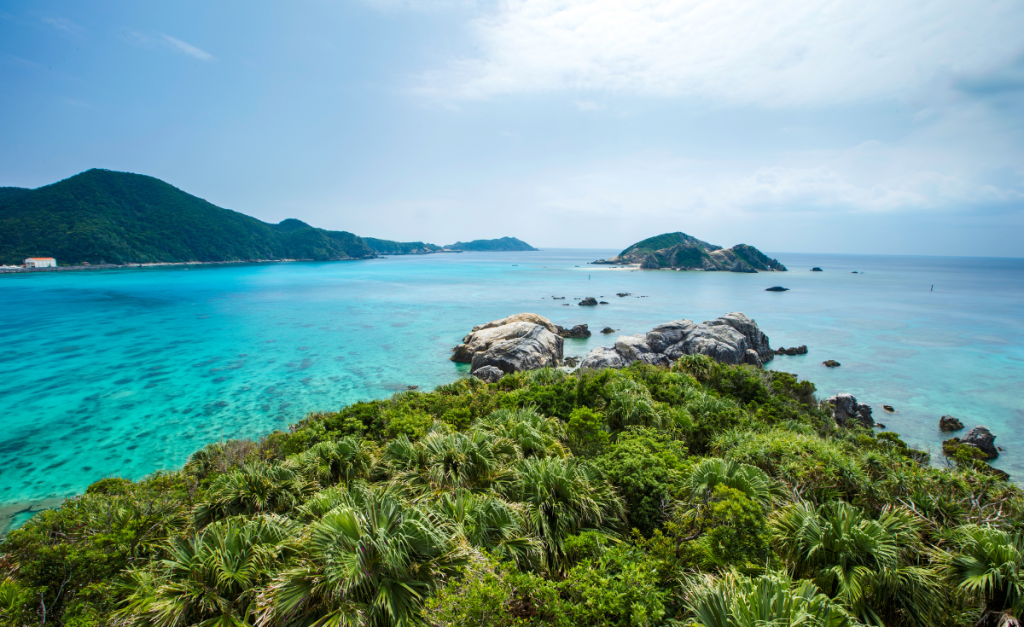
Tokashikijima is the largest island in the archipelago, and the first one you’ll see if you catch a ferry (or fly) from Naha. There are plenty of restaurants, accommodations, and hiking trails on this island, along with several different observatories for incredible views across the National Park.
There are stunning beaches for sunbathing and swimming, including Tokashiku Beach (also known as Turtle Beach), which is one of the best places in the whole prefecture to swim with sea turtles! Just make sure you book with an ethical provider, or follow all rules to never touch, chase, or harass sea turtles.
Zamamijima Island
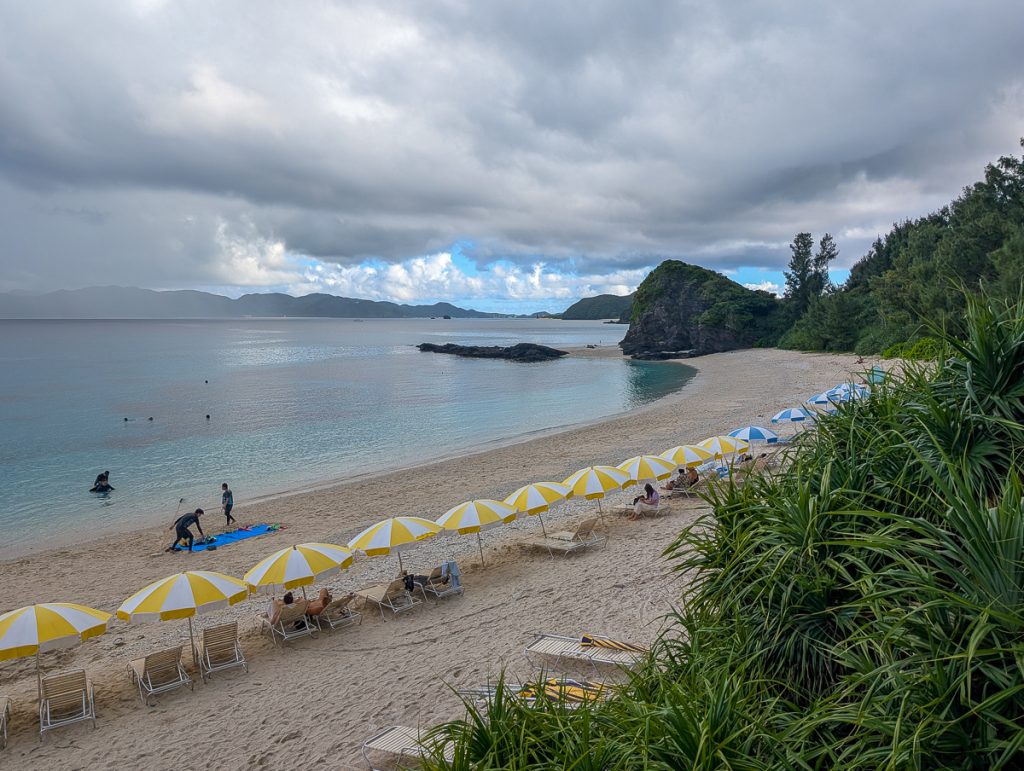
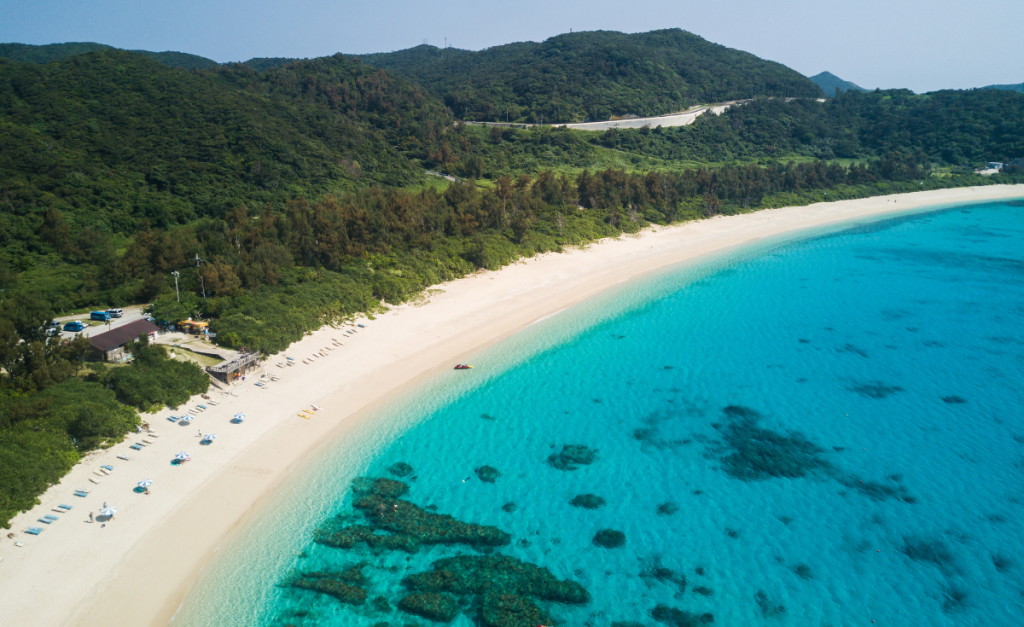
Zamami is the second-largest island, also known for its incredible beaches, including one which has two Michelin Green Stars: Furuzamami. Ama Beach is a great place to swim with sea turtles and possibly even spot them laying their eggs during the spawning season. But, give them plenty of space and respect the closed beach signs during this time. Both of those beaches are great for snorkeling and SUPing with sea turtles.
Inazaki Observatory offers excellent humpback whale watching opportunities in winter. You can also rent bikes or cars to get around on the island, plus there are accommodation options, such as simple guesthouses and even a few low-rise hotels.
Akajima Island
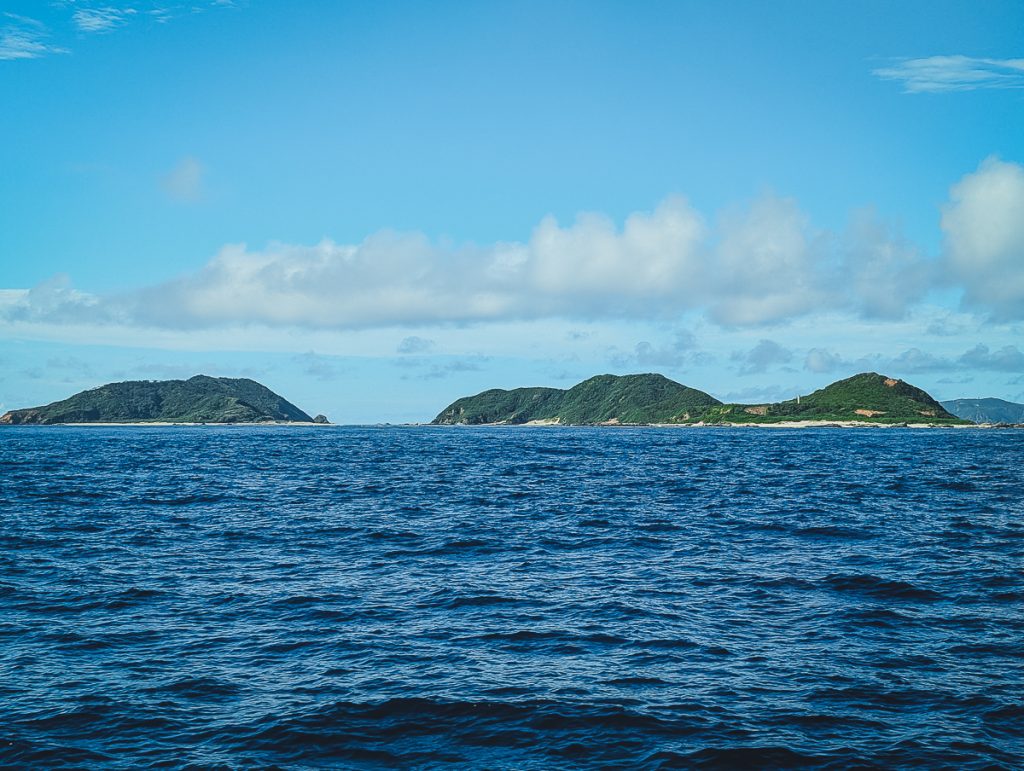
Aka is the third-largest island and is connected by bridges to both Gerumajima and Fukaji islands. Highlights here include snorkeling to see the coral reefs, colorful fish, and green sea turtles.
There are some smaller and simpler accommodation options on Aka. Keep an eye out for the small, native Kerama deer, which wander around freely on Aka, Geruma, Fuka, and Yakabi islands. Please do not feed these deer.
Gerumajima Island
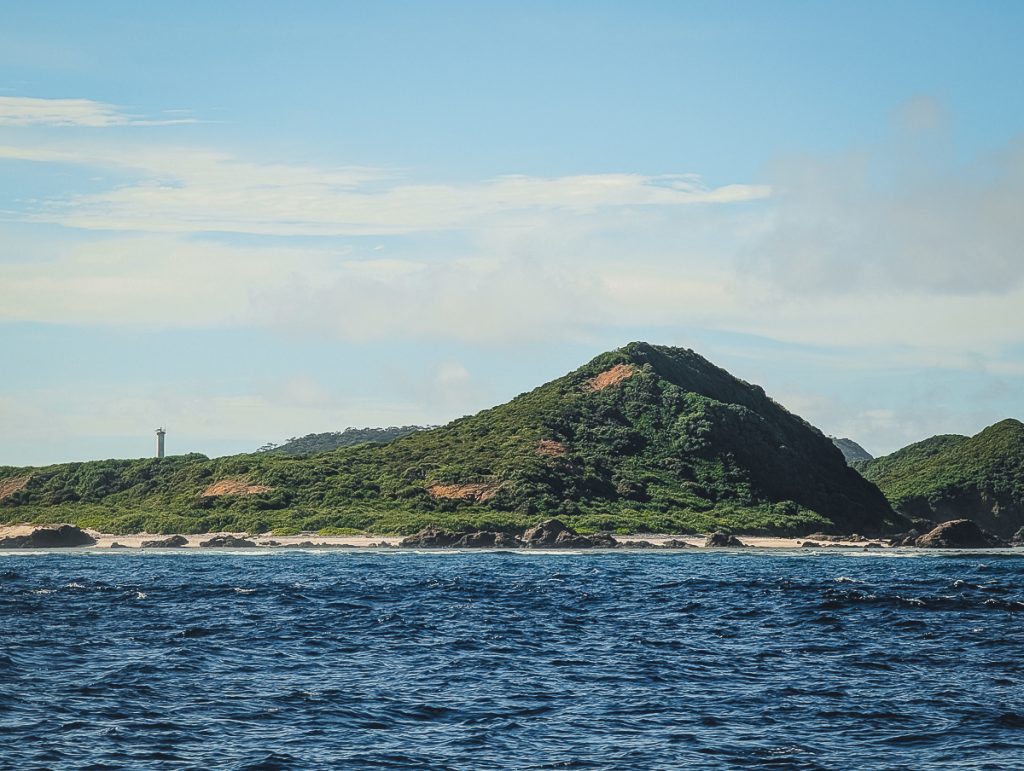
Geruma is connected to Aka by a bridge, so you can hire a bike, car, or just walk here from the larger island. There’s a hiking trail up to the Kātan Observation deck for stunning views, and this island is also home to the Takara Residence.
There’s only one guesthouse on this island, though, so you’re better off staying at one of the larger three. You can just head over to Gerumajima for the day to hike across the island or ride your scooter over to one of the beaches.
Fukaji Island
Fuka Island is connected by a bridge to Geruma, and this is where the small Kerama Airport is located, the only airport within the National Park. This island isn’t inhabited, so you probably won’t visit it if you aren’t arriving or leaving by plane.
There is, however, a monument here showing where US troops first landed on Japanese soil in WWII, if you’re interested in seeing that.
Other Islands
As I mentioned, there are many more uninhabited islands in the National Park, as well as the 90,475 hectares (223,570 acres) of the surrounding waters – all of which are protected. If you want to explore beyond the main islands, your best bet is to join a guided kayaking, snorkelling, diving, or boating tour.
Keramashoto National Park Ecology
One of the reasons that the protected status of this area is so important is the abundance of coral reefs and marine wildlife in the waters surrounding the islands. Coral reefs contain some of the most diverse ecosystems on earth, but they are under severe threat worldwide due to climate change, poorly managed tourism, overfishing, pollution, and coastal development.
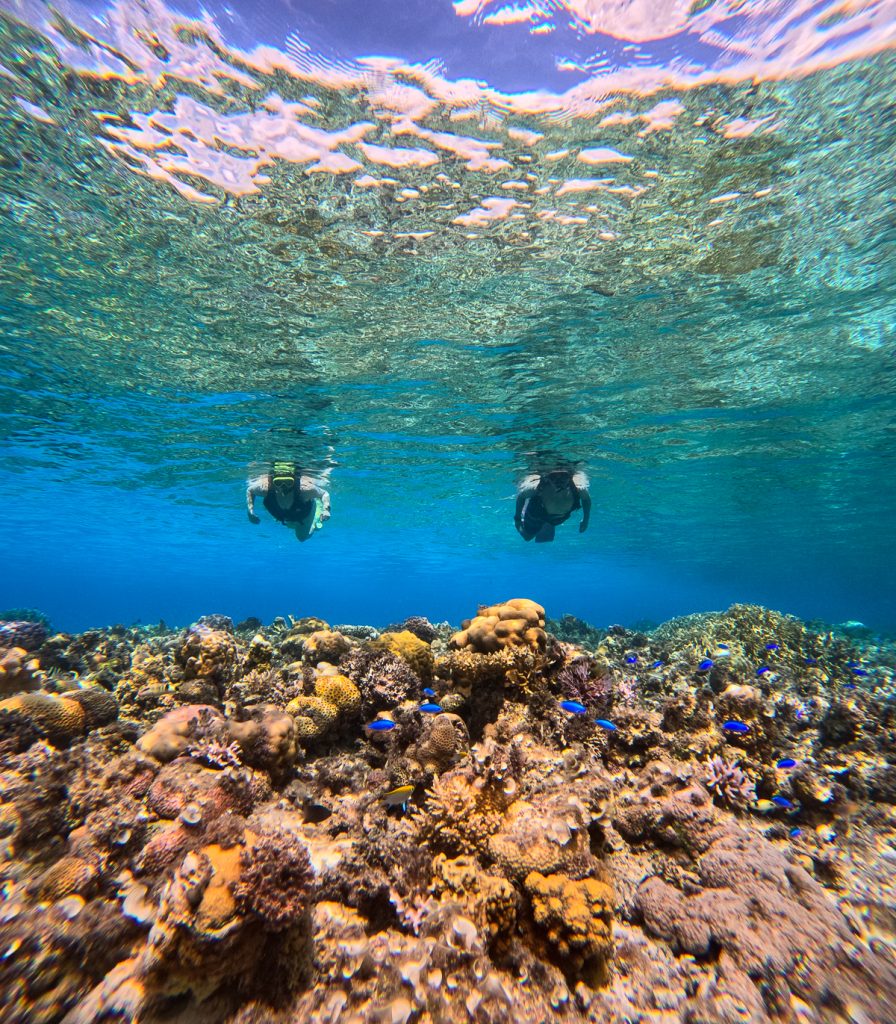
The local SCUBA diving and whale-watching associations of Zamami and Tokashiki have established guidelines to protect the coral reefs and wildlife in the national park. In addition to coral and fish, the waters around the islands are home to various turtle species, and in winter, they are a prime location for spotting humpback whales.
Green sea turtles
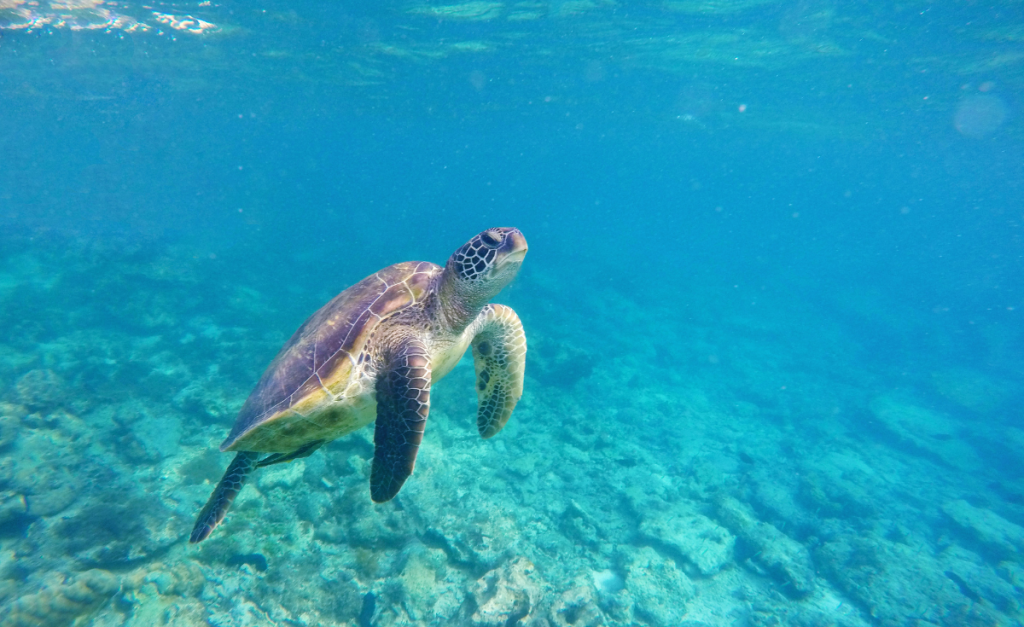
Green sea turtles are an endangered species. They come ashore to lay eggs on the beaches of Keramashoto National Park. Their numbers rapidly declined from hunting and fishing bycatch. While it is now illegal to collect, harm, or kill them in Japan, there are still places in the world where they are hunted for food.
Pollution and fishing nets also pose dangers to green sea turtles. Sadly, 20 green turtles were found stabbed in their necks recently. Fishers admitted to the crime after they accidentally caught the turtles in their net and couldn’t untangle them. Habitat loss from coastal development is another major threat.
They primarily eat seagrass and algae, and rely on healthy seagrass and coral systems for feeding and mating.
Hawksbill Turtles
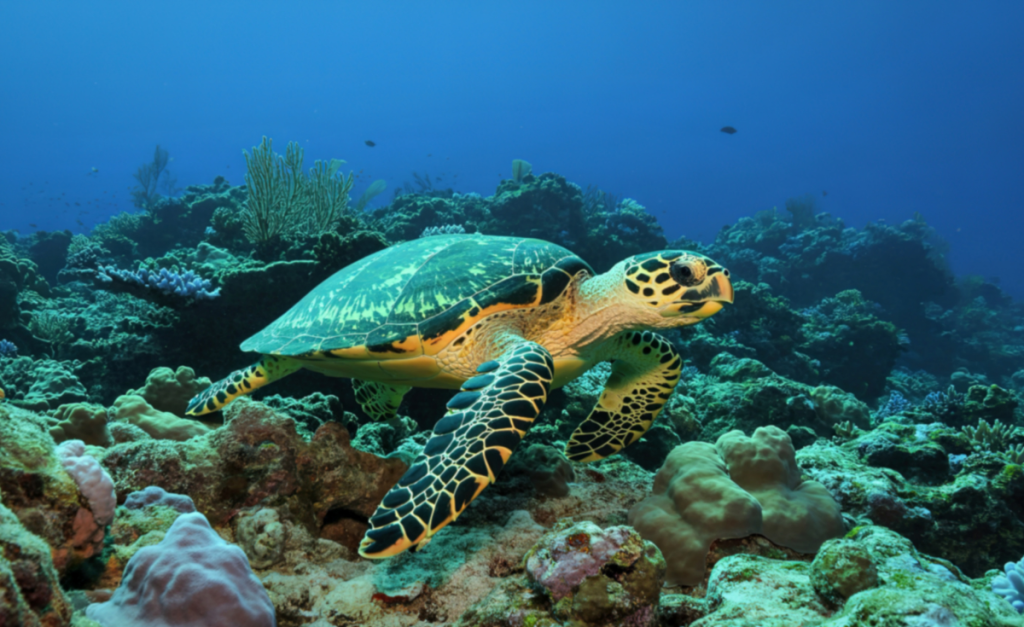
Another critically endangered species, they are the second-most common turtle to be spotted around Keramashoto after the green sea turtles. They come to feed in the lush coral reefs, with beak-like mouths, and they primarily eat sponges.
Their population declined rapidly due to hunting to create tortoiseshell products. Today, their biggest threats are climate change and the fishing industry.
Loggerhead turtles
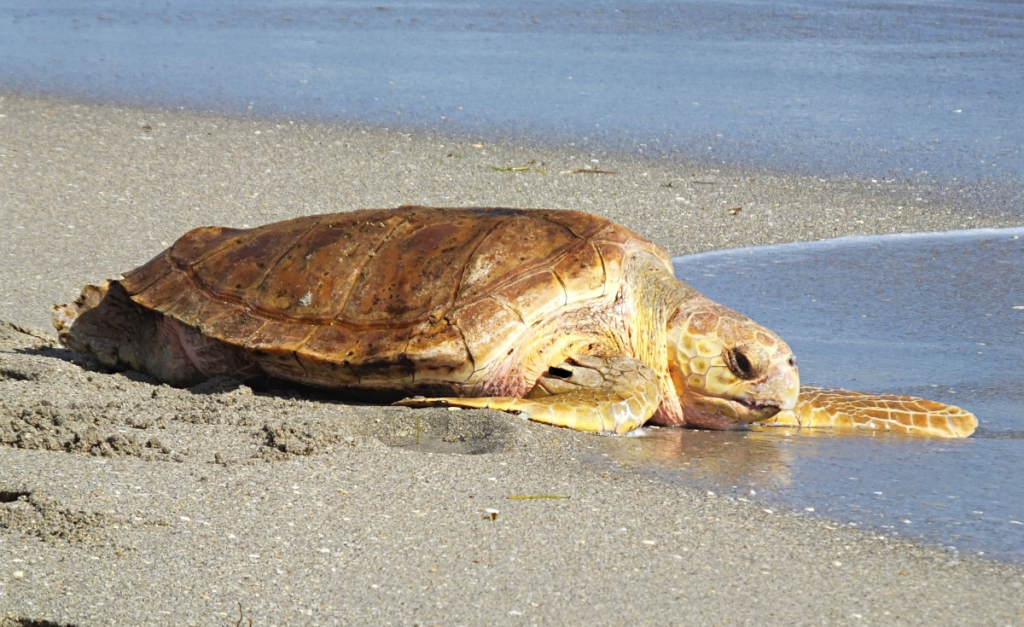
This species, considered vulnerable (and some populations are considered threatened or endangered), is also common in the waters around Keramashoto. As a carnivorous species, they primarily consume mollusks and crustaceans.
The biggest threats to loggerhead turtles are habitat loss caused by human development, and they can get trapped in fishing trawls, leading to suffocation and death.
Humpback whales
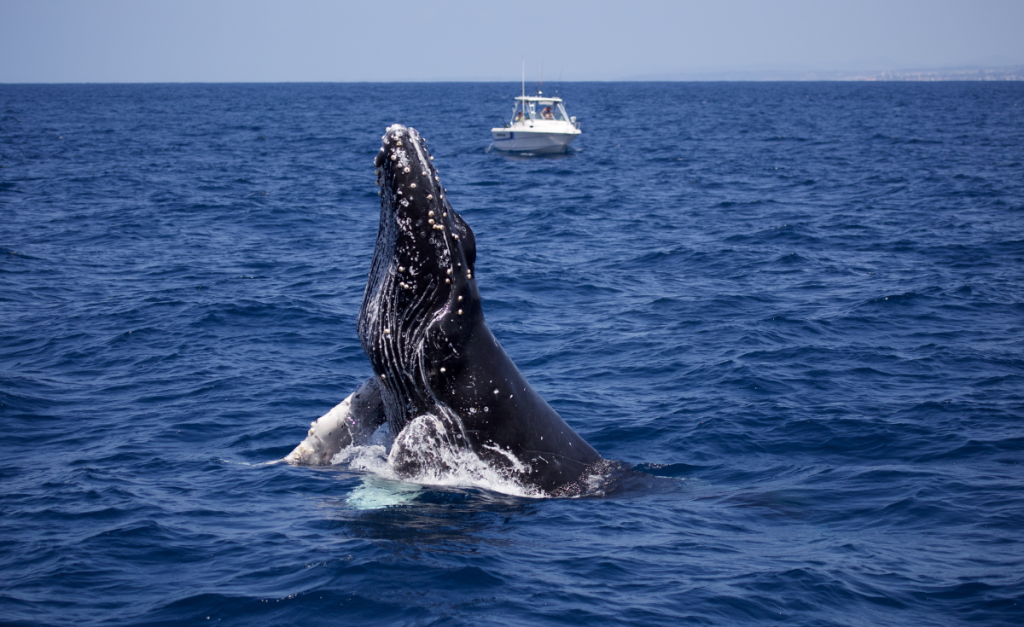
Humpback whales are commonly seen in the Kerama Islands during certain times of the year. They nurse their young in the waters around Japan between December and April, making winter an ideal time to visit the park if you want to spot many whales, including calves!
While humpback populations have recovered well since they were almost hunted to extinction by whaling, it’s still important that they have sheltered and protected areas (like the Kerama Islands) to nurse their young. The Keramashoto National Park is often called a “cradle” due to the protective measures that have been put in place to ensure mothers and calves continue to return here each year.
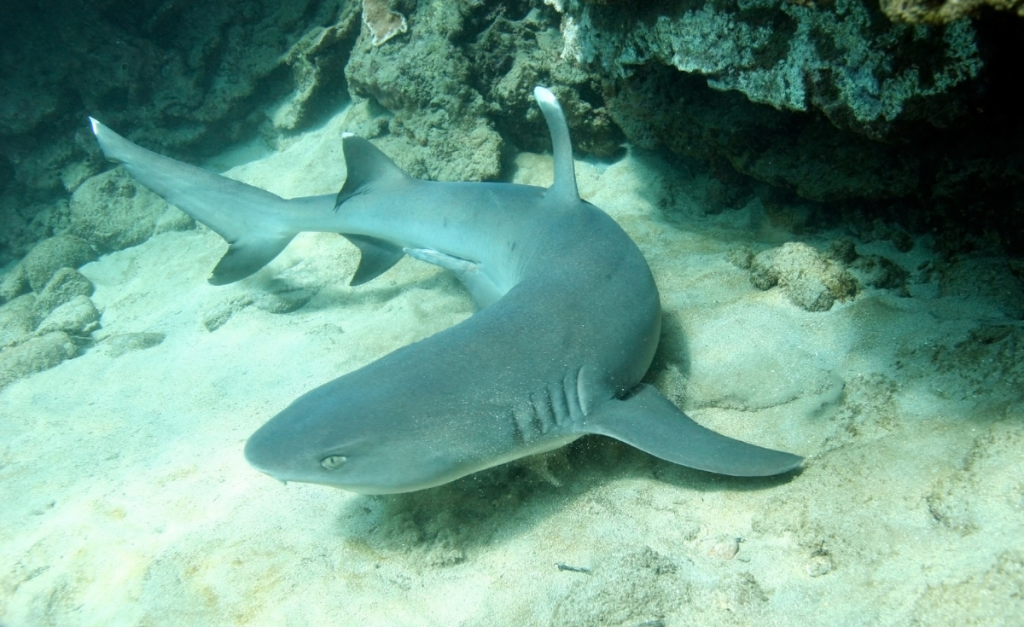
White-tip Reef Sharks
These small sharks are also often spotted resting on coral or cruising along the edges of the reef. As they don’t need to keep moving to breathe, they occupy a small home range.
Reef sharks are usually very relaxed and non-aggressive towards divers, although they may be curious. It’s still best to go diving with an accredited tour operator to ensure both the sharks’ safety and yours.
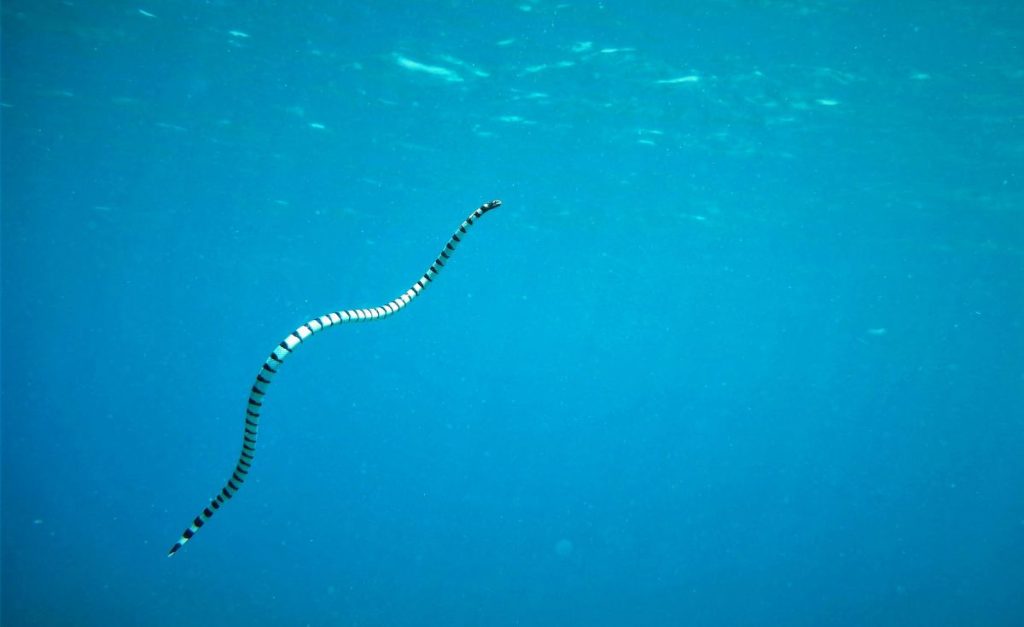
Black-banded sea kraits (snakes)
Sea snakes are common sightings when swimming in the waters of the national park. They are generally shy and uninterested in humans, but they are venomous, so keep a respectful distance. They usually only bite if cornered or threatened.
Kerama deer
Kerama deer are an endangered subspecies of sika deer that were originally brought to the Kerama Islands sometime during the 17th century. As a non-native species, they were subsequently hunted to extinction on Tokashiki and Zamami islands because they damaged crops. However, you may still spot a few in the wild on the smaller Aka, Geruma, Fukaji, and Yakabi islands.
Conservation and Protection of Keramashoto
Even though the islands and surrounding waters of the park are protected, the area still faces threats due to coral bleaching, tourism-related human damage, and outbreaks of crown-of-thorns starfish (which damage coral reefs).
The Japanese Government, residents, and researchers have plans in place to protect the coral, whales, and other environmental aspects of the Keramashoto Islands, with the promotion of eco-tourism a key concern.
“The Kerama coral reefs are very special. They account for over 60% of all the reef-building coral in Japan. There are nearly 250 varieties of coral. The reefs support a wonderfully diverse ecosystem, highlights of which include damselfish, butterflyfish, sea turtles, and humpback whales.” – Direct quote from the national parks website.
One of the most in-depth conservation efforts is how the people of the Kerama Islands work to protect the whales while ensuring their safety. Land-based spotters use the observatories on the islands to see where whales are and then radio the boats. They ensure an even spread of observers so that not all of the boats are crowding one area or pod.
Mothers and calves are also usually left alone, and there’s even a special Mother and Calf Whale Sanctuary, where boats are completely off-limits (although you can still often see them from land).
Another big effort is led by local researchers and divers to manage the crown-of-thorns starfish (COTS), which have extreme population booms that consume vast amounts of coral. This species is native to the Okinawan ocean and does have a regular boom and bust cycle. But with coral health worsening due to bleaching, reefs simply aren’t able to recover in time. Other human influences make COTS booms much more severe and extreme.
- Pesticide and fertilizer use cause nutrient blooms, which add fuel to the fire, giving starfish a much higher success rate of survival.
- Overfishing and poor coral health have led to a loss of predators that eat COTS.
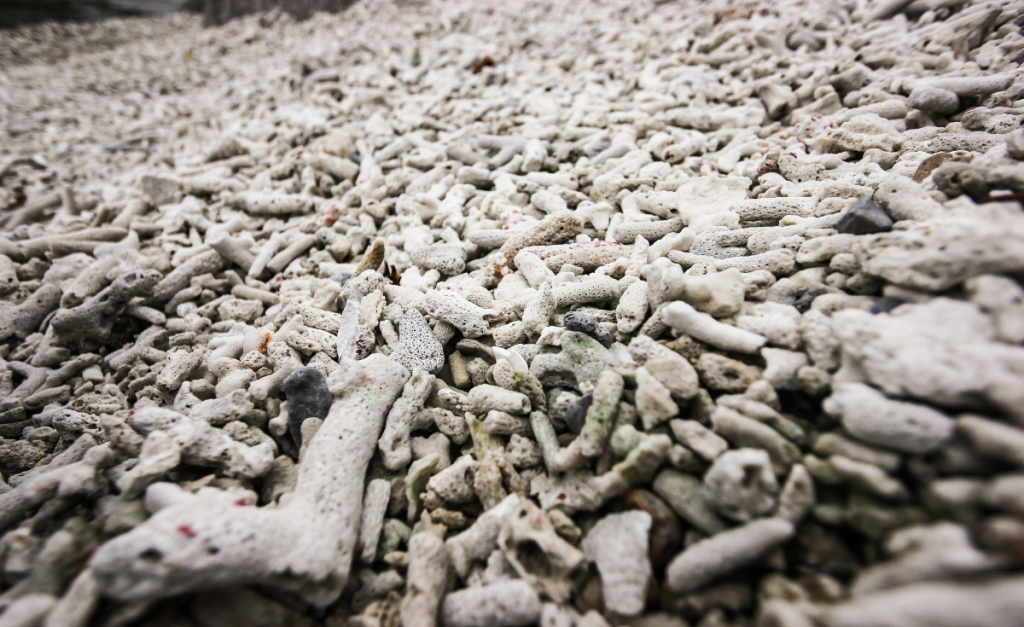
The situation can get so bad that divers remove the starfish before they can consume entire reef systems.
If you are visiting the National Park, make sure to check out some (or all) of the visitor information centers on the islands, as they have lots more information on conservation efforts, as well as rules and guidelines for guests to ensure the environment is being protected.
Park Rules and Regulations
While it’s definitely exciting to see and sometimes get close to the marine life in Keramashoto National Park, make sure you are always mindful of the animals’ welfare while you’re there.
While the turtles are often used to humans and quite relaxed when snorkelers are nearby, you should still always maintain a respectful distance and never attempt to touch or stress them out in any way.
If you join a snorkeling tour or whale-watching cruise, ensure that the company adheres to the self-regulatory guidelines so that these waters can continue to be a safe location for whales, turtles, and other sea creatures to return.
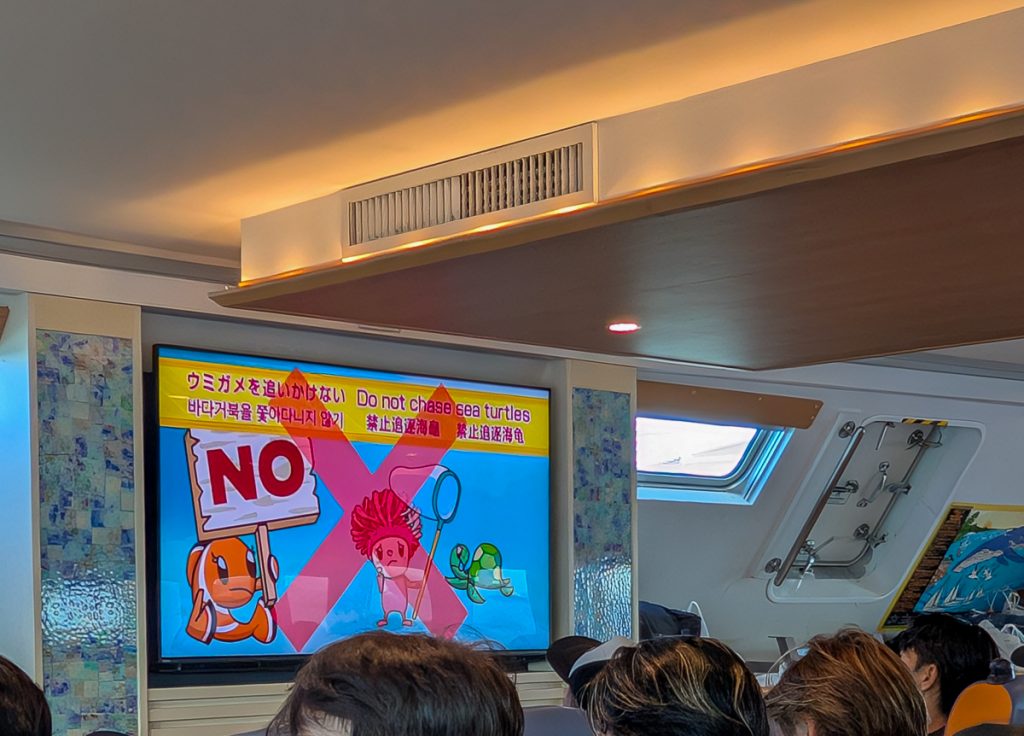
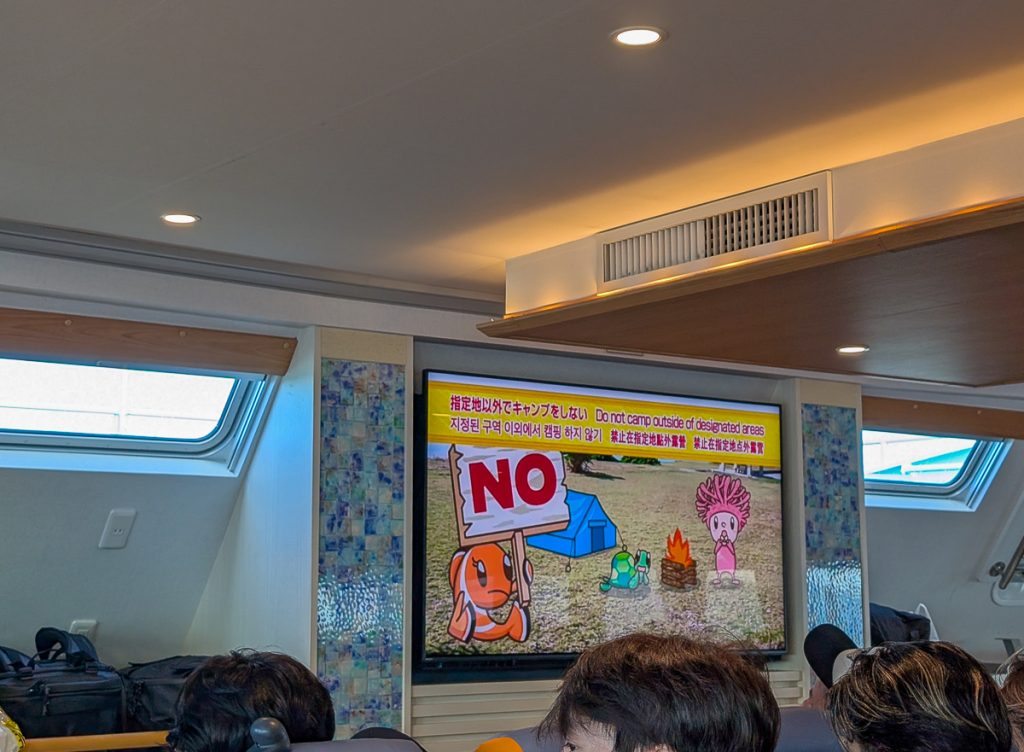
Tourism can often be a double-edged sword. Poorly managed tourism can seriously harm the natural environment.
- SCUBA divers and snorkelers kick and stand on coral, which can damage it and eventually kill it.
- Crowded tours that bring people close to turtles and allow touching can harm turtles and impact their breeding.
- Allowing travelers on beaches during turtle nesting can disrupt reproductive cycles and kill the next generation.
While well-managed tourism can contribute to the ongoing conservation and protection of the park.
- Protect coral reefs and turtle habitats through funding and education.
- Tourism stimulates the local economy away from extractive fishing practices.
To ensure you are doing everything possible to protect the marine environment, follow the park’s guidelines and ethical behaviors, including:
- No-touch policies for turtles and coral
- Do not feed or disturb wild animals
- Keep a safe distance from wild animals
- Don’t litter, take all trash with you (including food scraps)
- Camping is only permitted in designated areas
- Smoking is only permitted in designated areas – don’t smoke while walking to prevent wildfires, and don’t leave cigarette butts or ashes behind
- Don’t drive vehicles on beaches or other sensitive areas where turtles lay eggs
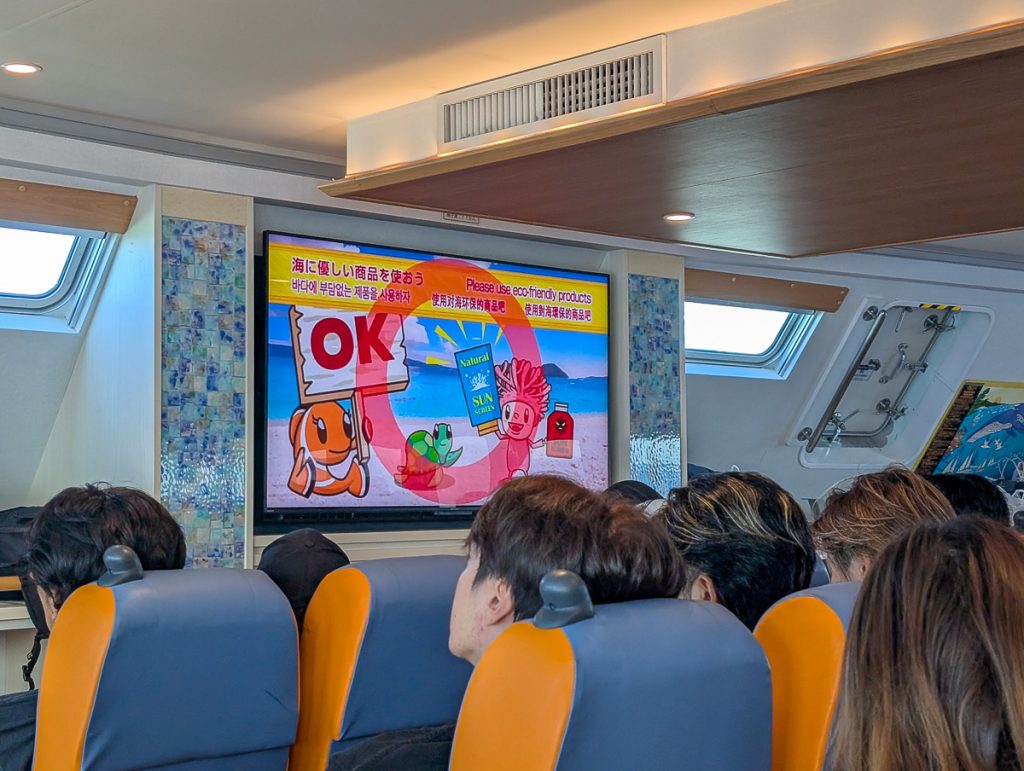
- Use reef-safe sunscreen
- Follow local guidelines for whale-watching
- If you plan to hike, check the weather, trail conditions, access information, and warnings in advance
- If you plan to visit a beach or go into the water, check tide times, tidal levels, and currents in advance
- Wear life vests when snorkeling to keep afloat, and avoid kicking coral
- Never stand on coral
- Do not take anything from the natural environment—coral, rocks, shells, sponges, or sand
- Be considerate of the local community – don’t trespass on private property, keep the noise level down, and don’t disturb local fishing or farming activities.
How to get to Keramashoto National Park
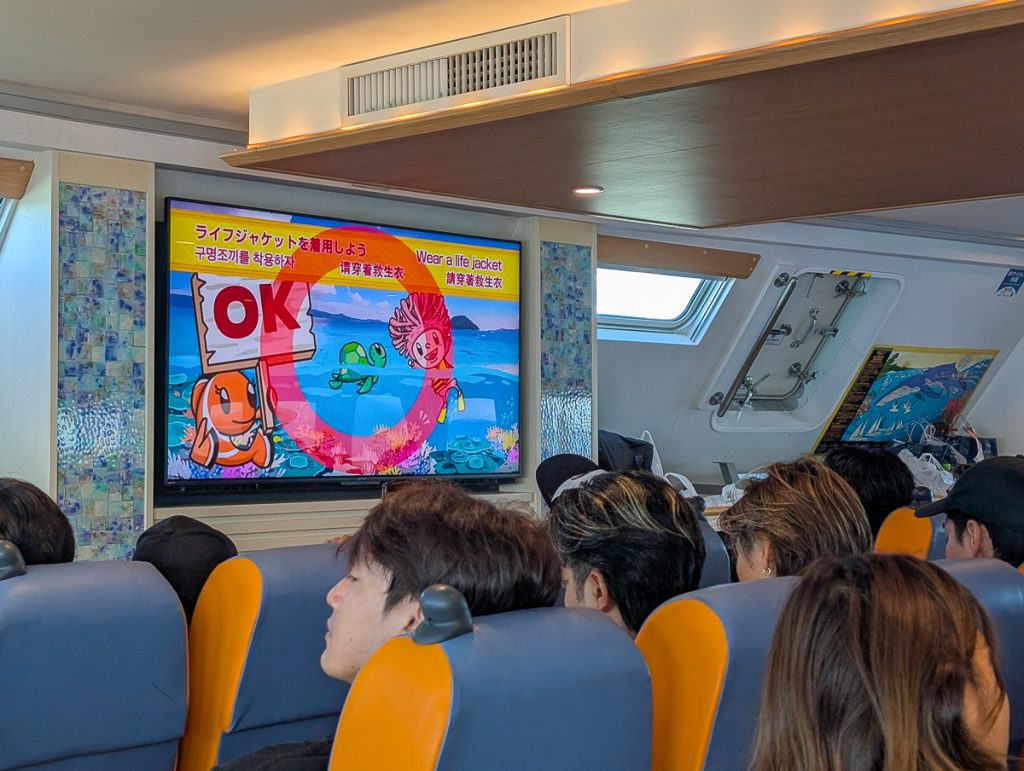
The islands of Kerashamoto National Park are located about 30 kilometers west of Okinawa’s main island. The easiest way to reach the islands is via ferry from the port city of Naha. There are both high-speed and slower car ferries available to Tokashiki Island and Zamami Island (via Aka Island).
How long you stay on the islands may affect your ferry choice. For day trips, I recommend the high-speed ferry that departs a few times a day and maximizes your experience in the park.
If you’ve booked accommodation and have a more flexible itinerary, you may opt for the slower ferry.
Do note that in the case of extreme waves, especially during typhoon season, ferries may be canceled because it is unsafe to sail. You can check daily notices on this website.
Naha – Tokashiki Island
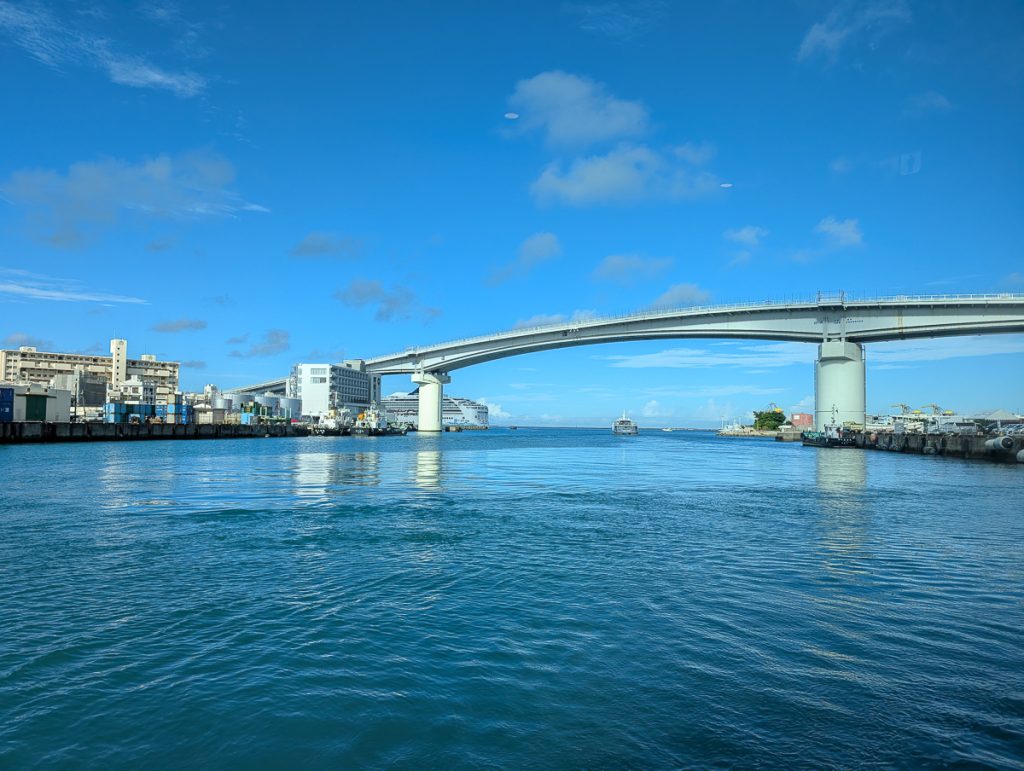
There are two ferry options, both departing from Naha’s North Pier of Tomari Port.
Fast Ferry (Marine Liner Tokashiki)
- 40 minutes
- Departing 2 times daily
- During certain peak periods, there are departures 3 times daily
- Tickets cost 2530 yen one way or 4810 yen for a round-trip on the high-speed ferry
Slow Car Ferry (Ferry Tokashiki)
- 70 minutes
- Departing at 10 am once per day
- Departures from Tokashiki back to Naha are once per day, and depart either at 4 pm (summer) or 3:30 pm (winter)
- 1690 yen one way or 2530 yen round-trip on the car ferry
To purchase tickets for both ferries online and for updated pricing and timetables, visit the Tokashiki Village website. In-person tickets and phone tickets are also available.
Note: you will need to input credit card details, but you won’t be charged until the day of departure.
Naha – Zamami Island (via Aka Island)
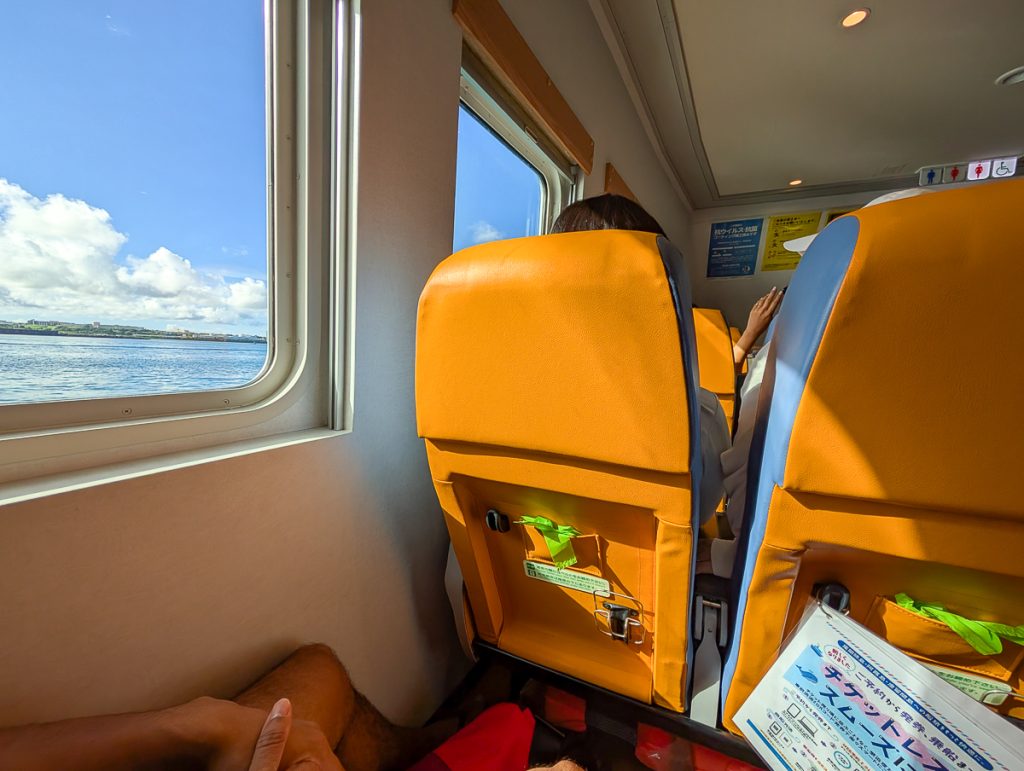
This ferry route departs from Naha going to Zamami with a stop on Aka Island, so you can use this service to access both island groups. There are two different ports for these services.
Fast Ferry (Queen Zamami)
- 50 minutes to Zamami
- 10 minutes from Zamami to Aka
- Departs from the North Pier of Tomari Port in Naha
- Departs 2 times daily
- 3 daily departures during special peak seasons (Golden Week and Japan summer holiday)
- Tickets cost 3200 yen one way or 6080 yen for a round-trip on the high-speed ferry
- Stops at Zamami, then Aka Port
Slow Car Ferry (Ferry Zamami)
- 1.5 hours to Zamami
- 15 minutes from Zamami to Aka
- Departs from the South Pier of Tomario Port in Naha
- Departs daily at 10 am
- A few peak days over the summer, 2 daily departures
- Tickets cost 2150 yen one way or 4090 yen round-trip on the car ferry
- Stop at Aka first, then Zamami, then Aka before returning to Naha
To purchase tickets for both ferries online and for updated pricing and timetables, visit the Zamami Village website. In-person tickets and phone tickets are also available.
Note: you will need to input credit card details, but you won’t be charged until the day of departure.
Getting Between the Kerama Islands
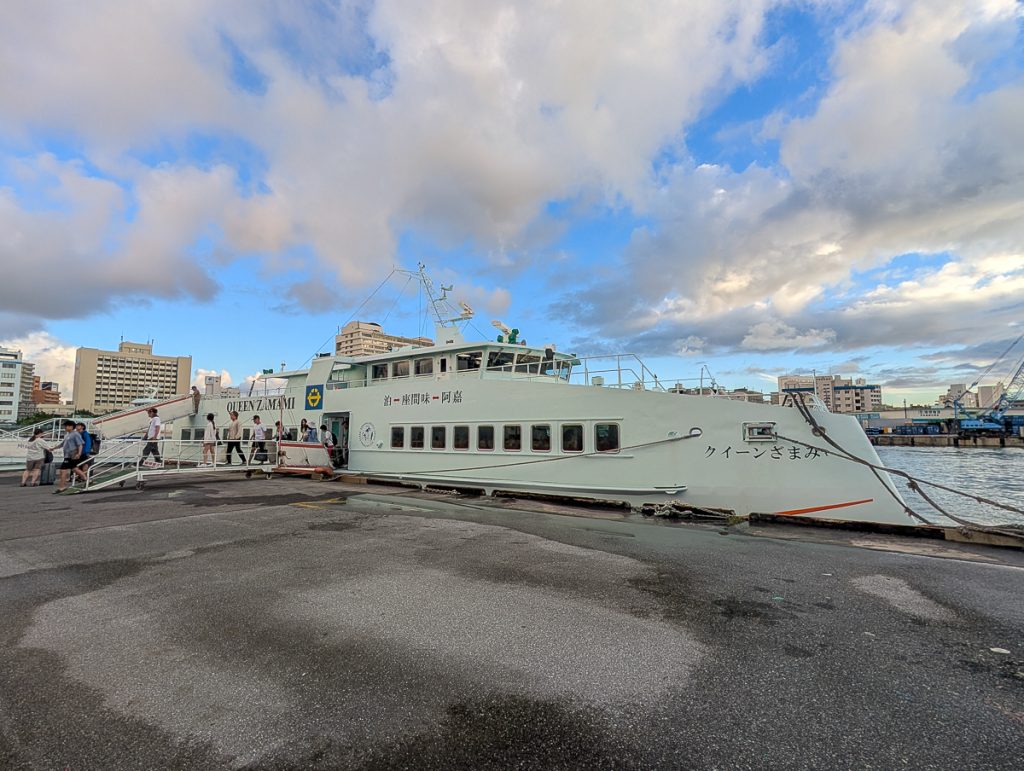
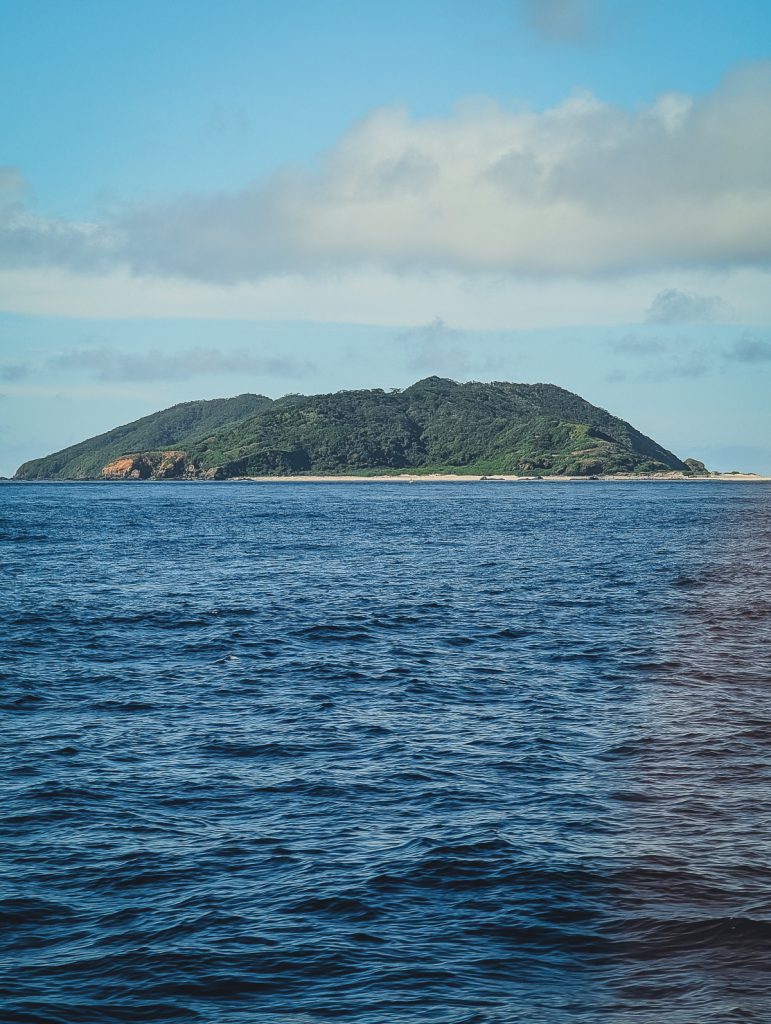
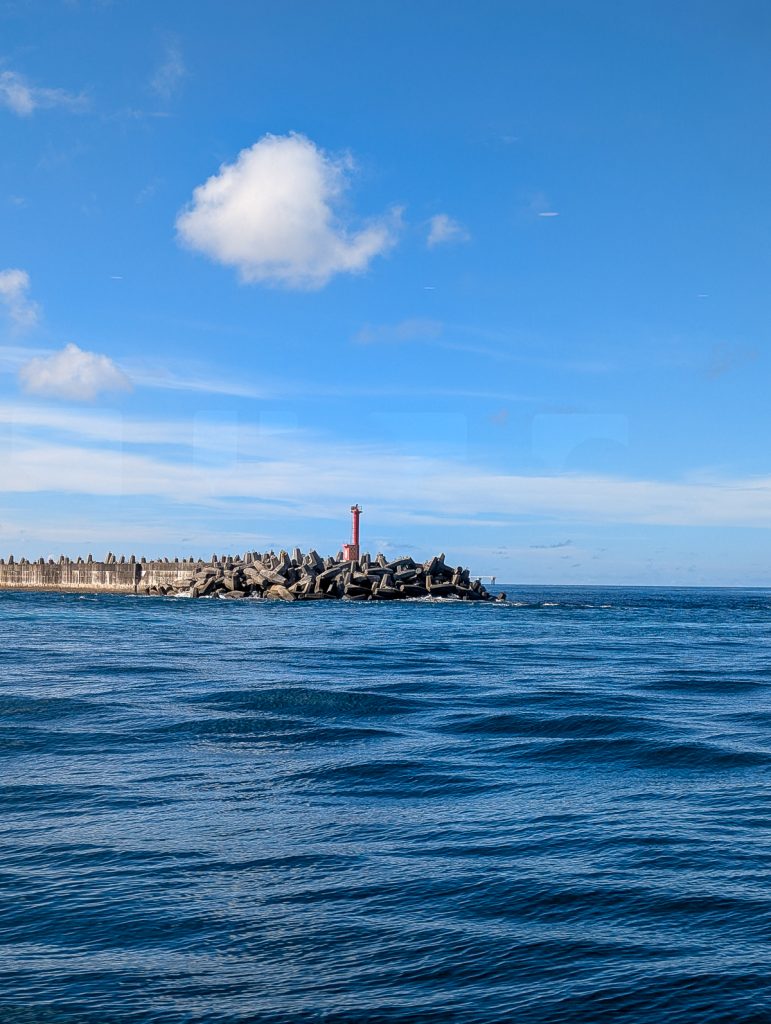
There is also a small local ferry, called Mitsushima, between the main islands, connecting Aharen Port on Tokashiki Island to Aka Village on Aka Island and Zamami Village on Zamami Island.
Note that if you want to travel by ferry to or from Tokashiki Island, you need to reserve your tickets at least one day ahead, but you don’t need to reserve tickets for the ferry between Aka and Zamami.
There are also bridges connecting Aka, Geruma, and Fukaji Islands, so you can ride a bike or scooter to explore all three if you like.
Mitsushima Ferry
- Tokashiki Island – Aka and Zamami: Tickets to and from Tokashiki cost 1100 yen one way. The trip from Tokashimi to Aka takes 20 minutes, and 35-minutes from Tokashiki to Zamami.
- Zamami Island – Aka Island: As well as the ferry from Naha, which stops at Aka, there is also a village ferry between Zamami and Aka, which runs several times a day. Tickets cost 300 yen one way, and the trip takes 15 minutes.
Getting Around the Islands
Once you are on an island, do you need a car? Unless you are staying for a longer trip and want total independence to visit different observation decks and more secluded beaches, you won’t need a car.
Most tour companies and hotels will arrange a pick-up for you to and from the ferry. If you want more mobility and freedom, I suggest renting a scooter or bicycle.
Where to Stay in Keramashoto National Park
As I’ve mentioned, there is only really accommodation available on the three largest islands: Tokashiki, Zamami, and Aka. There’s also one guesthouse on Gerumajima Island, although it’s probably easier to visit Gerumajima, Fukaji, or any of the smaller islands as day trips and stay over on one of the larger islands.
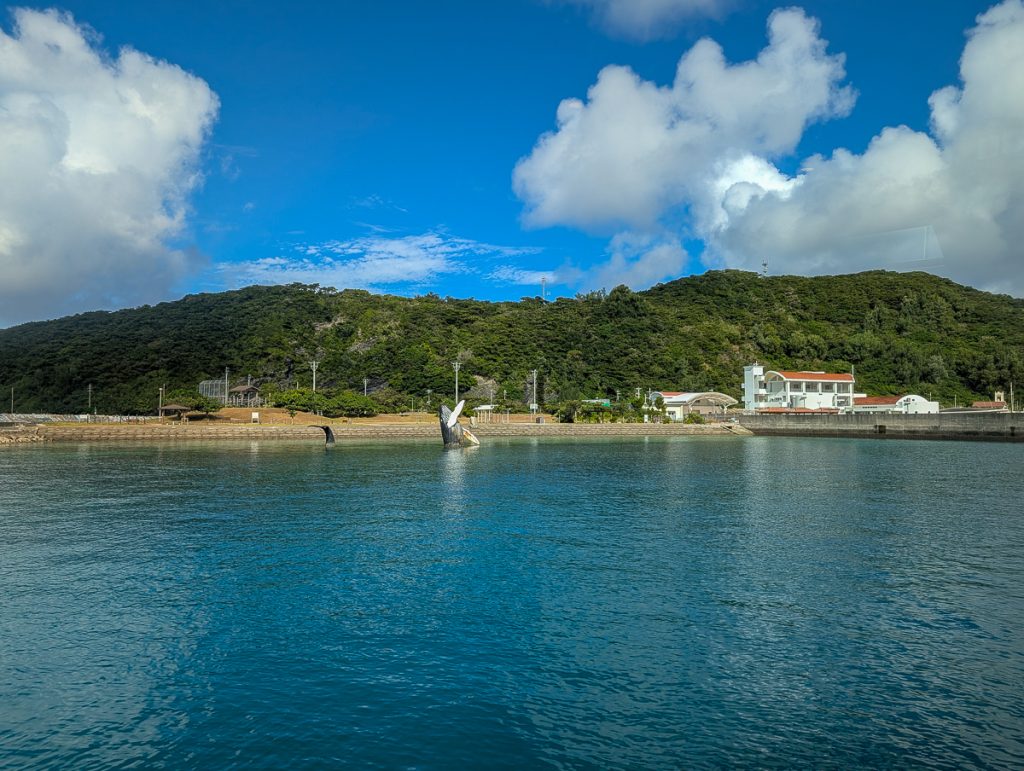
Do note that the accommodation style on offer here is not really high-end hotels with the kind of service you might expect in a fancy international chain. Accommodation options here are more traditional, cozy, and family-style guesthouses, sometimes with self-contained options. Everything will be clean and comfortable, though, with many guests raving about their kind hosts.
There are a few hostels on the islands as well. These are where a lot of passionate divers stay, so they will be great places to connect with like-minded marine enthusiasts.
There are also camping grounds if you want to save money and get even closer to nature. Note: Wild camping is not permitted.
Zamami Picks
- St. Marie Zamami is the closest you are going to get to a more Western luxury hotel experience right downtown, with a pool, views, and spa experience. But, of course, that comes with a very high price tag.
- For something close to the incredible Ama beach, check out this cozy and traditional Minshuku Yodokari. You can choose between a Japanese and a Western room.
- Kerama Blue is a nice mid-range hotel with Western beds right on the quiet Nchāna Beach. Note: This beach is not ideal for snorkeling, but just for swimming.
- For an immersive homestay with a local family, check into Homestay Kucha.
Tokashiki Picks
- Kerama Terrace is the luxury choice on Tokashiki with spa amenities, dining, and a pool. Each room comes with a balcony and a view!
- For a nice mid-range hotel, check out Hotel Kanaloa, not far from the port.
- Head to the quieter Tokashiki Beach on the other side of the island from the port and check into Tokashiku Marine Village on the beach.
- For a budget backpacker experience, check out Kerama Backpackers.
Aka Picks
- Aka’s most luxurious, modern, and expensive choice is the Blue Suites Hanamuro. Move from the beach to their pool. Start and end your day with a meal.
- Chill out at the welcoming Hanamuro Inn with a nice outdoor space, simple but clean rooms, and great staff.
- Book a hostel for adults. Urakerama has a shared kitchen, but private rooms with plenty of space. This is perfect for independent travelers who like to socialize.
Which Islands to Visit?
It is unlikely you will visit all the main islands during one trip, unless you have a lot of time over a few days. If you’re slow traveling, you can use the small local ferry to get between the islands without heading back to Naha every time.
Considering the ferry system is divided between two main areas, I would suggest either sticking to Tokashiki, the largest island, and exploring that over two or more days with the slow ferry.
I also recommend sticking to Zamami and Aka, which is what we did. These islands can be accessed by the same ferry. If you have only one day, visit Zamami for snorkeling, SUP, the observatory, and enjoy the village. With 2+ days, head over to Aka and rent scooters to visit the other island by bridge for more snorkeling, swimming, and hiking.
When to Visit Keramashoto National Park
Winter is definitely the most popular season for whale-watching enthusiasts to visit the Keramashoto National Park. Summer is ideal for swimming and snorkeling, but every season has advantages!
Winter: Peak whale-watching season and mild temperatures since the islands are so far south of mainland Japan. It’s not peak season for tourists, though, so you won’t have to deal with crowds.
Spring: The tail-end of whale-watching season, so you might still get to see them. Plus, the temperatures are getting warmer, meaning the beaches are opening for swimming again.
Summer: The coral is spawning, and the heat makes any water activities particularly lovely. Typhoon season stretches from summer to fall, so there may be some days when it’s not safe to get out on the water. This is an excellent time for snorkeling with turtles, scuba diving, and SUP at sunset.
There will be more crowds, though, with summer holidays bringing a lot of regional and local tourism to the area.
Autumn: As the humidity drops, hiking around the islands becomes more enjoyable, while it’s still warm enough for water activities like snorkeling and diving. There will be fewer crowds here, making turtle snorkeling less chaotic and stressful for everyone.
We visited in October and found it to be a lovely time of year. With fewer crowds, we didn’t have a hard time getting ferry reservations or booking a private SUP and snorkel tour. We still had hot, sunny weather, perfect for enjoying those incredible waters.
Things to Do in Keramashoto National Park
Now that we’ve covered quite literally everything you need to know about visiting Okinawa’s Keramashoto National Park, here are 20 incredible things to keep you entertained!
1. Whale Watching (Cruise Tour or From Land)
From December to April, the Kerama Islands become the calm nursing grounds for humpback whales migrating from the north. You can join a specialized whale watching tour to witness these gentle giants. The Zamami or Tokashiki Whale Watching Associations conduct all whale-watching tours. These accredited groups follow strict guidelines for ethical observation around mothers and calves, ensuring these waters are safe and calm, like a cradle.
The people of Keramashoto have long viewed whales as more than a tourist attraction and as part of their community. They, along with the Whale Watching Association, are engaged in community conservation as I mentioned earlier.
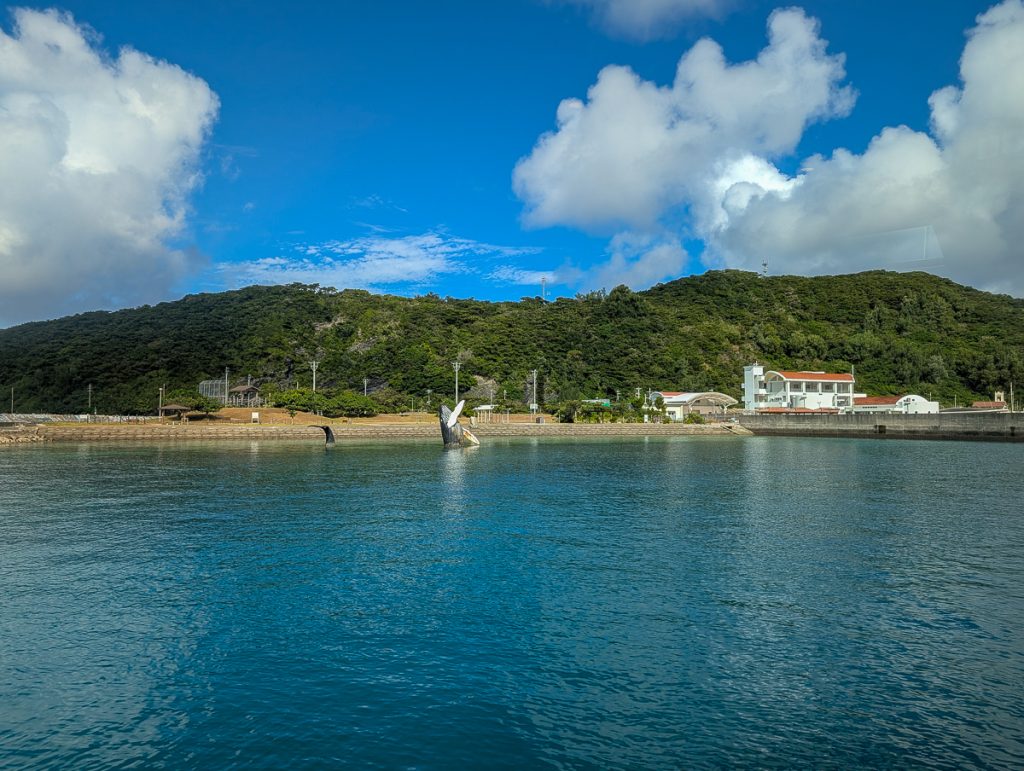
All tours depart from Zamami or Tokashiki, boasting high sighting rates during the peak season. This is not because of baiting or harassing; rather, a community member is often stationed in a lookout tower, both to help tourists spot whales and to ensure commercial boats stay clear of mothers and calves.
Knowledgeable guides share insights into whale behavior, making the trip both educational and thrilling.
If you prefer staying on dry land, bring a pair of binoculars to the Unajinosaki Observatory. It’s a budget-friendly way to spot blows and splashes while enjoying the coastal breeze. The viewing is so good from these locations that in bad weather, the tours may even stay on dry land.
2. Snorkeling Among Coral Reefs
The park is famous for its incredible water clarity, making it a great place for snorkelers floating on the surface. We went snorkeling at Furuzamami, which is a Michelin Green Star, recognized for its clean waters and eco-tourism.
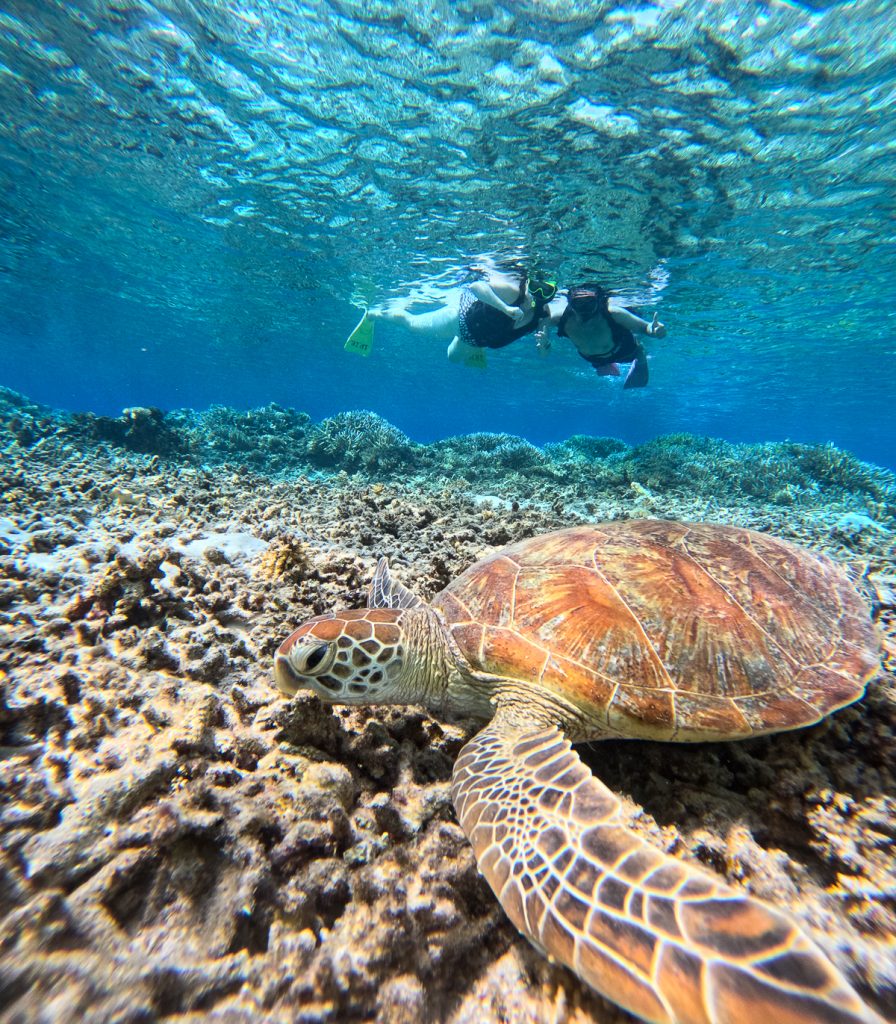
At the beach, there is a place to rent snorkel equipment, and you can venture off into the cove for snorkeling. The water here is a bit deeper than at other beaches, but we were still able to see plenty of fish and coral. While sea turtles are frequent visitors to the coral reefs and seagrass beds, we didn’t spot any at Furuzamami.
We did see some at Ama, where they do prefer the corals there. However, this area is a bit more protected, and the tides dictate whether you can swim or not. For these reasons, I suggest booking a tour with IRIE Zamami. They can help you navigate the tides, take photos for you, and ensure you keep a safe and respectful distance from the turtles.
You should always snorkel at high tide and wear a life jacket to keep you afloat and protect the coral. Plus, the wildlife viewing opportunities and coral colors are better at high tide.
3. SCUBA Diving
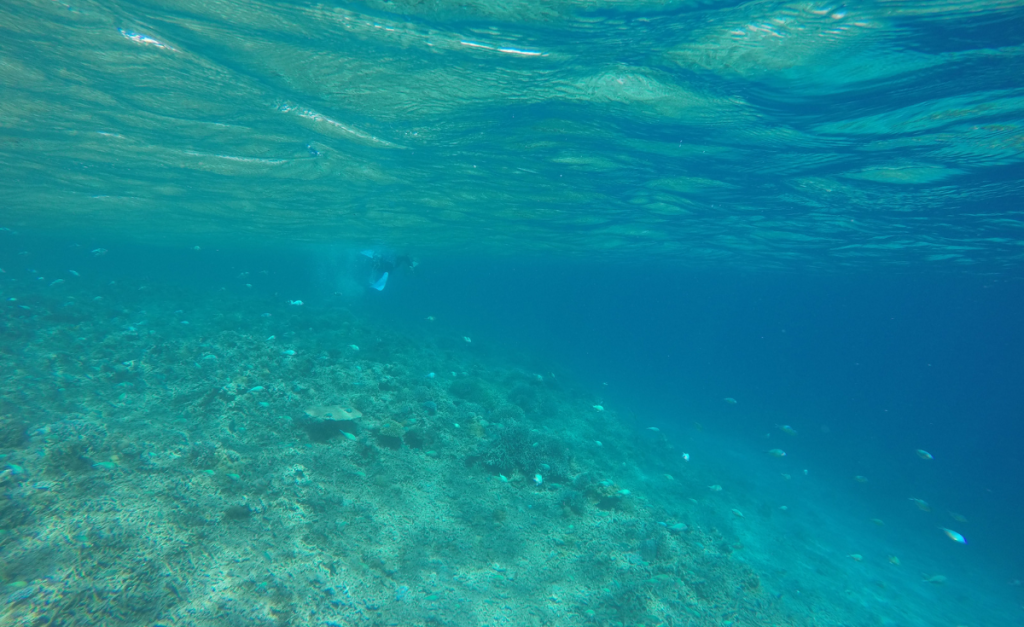
With dozens of dive sites ranging from shallow reefs to dramatic drop-offs, Kerama is a bucket-list destination for divers of all levels. Kerama waters are known for diverse sea life. Aside from sea turtles, you might spot reef tip sharks, pygmy seahorses, and manta rays.
For both your safety and the animals’, book a guided SCUBA tour for a half or full day dive experience.
Other dive operators offer multi-day packages that include boat transport to more remote reefs. Staying at dive hostels is also popular.
We met a diver in the Golden Gai when we were in Tokyo, and he would not stop raving about diving off Okinawa.
4. SUP (Stand-Up Paddleboarding)
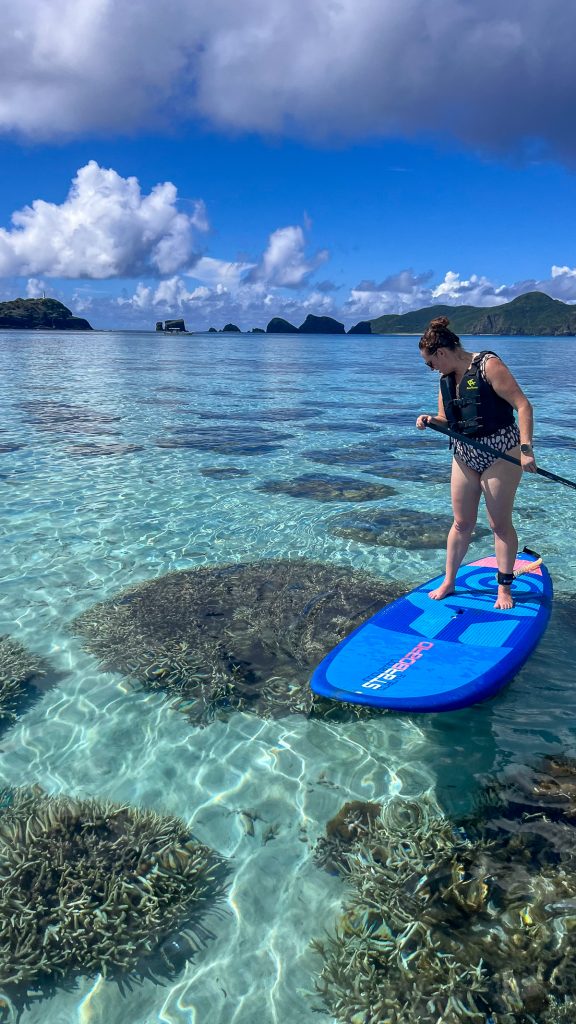
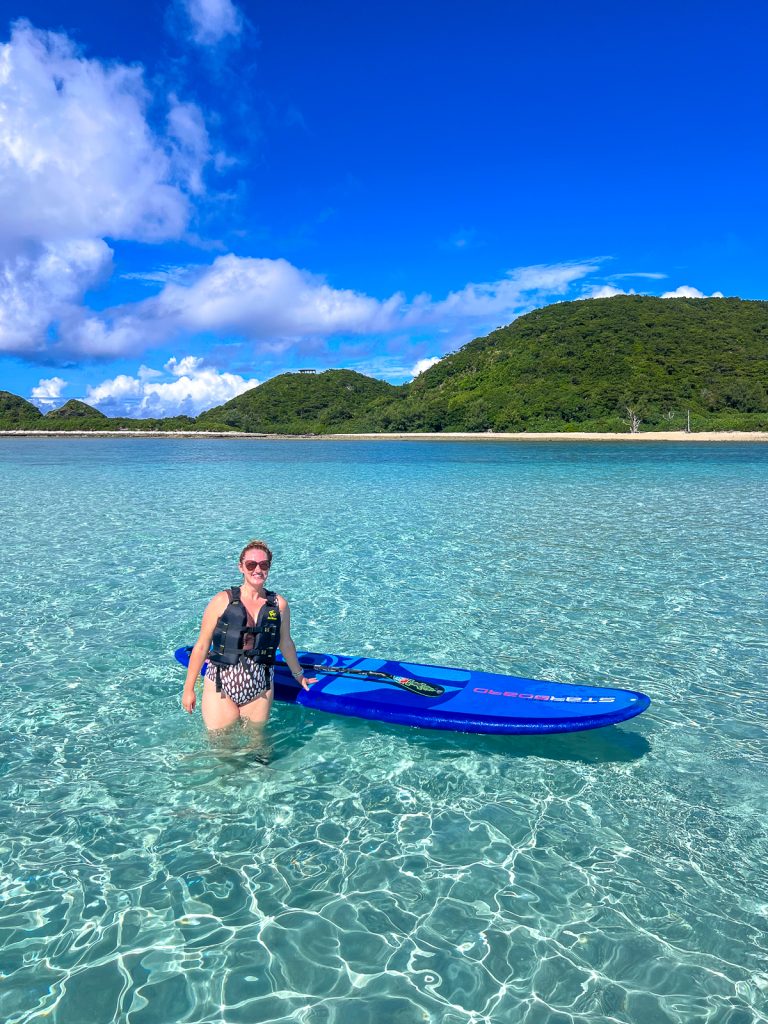
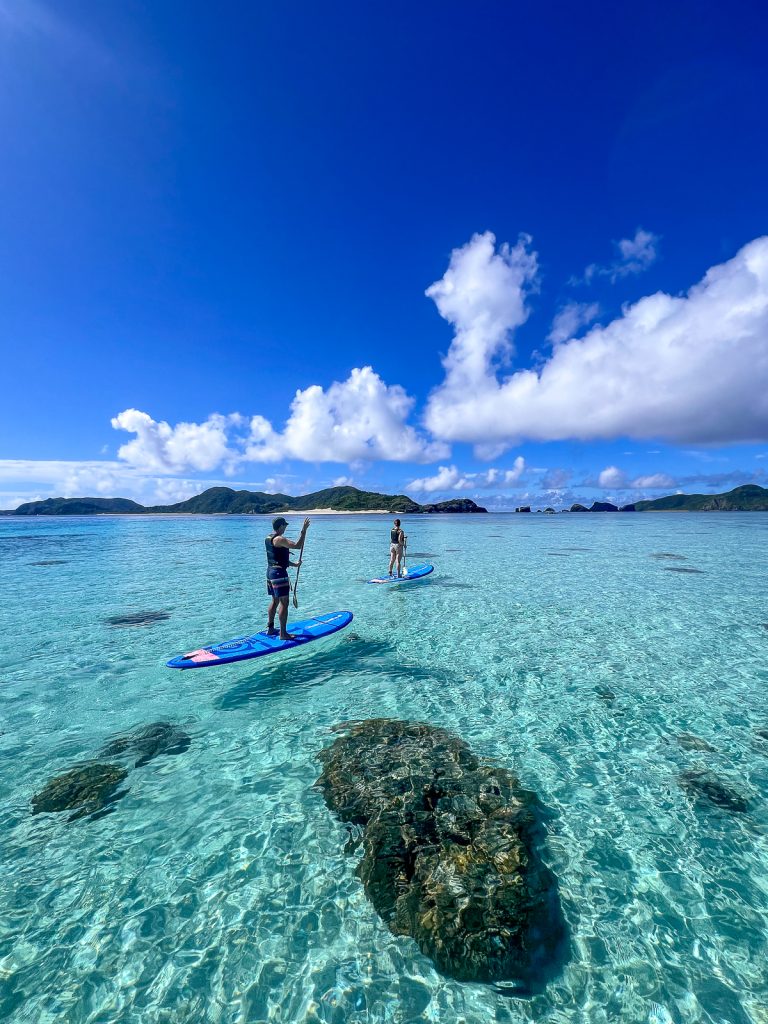
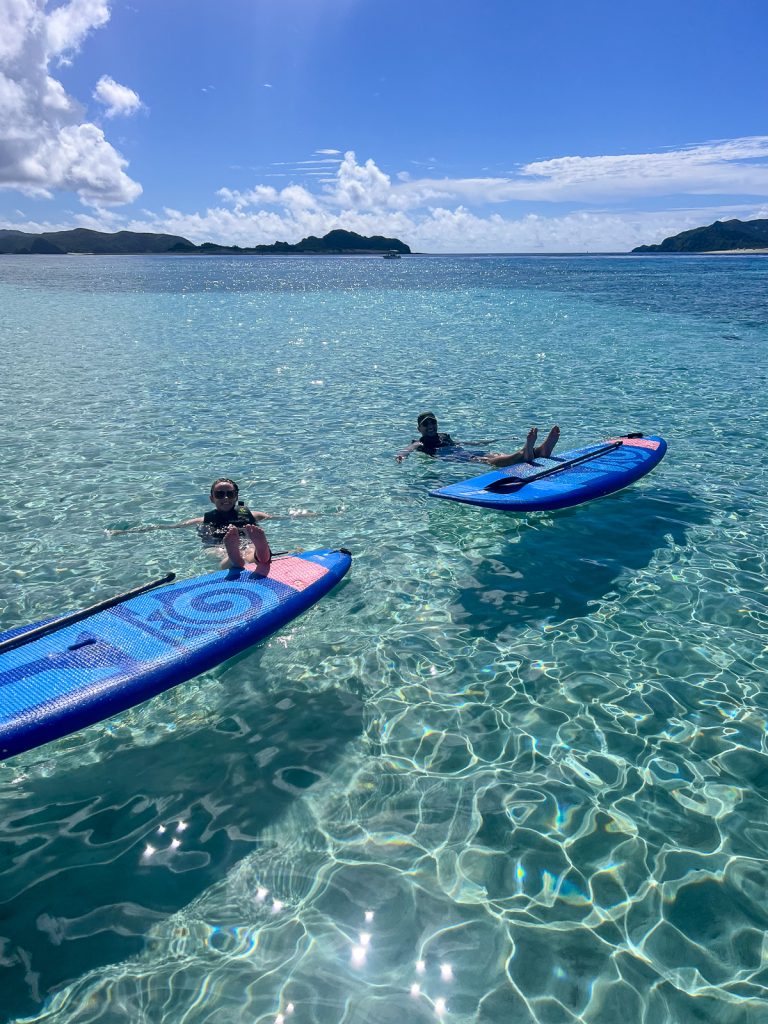
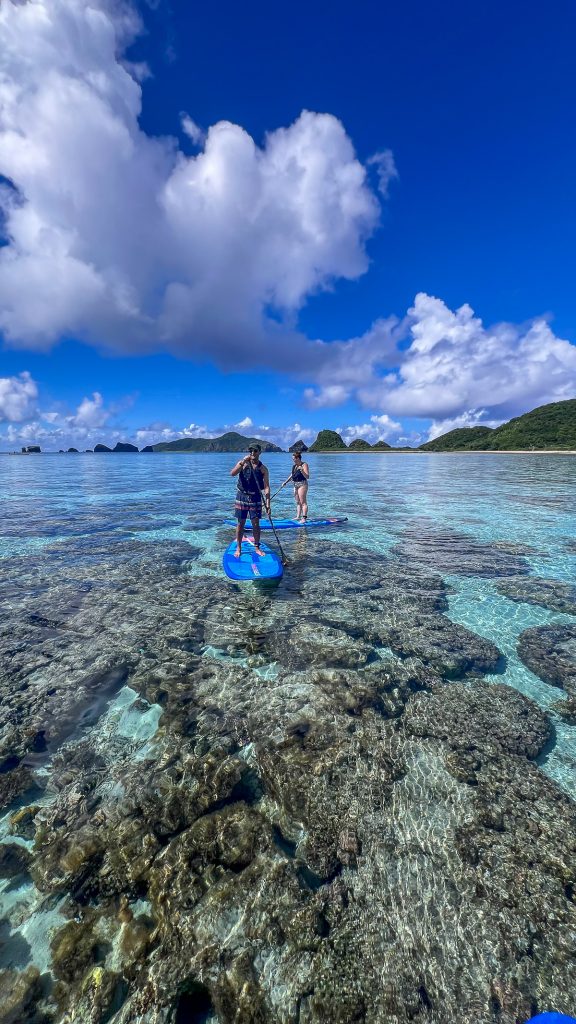
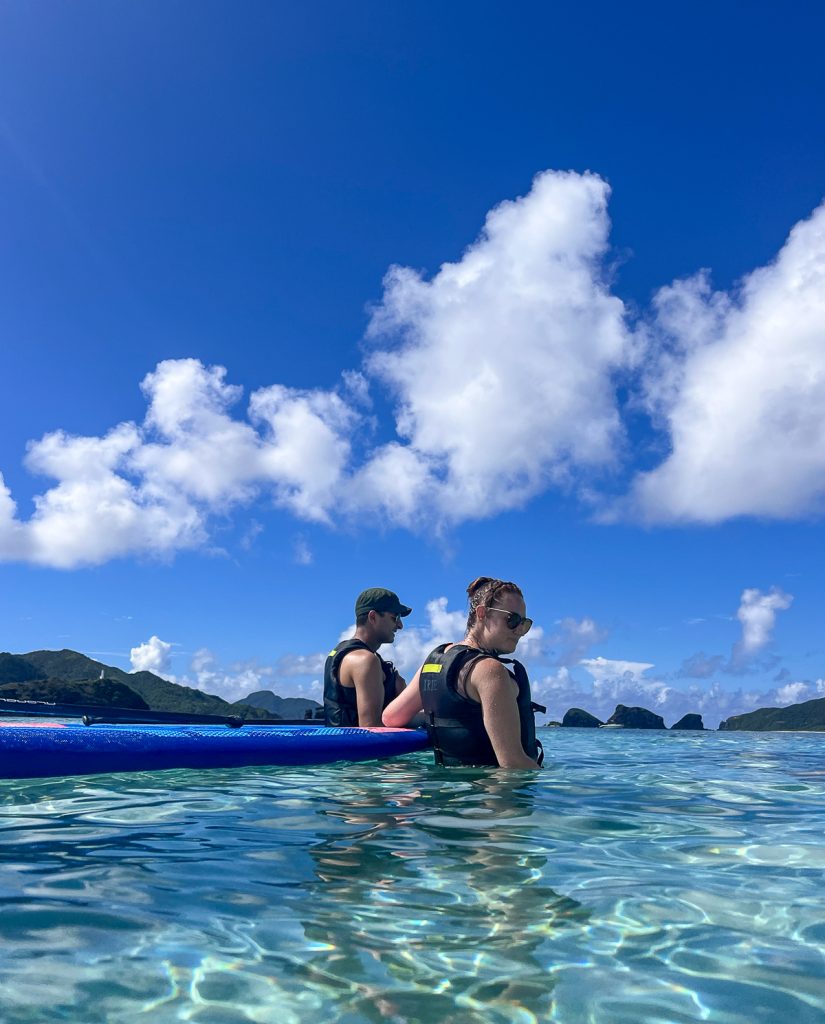
One of our favorite experiences was SUPing at Ama Beach. We floated over the coral, spotting the neon tropical fish darting to and fro. We even paddled above a sea turtle. Our guide at IRIE Zamami took us to a sandbar where we were able to get off the SUPs and splash about in the shallow sandy water.
The calm, sheltered bays of Zamami and Tokashiki are perfect for beginners to practice their balance with incredible Kerama Blue water and bright sun. It is a meditative way to explore the coral without disrupting the animals or corals.
Sunrise and sunset sessions are particularly magical, as the sky turns brilliant shades of pink and orange. IRIE Zamai even has a sunset SUP tour.
If you are going with IRIE as we did, book their SUP and snorkel to enjoy the best of both worlds.
5. Kayaking
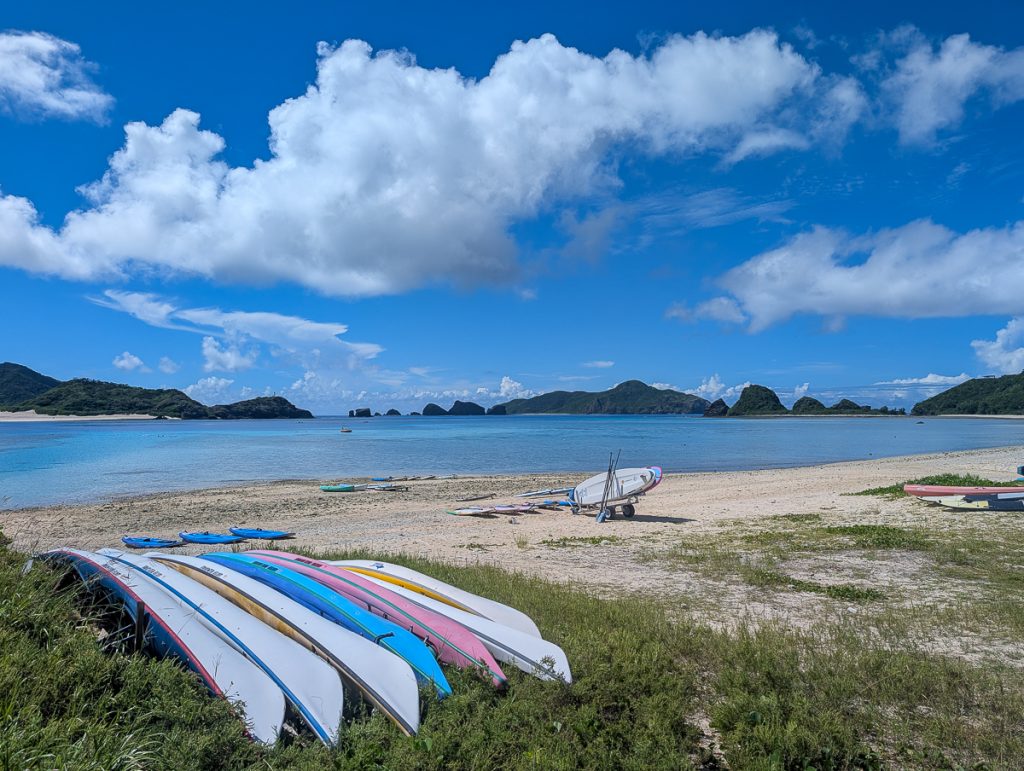
Sea kayaking allows you to reach uninhabited islets and hidden coves outside the main routes of the ferries. Guided tours often combine paddling with a stop at a remote beach for a private snorkeling session away from the crowds. Gliding over the reef in a kayak is one of the most eco-friendly ways to appreciate the park’s incredible ecology.
Many tours include a soba noodle or other traditional lunch. It’s the ultimate way to find peace away from the main tourist hubs.
Choose between a half-day or a full-day experience.
6. Hiking
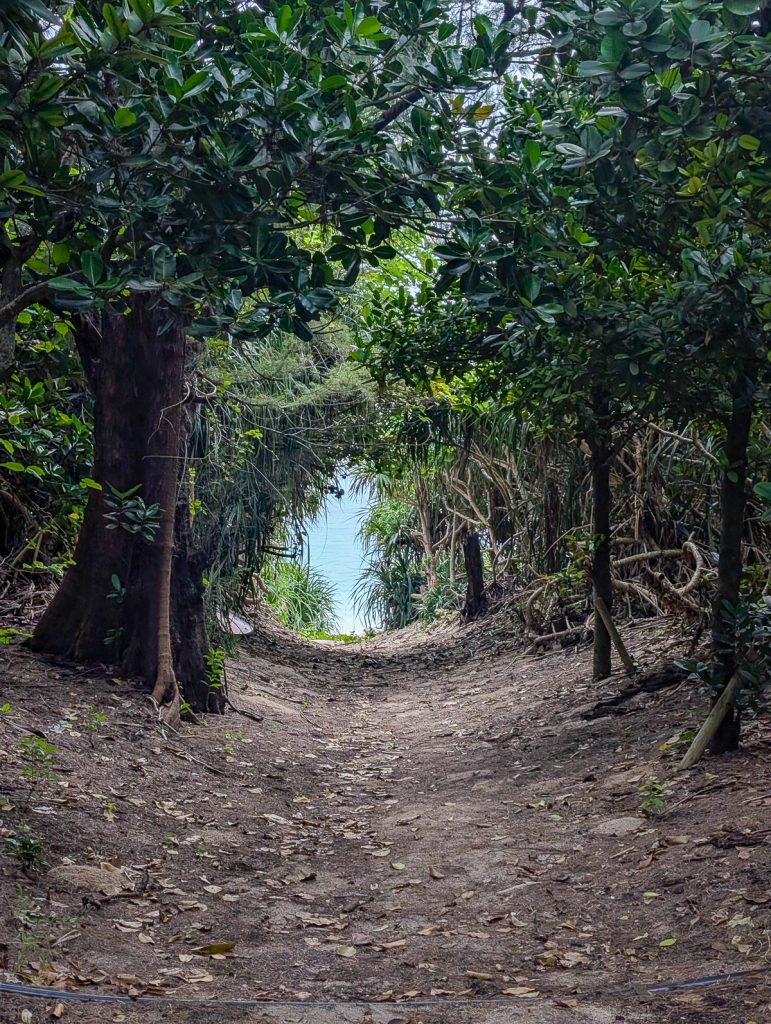
Beyond the beaches, the islands have plenty of hiking trails. These paths lead through subtropical forests, offering a chance to see the islands’ unique flora and fauna.
The islands are hilly and mountainous, so there is plenty of hiking. Most of the hikes aren’t on AllTrails, so visit the Visitor Centers for maps and tips on trails. Mt. Takatusuki is a popular hike for incredible views. Other trails cut across the islands or offer ways to reach beaches without walking on the road.
We didn’t do a ton of hiking, but the trails were handy for getting to and from the beaches.
7. Observatories
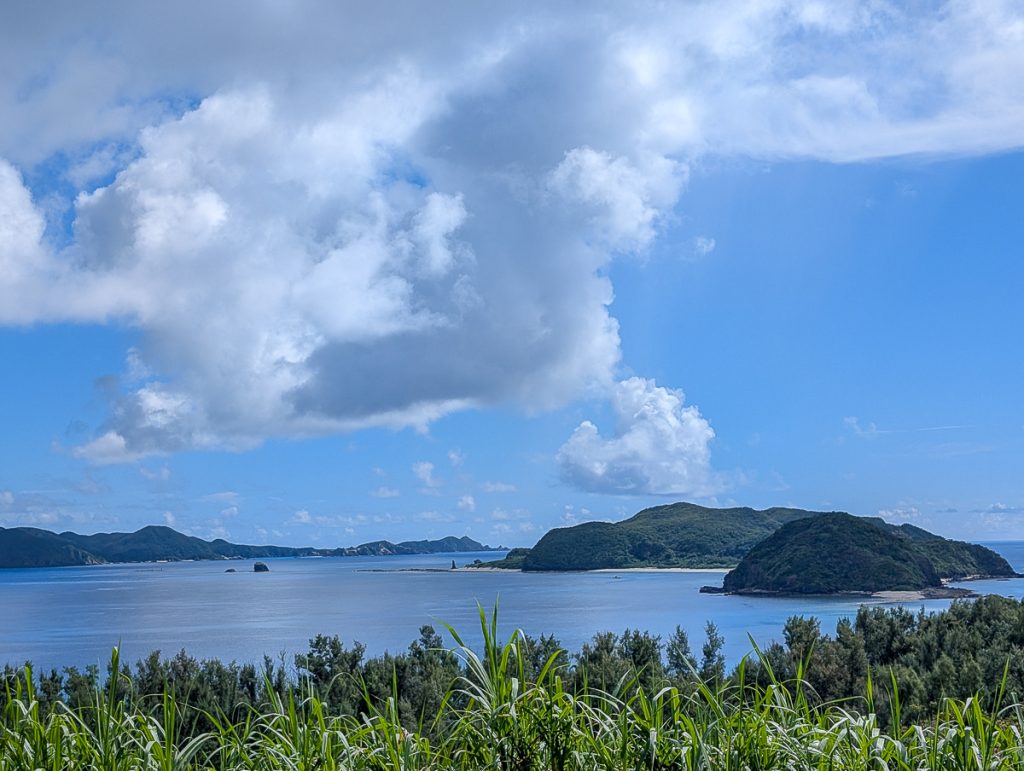
Many of the hikes end in observatories that offer 360-degree views of the surrounding archipelago. Spots like the Takatsuki-yama Observatory provide a panoramic look at the scattered islands, with that stunning blue water and green forested islands.
Each island has many observation decks. Most are listed on Google Maps and accessible by a short walk or drive, making them easy to include in a day trip. Others will be more challenging to reach with a decent hike.
These are the best locations for photographers looking to capture the sunset or the sheer scale of the park.
These observatories are also great for spotting whales!
8. Visitor Information Centers
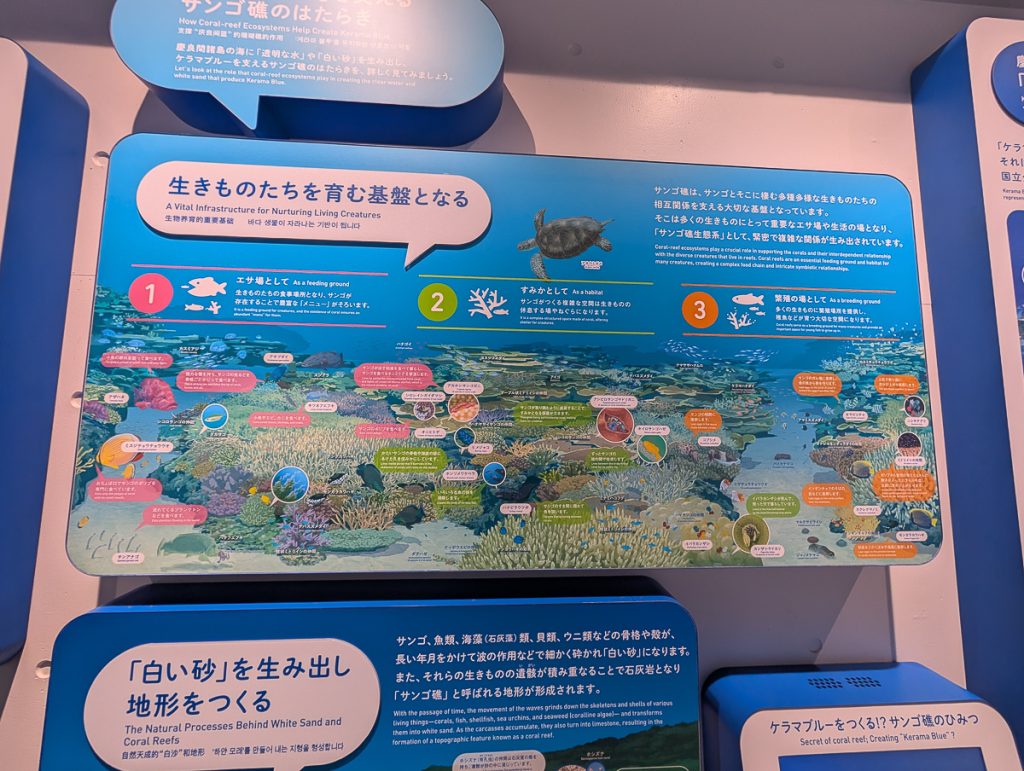
The Zamami Visitor Center was a great spot for us. We were able to learn about the coral reefs, turtles, and ongoing conservation efforts. There was plenty of signage in English, and lots of maps, guides, and resources.
Before starting your adventure, stop by centers like the Akajima Marine Science Laboratory or the Zamami Tourist Information. These hubs provide essential maps, safety tips regarding marine life, and educational exhibits on coral conservation. The staff can also provide real-time updates on weather conditions and ferry schedules.
Many centers also sell eco-friendly sunscreen that protects the coral reefs.
The staff are local experts and can often recommend the best beach for the day based on wind direction. We relied on them to help us understand the tides so we could plan our independent snorkeling around the waters.
9. Beaches
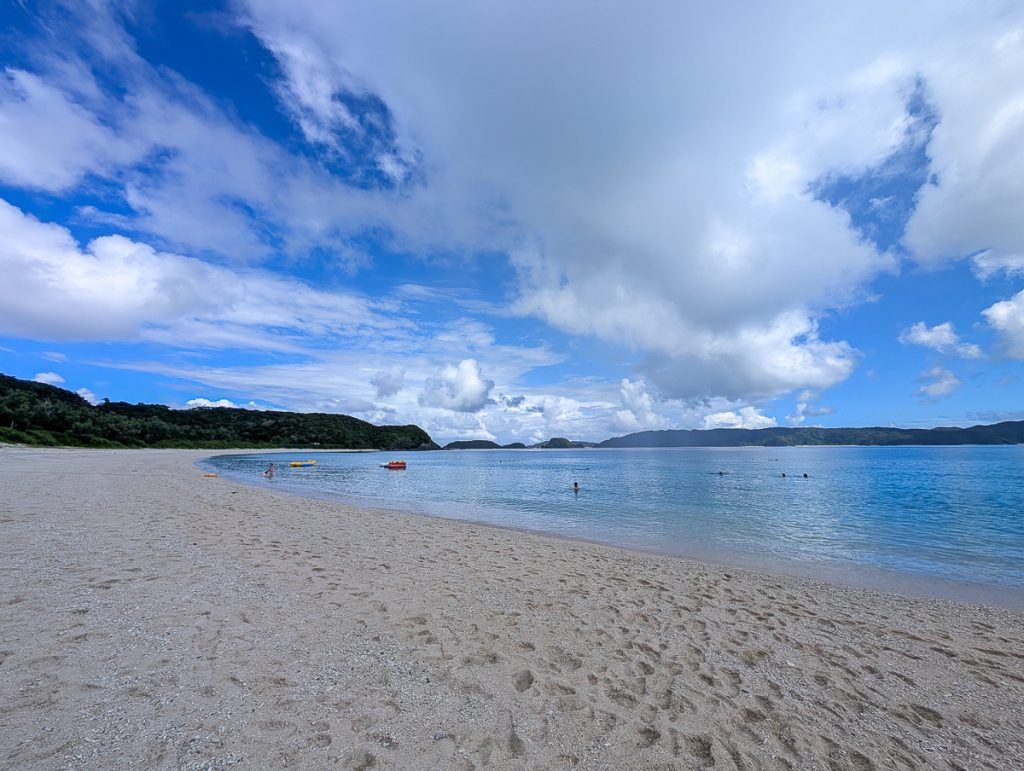
The beaches here, such as Nishibama and Aharen, are world-renowned for their powdery white sand and stunningly blue water. But every beach has something that makes it special, from tucked-away beaches that are hard to reach, like Kushibaru, to the more popular, accessible beaches like Furuzamami.
Many offer amenities like umbrella rentals, rental equipment, toilets, and small cafes, making it easy to spend an entire day lounging by the shore.
During the summer, lifeguards are present at the most popular locations to ensure swimmer safety and protection of the coral. It is recommended that you swim with a life jacket to avoid kicking or standing on coral.
10. Cycling and Scooters
Renting a bicycle or scooter is a fantastic way to explore the smaller islands like Akajima or the flatter coastal areas of Tokashiki. It allows you to move between different beaches and viewpoints much faster than walking. E-bikes are a great choice if you want to climb the hills to reach some of the observatories.
The roads are generally quiet, but they are narrow. The best way to reach Geruma and Fukaji is with a scooter. You can catch the ferry to Ama, rent a scooter or bike, and use the bridges to reach the smaller islands. Rental shops are usually located right near the ferry piers for maximum convenience. Most offer hourly or full-day rates to fit any itinerary.
11. Camping
Wild camping is not permitted. But there are two (that I know of) designated spots for camping. The youth hostel villages on Ama Beach and Tokashiki offer great places to pitch a tent to enjoy the wild nature of Keramashoto National Park.
The two campsites are part of the hostel villages and provide basic facilities like coin-operated showers and BBQ pits. It’s a great way to meet fellow travelers and share stories around a campfire.
Imagine waking up to the sound of the waves and the call of tropical birds, which is a highlight for nature lovers. It’s an affordable and memorable way to stay on the islands, provided you book ahead during peak seasons.
12. Tokashiki Village Folk and History Heritage Museum
Okinawa and the Kerama Islands have a unique history, long part of the Ryūkyū Kingdom. To understand the people who call these islands home, a visit to this museum is a must-do. The museum showcases traditional fishing tools, lifestyle artifacts, and the unique culture of the Kerama archipelago, highlighting how islanders survived, relying on the sea and limited land.
The park isn’t just special for the nature, the people here who make it home have a long history of connection to the islands. The museum is small but well-curated, making it an easy 30-minute stop. It’s a perfect rainy-day activity or a break from the afternoon sun.
13. Takara Residence
Located on Geruma Island, this historic house is a designated Important Cultural Property representing traditional Okinawan architecture. Built with Ryūkyū limestone to withstand typhoons. It provides a window into how islanders lived centuries ago and survived many a typhoon. This is a captain’s house that is thought to have been built in the late 19th century, making it an important example of traditional building styles.
The residence features classic design elements like the hinpun, a traditional privacy wall that also serves as a spiritual protector. It is one of the few remaining examples of pre-war island architecture, as so many structures were destroyed in the war.
Walking through the garden, you can see how the house was integrated with the surrounding nature, something I think is perfect for the national park.
14. War Memorials
I’ve mentioned the impact of WWII on these isolated islands. The people here suffered devastating losses.
- On Fuka Island, there is a memorial to the WWII Landing.
- There is another World Peace Memorial on Zamami Island, just a short hike up from the port, as well as a small WWII Landing Point memorial just next to Zamami Port.
- There’s a memorial to the women who were taken as sex slaves (comfort women) for the Imperial Japanese Army.
- A Tokashiki Island monument honors those who took their own lives. This site is not recommended for anyone who has been impacted by suicide or has suicidal ideation. The village people were told not to get caught by the US military landing on the islands. They were told to die or fight them. As simple villagers and not trained military, many chose to die by suicide, taking their own children’s lives before their own.
There are many more monuments across the islands. You can search Google Maps for the word “There are many more monuments across the islands. You can search Google Maps for the word “Cemotaph.”
15. Exploring the Villages
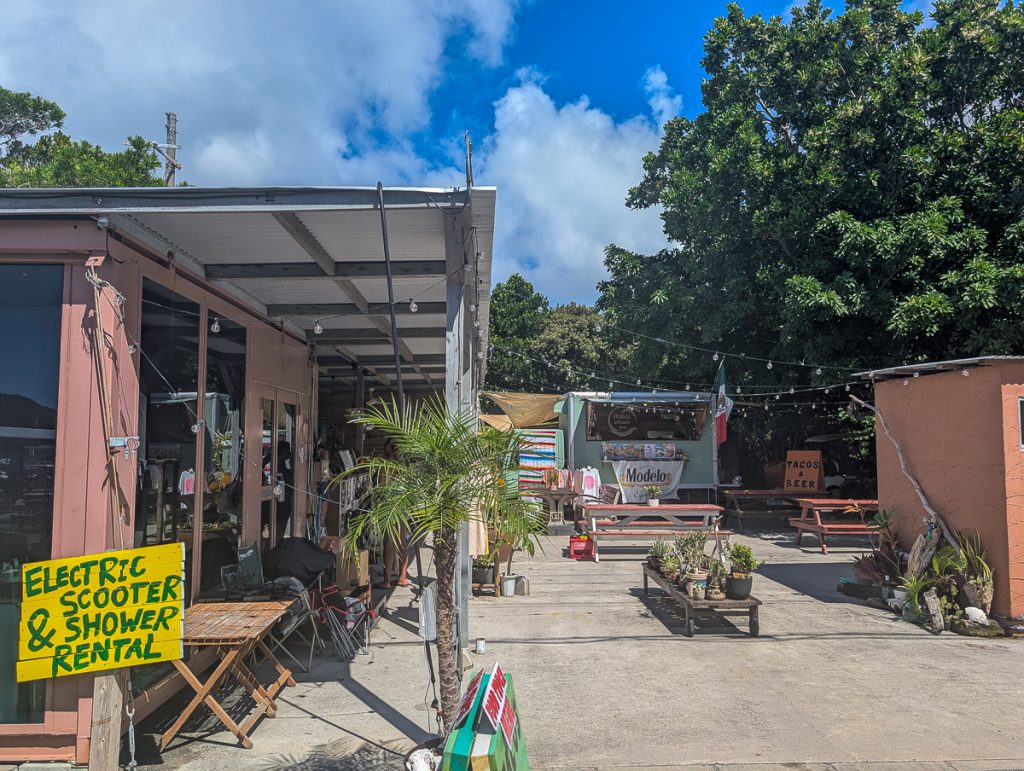
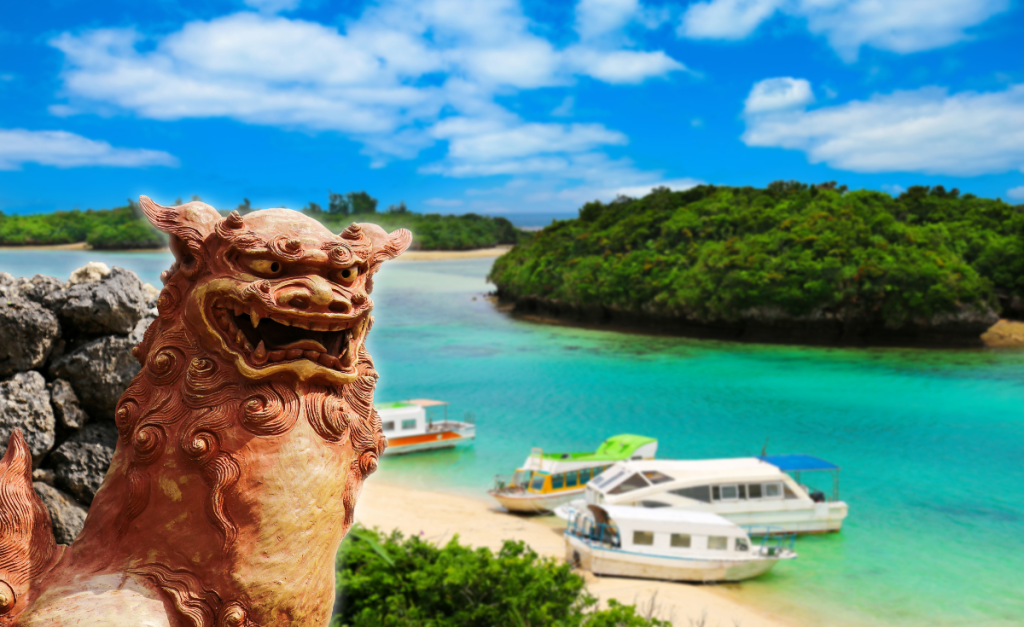
The villages are small, humble, but cute! We loved meandering around Zamami village with the narrow streets surrounded by nature. The traditional shisa lion statues of Okinawa sit at many entrances to homes.
Most villages are small enough to explore on foot, with tiny shops and minshuku (inns) lining the paths.
Stop by a local shoten (general store) for a snack or a cold drink. These small businesses are the heart of the community. We visited one, and they really are more of a community space where people come together. We grabbed an ice cream and enjoyed the insights into everyday island life.
16. Wildlife Spotting
Birdwatchers, if lucky, might spot the endangered Okinawa Rail or various migratory species that use the islands as a stopover. We were so bummed to not spot a rail, but they are rare! The terrestrial ecology is just as awesome as the marine life if you ask me.
In the evening, keep an eye out for the flying fox, or megabat, which is endemic to Okinawa. Respect all animals and please observe them from a distance and avoid offering them food, though. The deer here are particularly used to humans, but that doesn’t mean they are tame!
17. Attend a Festival (if possible)
The communities and villages might seem small and sleepy, but they come to life at certain times of the year. Each village holds an annual festival to celebrate the sea gods and pray for the fishers and safe voyages.
One of the most famous is the tug-of-war festival on Tokashiki. Much smaller than the one on Naha, this is a community event. Opposing teams from the east and west of the island come together in a fierce battle of a giant rope pull. This is held on the 25th day of the 6th month of the old lunar calendar.
Zamami hosts the annual Uminchu Festival in April. This festival is focused on prayers and ceremonies to bless their fishermen. There are parades to celebrate. In June, don’t miss the sabani boat races. Over 30 teams come from around Japan and internationally to race these boats around the Kerama Islands.
18. Sample Okinawan Cuisine
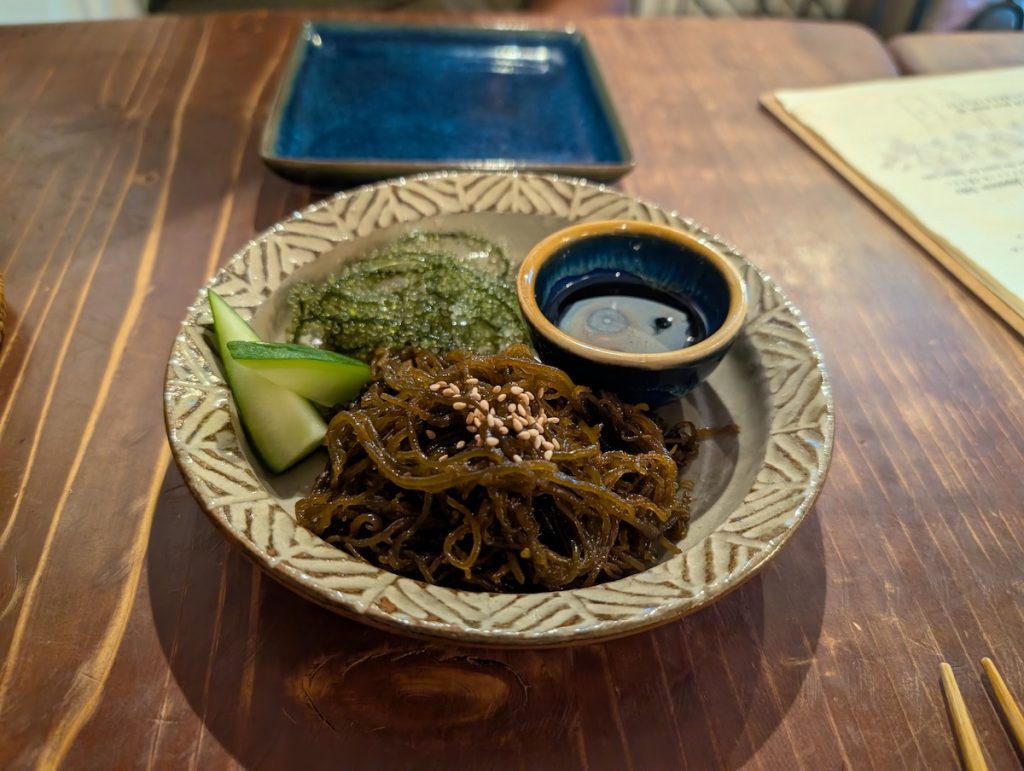
Okinawa is in a Blue Zone, and the food is incredible, even for vegetarians. We ate so much in Okinawa. Don’t miss the mozuku, which is a special seaweed harvested directly from the Kerama Islands. Okinawa and these islands also specialize in soba. While not always vegetarian, it is a must-try for those without dietary restrictions. We managed to find this on the mainland at a vegan restaurant.
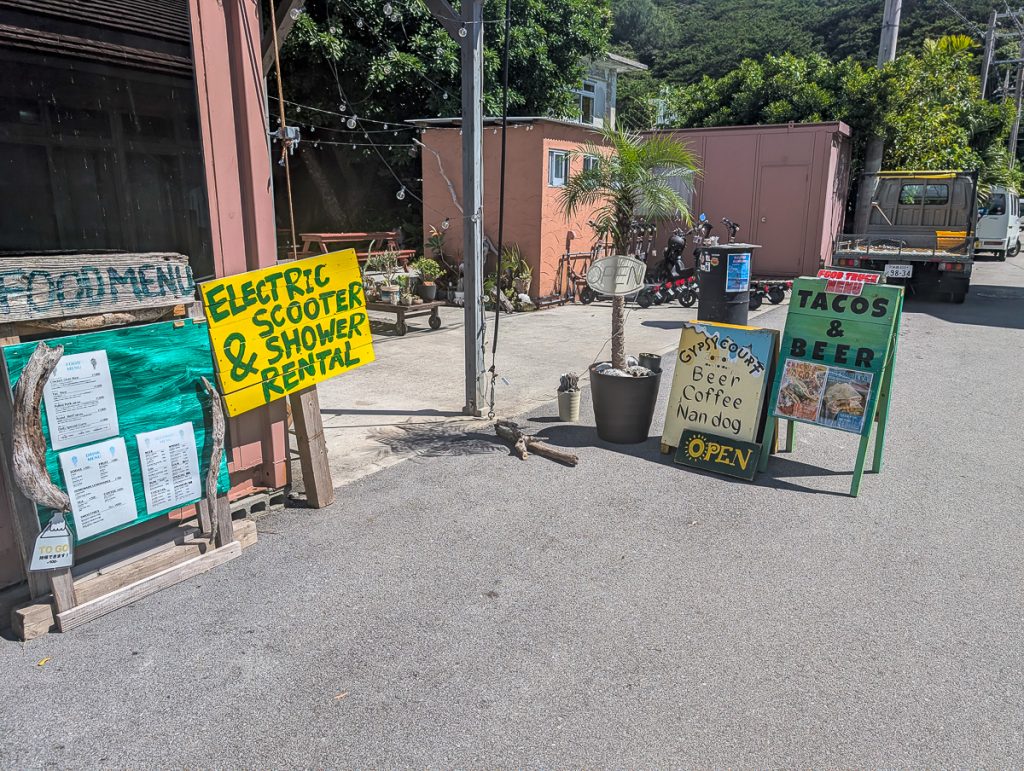
The restaurants on Zamami are simple. Often outdoors in an almost food-truck-style setup, you order at the kiosk and sit at a picnic table. You can find goya champuru, which is a bitter melon stir-fry, sea grapes, and local beer! A few coffee shops sell sata andagi, which are a type of fried doughnut.
As vegetarians, our options were rather limited; we had a lot more luck on the mainland, but we got by with some island Mexican fusion food.
19. Dog Statues
On Zamami, you’ll find a lone statue erected to Marilyn the Faithful Dog. Over on Aka, you’ll spot Shiro the Faithful Dog. These dogs were bonded or best friends, and when one of their owners moved to another island, they would often sit and keep watch for each other.
While a heartbreaking love story, they got to see each other during visits from their owners. It was so common to see the dogs looking over to the other island, pining for their friend; the statues were put in place after they passed.
20. Other Activities
There are plenty of other things to do on the islands. If you have time and transportation, spend time exploring as much as possible. Other fun ideas include:
Yellow Submarine
If you want to see the underwater world without getting wet, the “Yellow Submarine” is a semi-submersible boat. Large viewing windows allow you to watch sea turtles and schools of tropical fish from the comfort of a cabin. This is an excellent choice for anyone who can’t or doesn’t want to swim. I love this as it is like an ethical and natural aquarium.
Parasailing
For a bird’s-eye view of the reef, parasailing gets you high over the islands. You can spot the blue waters, sandbars, and dark reef patches while appreciating the hilly island terrarium.
Most flights last about 10 to 15 minutes, giving you plenty of time to take in the views.
Tours usually depart from the main ports and are weather-dependent. It’s a great “splurge” activity for a special occasion or a final day celebration.
Glass Bottom Boat
Join Magaii for a glass-bottom boat experience. This is another way to enjoy the reef without getting wet. You can book this around Zamami Port; ask the visitor center for more details.
Need More Ideas?
Find ethical tours, guesthouses, dive shops, and more at the Zamami Tourism Site.
Comment and Share Keramashoto National Park
If I could plan my Okinawa portion of the trip all over again, I would spend less time in Naha and more time in Keramashoto National Park. This park gave me faith in Japan’s approach to conservation, with its incredible efforts to protect these precious coral reefs and the marine animals that call them home.
The Kerama Islands are not only stunning with “Kerama Blue” waters, white sand beaches, and forested islands, but they are also a role model in responsible tourism and conservation management that involves the local community.
Make sure you visit the Kerama Islands, which are easily accessible from Naha on Okinawa’s mainland. Catch the ferry over for a day to SUP and snorkel or stay at a guesthouse for a few nights of swimming, diving, or ethical whale watching.
This guide covered everything you need to know to plan your visit and 20 incredible things to do. What are you waiting for? The Kerama Islands are calling!

Curiosity Saves Travel Recommends
Accommodation: Booking.com to find accommodation with a Genius Discount and clear third-party sustainable certifications like Green Key. Look for local hotels.
Tours and Excursions: GetYourGuide and Viator for tours, excursions, and tickets. Never book wildlife experiences through these vendors.
Travel: Omio for booking buses and trains in English across Europe. After reducing the number of flights I take annually, I use Google Flights’ carbon comparison tool.
Car Rental: Rentalcars for the best rates in English globally. It is easy to find hybrids and EVs, and there are resources for finding chargers.
Packing Essentials: REI or your local Co-op has great essentials like reusable water bottles and cutlery sets. Patagonia for regenerative clothing. Farm to Feet for socks made with regenerative practices! Pistil Designs for cold-weather essentials. Osprey for bags that last 10+ years, like the day bag for hiking or my favorite carry-on.
eSIM: Airalo eSIM. Reduces waste from single-use SIMs. A total game-changer.
For Bloggers and Content Creators
Earn Ad Revenue with Journey by Mediavine
Earn with Stay22 Travel Partnership (my biggest source of income!)
Earn with TravelPayouts recommending tours and activities.


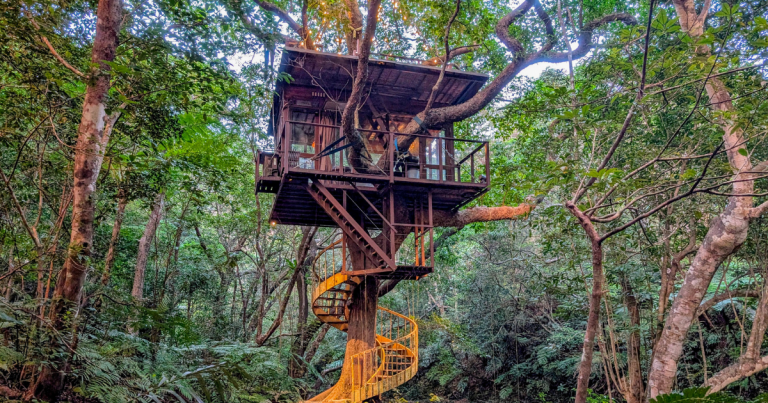

Staying for a night or two in a guesthouse sounds wonderful, giving plenty of time to snorkel, SUP, and relax!
The guesthouses there are so cozy and most have snorkel gear to use.
Wow – what a superbly helpful post! You had me at the turtles! ❤️ The Park is gorgeous and diverse, with, obviously, so much to do! I really appreciate your comment about what you’d do differently if you could do it again – so helpful!
Oh my gosh, the sea turtles are such a special part of the Kerma Islands and it is so nice they have such a safe have. That is one of the reasons why I travel blog, so I can help people have the best experience and learn from my mistakes haha.
I haven’t yet had the opportunity to visit the Kerama Islands, but your post has certainly placed them on my list of places to learn more about. They look like a truly beautiful part of Japan, with such a delicate balance between nature, culture, and community. I particularly appreciate your reflection on responsible tourism, conservation and involving the local community.
The Kerma Islands are truly the best of the Pacific Islands in Japan. You really nailed it that they are the ideal place where nature, community, and culture blend! I hope you are able to visit someday.
Keramashoto NP is now on my to do list for the next time I get to Japan. It’s so beautiful in your photos, it’s worth the D-tour from mainland Japan.
Yes, Keramashoto is absolutely worth the detour from Okinawa and mainland Japan. There are so many incredible things to do!