
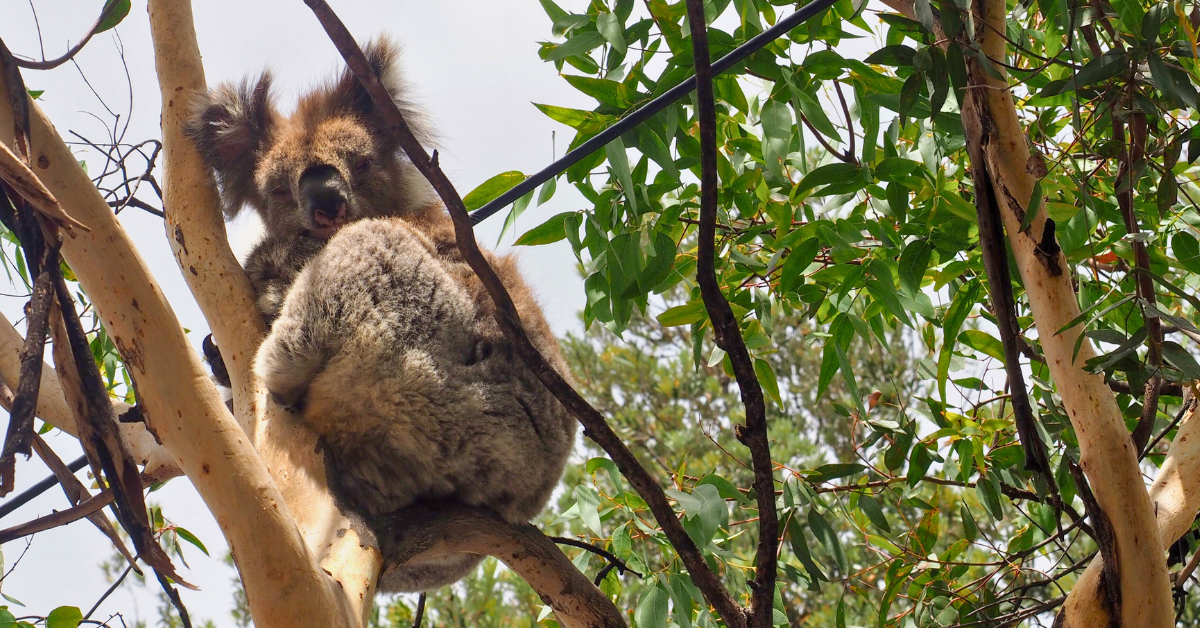
Best Places to See Wild Koalas (Ethically) in Queensland
I may earn income from affiliate links or partnerships in this post. I spend time to curate tours or products that align with my values. Thanks for supporting my work, at no additional cost to you. All words and images on this website are created by real people.
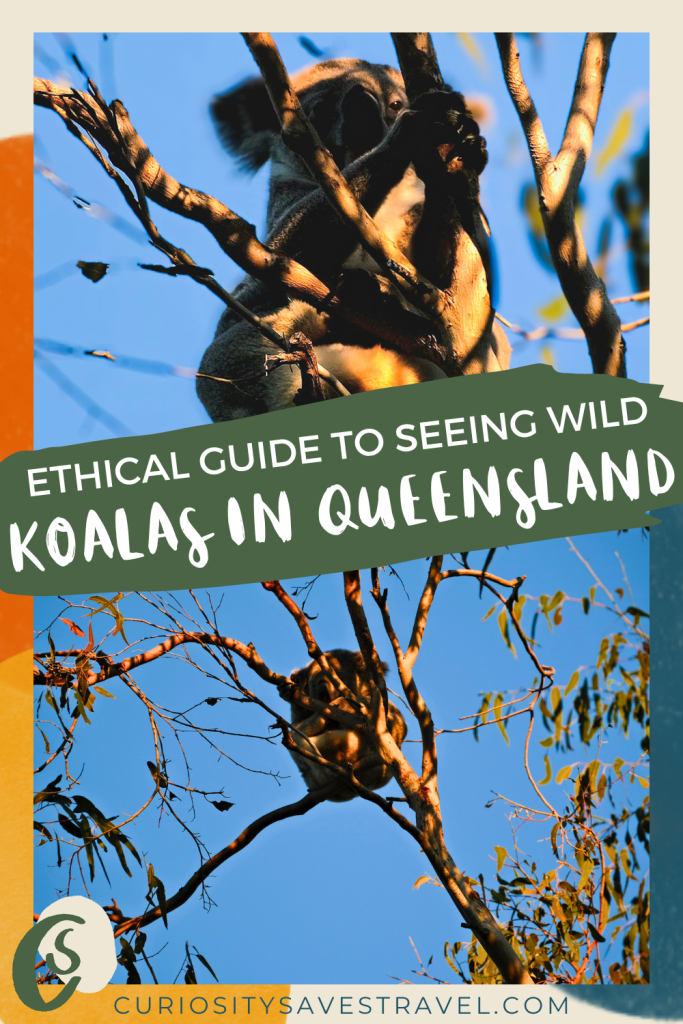
Are you curious about how and where to see wild koalas ethically in Australia? Emma from That Travel is a passionate wildlife enthusiast here to share tips for ethical koala spotting in the wild, why you might want to skip the koala cuddles, and the best places to see wild koalas in Queensland. Explore stunning locations like Noosa National Park for unforgettable koala encounters that embrace ethical wildlife tourism and respect the well-being of koalas.
Of all the incredible things you can do in Australia, one of my most rewarding experiences was seeing wild koalas in Queensland. Not long ago, it was common to see every traveler to Australia come back with the inevitable ‘koala selfie,’ a photo of them ‘cuddling’ a koala.
Thankfully, times have moved on, and it’s now widely known that koalas don’t appreciate being ‘cuddled’ at all, so much so that most states in Australia have banned this harmful practice. Queensland is sadly among the states where holding a koala as a tourist is still legal, but there are many places in Queensland where you can see koalas in the wild without resorting to unethical practices!
Why Shouldn’t You Cuddle A Koala?
Many zoos and wildlife sanctuaries in Australia house koalas and there is nothing wrong with this in itself. Many wildlife sanctuaries in Australia are necessary, particularly during bushfire season, and many animals in Australia (especially koalas) need help to be rehabilitated following wildfires and other environmental issues. However, facilities that offer ‘koala cuddling’ as an activity for tourists to take part in can put a lot of strain on the animals.
Even the term ‘koala cuddling’ is quite misleading! ‘Cuddling’ would be reciprocal, but this interaction is entirely the choice of the humans, and studies show that koalas are very uncomfortable being touched or handled by people.
When koala cuddling was standard practice across most Australian zoos, many tourists would handle the koala almost all day just for quick photo opportunities. Research shows that so much human interaction sends the koalas into ‘silent stress’ mode.
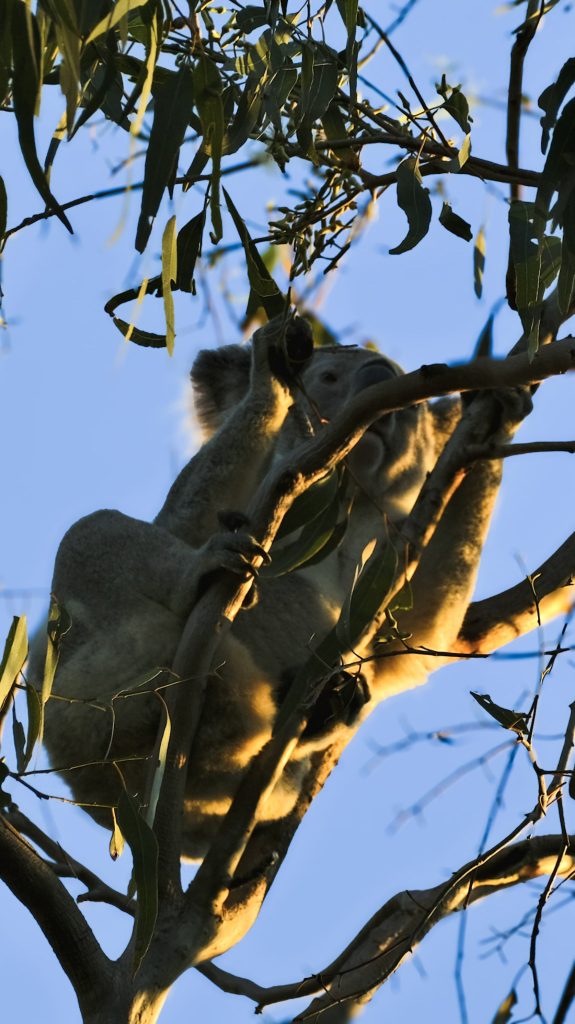
This is a big deal because koalas are very lethargic animals who get very little energy from their food (mainly eucalyptus leaves). When they’re in stress mode, they can’t sleep and have a lot of nervous energy, which burns precious calories they just don’t have to spare. Over time, this can damage their mental and physical health and often leads to premature death.
Some zoos in Australia now offer ‘ethical koala cuddling’ or viewing under more responsible conditions, i.e., fewer crowds and less interaction with humans for the koalas.
Personally, I still would not recommend taking part in these, knowing the stress that the interactions with humans give koalas. While you can still visit and support a conservation center and skip the contact, I’d recommend instead to try to see them in the wild, where interactions are entirely hands-off, and koalas have their own space to be free from people.
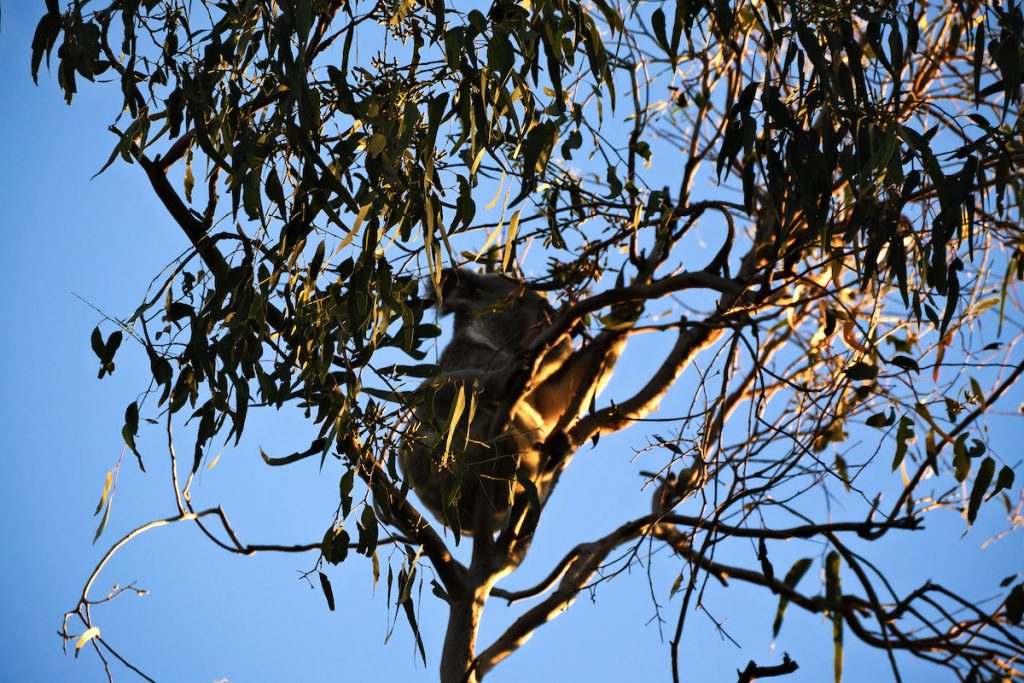
Where To See Wild Koalas in Queensland
We were lucky enough to see koalas in all but one of the places we went trying to spot them; however, of course, it’s important to note that koalas are wild animals, and their sightings cannot ever be guaranteed.
If you are set on seeing a koala, I’ve given you some tips below, which should help you have a better chance! Here are three of my favorite places to spot wild koalas in Queensland!
Magnetic Island
Forts Walk on Magnetic Island is well known to be one of the best places in Australia to see koalas, as it has the largest population in Queensland (over 800 koalas!). Interestingly enough, koalas were not originally living on Magnetic Island, but they were introduced there in the 1930s as a way of helping the species rehabilitate and grow with minimal predators.
Safe to say, they’ve thrived, and it’s hard to believe they are even a threatened species when you’re there, as they are so abundant!
Forts Walk Trail is the best place to see them, and it’s around 2 hours (maybe longer if you spot koalas!). It gets hot, so take plenty of water and sun protection. If you are prone to burning, you might want to visit in July/August when the weather is cooler (though bear in mind that this is also high season, and there will be more people!).
Coombabah Lake Conservation Park
Coombabah is a free-to-enter conservation area between Brisbane and the Gold Coast (less than an hour’s drive away from both). This was where we saw our first koala in Australia, which felt very rewarding, as they’re pretty hidden in the trees!
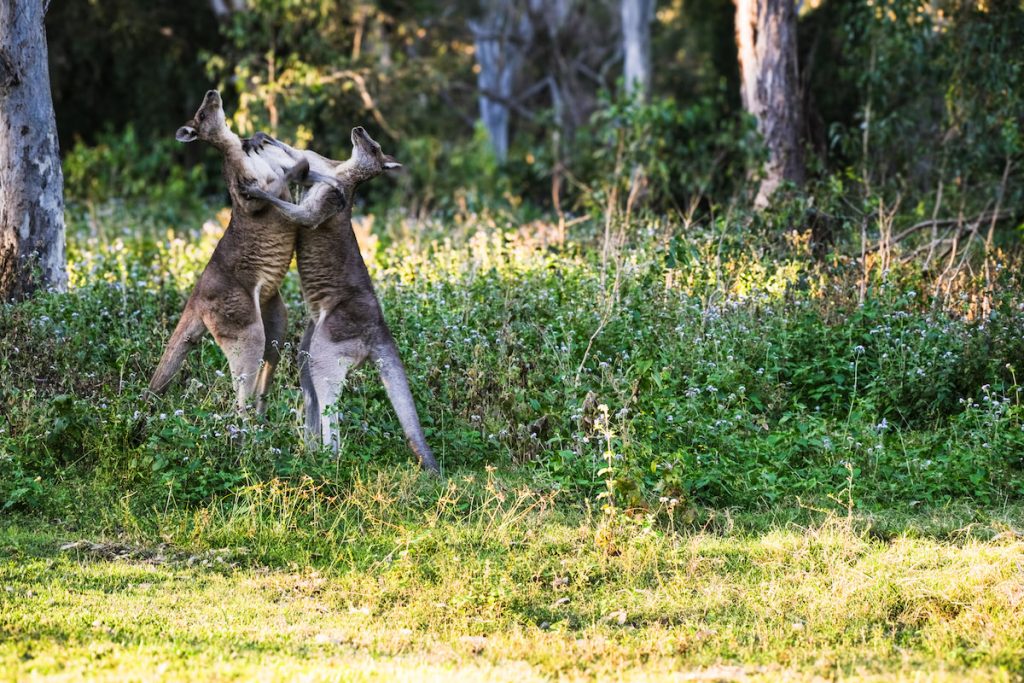
You can drive in and out yourself and walk around the trails, where you’ll have a chance to spot lots of wildlife, including kangaroos and koalas.
There are 274 species of animal in Coombabah (including seven threatened or vulnerable species), so you are bound to spot something, even if you do not manage to see a koala. If you are lucky, one of the cutest sightings will undoubtedly be the kangaroo babies in their mothers’ pouches, which you can see all around the park in the right season.
You can read my full guide to Coombabah Lake Conservation Park here! It was one of my favorite places to spot koalas in Queensland.
Noosa National Park
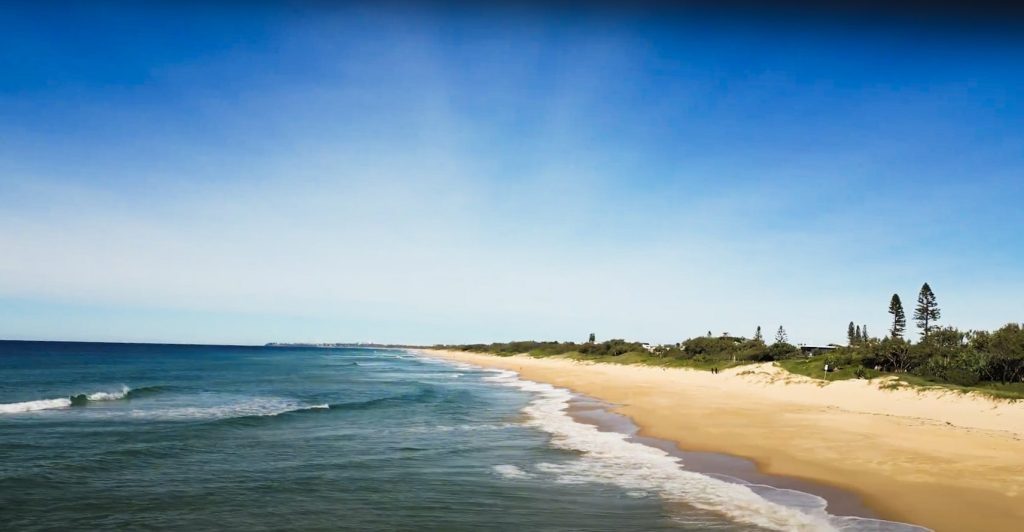
Noosa National Park might be one of the most beautiful places in Australia to spot koalas! The stunning beaches are worth a visit alone, but the koalas are a huge bonus. They’re hard to spot in Noosa, so you’ll want to ask around to see where they’ve been spotted that day to try and find them yourself!
Actually, Noosa was the place we didn’t manage to spot koalas ourselves— though, of course, this is always a little disappointing; however, I would rather miss out on seeing the animals and know they are 100% wild than have a guaranteed sighting and be unsure.
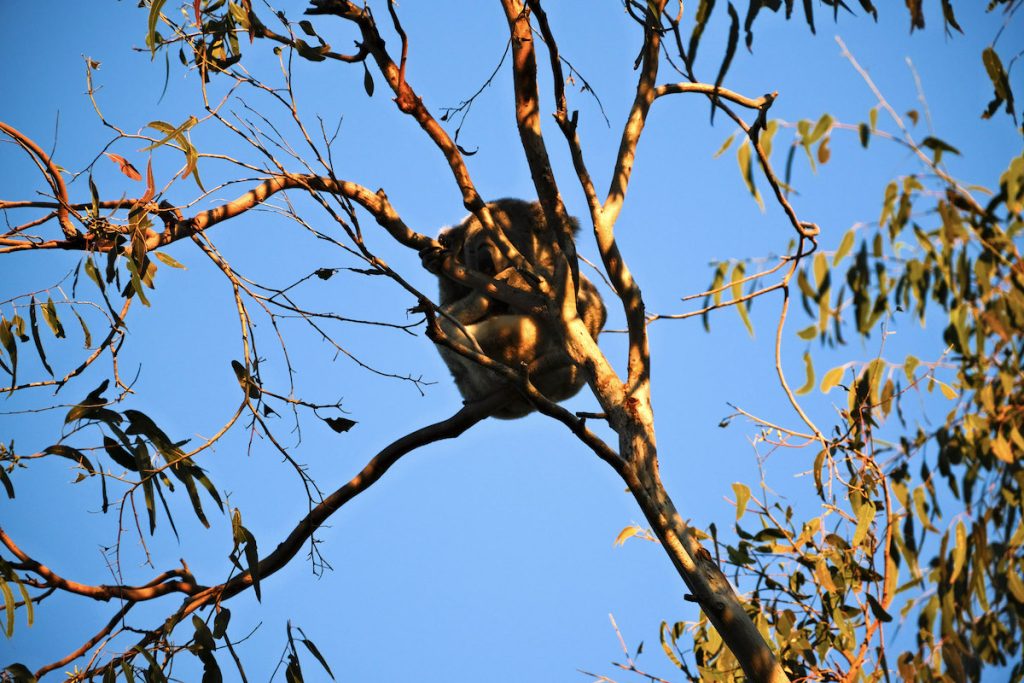
The best place to try and spot koalas in Noosa is Tanglewood track, where they are pretty abundant thanks to the many eucalyptus trees. We knew there definitely had been some active koalas earlier that day (as we could see droppings). We spoke with people who had been there all day and had seen three koalas feeding!
Other Places to See Wild Koalas
We chose to visit the three spots above, but Queensland is a huge state, and there are plenty of other places where you can try your hand at spotting koalas in the wild. Here are some places I’ve heard are great that I’d love to go back to next time:
- Brisbane Koala Bushlands, a.k.a. the Koala Coast!
- North Stradbroke Island
- Toohey Forest Park and Mt Gravatt Outlook Reserve
Tips For Spotting Koalas In The Wild
It’s not easy to spot koalas, as you probably gathered from my Noosa notes! However, there are ways you can give yourself a much better chance…
Go At Twilight
Koalas are most active at twilight (though, in general, they are not the most energetic creatures!), so you might catch them moving around, eating eucalyptus leaves, and maybe even making cute koala noises!
Give Them Space
it’s essential not to get too close to the koalas, both for their wellbeing and your own. As wild animals, koalas are naturally nervous around humans and you could upset or scare them if you approach. Additionally, there is always a chance they could be carrying zoonotic diseases, which could make you very sick.*
Pack The Telephoto Lens
If you’re a photographer, bringing your telephoto will help you get great photos from a safe distance.
Keep Noise To A Minimum!
Like many animals, koalas are very sensitive to disturbances in their habitat. If you’re making a lot of noise, they will likely stay hidden away in fear.
Look For Their droppings!
Koala droppings are small, green-brown pellets, about 20mm long and pencil thickness. If you see droppings like this, look up, and you might spot a koala in a tree!
Look Up!
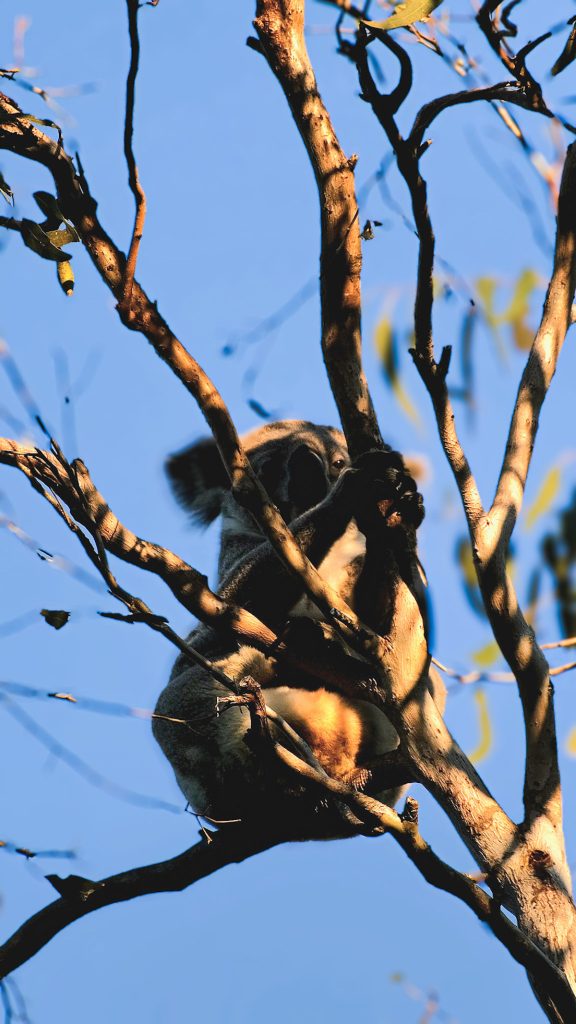
If you see a lot of people looking up, they might have spotted a koala, so head over to where they are and ask around. Again, be careful not to crowd the wildlife, and if people are too close, move away and encourage others to do the same.
What to do If You Find a Koala on the Ground
if you find a koala on the ground but not in immediate danger, move slowly backward and call the local wildlife rescue organization.
If you find a sick or injured koala or are worried for its safety (for example, if it is near a busy road), stay right next to it to ensure it stays safe, and call the local wildlife rescue organization immediately. If you can, it’s best to stay with the koala until they arrive.
Here’s what to do if you find a koala on the ground or in danger in Queensland.
Land Acknowledgements
Queensland has many diverse Indigenous custodians with unique cultures, languages, and clan groups. Some of the clans for the regions listed in this guide are included below.
Magnetic Island, or Yunbenun, is home to the Wulgurukaba traditional custodians. Evidence of their connection to the coastal ecosystems is found at protected rock art sites and shell mounds. Most of the Wulgurukaba were forcibly removed from the island and placed into a reserve. The descendants of the survivors were recently granted part of Magnetic Island as part of a land claim settlement in 2012.
Coombabah Lake Conservation and much of Central Queensland are on the traditional lands of the Yugambeh Speaking People, including the clan and family groups of the Kombumerri, Mununjali, and Wangerriburra People.
The Yugambed People are known for their clan totems. Totems are often endemic species and date back hundreds of generations, highlighting their connection to sustainable environmental stewardship. One of the Yugambed totems is the koala, which they call Borobi.
The Kabi Kabi People are the original inhabitants of the region around Noosa National Park. The Kabi Kabi thrived in the abundant landscape from the coastal area around the Sunshine Coast to the more lush rainforests. Kabi Kabi were victims of many violent crimes, but, in recent decades, they have led the fight for Indigneous rights and autonomy in and out of court.
Comment and Share!
Thanks again to Emma for sharing all her tips on where to see koalas ethically in the wild in Queensland. As someone who has cuddled a koala in the past (lesson learned!) and seen them in the wild, I can say my wild encounter was much more enjoyable!
- Have you ever seen a koala in the wild? Where?
- Is it on your dream list to spot a koala in the wild in Queensland?
- Have you had any experience cuddling koalas, and have you since learned this approach isn’t the best for the animal’s well-being? How might you share this new information with your friends to foster more ethical experiences in the future?
Looking for more responsible Australian content?
Don’t miss comprehensive guides from Curiosity Saves Travel on:
Curiosity Saves Travel Recommends
Accommodation: Booking.com to find accommodation with a Genius Discount and clear third-party sustainable certifications like Green Key. Look for local hotels.
Tours and Excursions: GetYourGuide and Viator for tours, excursions, and tickets. Never book wildlife experiences through these vendors.
Travel: Omio for booking buses and trains in English across Europe. After reducing the number of flights I take annually, I use Google Flights’ carbon comparison tool.
Car Rental: Rentalcars for the best rates in English globally. It is easy to find hybrids and EVs, and there are resources for finding chargers.
Packing Essentials: REI or your local Co-op has great essentials like reusable water bottles and cutlery sets. Patagonia for regenerative clothing. Farm to Feet for socks made with regenerative practices! Pistil Designs for cold-weather essentials. Osprey for bags that last 10+ years, like the day bag for hiking or my favorite carry-on.
eSIM: Airalo eSIM. Reduces waste from single-use SIMs. A total game-changer.
For Bloggers and Content Creators
Earn Ad Revenue with Journey by Mediavine
Earn with Stay22 Travel Partnership (my biggest source of income!)
Earn with TravelPayouts recommending tours and activities.



I wish I had this before I left Queensland! Never saw any koalas in QLD but I was fortunate enough to see some on Phillip Island. Glad to see more awareness spreading about ethical animal interactions – keep wildlife wild!
Hey Mac, that is just another reason to head back to Queensland sometime in the future to go koala spotting :) That’s amazing you got to see some on Philip Island. I’ve see a few in the wild in NSW, but have yet to see them in the wild in Queensland, but Emma has inspired me to visit some of these spots.
I like the idea of spotting koalas in the wild, as you describe in Noosa National Park.
I agree, Noosa National Park looks like a great place to see koalas in the wild!
Thank you for sharing. I’ve never thought about whether cuddling a koala is an ethical practice or not. I’ll definitely be more considerate when I’m in Australia next. Seeing animals in the wild is always far superior anyway!
I hadn’t thought about the ethics of it either as they always seem so calm. It is something I would not do in the future moving forward, that’s for sure. So glad Emma gave us some alternatives and tips for seeing koalas in the wild.
It is wonderful seeing animals in their natural habitats. I’ve been to Magnetic Island and just loved seeing the koalas.
That’s so amazing you got to see wild kolas on Magnetic Island, how wonderful that must have been!
Desperate to see Koalas when i go to Australia so will save this for the best spots to do it ethically, thank you!
Best of luck seeing koalas in the wild! Let me know if you manage to have that special moment.