
Renting and Driving a Car in Iceland – Tips for a Successful Road Trip
I may earn income from affiliate links or partnerships in this post. I spend time to curate tours or products that align with my values. Thanks for supporting my work, at no additional cost to you. All words and images on this website are created by real people.
Are you curious about renting and driving a car in Iceland? Road tripping is the best way to see the country, but driving can be dangerous if you’re not prepared for the elements. Preparing for ice, wind, and other hazardous conditions can open you up to incredible road-trip experiences and ensure you’re not stuck with a massive bill for car damage. Yes, I’m serious!
This independent guide covers everything you need to know to rent a car and drive safely in Iceland. We will cover the rules of the road, weather, insurance, and safety tips. So, if you are thinking of renting a car in Iceland, save this post, so you’re ready to hit the roads in the land of fire and ice.
Here are all my tips covering everything you need to know about driving safely in Iceland. So you don’t make the mistakes I saw others make and have an amazing trip. This post is tailored to winter driving conditions, as I visited in January, but all the rules still apply for summer road trip adventures, too.
Quick Look: Iceland Car Rental and Driving
Renting a car is the best way to see Iceland, but with limited infrastructure and variable extreme weather, being prepared and renting the right car can make all the difference.
- Best Car Type: A 4×4 SUV is highly recommended year-round and legally required for summer interior “F-Roads.”
- Safety: Headlights must be turned on at all times (day and night, all year), and drive on the right. Narrow one-lane roads and bridges.
- Essential Insurance: Collision Damage Waiver (CDW), Sand/Ash, and Sheep Protection are worth considering.
- Lifeline Sites: Check Road.is for daily road closures and Vedur.is for sudden wind and weather alerts.
- Extreme Weather: Be prepared and comfortable driving in snow, rain, wind, mud, and off-roading
- Go Offline: Maps, GPS, and emergency calls.
New: Changes to Iceland Driving and Camping Laws
Iceland Road Usage Tax
Starting January 1, 2026, Iceland introduced a mandatory per-kilometer road usage tax (kílómetragjald) that applies to all vehicles, including rental cars, for both residents and tourists.
- The Cost: The government base rate is 6.95 ISK per kilometer (plus small rental agency admin fees).
- How it works: Rental companies will typically bill you for your distance either as a flat daily fee at a rate of about 200km per day, upfront, and refund you as needed. They may also check your odometer when you return the car. Always ask your rental counter how they process it!
- Why did they do this? To fund road infrastructure and maintenance. Previously, a gas tax applied at the pump; this new system ensures that EVs and gas cars both contribute to finding. Fuel is now cheaper, but the tax applies to all.
Regulated Camping
Due to pressures from over-tourism, Iceland had to change its regulations around camping. If you rent a 4×4 campervan, you can no longer park wherever you want. Many campsites have room, so you don’t always need to reserve, but it can be helpful.
To find the best campsites in Iceland, Tjalda is the best resource.
1. Rent a 4×4 Car in Iceland
Whether it’s summer or winter, renting a 4×4 is highly recommended.
In the Summer, many interior “F-Roads” are legally only open to 4×4 vehicles.
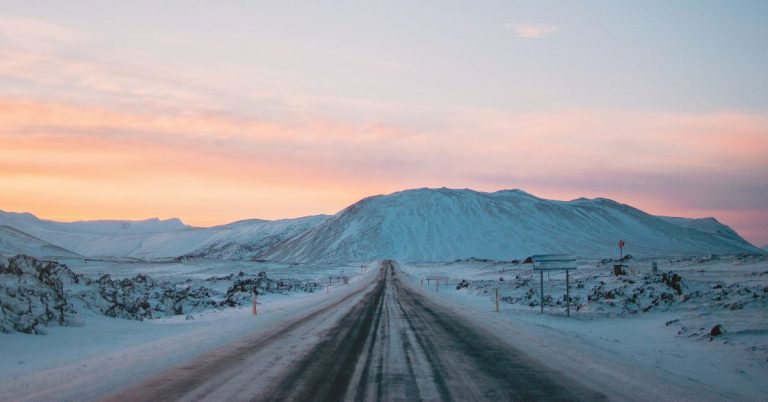
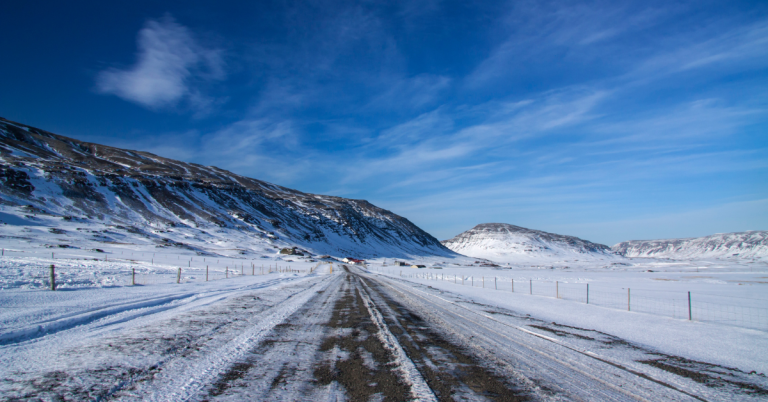
In the winter, main roads, including the Ring Road, can be covered in ice and snow. A 4×4 provides the necessary traction and clearance to maintain control.
Things to help prevent you from sliding off the road:
- Give yourself a safe distance between you and the car in front of you
- Pump the brakes
- Never overcorrect your steering wheel
- Listen to all rules of the road
- Don’t drive during severe storms or weather.
If you do happen to get stuck in the snowy banks, the 4×4 is the easiest way to help you maneuver your way out.
If you find your car stuck in a snow ditch in Iceland, what should you do?
First, don’t panic and attempt to speed out or spin your tires excessively.
- Check your exhaust pipe. If your car is covered in snow, clear it to prevent toxic chemicals from accumulating in your vehicle.
- Clear the snow away from your tires. Use a shovel if you have one. If you don’t, use your hands and stomp with your boots. Straighten your tires and rock the car back and forth carefully by shifting from drive to reverse. Make sure the path is as flat and straight as possible. Break up any ice with any sharp tool in your car. The pieces provide traction.
- Lay traction. This could be dirt you can find from nearby, granola from breakfast, floor mats, a line of twigs or smaller rocks, anything.
- Assess the easiest way out. You want to keep your tires straight. With that being said, is it easier to go straight back or straight ahead? This will be determined by the angle of your car and the side with the least amount of snow or debris blocking it.
- Rock and gain momentum. If you’re alone, slowly begin rocking your car. This time, instead of going from drive to reverse, use the gas pedal to build momentum as you rock. If you want to go forward, apply gas in drive; if you want to go backward, apply gas in reverse. If you have a buddy, have them push from behind or forward for the extra push when needed.
2. Wind Safety While Driving in Iceland
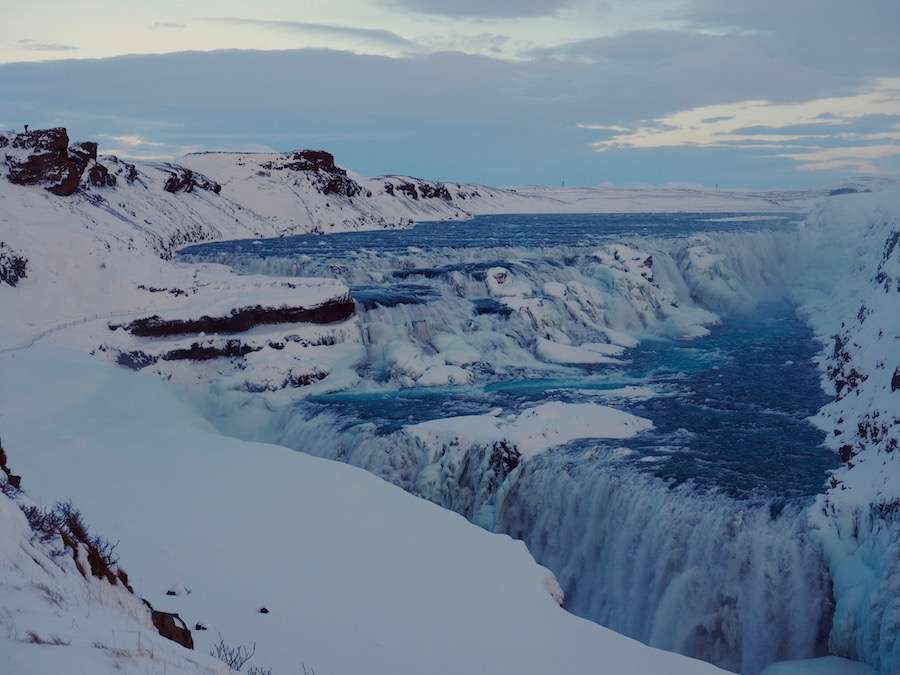
Wind is a serious concern when driving in Iceland. The wind can create gusts of 30 m/s, or 120 km/h, which is crazy! When I said the door could get ripped off, I meant it! Wind can also be hard to predict, often changing haphazardly.
To prevent wind damage, park your car as best you can with the wind pushing the car door closed, not open.
- Test the Wind: Before opening your door, crack the window to gauge the wind’s direction and strength.
- Park Smart: Always park facing into the wind so the gusts push the doors shut, not open.
- The Two-Hand Grip: Hold the car door firmly with both hands when exiting. Open it just wide enough to squeeze out.
- One Door at a Time: Never open opposite doors simultaneously, or the car becomes a wind tunnel. We lost several pairs of gloves to the abyss this way!
3. Insurance for your Car in Iceland
This can be rather complicated and stressful, as there are many additional options, such as sand damage, ash damage, and even sheep insurance! It’s advised to always get general protection and CDW insurance.
Check with your credit card company or travel insurance, as many of them offer CDW coverage when you rent a car, and it is often much cheaper.
Do you need any of the extra items, such as ash damage or sheep damage? That depends…
| Insurance Type | Is it needed? | What it Covers |
| Collision Damage Waiver (CDW) | Essential | Basic accident coverage. Check if your credit card covers this before paying extra. |
| Sand & Ash Protection | Recommended | Covers paint and windshield damage caused by volcanic ash or high-wind sandstorms. |
| Sheep Insurance | Optional | Covers the cost of livestock damage (farmers can charge up to $500 if a sheep is hit). |
| Theft Protection | Skippable | Crime and car theft are incredibly rare in Iceland. |
If a volcano has a chance of erupting during your trip, ash protection might be needed; otherwise, ash isn’t that common. Sand and rocks are common, especially during storms, but they rarely cause significant damage. Most insurance companies will cover up to a golf ball-sized dent, although it’s best to check with them beforehand.
As a rule of thumb, stay on main roads during storms and or wait out the storm in a safe harbor to prevent any rock damage to your car. That being said, it’s up to you to determine the cost of the insurance vs the cost of any possible repair. For some, paying $5 extra is worth the potential of avoiding a $10,000 payout, even if the chance of severe damage is unlikely.
Car thefts are very rare in Iceland, and you most likely won’t need this type of insurance.
Did you know that in Iceland, if you hit a sheep, the farmer can charge you $500 for loss of assets? You can also purchase additional insurance for that. In winter, while driving, I saw zero sheep cross the road, so I doubt it is needed.
Overall, your best bet is to DRIVE SAFE AND SLOW. Don’t drive through a storm if you notice heavy dust winds. Drive slow if you’re off-roading, so you don’t bottom out.
Continue planning your Iceland trip with this in-depth 5-day Iceland winter road trip itinerary.
4. Book your Car Online & Airport Pickup
The airport is about an hour away from Reykjavik, and a shuttle bus costs about 20 euros. Make sure that if you book with a company outside the airport, they include an airport pickup; some companies offer free pickup, so it might be worth digging around for one that has a car there or offers free pickup.
Oftentimes, you can find a better deal online than in person. I would recommend booking online in advance if you find a good deal.
5. Budgeting and Date Selection
Car rentals vary based on the type of car (e.g., 4×4 vs. 2-door) and also fluctuate depending on the time of year. If budgeting is important to you, the time of year can be a crucial factor in your decision.
- Peak Season (June to August): Prices are at their highest.
- Shoulder Season (May to early June / September to October): Moderate pricing.
- Slow Season (November to April): The most budget-friendly rental rates, though driving conditions require maximum caution.
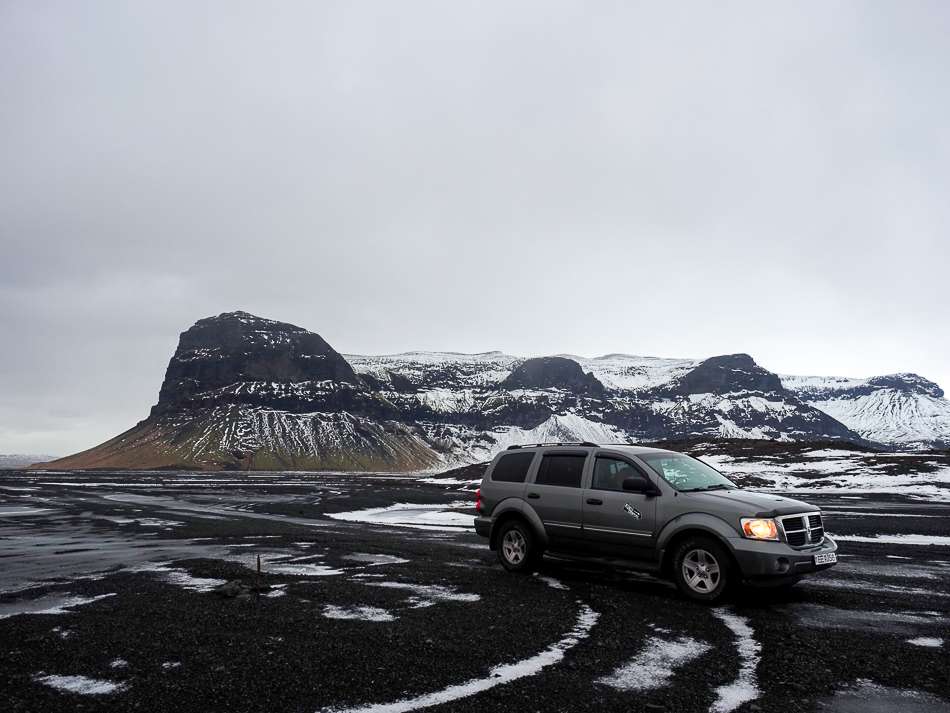
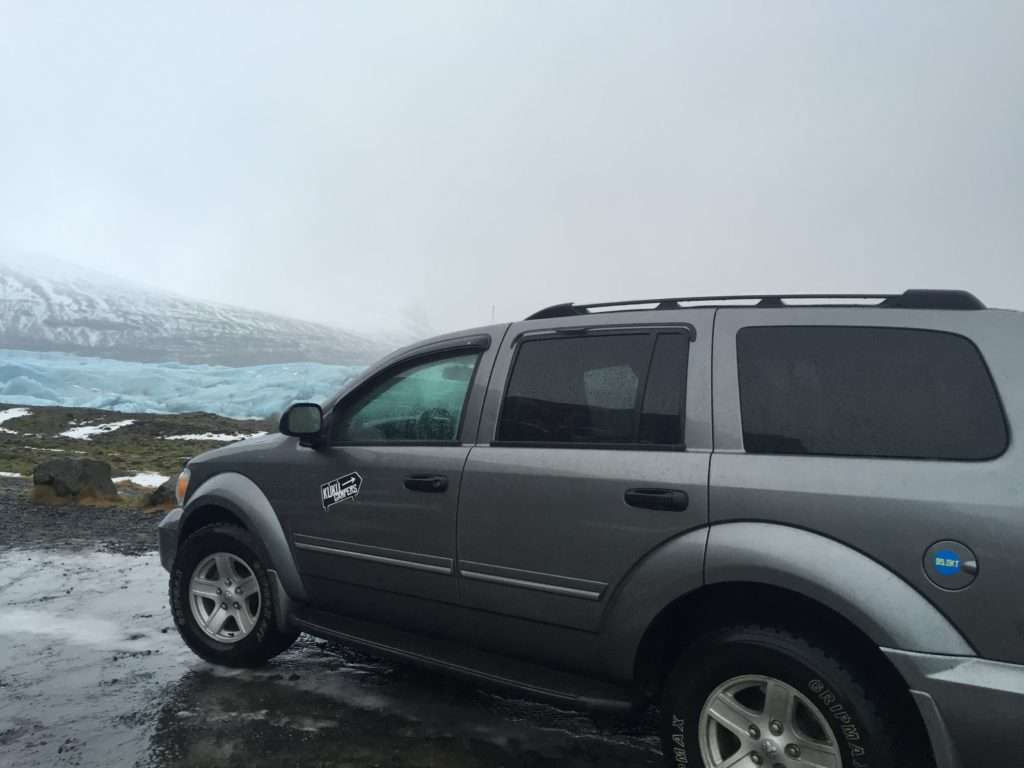
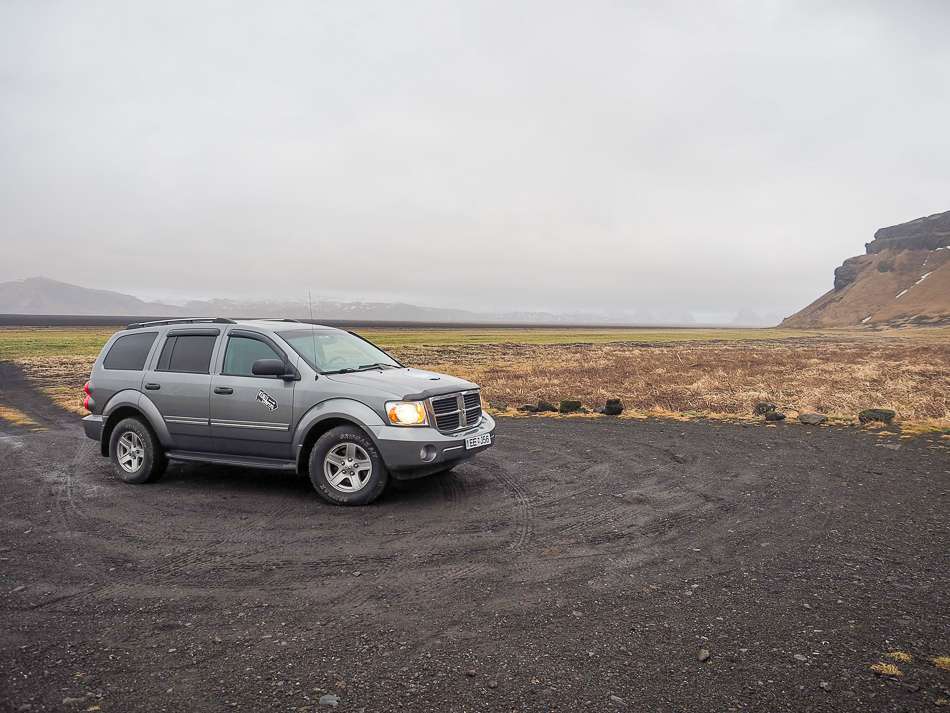
The cost difference for my 4×4 Dodge Durango camper went from € 250 per day in peak season to € 160 per day in winter*. Keep in mind that this was a camper, so the price included all my sleeping budget as well. Smaller vehicles range from 35 to 150 euros per day, depending on the season.
*Prices based on 2016, when we traveled before Iceland’s major tourism boom. They are likely much higher.
6. Speed Limits and Traffic in Iceland
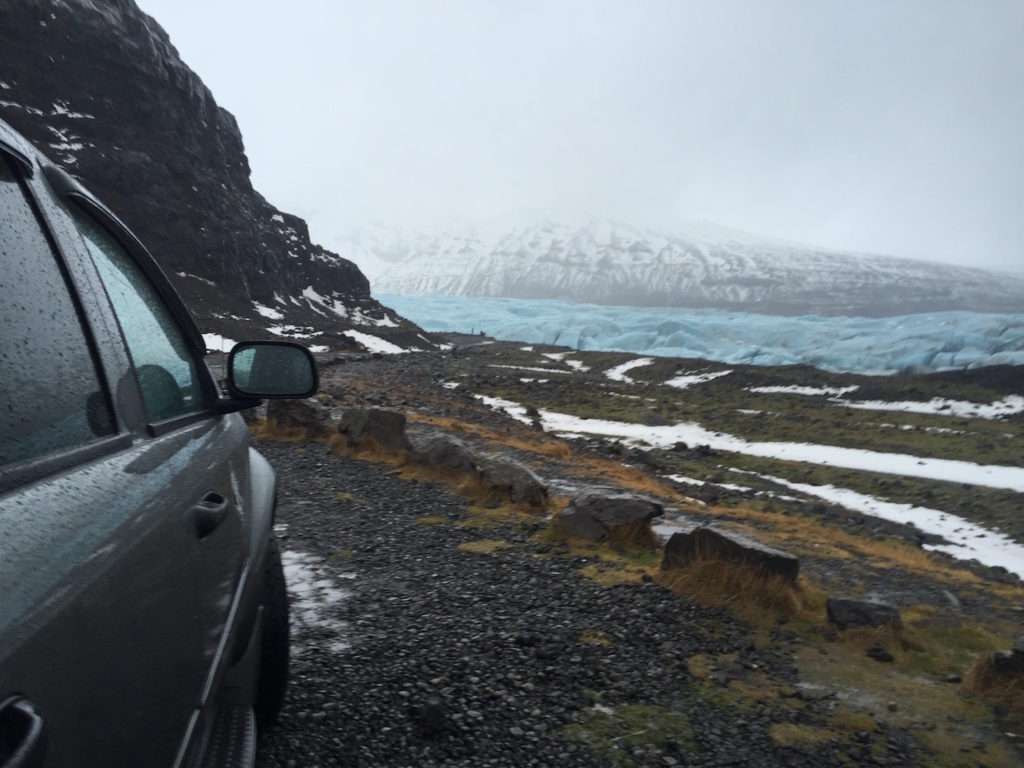
Speed limits may seem very slow to some. That is for your safety. Also, with a lack of police in the country, it may be tempting to speed, but don’t. It is challenging for emergency services to reach you, which puts a strain on their system.
Hardly anyone speeds, and often the roads will change from two lanes to one lane on short notice. Black ice may be hidden, or a storm can come up.
- Residential areas – 30km
- Populated areas – 50km
- Main gravel roads – 80km
- Paved main roads – 90km
7. Off-Roading and F Roads
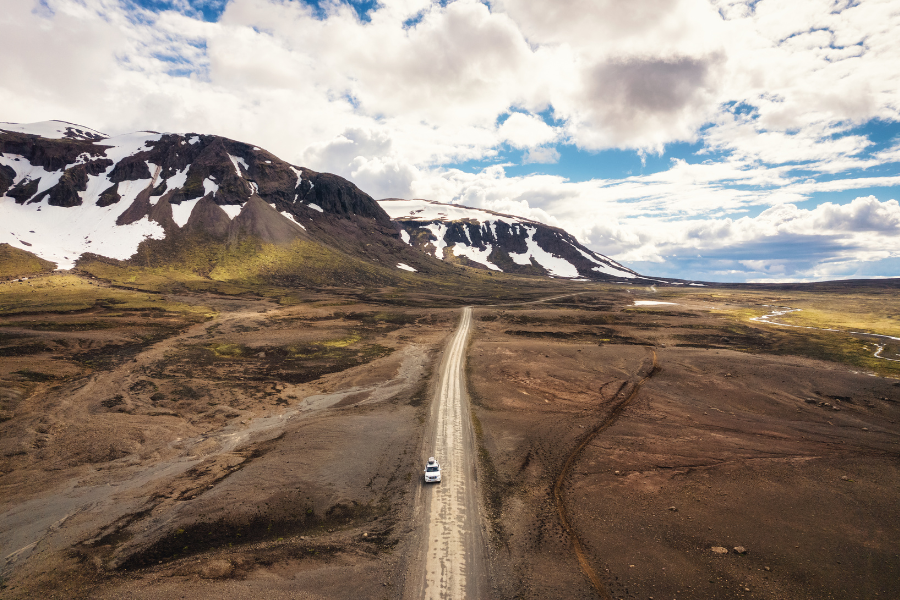
Most off-roads are called F roads. These are the most difficult to travel to and can often be closed. Be sure to check all roads before planning your trip, and always have a backup plan in case the weather prevents you from following your original plan. Most F roads open around June and close around September.
It’s important to drive slowly to avoid bottoming out. Avoid thick mud and only cross rivers at designated crossing areas.
All F roads are closed in the winter. In the winter, many other roads are also closed, including some minor roads that lead to popular destinations.
Check all driving conditions here. This should be checked daily. Also, check the weather conditions here daily.
Pay attention to all signs and warnings and do not push your luck.
8. Map a Route Before Driving in Iceland
Map your route with plan A and plan B for every day.
- Know Your Limits: Most standard car rentals place a mileage cap of around 300 km per day.
- Be Realistic: You cannot drive the entire Ring Road around the country in 5 days without spending your entire vacation trapped inside the car.
- Navigation Tip: While GPS apps have improved significantly, they can still struggle with traditional Icelandic spellings or occasionally route you down closed roads. Rent a dedicated GPS unit with your car, or download offline maps via Google Maps or Maps.me before you lose cell service.
Routes work best if you start in Reykjavik and work your way right toward Vik. These are easier roads, and you can gauge your comfort level. Check out this map!
Bonus Tips for Driving in Iceland
Here are a few more quick bonus tips to be aware of when driving in Iceland!
A. Gas is roughly 215 to 310 ISK per liter ($6-8 a gallon). They are standardized and don’t change much throughout the country. There is no longer a gas tax
B. Never use the fill-up option when getting gas; it holds a set amount of money on your card, usually more than you want to pay or have held.
C. While several gas stations are open 24 hours, some only open at 4 AM, while others open at 9 AM and close at 10 PM. My rule of thumb is to never leave a town with a gas station with less than half a tank of gas to be safe. The more limited hours and times are typically during the winter months.
D. Highlands vs. Lowlands. The weather in the Highlands can be very volatile with unmaintained roads. It’s the riskier route. Be prepared for snow, rain, wind, and potholes, no matter the time of year.
E. To save money, most bridges are built as one-lane roads with pull-outs for longer bridges. Slow down and look for oncoming headlights.
F. Always carry a one-day supply of food, water, and warm blankets in your car if going off-road. It also doesn’t hurt to let the rental company or a hotel front desk know where you plan to head for the day.

Why It is Important To Be Prepared for Renting in Iceland: Our Story
When we first rented a car in Iceland, we were given a safety rundown with a warning that if we did not follow it, serious repercussions would occur. I remember chuckling to myself as I was told my car door could get ripped off by the wind. A car door? Please.
My mind soon changed as I realized the force of nature in Iceland during winter. That is why I am here to provide you with the best tips and tricks for renting a car, driving safety, including winter driving in Iceland, and all the rules of the road.
After renting our car and the safety briefing, we were well on our way. We parked at a famous overlook of the Black Sand Beach. I cracked my window open and stuck my hand out. We were parked the wrong way, and I could feel the wind violently pushing against my hand. We quickly reversed and positioned the vehicle so the wind pushed against the door frame, keeping it closed rather than throwing it open.
My partner carefully exited, walked around, and had to physically help me pry my door open because the wind pressure was so immense. Right next to us, an unfortunate couple was having the same battle—except they lost. Their car door was bent entirely backward off the hinges, unable to shut or open.
During our winter drive, we saw several cars stuck in ditches, buried in snow, or sliding helplessly over sheets of black ice. It is vital to heed the rules of the road here and practice safe and smart driving. Whether you are planning a summer road trip or tackling winter driving conditions, these rules apply to you.
Where to Rent A Car?
We rented from KuKu Campers! They were friendly, knowledgeable, and local, so they helped us plan a great trip! Check them out here!
You can also check out rentalcars.com for alternatives.
Comment and Share
Driving around Iceland is the best way to see this incredible country, but if you’re going in winter, there are many things to be aware of to ensure your safety and enjoyment.
Hopefully, with these tips on hand, you can now plan a safe and fun road trip around Iceland for yourself! Always remember to plan ahead, listen to and follow safety instructions, and keep essential supplies in your car in case of an emergency.
Have you ever driven around Iceland in winter, or are you planning to do so one day? Save this post to come back to if you’re still in the planning stages, and let me know any further tips in the comments if you’ve also done a winter road trip in Iceland!
Planning a trip to Iceland in winter? I’ve got you covered!
- Iceland 5-Day Winter Campervan Roadtrip Itinerary
- Driving Golden Circle in Winter
- Iceland’s Secret Lagoon
- Kuku Camper Campervan Rental Review
- 24-Hours in Reykjavik in Winter
Curiosity Saves Travel Recommends
Accommodation: Booking.com to find accommodation with a Genius Discount and clear third-party sustainable certifications like Green Key. Look for local hotels.
Tours and Excursions: GetYourGuide and Viator for tours, excursions, and tickets. Never book wildlife experiences through these vendors.
Travel: Omio for booking buses and trains in English across Europe. After reducing the number of flights I take annually, I use Google Flights’ carbon comparison tool.
Car Rental: Rentalcars for the best rates in English globally. It is easy to find hybrids and EVs, and there are resources for finding chargers.
Packing Essentials: REI or your local Co-op has great essentials like reusable water bottles and cutlery sets. Patagonia for regenerative clothing. Farm to Feet for socks made with regenerative practices! Pistil Designs for cold-weather essentials. Osprey for bags that last 10+ years, like the day bag for hiking or my favorite carry-on.
eSIM: Airalo eSIM. Reduces waste from single-use SIMs. A total game-changer.
For Bloggers and Content Creators
Earn Ad Revenue with Journey by Mediavine
Earn with Stay22 Travel Partnership (my biggest source of income!)
Earn with TravelPayouts recommending tours and activities.

Thanks a ton for this information! We are going early June and I have noted your advice. Much appreciated!
At least you won’t have all the snow to deal with in June! I want to go back in the summer with a 4×4 so I can get to all the awesome hidden hot springs we missed out in the winter. Let me know if you have any questions along the way. I am happy to help if I can! Hope you enjoy your trip.
Thanks for all the tips. We’re doing the road trip on October and hopefully the weather will be friendly. :) Which month of the year did you go? And what was the most challenging part of your drive? :)
Thank you for all the super practical tips! 120k/h wind is absolutely insane and seriously scary!
Great tips! If we ever make it to Iceland, I’ll let you know. Cheers!
Great post – so informative and easy to read. I would love to drive around Iceland so I’ve added it to my bucket list!
Really good tips. So many things which are obvious but I did not even think about.
Wow, very well done. Very useful if we head out to Iceland. Thanks!
I like passing by every gas station I see if I’m doing a long trip in any place I don’t know well cause you never know when you’ll run out of gas and where the next station is. Perfect tips. Thank you.
Thanks for the practical tips. I’d never considered driving in Iceland, but It’s great info to share with my travel clients.
What an experience. Great safety tips. Iceland is on my list of places to visit. Good to know about the driving concerns. Great post!
Cheers for this post Susanna! Planning on visiting Iceland next year and debating a roadtrip. Nice to have this kind of background info!
Thanks for the post. A lot of good information here. I’ve never been to Iceland and I’m sure I will visit either next year or in 2018
This is very useful and can be applied to some other countries and routes.
Ah what a great article! I don’t drive but I’ve always wanted to do a road trip in Iceland – I visited January last year and I’m going back for a few days in September, not sure if we will have time to drive around but if we do then I’ll show my parents this article. Thanks!
Hello there! I was wondering where you rented your car from? I know I want to get a 4×4 but just wondering where you got those prices from?
Hi Malissa, we rented a camper van from Kuku Campers. They were fairly reasonably priced, considering it was our sleeping arrangements as well. Here is a link I wrote as a review of the company. You can also find them at https://bookings.kukucampers.is/
Prices do vary by season as well. So, the prices in the summer will be more, and in the fall and winter the cost decreases.
Let me know if you have any other questions!
Your post has such great information I have not seen in most other places. The tip about the wind and parking the car is so smart! I remember a time when the car door also clipped my leg really hard because of how hard the wind was.
Hitting a sheep, huh? I saw a cute sheep on the side of the road was I drove by once. It looked my direction, waited for me and the car behind to pass, looked both ways then crossed when it was clear. Hahh I checked the rear view mirror to make sure it crossed okay.
I’m so glad it helped you find the answers you were looking for! I’m glad the sheep was safe! Have fun in Iceland and feel free to let me know if you have any questions!