

Tofino bans the sale of small single-use plastic water bottles
I may earn income from affiliate links or partnerships in this post. I spend time to curate tours or products that align with my values. Thanks for supporting my work, at no additional cost to you. All words and images on this website are created by real people.
One small Canadian community is delivering tangible environmental action in honor of Earth. Tofino becomes the first Canadian municipality to ban single-use plastic water bottles. If you’re planning to visit Tofino this year, make sure to pack your reusable water bottle.
In a landmark move for environmental conservation, the District of Tofino has officially prohibited the sale of single-use plastic water bottles under 1 liter, solidifying its reputation as one of Canada’s toughest policies on plastic. The regulation, which was formally passed in August 2025, came into effect in 2026, giving businesses time to transition, but the busy summer season.
Let’s unpack what this means for travel and tourism to Canada’s surf capital.
Why Ban Small Single-Use Water Bottles?
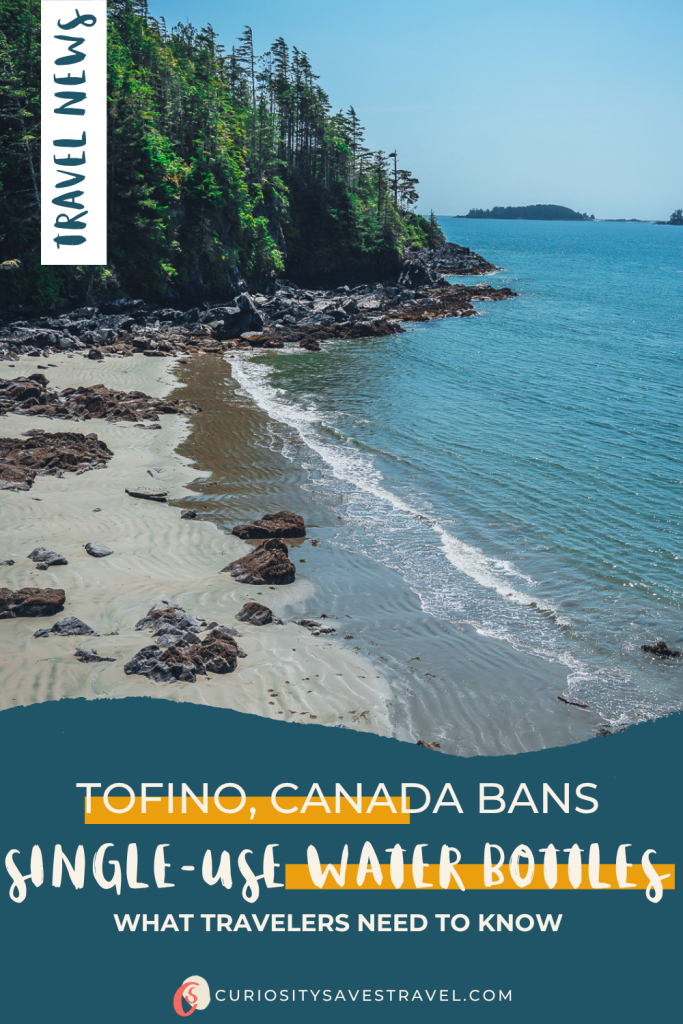
The decision is a direct response to the staggering amount of plastic pollution found in the region’s sensitive marine and terrestrial ecosystems. According to the District, volunteer groups like the Surfrider Foundation have recovered more than 60,000 plastic bottles from Vancouver Island’s west coast beaches since 2015.
When these bottles enter the marine environment, they do not simply disappear. Plastic bottles break down into microplastics that pose serious risks to marine life, with health impacts across the food web, including all the way up to us humans.
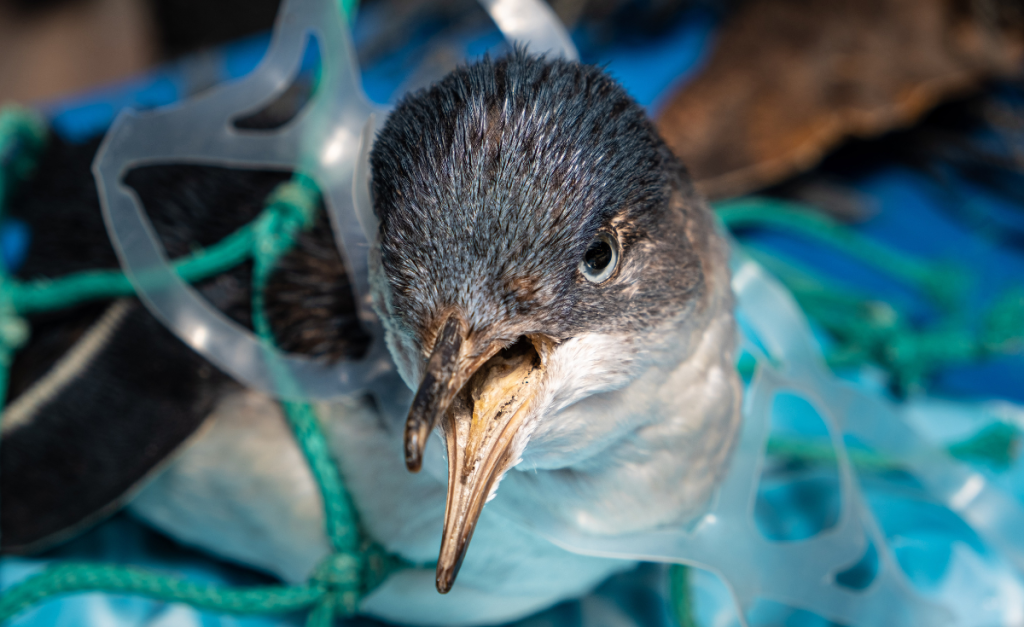
Sadly, birds often mistake plastic pieces for food. Their primary food source, such as fish eggs, looks very similar to plastic pieces. The number of seabirds found dead with plastic in their stomachs is increasing rapidly.
- In the 1960s, less than 5% of birds observed had plastic in their stomach.
- Today, 80% of seabirds are found to have plastic in their stomachs.
- By 2050, it is predicted that 99% of all seabirds will be found with plastic in their stomachs.
Ingestion of plastic causes several significant concerns that can lead to premature death. Plastic in birds:
- Reduces the volume in the stomach, resulting in starvation
- Chicks that are fed plastic are less likely to survive to adulthood
- Those that survive to adulthood are smaller, have shorter wings, bills, and body mass.
- Plastic is also linked with reduced kidney and brain function.
“By eliminating single-use plastic water bottles 1-litre and less, Tofino is taking another meaningful step to protect our oceans, beaches, and wildlife from plastic waste,” said Tofino Mayor Dan Law in a statement regarding the ban.
He emphasized that the bylaw reflects a shared responsibility to future generations and serves as a demonstration of what is possible when a community prioritizes sustainability.
What Does This Mean for Travel and Tourism?
With many community members already embracing a zero-waste lifestyle. This ban seems to address plastic pollution left behind by tourists. Tofino, a town of less than 3,000 permanent residents, welcomes more than 600,000 tourists per year. The sudden tourism boom in Tofino put an immense strain on the infrastructure, waste management, and resources of Tofino.
Visitors will need to ensure their reusable water bottle is a standard item on their packing list for Tofino, alongside their rain gear, hiking boots, and swimmers. And, let’s be honest, most of us should already have a reusable water bottle we take on all our trips.
This shift also highlights one of Tofino’s readily available high-quality drinking waters. Tofino’s water is sourced from rain-fed creeks and old-growth forests within the protected Tla-o-qui-aht Tribal Parks. The local tap water is not only safe but is considered some of the best in the province, so there is no excuse to leave your bottle at home.
To support this transition, Tofino has installed more refill stations across the district. Additionally, many local businesses have already begun displaying “Free Water Refills Here” decals in their windows, signaling to tourists that they are welcome to top up their bottles at no cost.
I did notice some outsiders in forums criticizing the policy, with concerns regarding emergencies, and what happens when tourists run out of water or forget their bottles. There is also some concern that this won’t address the issue.
Tofino has considered all this, though. While the days of grabbing a quick plastic bottle from a convenience store shelf are over, the District has built in several exemptions to ensure accessibility. The shift is from a “grab-and-go” culture to one of “refill and reuse”.
The new regulation specifically targets individual plastic water bottles of one litre or less, so you can still get a larger bottle in an emergency. This just aims to stop those little bottles from being left behind on hikes or beach picnics.
Furthermore, the regulation is designed to be flexible during times of crisis, allowing for the sale of bottled water during declared emergencies or when the community reaches Stage 3 water conservation levels.
If you forgot your reusable bottle, there will be reusable bottles to purchase throughout the town, but ideally, we aren’t buying more stuff, and we bring what we have from home.
And as for other plastic pollution, Tofino already has one of the strictest bans on single-use plastics, including forks, straws, and takeout containers. Of course, this won’t stop all solid waste pollution from entering waterways, but progress is progress.
A Collaborative Effort Years in the Making
The community-driven achievement has been years in the making, supported by the Tla-o-qui-aht Nation.
Saya Masso, the Natural Resource Manager for Tla-o-qui-aht First Nation, solidifies the partnerships and aligned values, “Tla-o-qui-aht is excited to take these steps with our partners. Our Nation participates in ocean activities and earns a living from the bounty of the ocean. We must always take the best steps to ensure that the ocean and its resources are safeguarded from human impacts.”
Other supporters include Tourism Tofino and the Tofino Chamber of Commerce. Graydon Clerk, executive director of the Chamber, noted that the move is as much about the economy as it is the environment. By cutting plastic waste, the town is protecting the very natural beauty that draws visitors from around the world.

Plastic pollution is an eyesore. With Tofino a world-renowned destination for surfing, beach and coastal tourism, and marine wildlife experiences, tourism revenue and return visitors rely on clean beaches and waterways.
Clerk stated that the ban further positions Tofino as an environmental leader in Canada.
This sentiment is echoed by Lilly Woodbury of Surfrider Foundation Canada, who said, “Surfrider Pacific Rim is thrilled to make history once again with the District of Tofino through this landmark ban. This community-driven achievement has been many years in the making, and it marks another step forward in tackling the plastic pollution crisis through systems of refill and reuse.“

Tofino, a Leader in Regenerative Tourism in Action
Tofino is a leading model of regenerative tourism in action. In 2023, they made history with a 1% sustainability fee.
This fee, paid by travelers at hotels, was used collectively along with federal funding and local tax dollars to help fund a new wastewater plant to prevent hotels from dumping sewage into the ocean. Previously, all raw sewage was dumped into the ocean.
As places grapple with extreme levels of tourism that contribute to a myriad of problems, Tofino ensures that tourism is part of the solution to some of the problems it exacerbates.
Tofino’s bold step serves as a reminder that the future of travel lies in preservation. For the modern traveler, visiting Tofino now means more than just enjoying the waves; it means participating in a collective effort to keep the ecosystems free from single-use plastic.
Curious about regenerative tourism? Read all about it, here.

Bring Reusables: Sustainable Travel 101
The very basic and bare minimum of sustainable travel is bringing your reusable
Don’t forget to pack your favorite reusable water bottle.
- I love SIGG for its lightweight features for travel.
- I use Grayl in places without potable water
- Hydroflask Lightweight is a great option for those who want insulated features.
Looking for a regenerative guide to Tofino? Check out my complete guide to sustainable travel in Tofino.
Watch the story on YouTube
If you want the short-and-sweet video version of this article, head over to my YouTube channel to watch, subscribe, and get specific tips for traveling plastic-free.
Sources and More Information
- Read the full press release by the District of Tofino.
- Research shows how single-use plastic bans can reduce plastic litter (70% reduction in Sao Paula, 50% reduction in Italy. Though unintended consequences show that bans must be coupled with viable alternatives and global policies.
- Plastic bag bans work.
- Seabirds and plastic.
Comment and Share Tofino’s Plastic Water Bottle Ban
Tofino is certainly making waves, but not the kind surfers can ride, with their progressive and bold ban on single-use plastic bottles. As the first municipality in Canada to take this approach, they are leading the way in sustainable policies. With most vested stakeholders on board in Tofino, from the First Nations, businesses, Surfrider Foundation, community members, and politicians, Tofino certainly has everything it needs to make this a success.
Don’t forget to pack your reusable bottle if you’re planning to visit Tofino and Vancouver Island, and get ready for less plastic pollution!
- What do you think of Tofino’s new ban on small single-use plastic bottles?
- Is bringing your bottle second nature at this point, or do you still need gentle reminders?
- Would you like to see other communities follow in their footsteps?
Curiosity Saves Travel Recommends
Accommodation: Booking.com to find accommodation with a Genius Discount and clear third-party sustainable certifications like Green Key. Look for local hotels.
Tours and Excursions: GetYourGuide and Viator for tours, excursions, and tickets. Never book wildlife experiences through these vendors.
Travel: Omio for booking buses and trains in English across Europe. After reducing the number of flights I take annually, I use Google Flights’ carbon comparison tool.
Car Rental: Rentalcars for the best rates in English globally. It is easy to find hybrids and EVs, and there are resources for finding chargers.
Packing Essentials: REI or your local Co-op has great essentials like reusable water bottles and cutlery sets. Patagonia for regenerative clothing. Farm to Feet for socks made with regenerative practices! Pistil Designs for cold-weather essentials. Osprey for bags that last 10+ years, like the day bag for hiking or my favorite carry-on.
eSIM: Airalo eSIM. Reduces waste from single-use SIMs. A total game-changer.
For Bloggers and Content Creators
Earn Ad Revenue with Journey by Mediavine
Earn with Stay22 Travel Partnership (my biggest source of income!)
Earn with TravelPayouts recommending tours and activities.






I’ve never been to Canada, but I think it’s great to see Tofino taking steps to reduce single-use plastic. I was curious about what alternatives are available for travellers, so it’s good to know there are public refill stations, safe tap water and opportunities to refill reusable bottles. A sensible approach.
Yes, I think things like this only work when there are accessible and easy alternatives for travelers. So, I really like that Tofino is making the transition easy to ditch plastic and incentivizing travelers to bring their own bottles.
This is a really good initiative, I hope other cities follow.
I hope other cities reduce plastic pollution with initiatives like Tofino as well.
This is such a great step forward! I always travel with a reusable water bottle, so I love seeing destinations make it easier to reduce plastic waste. Hopefully, Tofino’s example will inspire more communities to follow.
I agree, most travelers should have their reusable bottle by now, and it is great that towns like Tofino can transition away from plastic bottles, while ensuring there are refill stations readily available.
This is a welcome step forward. I wish other players in the travel and tourism industry would get rid of single use plastic. People can get used to bringing their own water bottles. It is so much better for the environment.
I agree, travelers should be used to bringing their bottles everywhere by now. And it is great that Tofino is moving forward with plastic reduction policities will, ensuring there are places to fill your bottles across the town.
I like the idea of banning single use bottles as long as there is a means to get filtered water somewhere. I can see the savings and how it works with tourism. Thanks for sharing this. Its similar bag banning in some cities in the US.
Yes, I agree; there needs to be easy and accessible water for travelers and locals for this to work. Tofino installed a lot of water stations, and they got businesses to offer free bottle fills. It incentivizes people to go into businesses to refill water, and they might even get a little shopping done too to support the local small businesses.