Things to do in Takayama, Japan: Sake Tastings, Breweries, and Guide
I may earn income from affiliate links or partnerships in this post. I spend time to curate tours or products that align with my values. Thanks for supporting my work, at no additional cost to you. All words and images on this website are created by real people.
Are you curious about the best place in Japan for sake lovers? Look no further than Takayama. When planning our month-long itinerary for Japan, my partner and I, fans of sake, jumped at the opportunity to visit Takayama. Takayama is a charming historic town in the Hida region, where crisp, cool, refreshing mountain water leads to some of Japan’s most reputable sake brewers.
Once home to 60 breweries, only 7 remain, open and welcoming visitors to try their diverse sake offerings. Visiting Takayama is a great way to try incredible sake in a historic town known for brewing.
But Takayama is more than sake. Whether you love sake or historic streets reminiscent of the Edo period, Takayama is worth visiting. It is just slightly off the main tourist path, but it is still well-known and connected enough for those visiting Japan to feel confident traveling here for the first (or even second) time.
This guide covers helpful information for those visiting Takayama, including how to get there, where to stay, what to expect, a rundown of all 7 sake breweries and how to taste and enjoy each, where to eat, and other things to do.
About Takayama
Back in the famous Edo period of Japan, the wealthy merchants of Takayama accepted payment from those living under their rule in the form of rice. When the price of rice was high, these merchants would sell it for a continuous profit, deepening their coffers.However, when rice prices were low, they would capitalize on their rice stores and make sake.
The town of Takayama is in the quaint mountainous region of Hida. The area is known for cooler temperatures and refreshing alpine water—the perfect conditions for making kick-ass sake. Throughout the centuries, Takayama became known for its sake, and as the Edo period faded, the sake remained.
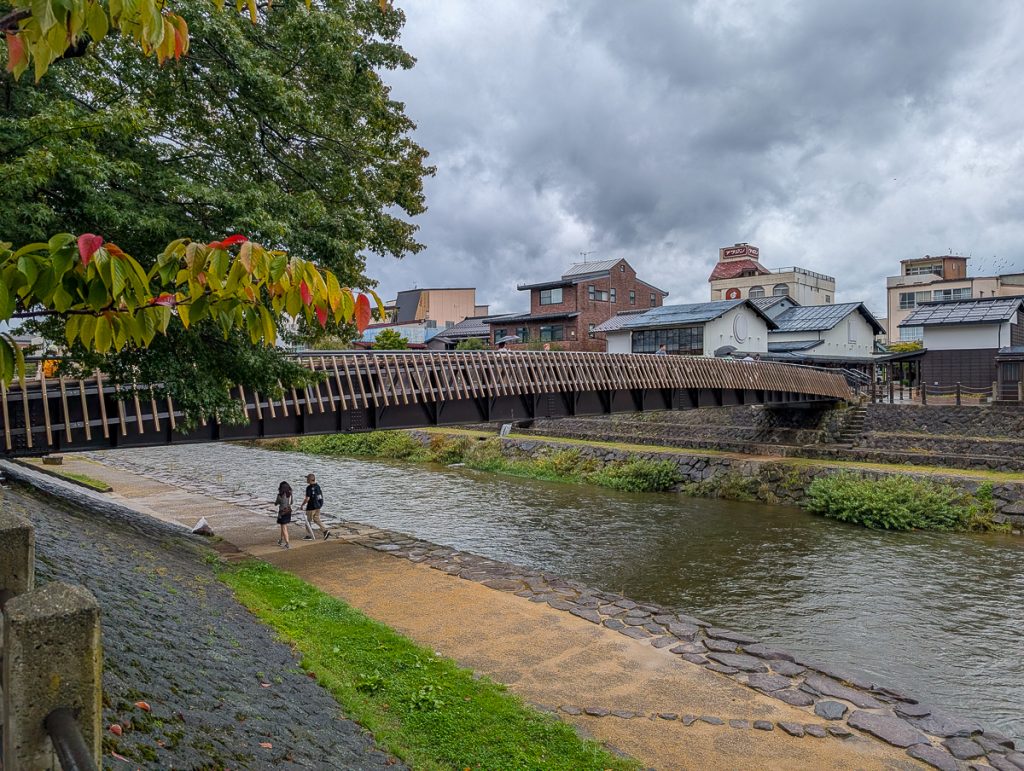
Takayama is a larger village/small city with a historic district and a more modern region. The historic district has the best sake breweries, attractions, and food.
Known for more than sake, Takayama is also on the radar of cultural travelers for its biennial festival. Today, like most of Japan, it is a town with a rich cultural heritage and an increasingly modern future.
All About Sake and Sake Tasting In Takayama
One of the best things to do in Takayama is sake tasting. Renowned for sake breweries, many travel to Takayama to try the sake. But I had no idea what to expect, so this guide will help you as you explore the sake breweries Hida is known for.
You can visit most breweries in two days if you pace yourself. However, if you do so, limit yourself to a few sakes at each brewery.
Otherwise, visit 1-2 breweries a day for a more relaxed approach to trying sake. Each brewery has a different style of sake and offers a different tasting experience, from sit-down pre-selected tastings to a more self-guided experience, allowing you to pour your own sake from a fridge.
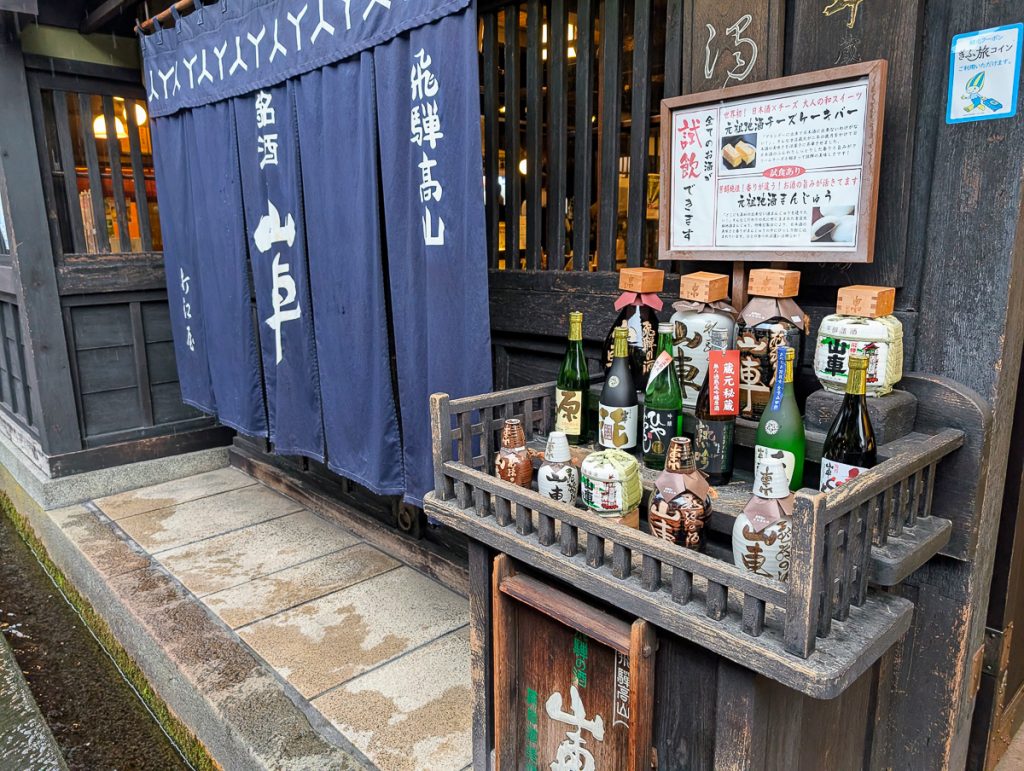
These sake tastings are unlike formal wine tastings. There are a few resources to help you learn about the types of sake, and they are mainly self-guided, non-educational experiences. If you need help with English tasting notes, I suggest you book a sake tasting tour with a local guide. So, guess it is really more of a sake drinking…
Since each brewery is different, it took us a few minutes to understand the process, but we just read the English signs and followed the guidance of others.
Looking for a more culturally immersive sake tasting?
Book one of these guided experiences:
Takayama Cedar Balls – How to Find the Breweries
Thankfully, six of the breweries are within walking distance of each other in the old town, making this one of the best towns for a self-guided sake tour!
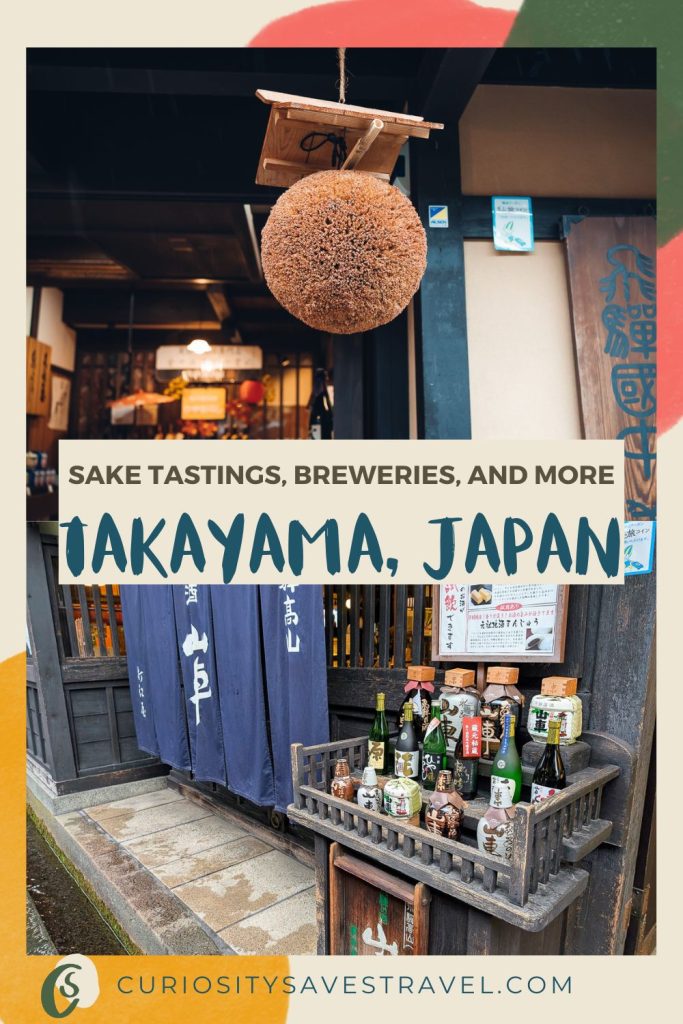
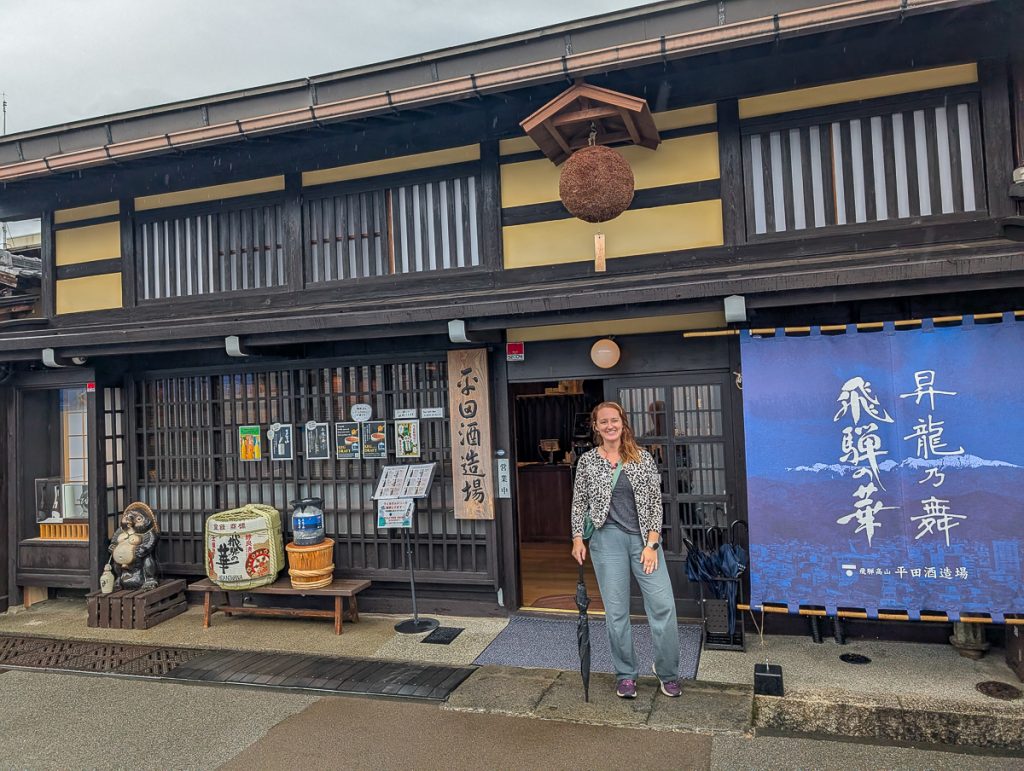
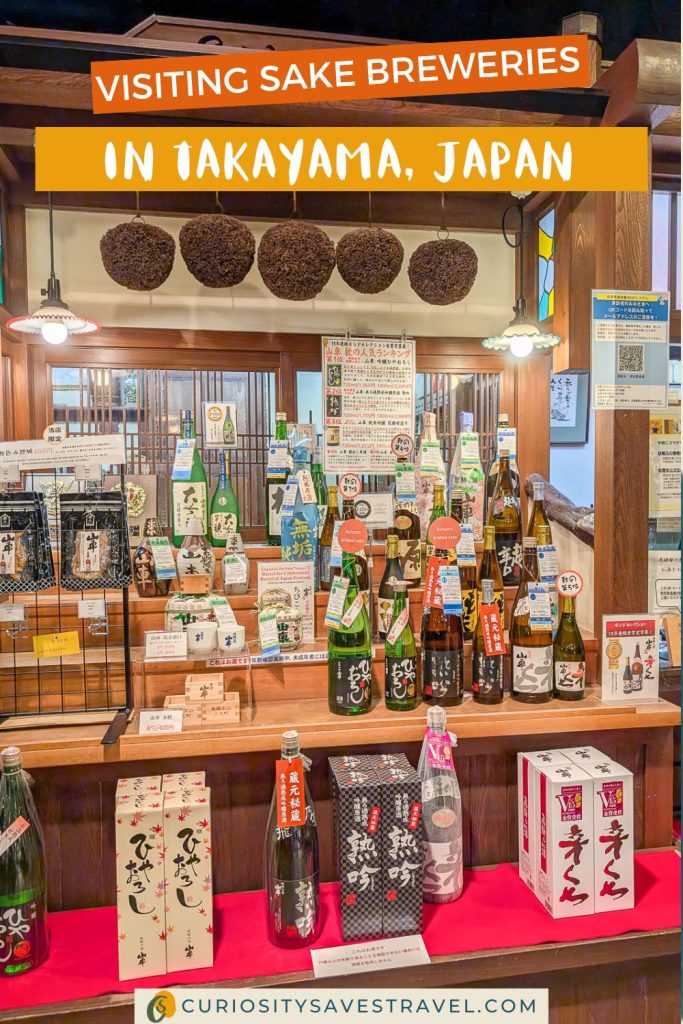
The sake breweries are easy to find on Google Maps. Beyond that, look for the giant cedar bough balls hanging in the doors of old wooden buildings.
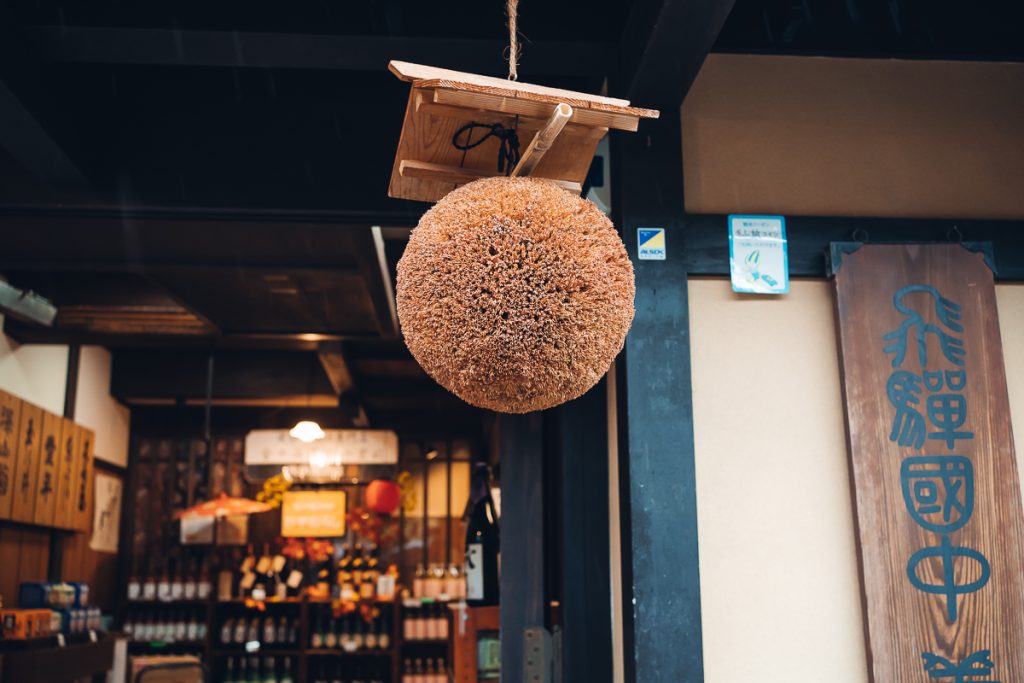
What are the cedar balls?
Hanging these balls, called Sugidama, was originally done to honor the god of sake. Over time, it became a widespread cultural tradition. Brewers hung fresh, brightly green balls in spring to indicate that new sake was ready for sale and drinking.
As the cedar boughs slowly fade, a less vibrant color indicates summer sake, while the dull brown color in winter indicates sake aged over the year.
We visited in October, so the cedar balls were brown.
Sake Breweries to Visit Takayama
1. Harada Brewery
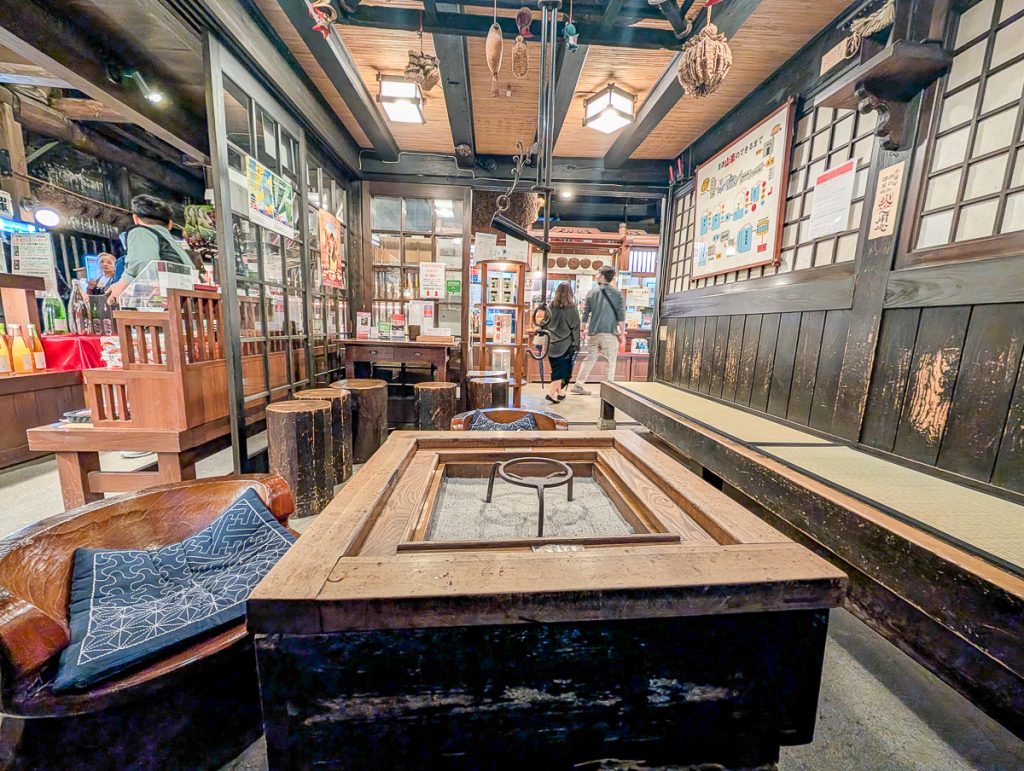
Harada was the first brewery we went to, and it was much more casual and laid-back than I expected. However, that also meant we were unsure about the tasting process.
Harada is a large brewery and store where you can purchase and sample many sake varieties and sweets. It is known for its Sansha and festival sake, which has been produced since 1855.
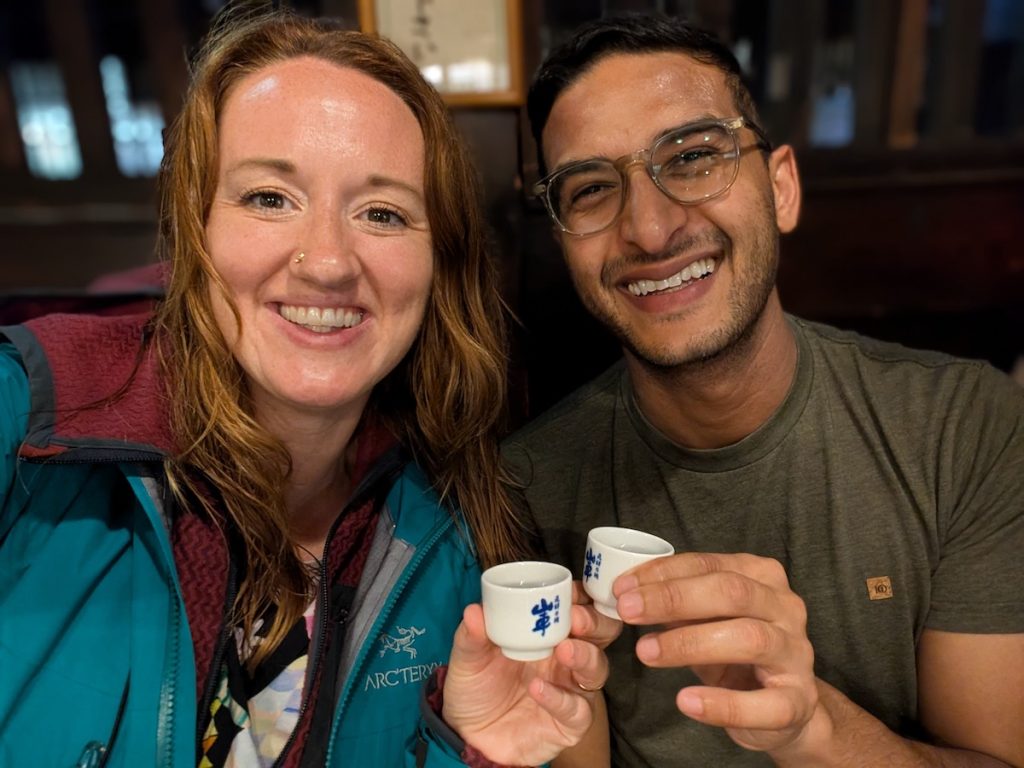
We paid 450 yen each, which included a personal souvenir cup to take home. Take your cup to a fridge with 10-15 sake bottles, ranging from dry to sweet to floral. Line up, then pour yourself a sake, but only try each sake once.
There is a small lounge area where you can sit. Otherwise, just enjoy your sake and look through the shop. Here you will find sake jelly, sake cheesecake, and more treats.
2. Hirata Brewery
Hirata was our favorite brewery in terms of sake and experience. However, the tasting areas are much smaller, with standing room only at the bar counters. When you enter, see the staff to select your tasting experience.

There are two packages, one with a premium sake and another with generic sakes.
The woman behind the counter spoke English and was able to share some information about her sake products. We picked the premium and got a souvenir cup and a taste of sake from a pressurized keg. It was the best sake I’ve ever had! Otherwise, you drink out of single-use disposable cups. :(
They are known for a sweet sake called Suiou, which is an award-winning long-fermented sake.
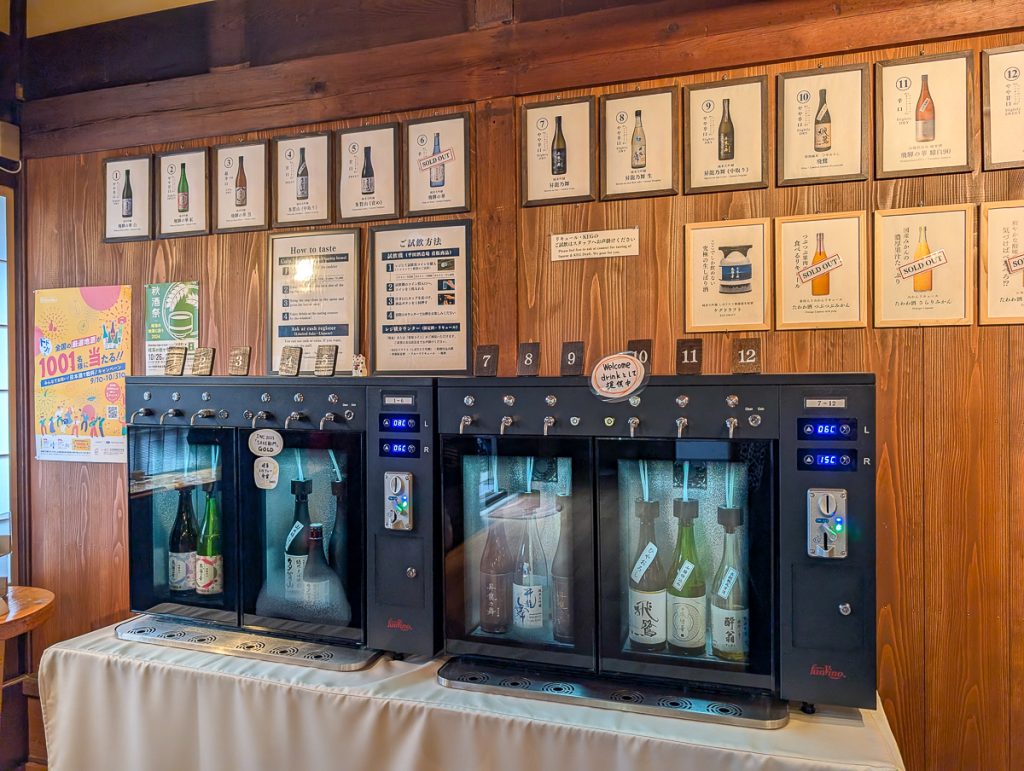
Your package comes with coins, and you insert a coin to choose the sake you want from a vending machine. A set amount pours out, and you can reference the tasting notes in a book.
3. Funasaka Brewery
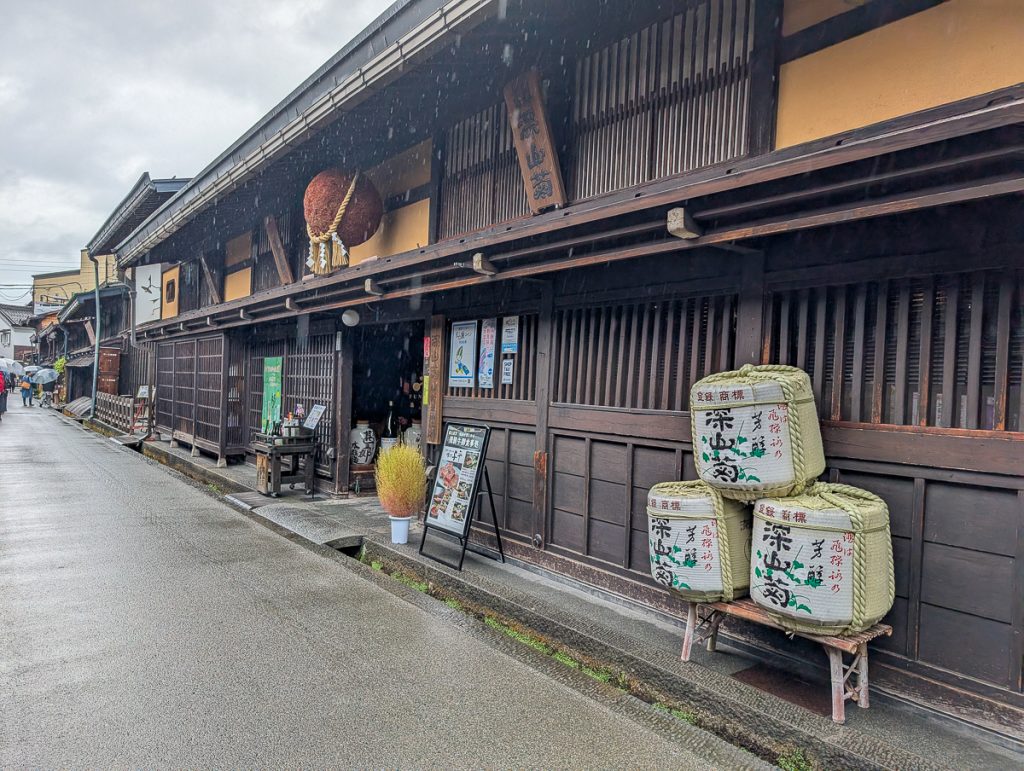
We skipped this one as it was a Hida Beef restaurant and sake bar. You can just go in to purchase sake, but I wasn’t feeling the overly aggressive beef marketing out front.
However, it sounds like an enjoyable experience for those interested in the sake bar counter. Here you can pay a small fee to taste and learn about sake with experts.
4. Hirase Brewery
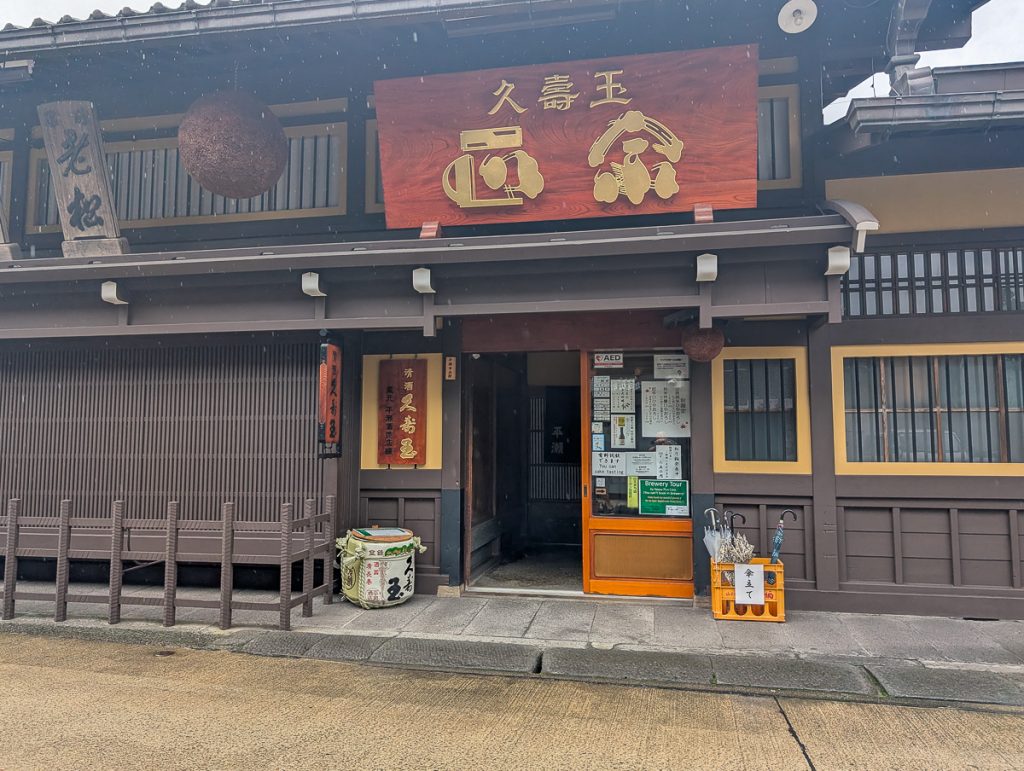
The oldest brewery in Takayama. Purists only drink their brand of sake, Kusudama, which is often the choice at festivals and parties.
If you thought Harada was a good deal with 10-15 sakes to try, Hirase does even better. For 1000 yen, you can sample from a fridge with more than 20 sakes. This is the best value for the buck, as you can try more sake and get a card that helps you learn about sake and identify what you like.
A novel thing at this brewery is that you can sample the refreshing mountain water Hida is known for, and Hirase uses in sake brewing!
The brewery is known around the world for its Kusudama sake. This clear and refreshing sake costs over USD 100 in New York, but here, it is available for a fraction of that price.
5. Kawashiri Brewery
They are among the few in Japan who age sake by prolonging the fermentation process. They store their sakes for 2-4 years, which is difficult to achieve with sake.
They are known for their sweet and subtle Hida Masamune sake, which they do not export; you can only taste or purchase it here in Takayama.
The tasting is a more formal experience; pay 300-500 yen to try three types of sake. You can sit at a table with chairs for a relaxing and refined tasting.
6. Niki Brewery
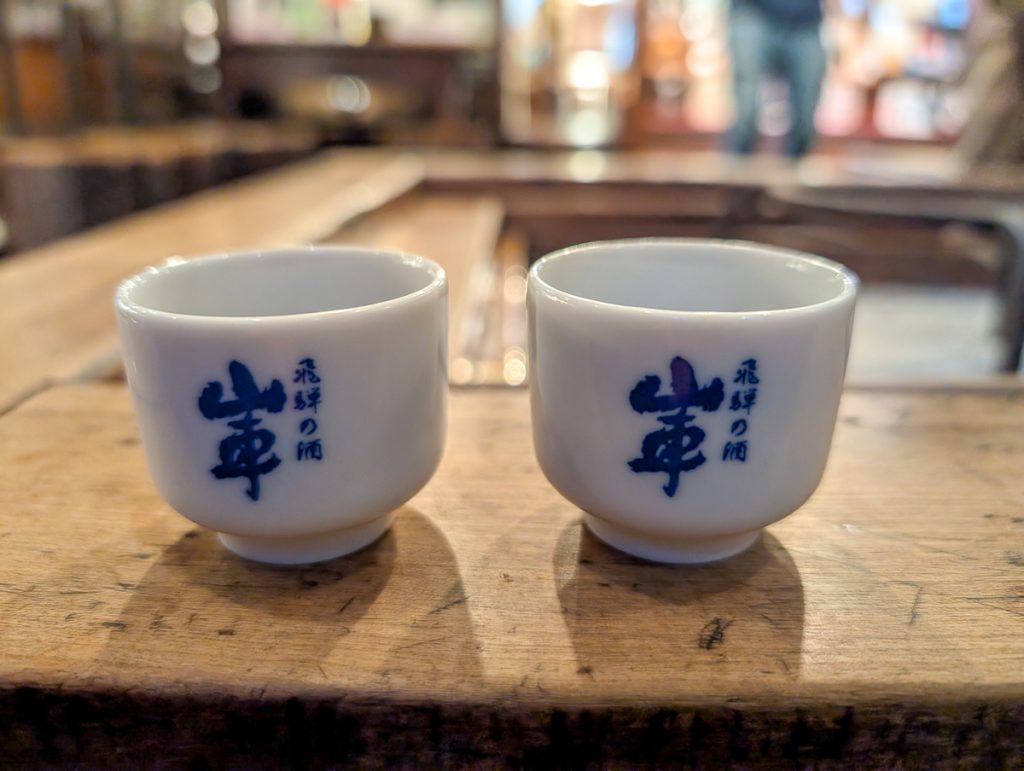
Another of the older brewers, Niki, is known as the only brewer in Hida for making Ginjo sake from highly polished rice. This type of sake requires cold temperatures.
Niki is a work of art in an old traditional townhouse with a well in the center from which it still sources water.
This brewery is subject to frequent closures, but you may be lucky to visit. Here you can get up to 6 samples using a coin-operated vending machine. There is also an area with a tatami mat (remove your shoes).
7. Oita Brewery
Oita is harder to reach, as it is on the outskirts of Takayama in an area called Kiyomi. They are known for Oni Korosi, which has a very dry taste. It is often said that it is so dry it could kill the devil.
The brewery has been around for over 300 years, but has recently embraced modern technology. It moved from historic Takayama to manage the brewing process with better temperature monitoring equipment.
We didn’t have time to make it out here, but it could be a great option for anyone with more time.
Can you tour the breweries?
Tours through the brewery are prohibited; most are in the tasting room. The breweries open for one-week rotations early in the year for a select group of people to tour.
Other things to do in Takayama
Before your sake tastings, there are plenty of things to do in Takayama to keep you busy!
Morning Markets
Takayama is known for its “Morning Market.” These markets are in the, you guessed it, morning.
There are two markets in the city:
- Miyagawa Morning Market: 7 am – 12 pm
- Riverside markets with local products
- Jionya Mae Morning Market: 8 am – 12 pm
- Farmer’s market with produce
These markets are in just about every guidebook, so I was rather excited for them, but to be honest, they weren’t my cup of tea, and I LOVE farmers’ markets.
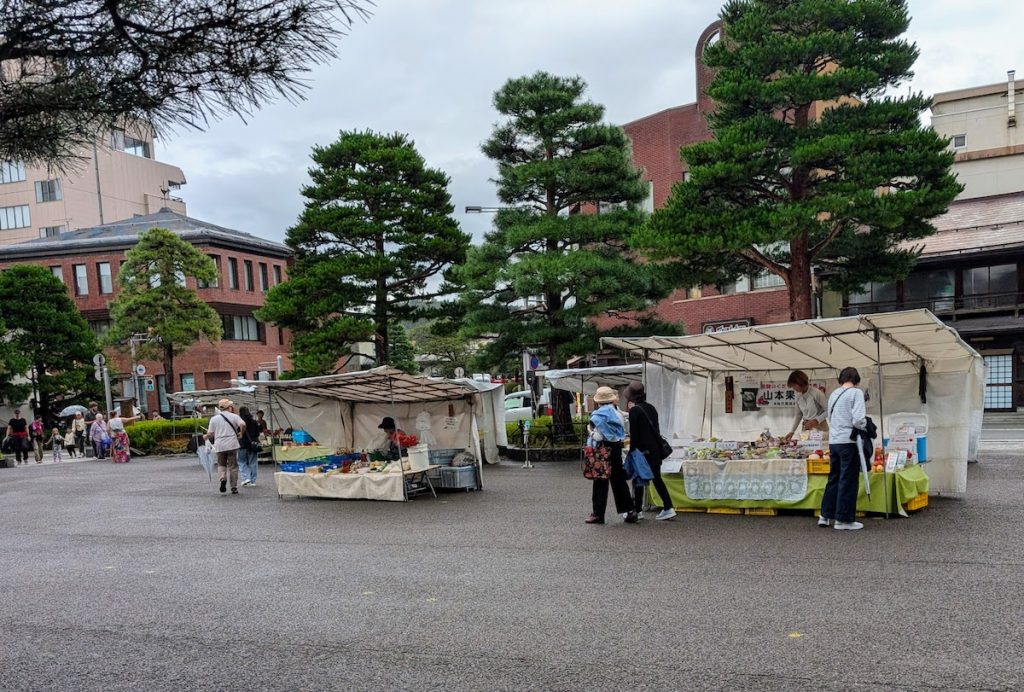
These markets cater to locals, and honestly, I prefer them to stay that way. Locals need access to fresh produce and goods at affordable prices, so I’m happy to leave the shopping to locals here. I just grabbed some local Hida Apples to get fresh fruit into my system, and I was happy with that.
Shrine and Ruin Trail
There’s a lovely green park in Takayama called the Cyudan-Yakata. From the Shoren-ji Temple, you can reach the ruins of Takayama Castle.
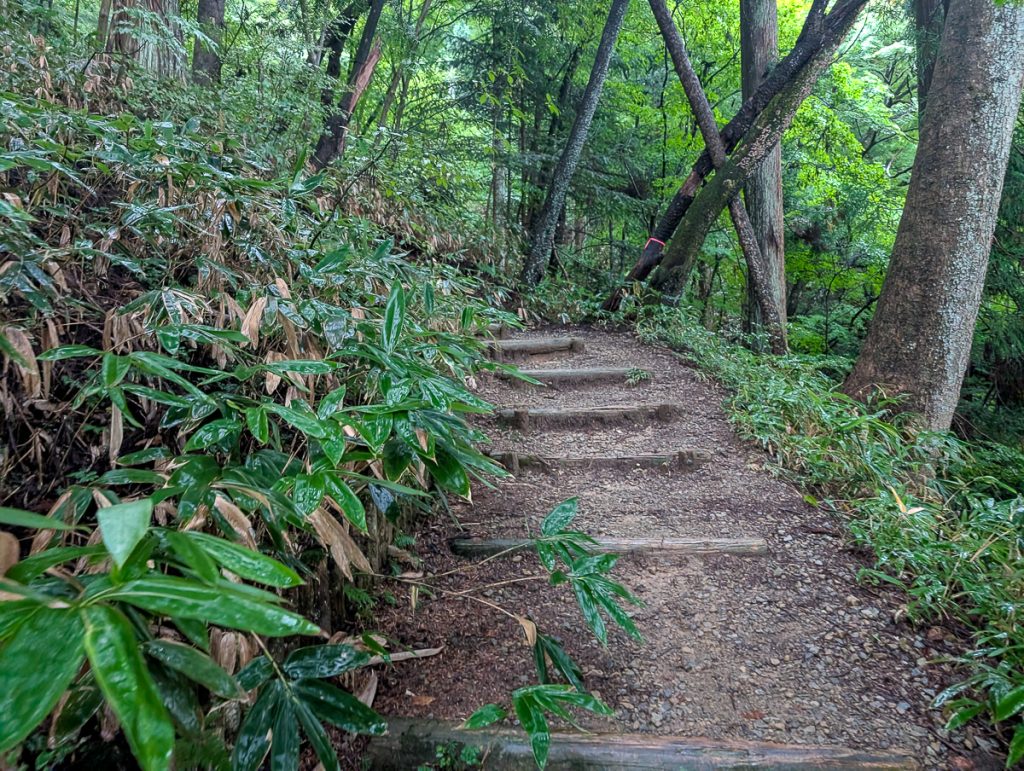
This trail takes you through the lush green forest with birds and other wildlife. Along the way, you will pass a few shrines, temples, and historical ruins. It is deceptively big, so stop by the visitor center for a map highlighting all the sights.
Souvenir Shopping
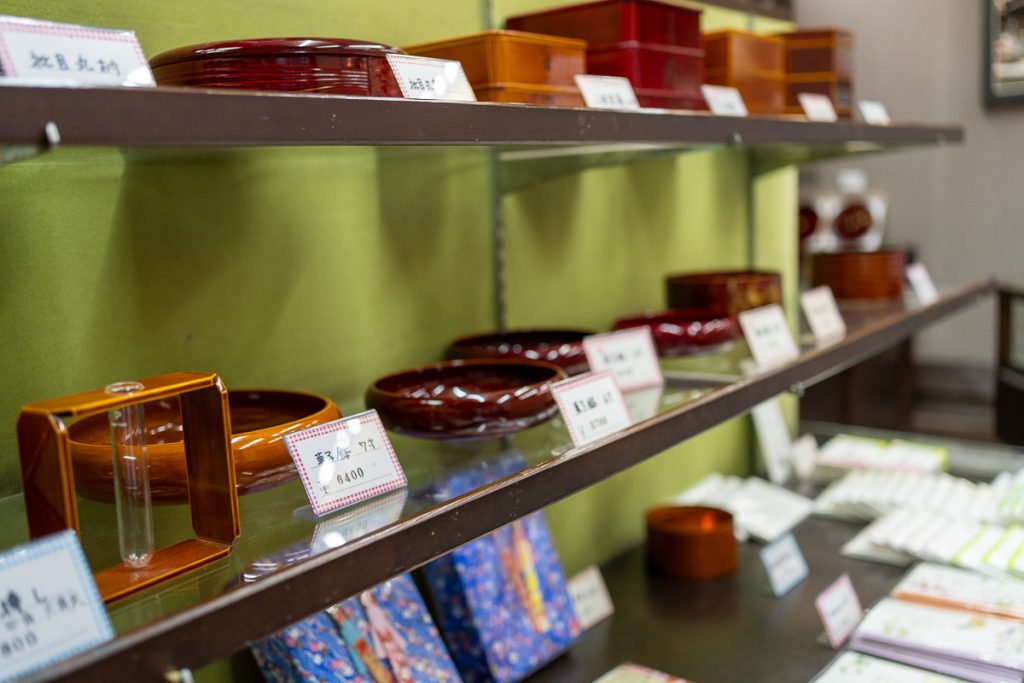
Takayama and the Hida region are known for their fine handicrafts, and the city is a great place to shop for sustainable souvenirs for authentic and quality products.
There are dozens of shops selling their wares. Look for:
- Hida Shunkei – Lacquerware wood products that age like fine wine. Look for bowls, chopsticks, plates, and dinnerware.
- Chii-Ittōbori – hand-carved yew carvings of traditional figurines
- Pottery – a great place to get sake glasses to take home!
- Furniture – many master woodcarvers make unique one-of-a-kind furniture pieces.
Some of the best shopping is along the water across from the riverside morning market.
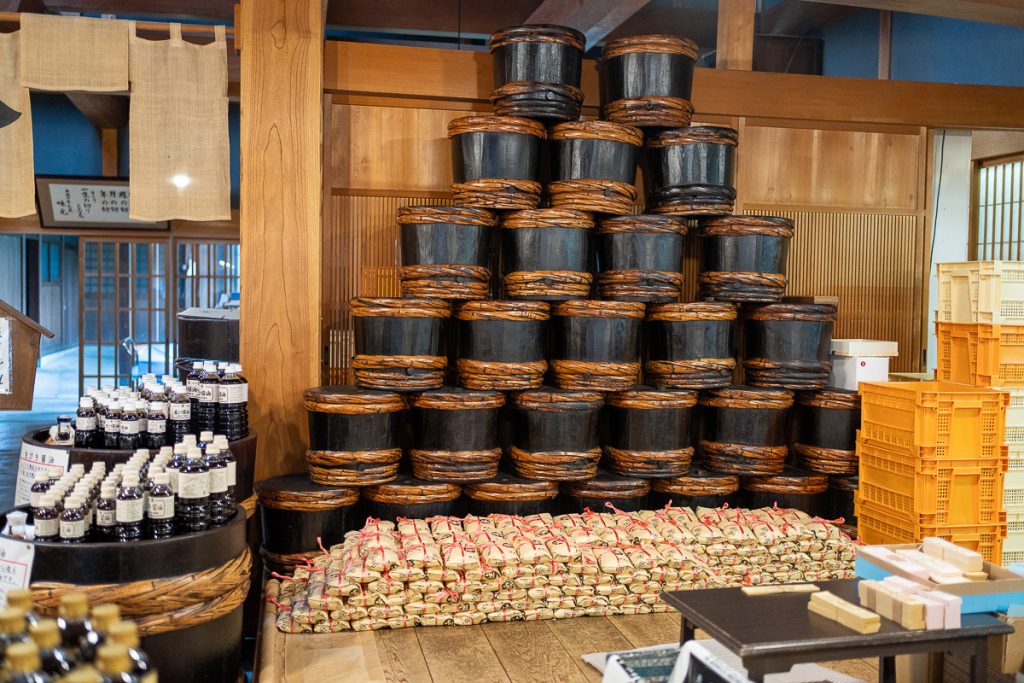
Miso and Soy Brewery
You bet we also went home with a gallon bag of miso paste! Takayama is known for its miso breweries and sake breweries. We visited Onoya Brewery, over 250 years old, to get some soy and miso to take home!
*Some products contain fish, so vegetarians beware. The staff helped clarify which miso was vegan.
Wander Historic Streets
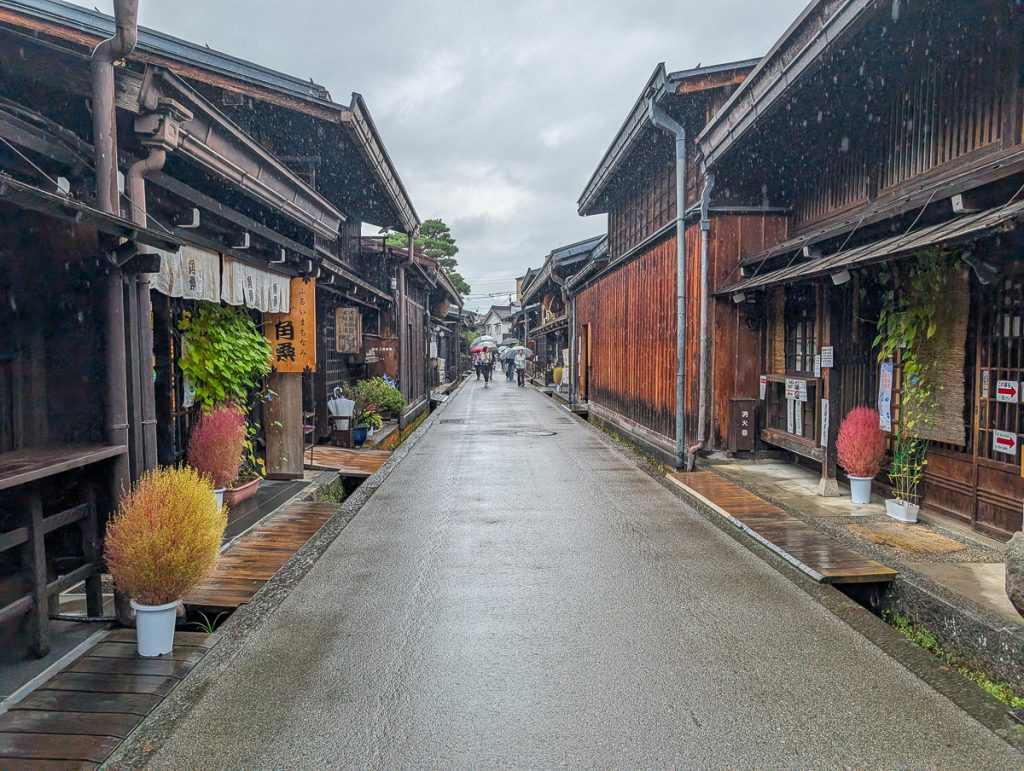
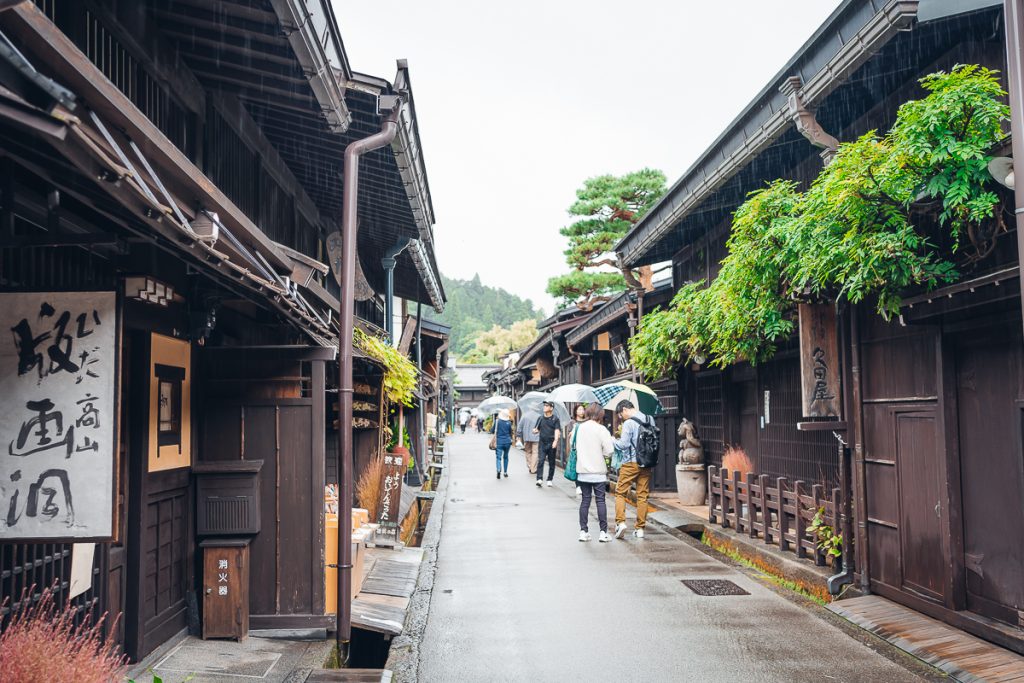
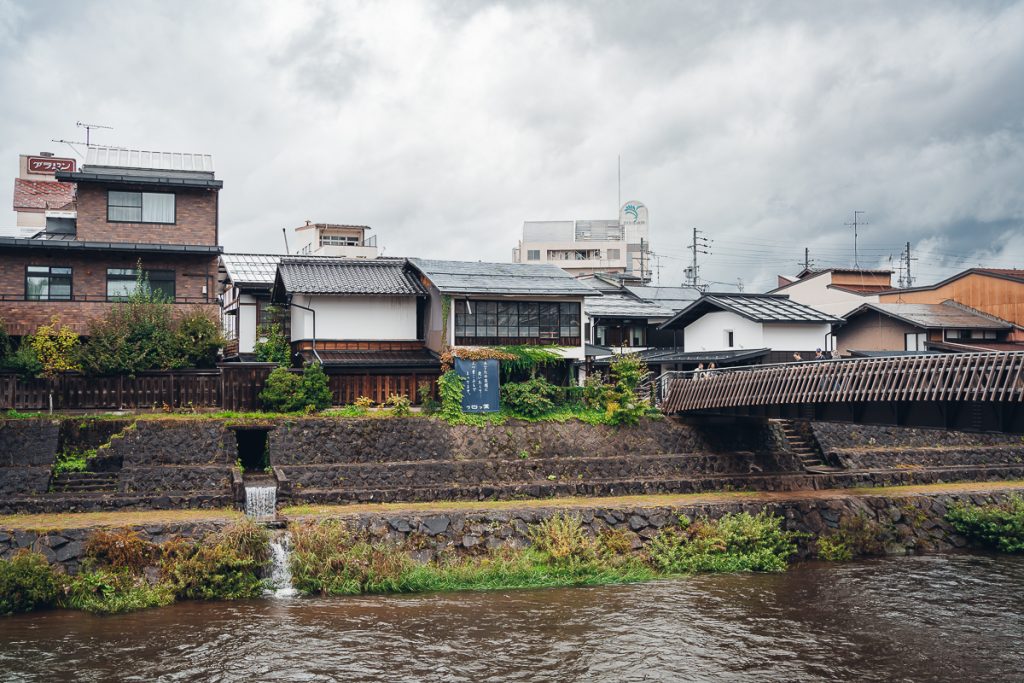
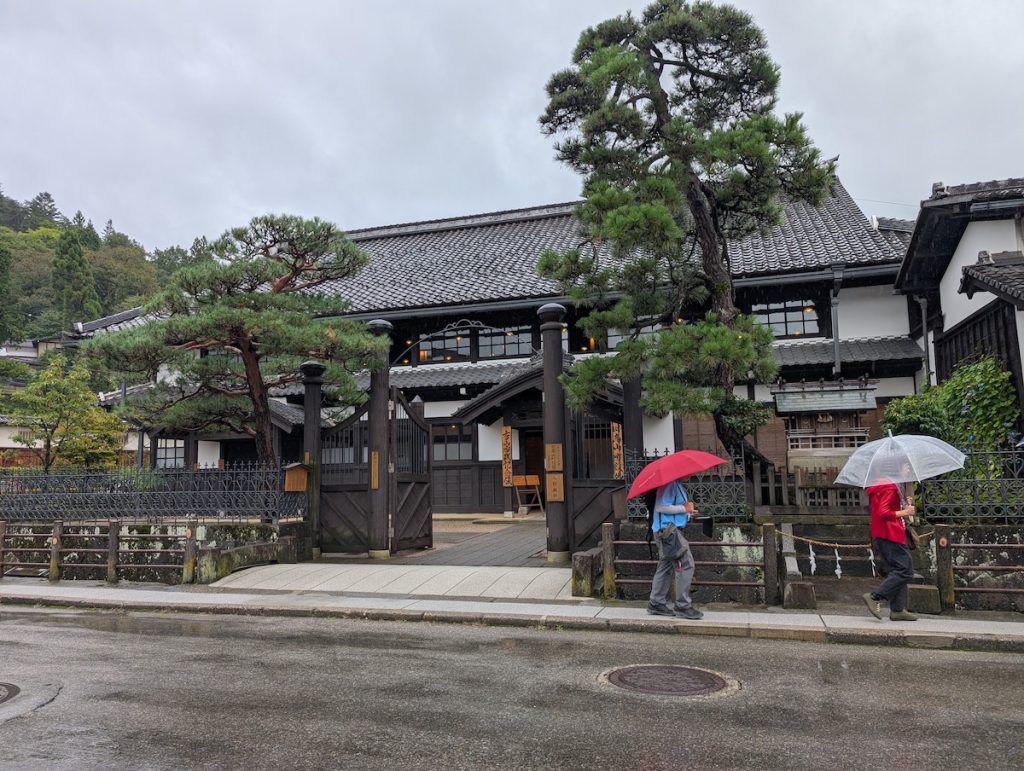
Takayama’s main charm is the historic streets of the old town. Take time to enjoy a slow walk through the city, admiring the Edo-period wooden buildings, traditional signs, and storefronts.
The crowds here are much smaller than in Kyoto, so you can enjoy the charm and get some great photos.
Museums and Cultural Sites
Takayama is a cultural hub with plenty of museums, cultural sites, and places to learn about the Hida region.
- Hida Folk Village – an open-air museum with some traditional thatched houses. Experience what life was like centuries ago in Hida.
- Hida-Takayama Town Museum – learn about Takayama’s history and culture.
- Matsuri Tatai Kaikan – See some iconic spring and autumn festival floats.
Yew Carvings
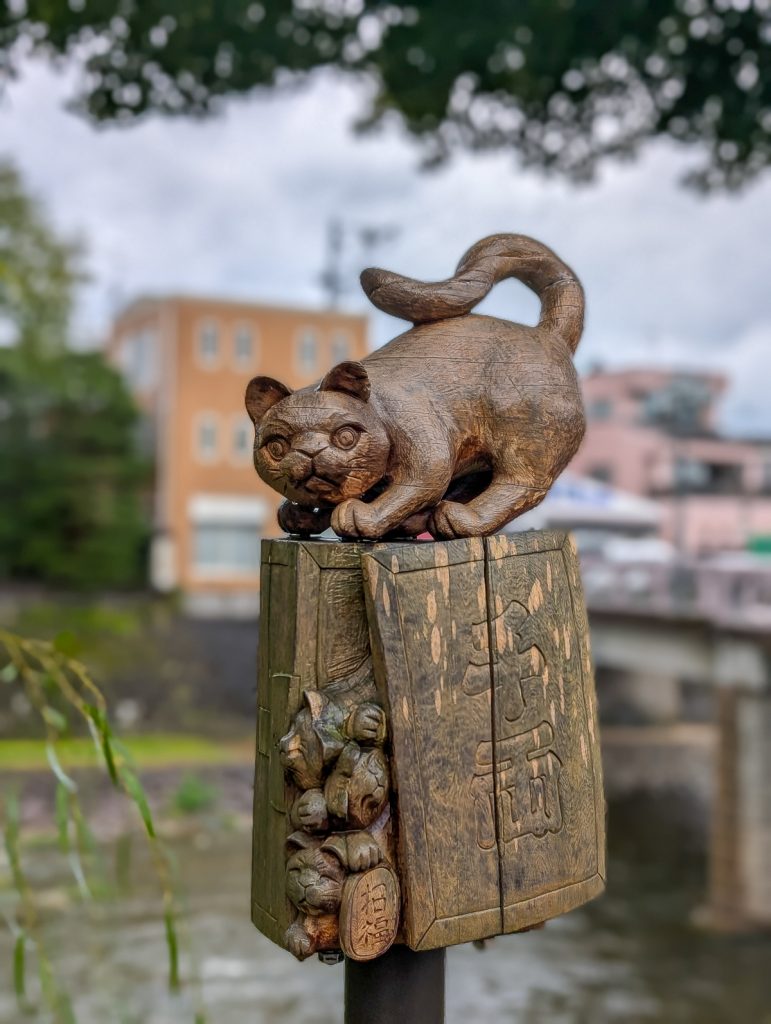
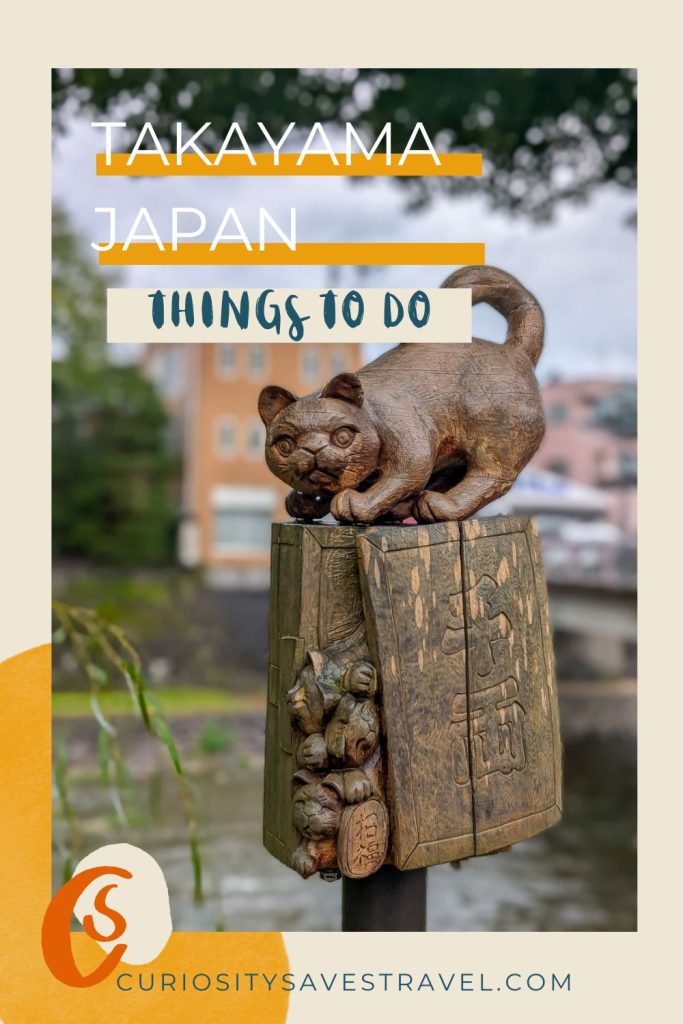
Watch for yew carvings as you explore the city, particularly along the water. These statues are fun artistic pieces all over the city and showcase some of the region’s fine craftsmanship.
Eat Veggie Food
In a region known for beef, Takayama has some great veggie eats!
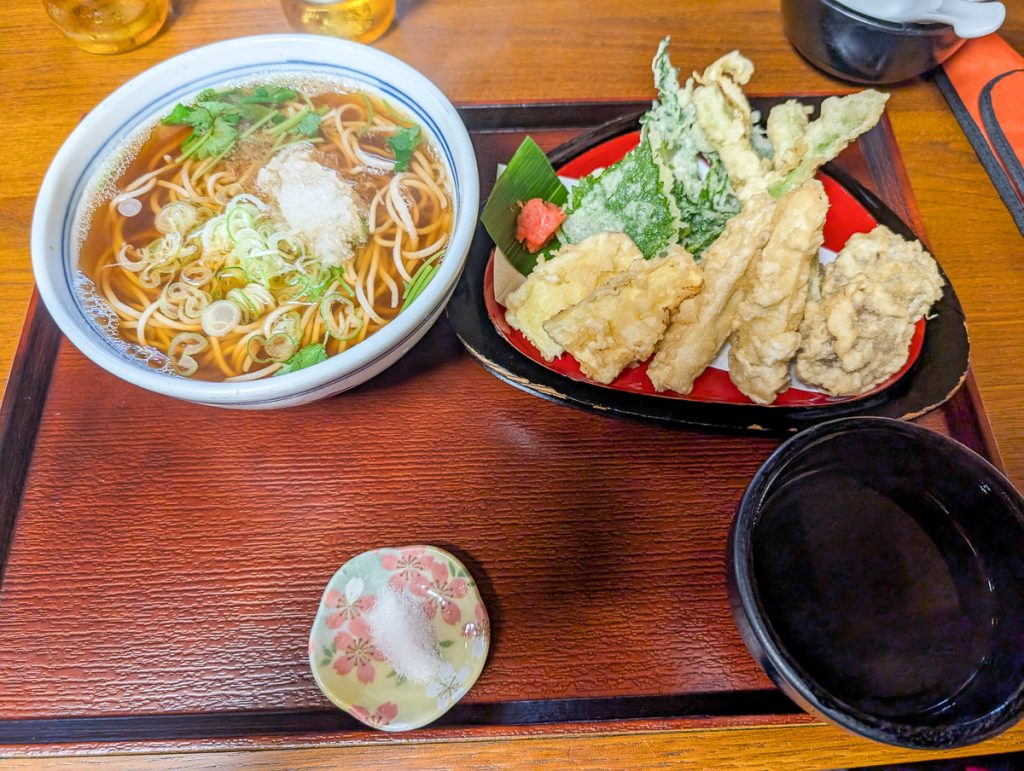
The best meal we had was at a 150-year-old soba restaurant. The region is perfect for soba, so this is the place to try it.
Ebisu Soba has a full page for vegan and vegetarian options, and is committed to the Sustainable Development Goals!
Other restaurants to try:
- Sushi Dining Nob – has some vegan and vegetarian sushi!
- Menya Shirakawa Bettei – has vegan ramen
- Kakushō – is a fine-dining Kaiseki restaurant requiring reservations and advanced plant-based notice.
While famous, the meat from Hida comes from cows kept in small pens their entire lives. Due to limited land in Japan, these cows never see the light of day. They are overfed and experience cruelty and vitamin deficiencies. I encourage you to cut back on your meat intake here and try some of my vegetarian tips for navigating travel in Japan.
If you want to eat meat, check out Uemura Farm to Table, a sustainable and ethical restaurant that sources its products locally and more responsibly than elsewhere.
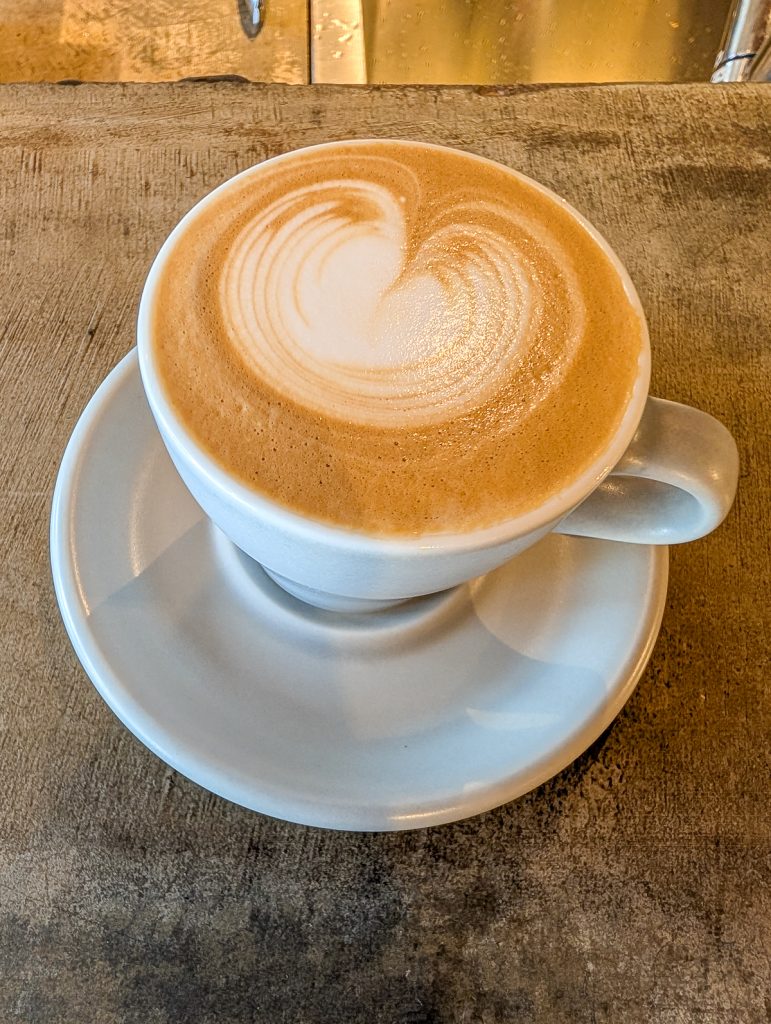
Falo Coffee
If you need caffeine, head to Falò Coffee. This ultra-hip coffee boutique serves some of the best coffee we had in Japan. Pick your beans, pick your style, and chat with the baristas!
Vegan and non-dairy options available.
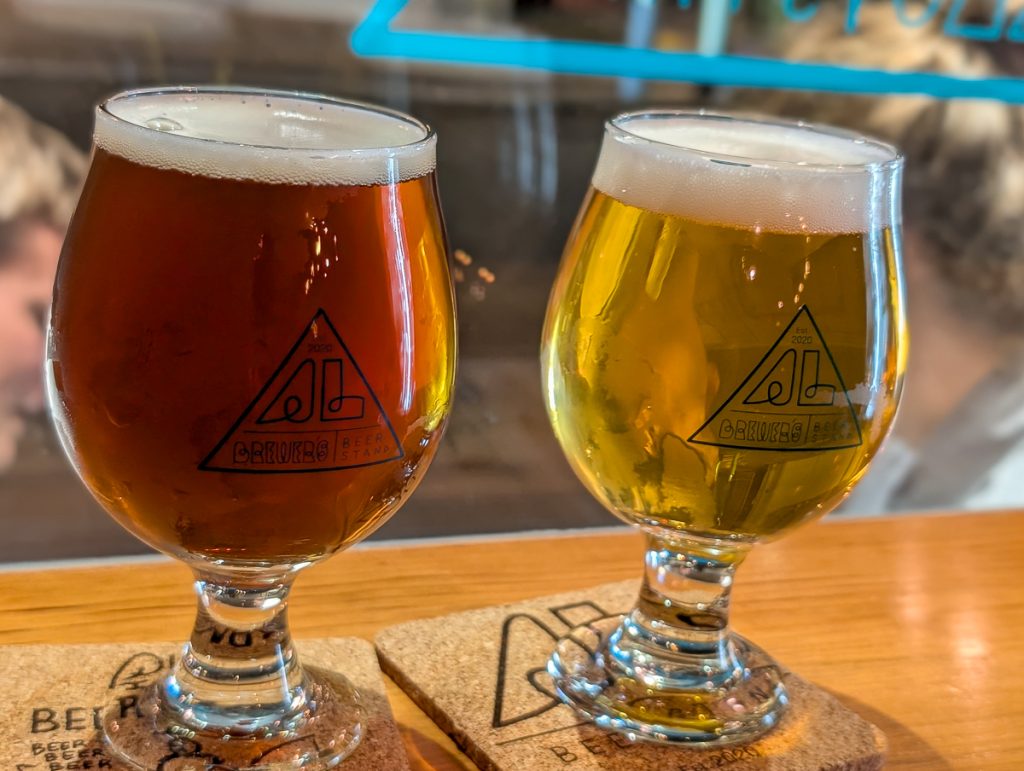
Craft Beer
Sake not your thing? Head to Al Beer Stand. We had a great evening sipping local craft beers and chatting with the bartenders at this cozy local pub, which serves some great craft beers.
Relax at the Spa
If you booked the IORI Stay Spa, as I recommend, take some time to recharge. Two weeks into our trip, taking some downtime at the spa to soak in the cedar tub and get treatments was a highlight!
How to Get to Takayama
Takayama is accessible by public transportation by navigating to JR Takayama Station.
You can take the Shinkansen from Tokyo to Nagoya. From there, take the JR Hida-go Train or the bus.
You can also reach it from Kanazawa by taking a northern Shinkansen route from Tokyo to Kanazawa. From there, you can take a highway bus to Takayama.
We reached it by a slightly unconventional method: a road trip with a hybrid car. We had rented a car from Tokyo (an international license is required). And yes, I am a public transportation advocate, but occasionally, I opt for a road trip, as it allows me to visit some rural towns, slow nature travel, and places off the main tourist path.
From Tokyo, we drove to Nikkō National Park, where we spent two full days. Then, we went to Ainokura for a sleepy homestay in a UNESCO World Heritage Site before working our way down to Takayama.
Accommodation in Takayama – Where to Stay
One of my favorite parts of Takayama was our accommodation, IORI Stay Spa.
When choosing a place to stay in Takayama, you want an option within walking distance of the historic town. We chose a spot across the bridges that perfectly blended Japanese design and Western comfort.
After several nights on a futon bed at a vegetarian-friendly ryokan in Nikkō National Park and a rustic homestay in Ainokura UNESCO site, we were ready for a Western-style bed. However, we still wanted to enjoy everything Japan’s hospitality offers.
The IORI Stay Spa was just that. From stepping in, you feel like you are in a luxurious Japanese spa with Japanese wood architecture and design, but with Western comforts.
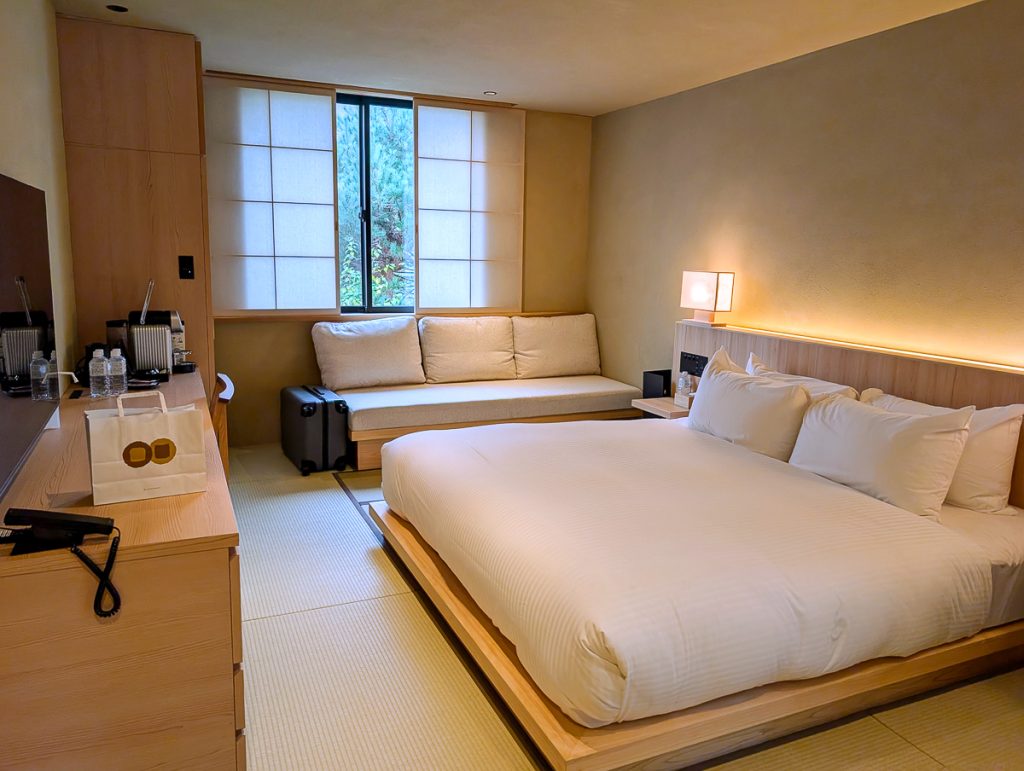
We loved the large modern bed, but sank into the Japanese cedar tub.
This was a boutique stay, full stop. We were greeted on check-in and given the full tour and a personalized guide to visiting Takayama, including vegetarian options. We had a vegetarian Japanese breakfast one day and a Western option the second.
If there is one time you listen to me on where to stay, make it this one. You won’t regret it, I promise.
If IORI Stay isn’t available for your dates, there are other options in Takayama.
When to Visit Takayama
Takayama is great to visit year-round. The cozy sake breweries and spa hotels are perfect for escaping the cold of winter and the rainy shoulder seasons with low crowds.
We visited during the autumn shoulder season, after summer crowds, and before the autumn foliage tourism peak. This was such a perfect time to travel to Japan, and even though we experienced a bit of rain in Takayama, the cooler temperatures and excuse to stay indoors drinking sake were enough to sell me on this travel window.
The one thing I noticed about Takayama is that it is on the cusp of a tourism boom. It is increasingly on travelers’ radars as an alternative to the crowded Kyoto, which is just off many travelers’ radars as a destination.
It was one of the few places on our travels where we noticed a greater number of English-speaking travelers out and about. Takayama can get crowded with tourists in peak summer, when cherry blossoms are in full bloom, or in autumn, when autumn colors are in full bloom.
The Takayama Festival
Takayama Matsuri is typically held on April 14-15 and October 9-10. Each event attracts hundreds of thousands of people.
If you are a total culture connoisseur and love crowds, higher prices, and lively, packed streets, then plan months ahead to visit for this festival. Expect street parades with festival floats and evening celebrations late into the night.
If that is not your jam, you will want to avoid those dates, as if your life depended on it.
How Long To Stay in Takayama
Takayama was the first place I visited in Japan, and I didn’t eagerly wish I had more time. That’s not to say it wasn’t worth visiting; it very much is. But even as a slow travel advocate, two full days here scratched my itch, and I felt like it was just enough time to enjoy the charming town and its sake before moving onward.
My partner enjoyed Takayama. He has been to Japan a few times and enjoyed the novel experiences of visiting a place not quite on everyone’s radar yet. He said it felt like what Kyoto might have been years ago.
Though we both agreed that 2 nights and 2 days were plenty here.
If you want more time, take a day trip to a mountain Onsen, book a private guided tour, or try hiking in the surrounding mountains.
Other Tips for Visiting Takayama
Takayama is in the mountains. This area is known for rainy, wet, and cooler weather.
- Be prepared for rain with your umbrella, rain jacket, and layers.
- Don’t forget to take your shopping bag to buy souvenirs.
- Be respectful when tasting sake, never take more than you ask, and wait your turn in line at the fridges.
- Spend money to take home some sake!
Comment and Share!
Takayama is a great choice if you are looking for a unique cultural stop during your Japan travels. The area is known for its artistic heritage and world-famous sake breweries.
Take time to visit the breweries with this detailed guide on what to expect at each of Takayama’s seven breweries.
But Takayama is more than that. Spend at least two days here eating soba, visiting cultural sites, and souvenir shopping.
- Is Takayama on your list?
- Have you been to Takayama? What was your favorite thing to do?
Curiosity Saves Travel Recommends
Accommodation: Booking.com to find accommodation with a Genius Discount and clear third-party sustainable certifications like Green Key. Look for local hotels.
Tours and Excursions: GetYourGuide and Viator for tours, excursions, and tickets. Never book wildlife experiences through these vendors.
Travel: Omio for booking buses and trains in English across Europe. After reducing the number of flights I take annually, I use Google Flights’ carbon comparison tool.
Car Rental: Rentalcars for the best rates in English globally. It is easy to find hybrids and EVs, and there are resources for finding chargers.
Packing Essentials: REI or your local Co-op has great essentials like reusable water bottles and cutlery sets. Patagonia for regenerative clothing. Farm to Feet for socks made with regenerative practices! Pistil Designs for cold-weather essentials. Osprey for bags that last 10+ years, like the day bag for hiking or my favorite carry-on.
eSIM: Airalo eSIM. Reduces waste from single-use SIMs. A total game-changer.
For Bloggers and Content Creators
Earn Ad Revenue with Journey by Mediavine
Earn with Stay22 Travel Partnership (my biggest source of income!)
Earn with TravelPayouts recommending tours and activities.