
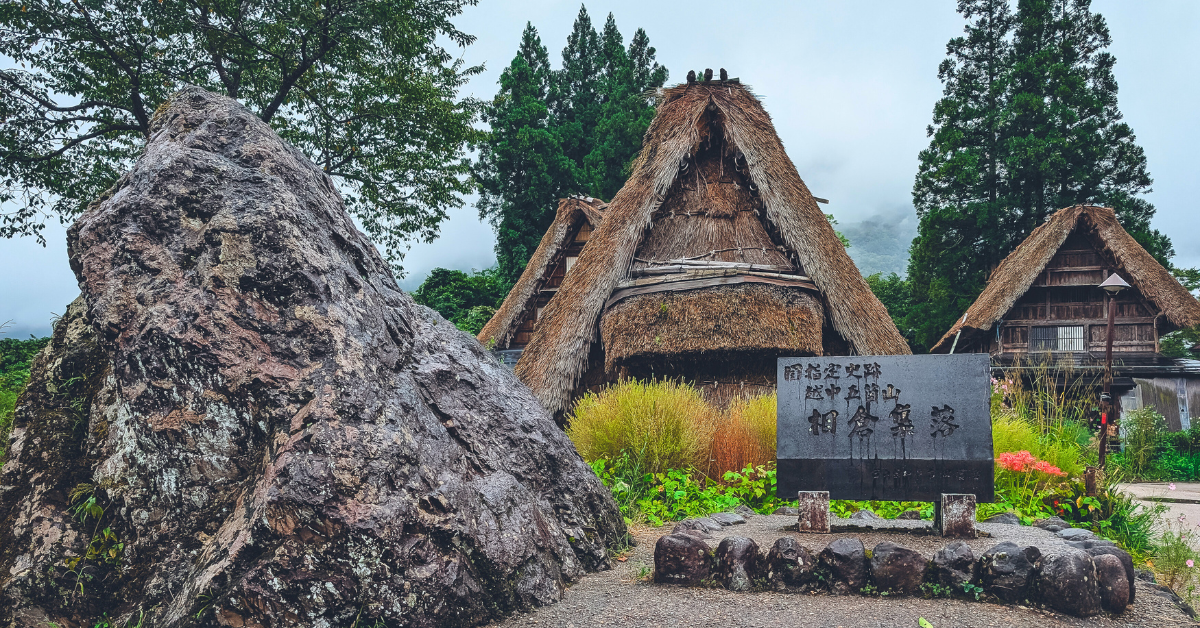
Homestay in Ainokura Gassho UNESCO Village, Japan
I may earn income from affiliate links or partnerships in this post. I spend time to curate tours or products that align with my values. Thanks for supporting my work, at no additional cost to you. All words and images on this website are created by real people.
Are you curious about staying in a cozy homestay in Ainokura Village, Japan? The best way to enjoy one of Japan’s best UNESCO sites is to stay overnight in a historic gassho farmhouse. While planning our month-long responsible itinerary for Japan, I knew I wanted to visit the Historic Villages of Shirakawa-go and the Gokayama UNESCO World Heritage Site. So, I was thrilled I could book a vegetarian-friendly, cozy homestay in lesser-visited Ainokura, which is typically more popular for day trips.
I can’t wait to share all my tips for finding the best homestay and how to enjoy your time after the crowds leave. If you love unique cultural travel experiences, save and bookmark this guide for your upcoming trip to Japan.
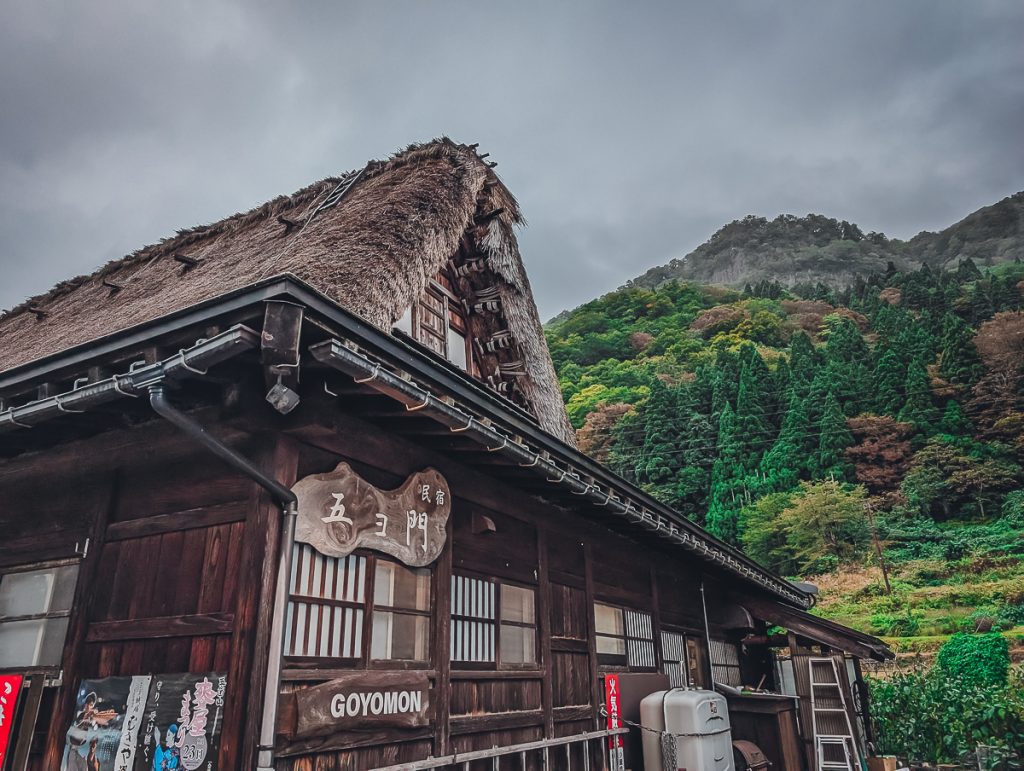
As the rain relentlessly battered the historic gassho houses in the charming Ainokura Village of Japan, we were among the few people walking the quiet paths at night. After taking in the views from scenic lookouts, we respected the curfew and returned to our cozy homestay.
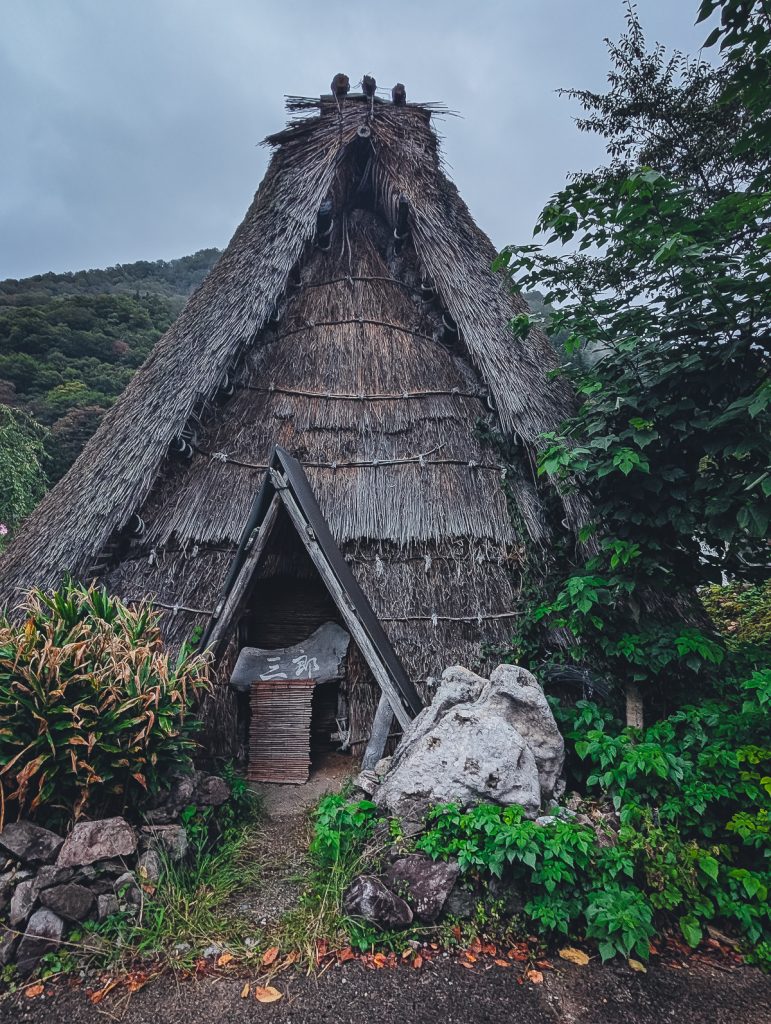
Our host prepared dinner in a 300-year-old family home with foraged mountain vegetables and produce from their garden. We fell asleep on a traditional futon to the steady sound of rain, then woke to a homemade breakfast and headed out to explore museums and make washi paper.
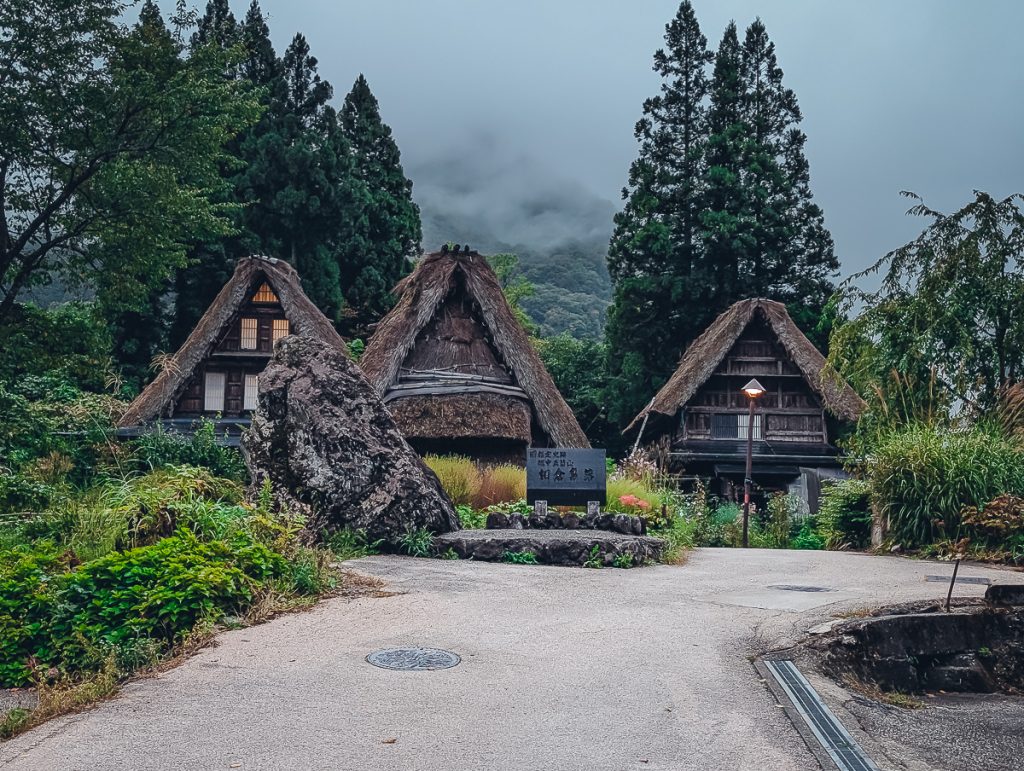
Ainokura is a unique UNESCO village where people still live and work, making it the perfect place for a locally hosted homestay. Not only can you connect with a local who can trace their family back hundreds of years, but you also get a hot, traditional home-cooked dinner and breakfast the following day.
Enjoy walks, cultural activities, and museums, all without the crowds of day-trippers arriving on buses.
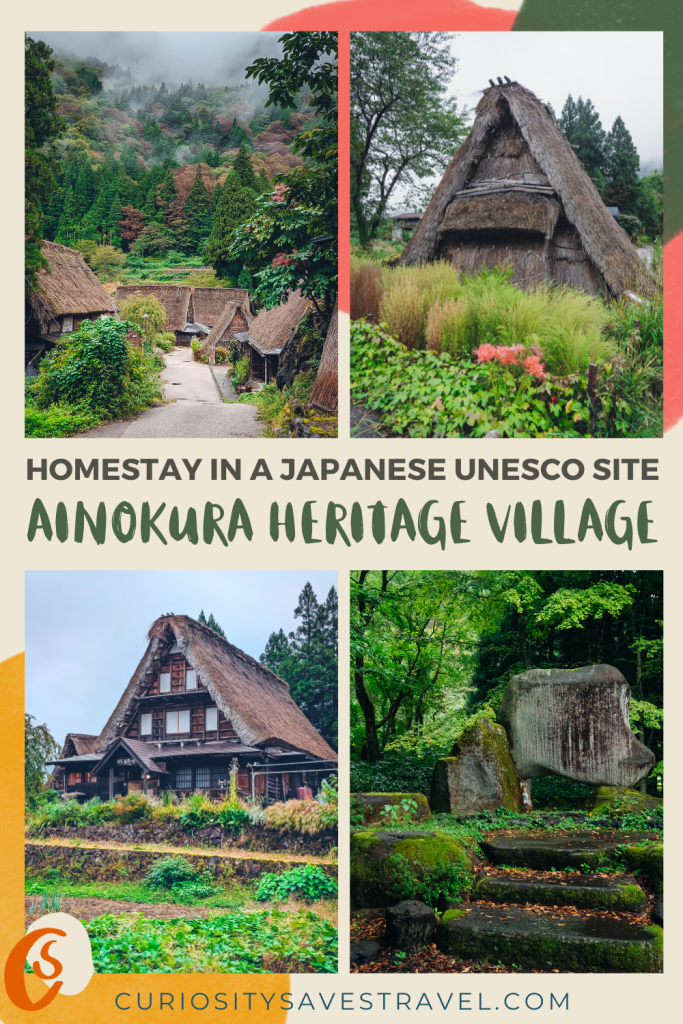
This guide covers everything you need to know about booking a homestay in Ainokura Gassho. Learn about the town’s history, how to get there, where we stayed, how to be a respectful guest, and how to enjoy your time in this slow, sleepy town. Trust me, you’ll want to add Ainokura to your Japan off-the-beaten-path itinerary.
Is Ainokura, Gokayama Worth Visiting?
If you’re wondering whether Ainokura is worth visiting, I can happily say it was an absolute highlight of our time in Japan. This charming village is nestled in a quiet valley and is ecologically stunning and culturally interesting.
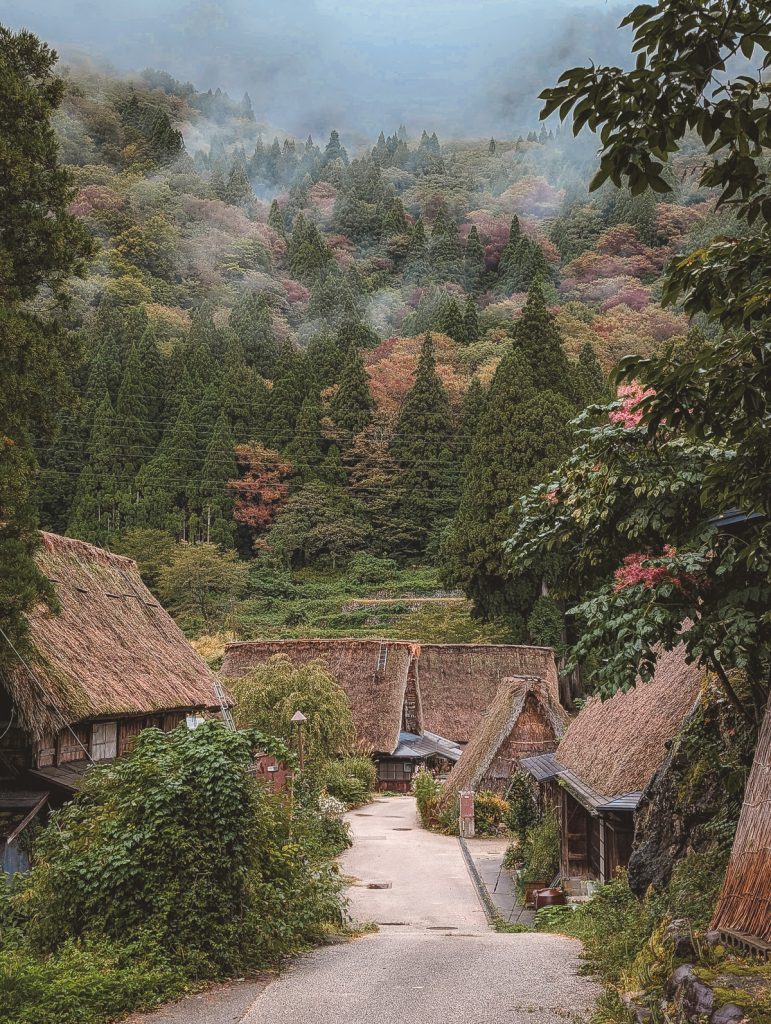
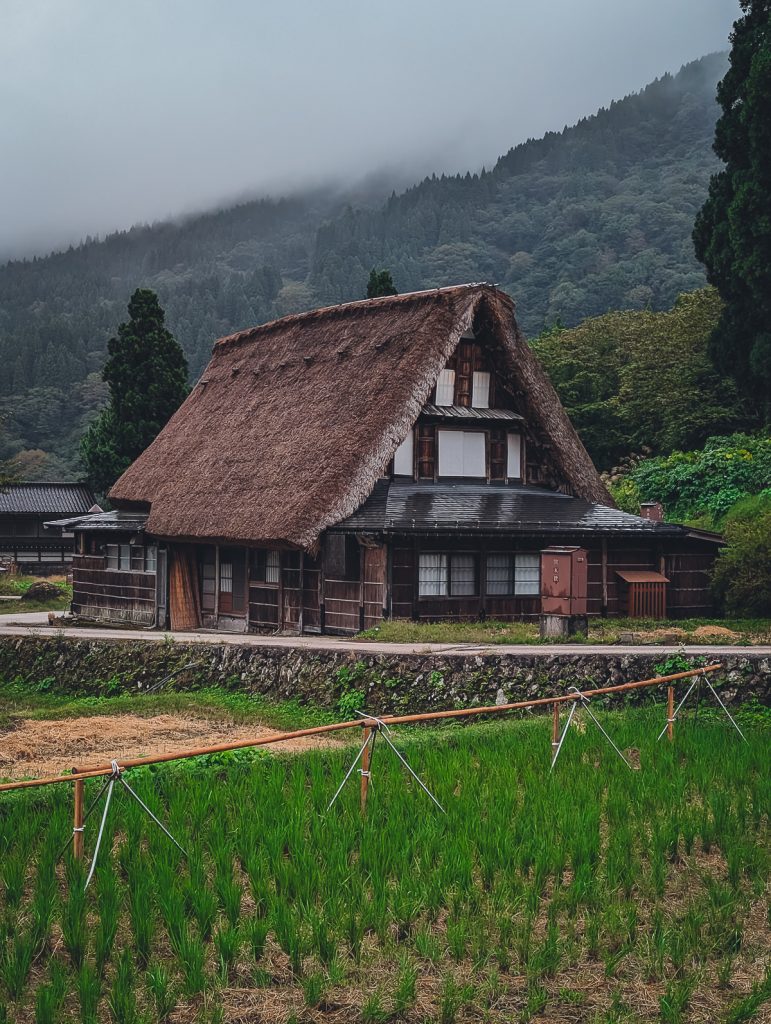
When comparing Ogimachi in Shirakawa-go with Suganuma and Ainokura in Gokayama, I think you should visit all three—we did over two days, and each has its own charm. But, in my opinion, Ainokura is the best option for an intimate overnight homestay for a cultural experience.
Why You Should Ditch the Day Trip
While Ainokura is less popular than the larger and more touristic Ogimachi in Shirakawa-go, it has become an increasingly favoured day trip. With the World Heritage Bus connecting all three heritage villages of Ogimachi, Suganuma, and Ainokura, it is common to see visitors exploring these cultural villages in one day, stopping briefly at each location. Others may join a guided group tour, which takes them through the villages.
I love that there’s a convenient bus connecting these incredible national treasures; however, I recommend slowing down if you can and staying a little longer. Most people arrive together on a bus during peak travel times.
A short stop is fine for taking in the views and appreciating the Gassho houses; however, it is not enough time to fully immerse yourself in what Ainokura offers. The village is most magical when the last tour bus leaves and dusk settles over the quiet streets.
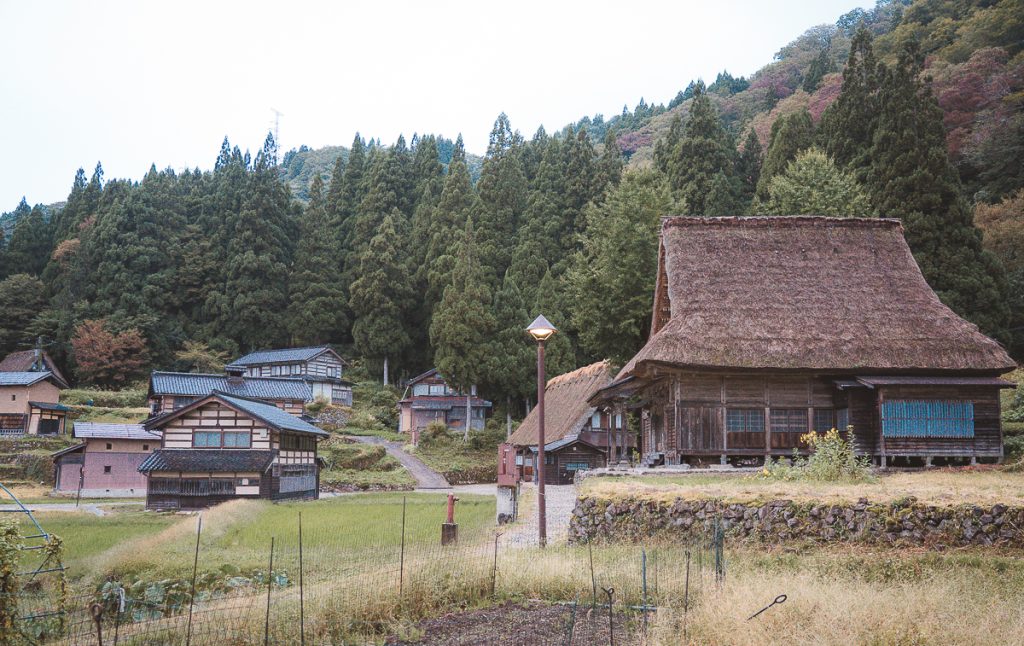
You can then enjoy genuine connections with the residents and retire to your homestay for a home-cooked meal. As dawn breaks, enjoy a peaceful walk, savour a home-cooked breakfast, visit a museum, and try making washi before the buses for the next day arrive.
Take your time, slow down, and enjoy Ainokura in a way many don’t get to see.
Better Yet, Book a Homestay in Ainokura
Considering many of these heritage homes have been in some families for hundreds of years, the best way to experience Ainokura is with a homestay. During the day, when many tourists visit, the tiny village feels a little like a theme park. However, once all the buses and day-trippers leave, it is just you and the handful of families that live in Ainokura year-round.
This is the only real opportunity to enjoy Ainokura like the people here. There’s a curfew for travellers and limited light pollution, so as the sun sets, most people head indoors to enjoy a quiet evening.
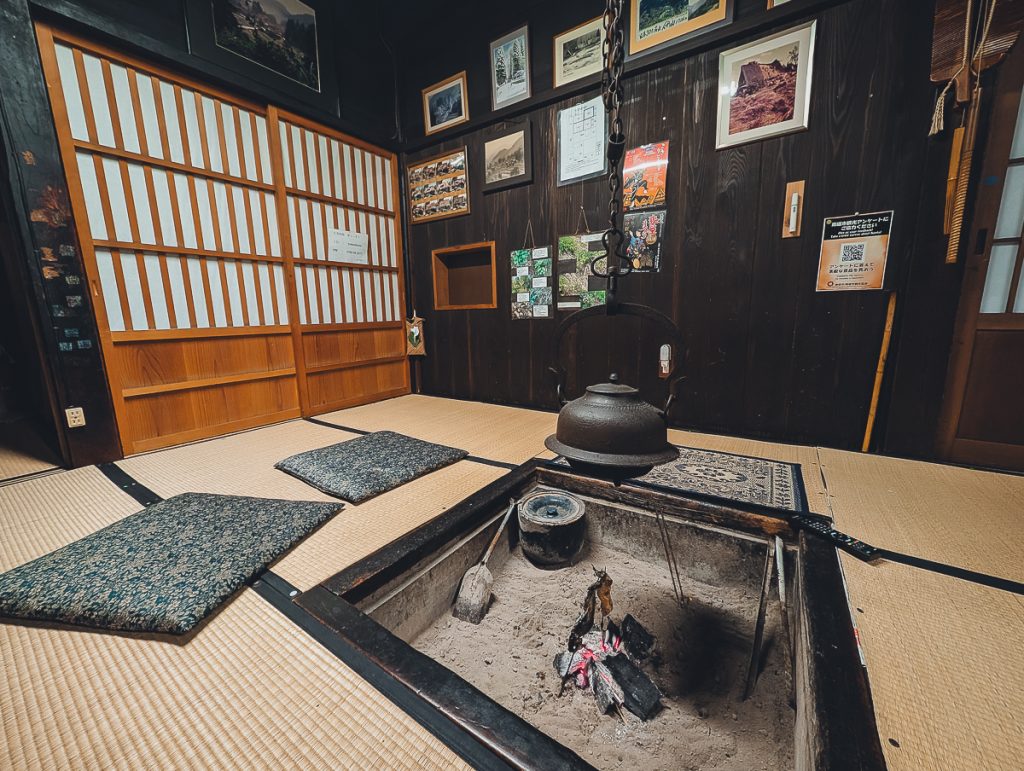
There are no traditional dine-in restaurants, except for a little cafe that serves lunch for the tour buses coming through. If you book a homestay, you’ll have a fresh, home-cooked dinner at your guest house in the evening along with a few other travellers. In the morning, your host will serve you a lovely breakfast. Including these meals is a fantastic way to try local foods and connect with the residents of Ainokura.
Plus, you get to see inside these adorable houses!
Where to Stay in Ainokura
We booked the highly rated Yomoshirō in Ainokura*. Kuni-San and his wife welcomed us into their traditional Gassho home, which has been in the family for 300 years! They only have two rooms for guests, so book beforehand if you want to stay here!
*Please note that when we booked, this property was available on booking.com. As of January 2026, it looks like this property may not be available for booking on aggregator platforms. Visit their official website or check Japanican (a site that is reputable, but doesn’t handle cancellations well, so book with caution).
If you are unable to make a booking, there are a few other guesthouses in the area that accept bookings. There are a few other guest houses and homestays in the area if Yomoshirō is full.
The home is holding up relatively well for a 300-year-old farmhouse, but of course, with that, set your expectations. There is a shared toilet area with two stalls, including modern toilets and sinks. There is a separate bathroom for showering.
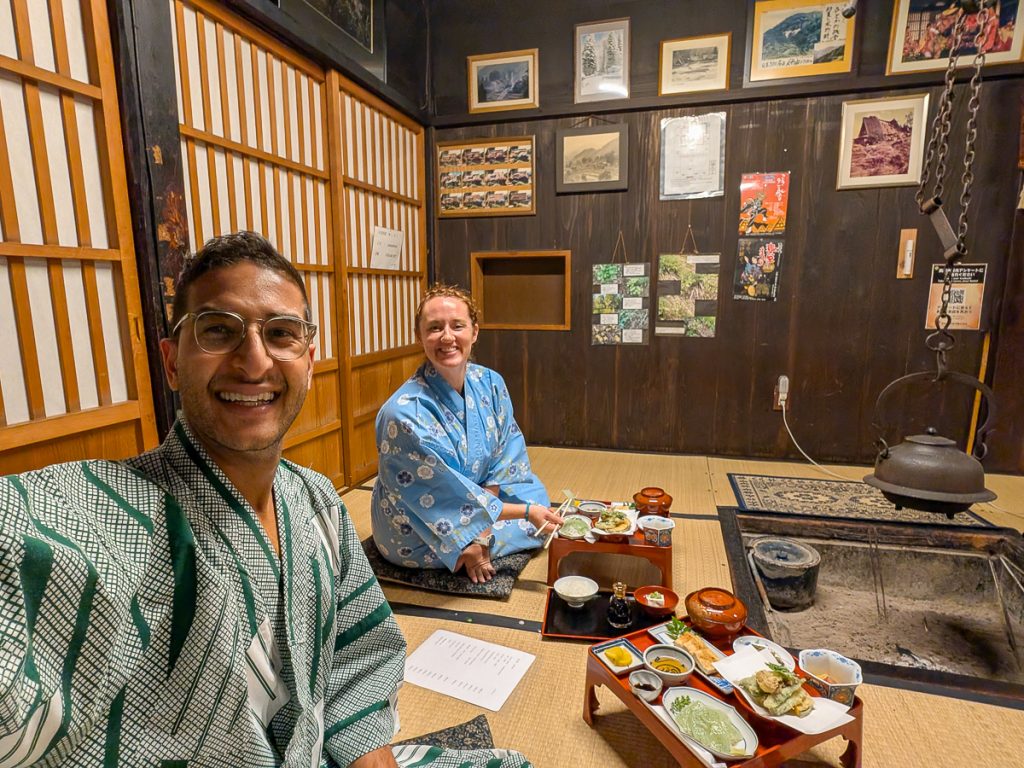
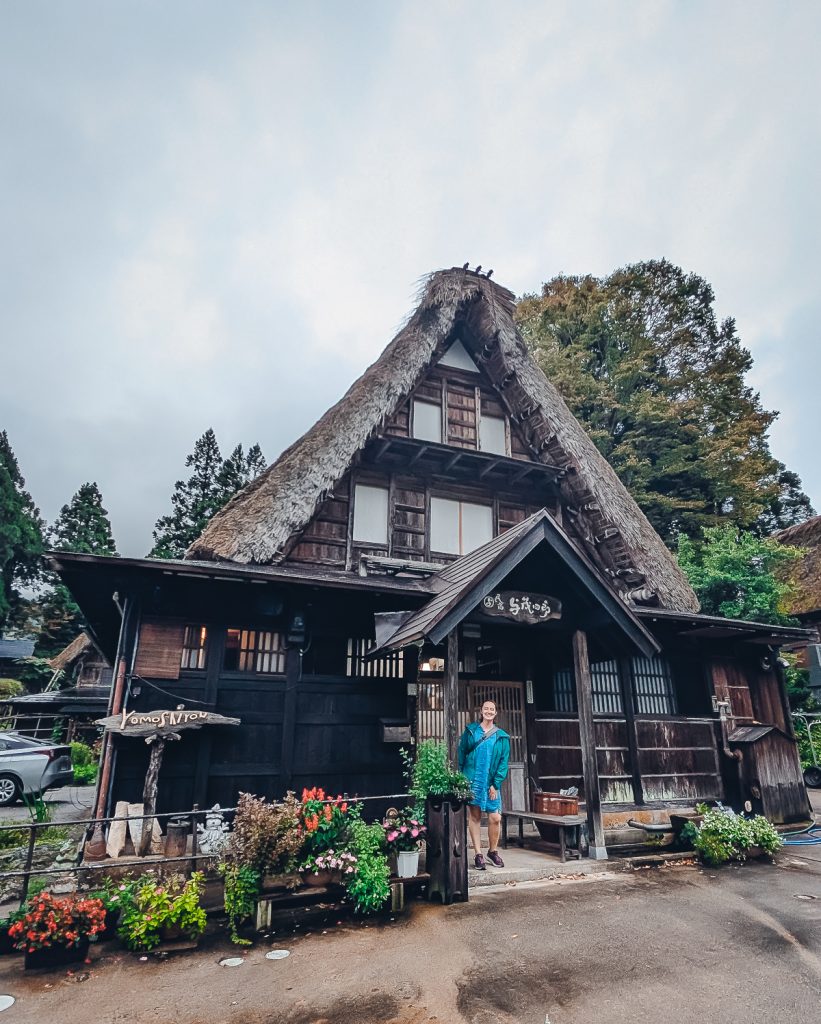
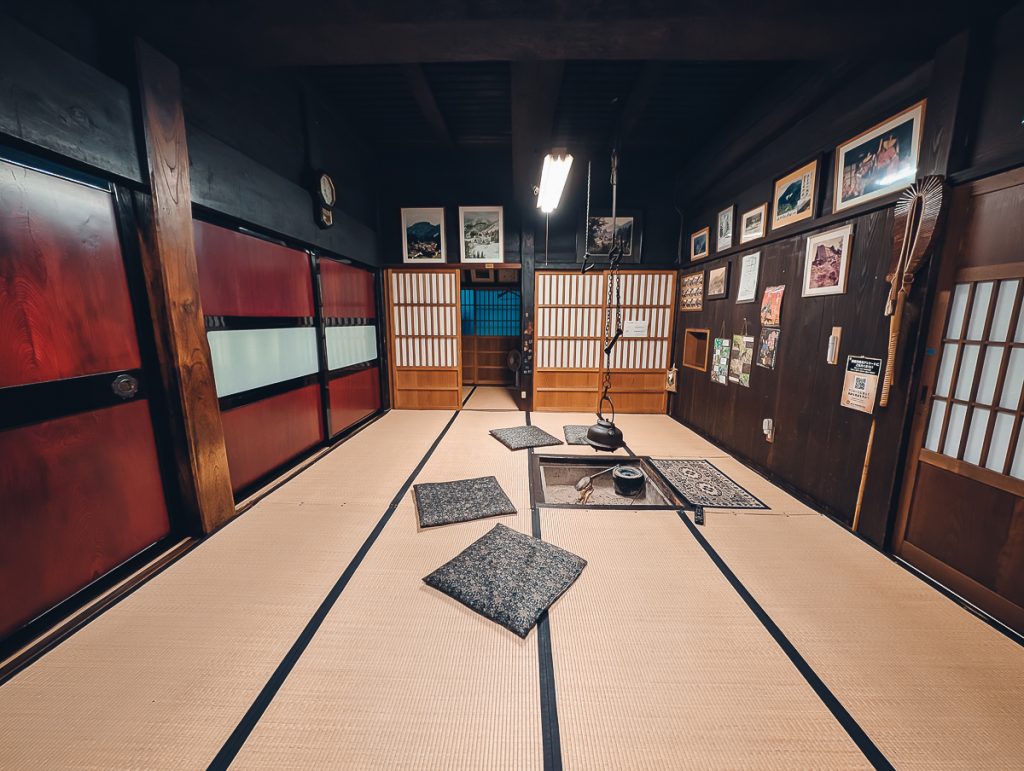
The common area, or the living room, is centred around a traditional fire pit for tea and cooking. If other guests are staying at the same time as you, this is where you will have dinner and breakfast and learn a little about the culture in Ainokura. Enjoy your meals sitting on a cushion on tatami mats.
You sleep on a futon mat in a private room. Rooms are separated by traditional Japanese sliding dividers, including a section that circumnavigates the entire house and opens into porch access.
Yomoshirō is vegetarian and vegan-friendly. For dietary requests, advance notice of at least 10 full days is required. We gave them 30 when we booked our stay. Our dinner was vegan with traditional sansai—mountain vegetables—think foraged pickled mushrooms and fiddlehead ferns. The eggplant and other ingredients came from the local gardens. We also had some vegan sashimi, tofu, rice, and more!
Breakfast was vegetarian, with a raw egg, rice, vegetables, and yogurt, but vegan options were available.
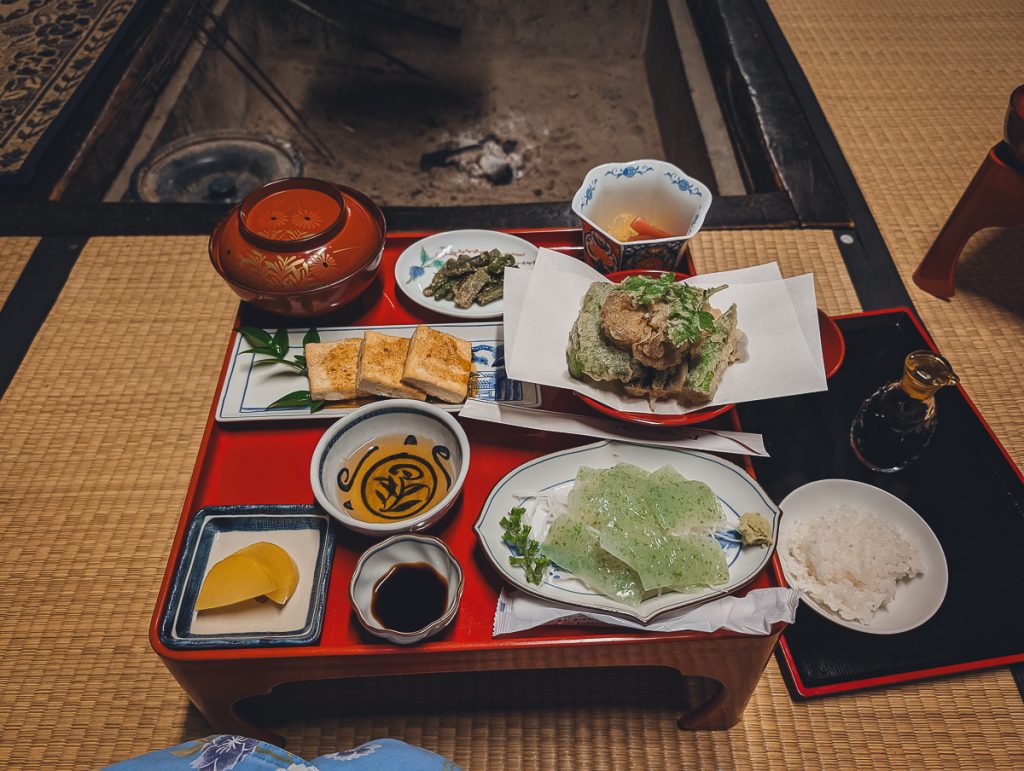
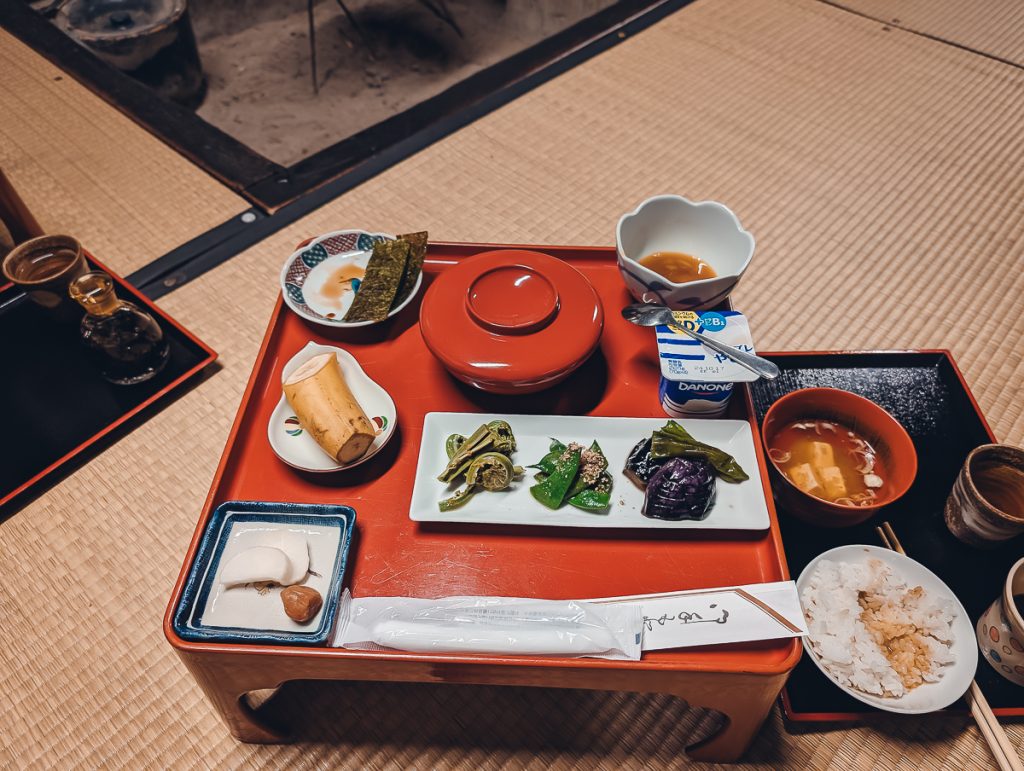
Of course, they cook traditional food for most of the guests, but here’s why you might consider trying traditional plant-based Japanese foods and how to navigate Japan as a vegetarian.
We thoroughly enjoyed our stay and our warm hosts. I reviewed them 5*
Cultural Activities and What to do in Ainokura
My favourite way to describe Ainokura is “a charming historic town without a lot to do”. And, to be perfectly honest, that is one of the town’s appealing aspects.. We arrived in the late afternoon, and during the rainy shoulder season, we were alone, with only a few other travellers staying in different guest houses.
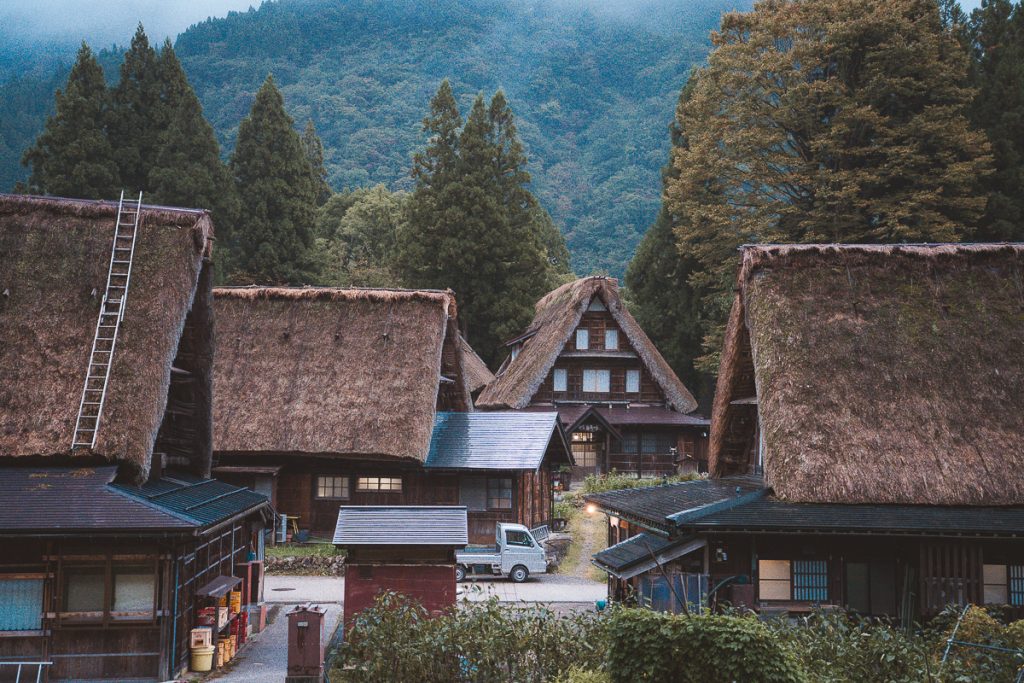
The tour buses had gone, and after checking in and meeting our host, we just went for a little stroll.
The gift store was still open, so we bought a few local goods to support the shopkeeper. The selection includes nice authentic gifts mixed with cheaper trinkets, so spend wisely.
There are viewpoints or observation decks in the village. You can reach them by a short walk. All you need to do is follow the signs that say, “view →.” Make sure you see all three for different views of the Gassho houses, mountains, and charming home gardens.
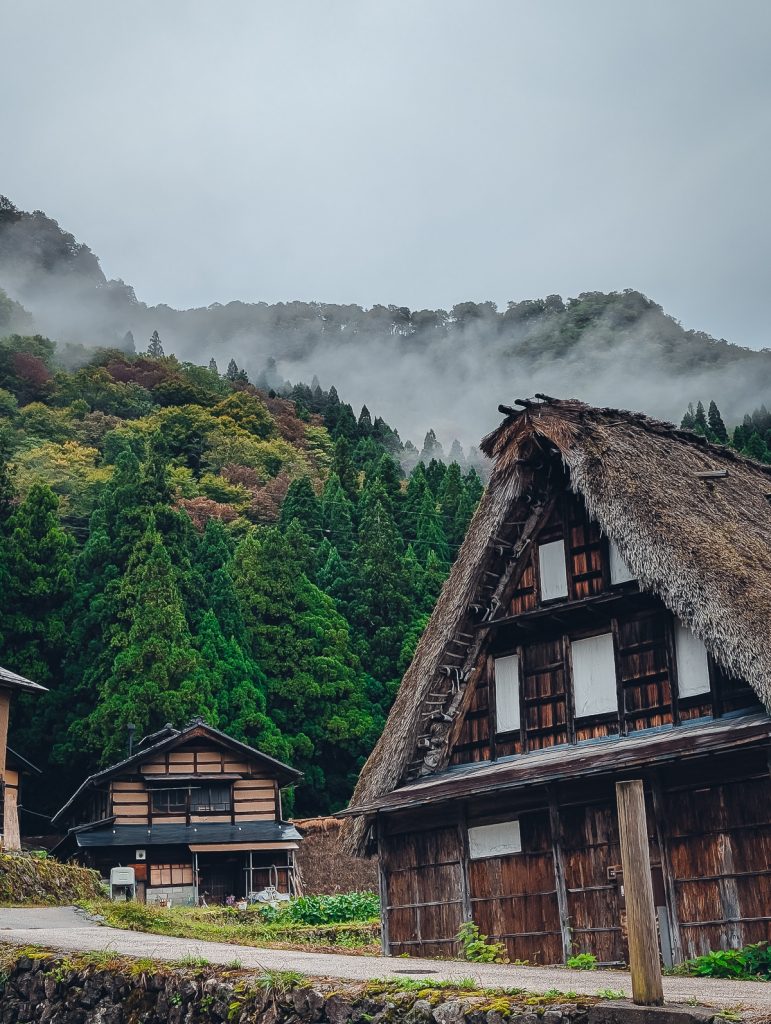
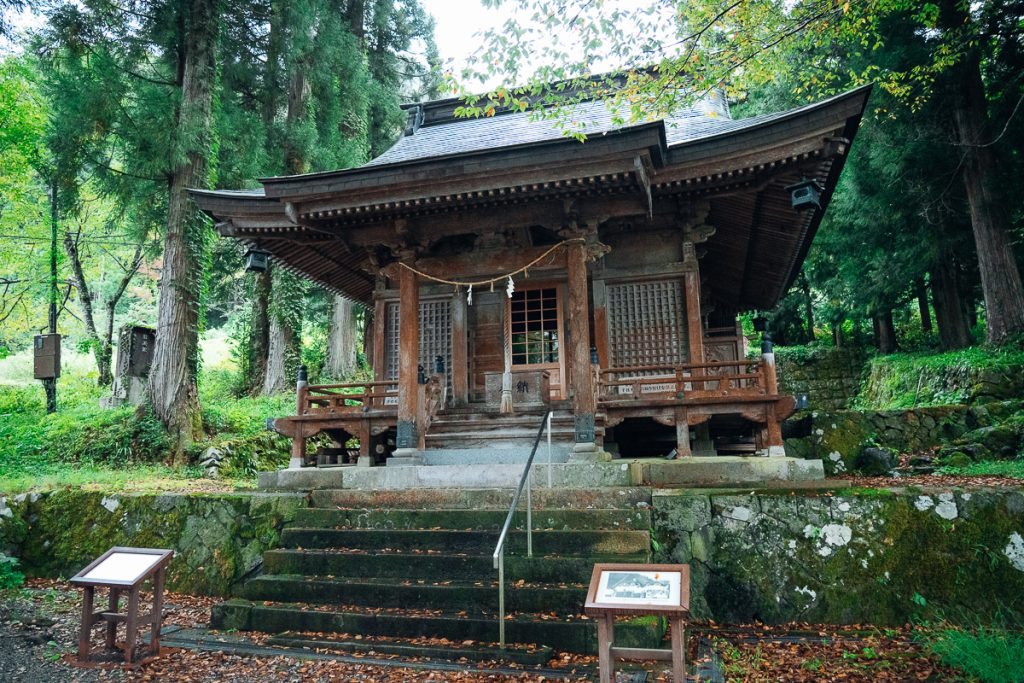
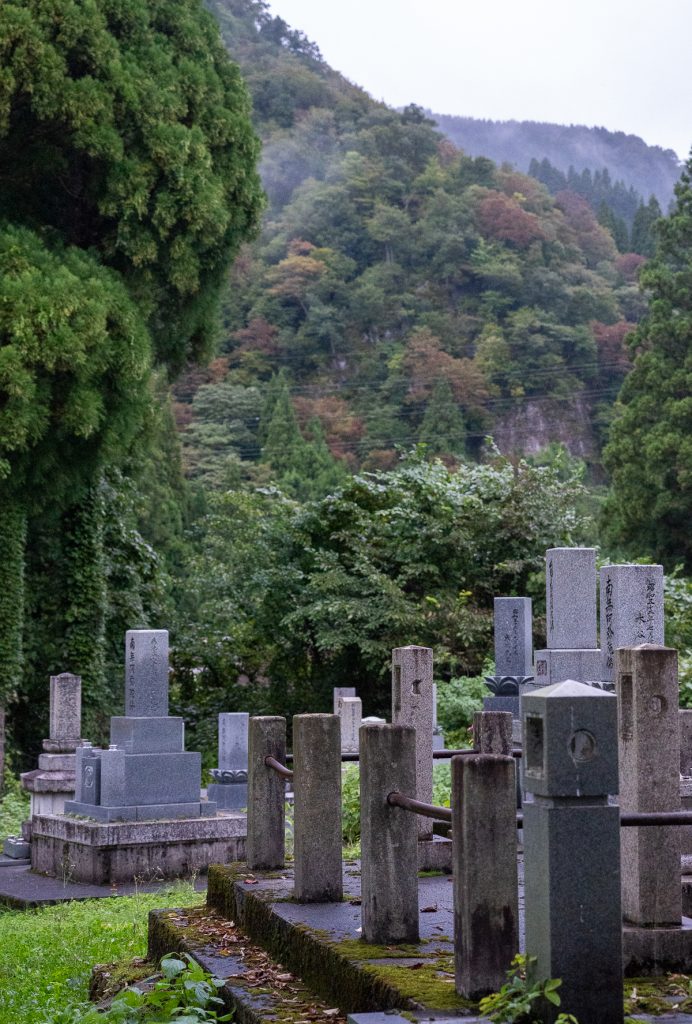
While you are walking, don’t miss the shrine and graveyard. Take your own time to take in the sights.
After returning to your guesthouse, it will be time for dinner. We changed into our yukatas, enjoyed dinner around the fire, and then spent time with our host learning to play traditional instruments. Our full vegan traditional meal was delicious, and our hosts did a great job making us feel included and accommodating our dietary requests.
Retiring early, we spent time in our room, reading our books late into the night. The rain on the thatch roof was so heavy that the sound was better than any ambiance machine.
When morning came, our host served us breakfast. It was vegetarian, and we learned how to properly eat a raw egg mixed in our rice with nori. It was certainly an experience, but tastier than I expected.
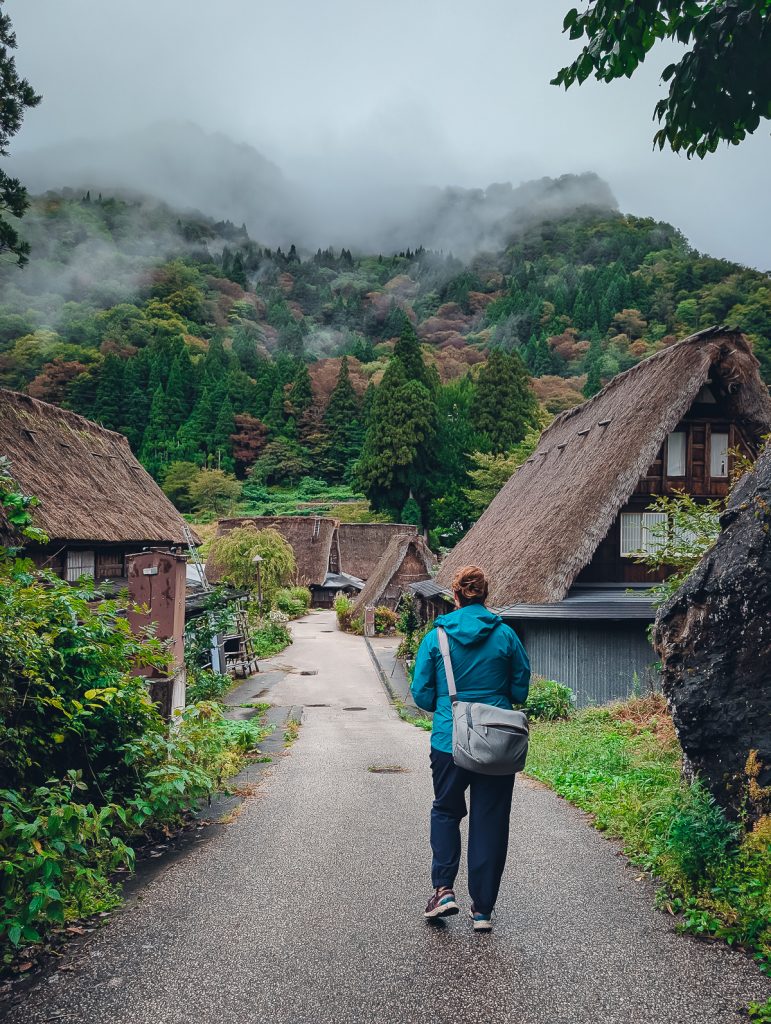
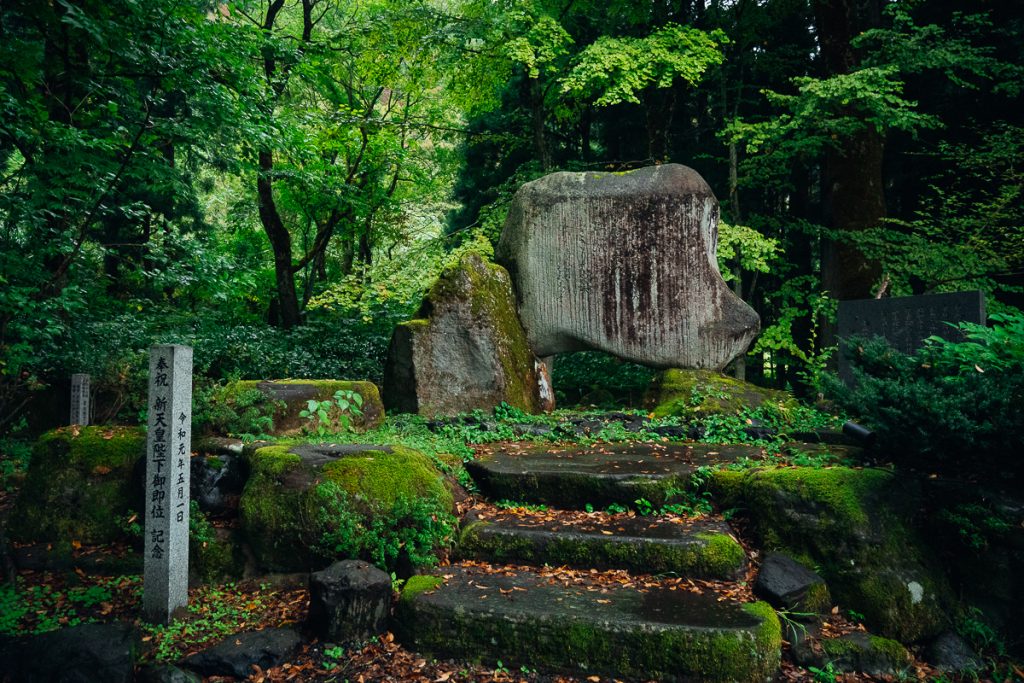
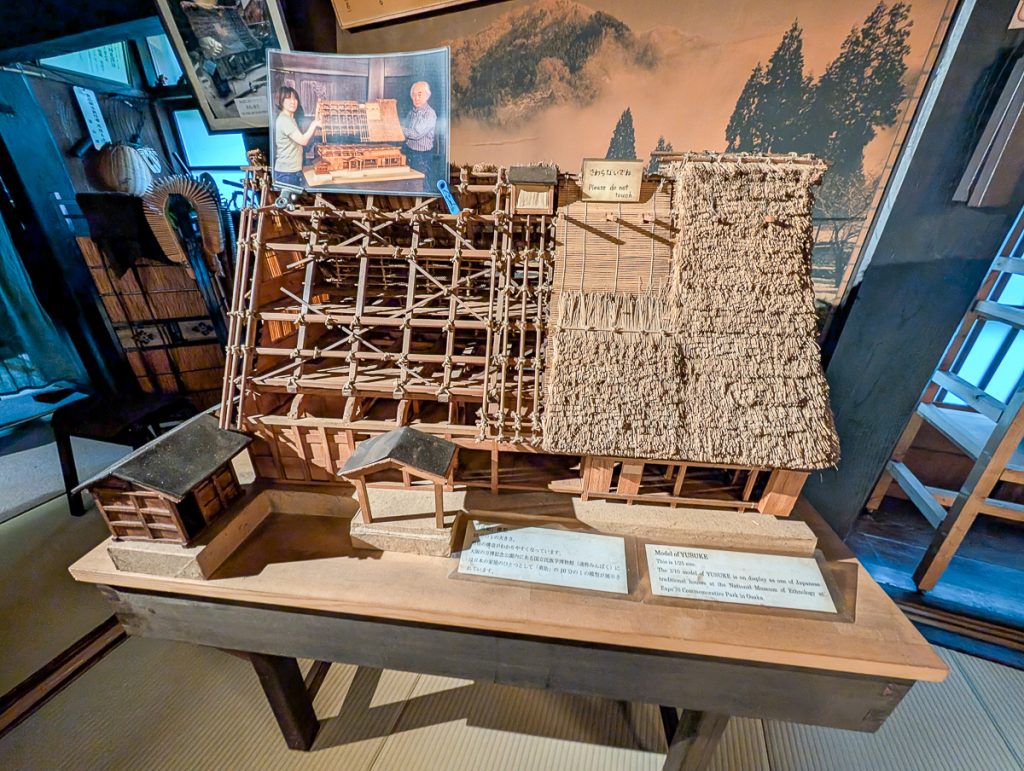
After breakfast, we explored the town before any tours showed up for the day. We got entrance tickets to the Yusuke Museum as soon as they opened. The museum has a few floors to explore. The lower level has photos of Ainokura throughout the year.
Climb up the ladder to an expo hall with descriptions and photos of gunpowder production, sericulture, washi paper, history, and more. Another level has a complete replica of the silk work production line. While this tradition is long dead, it is important to learn how critical it was to the people living in Ainokura.
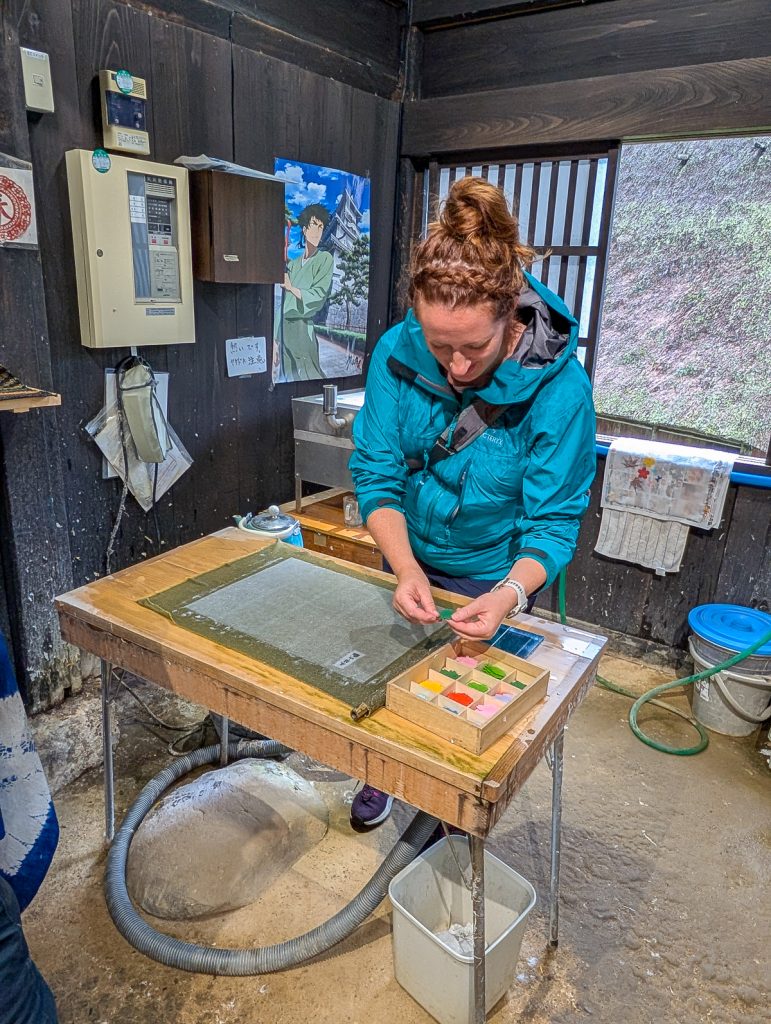
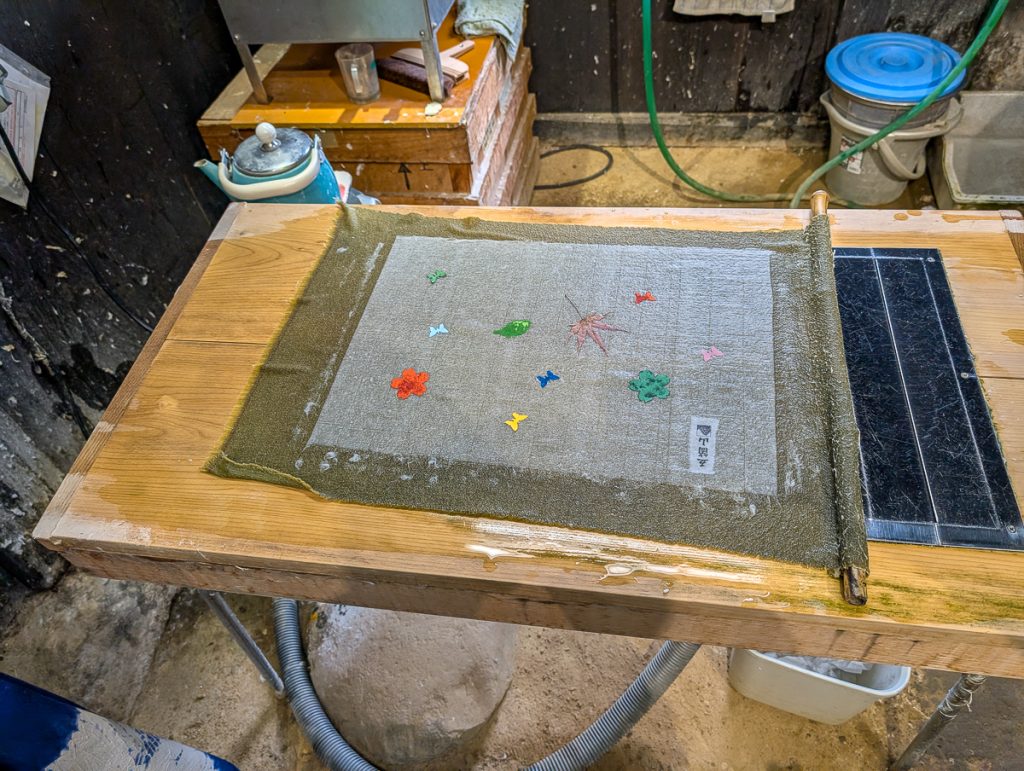
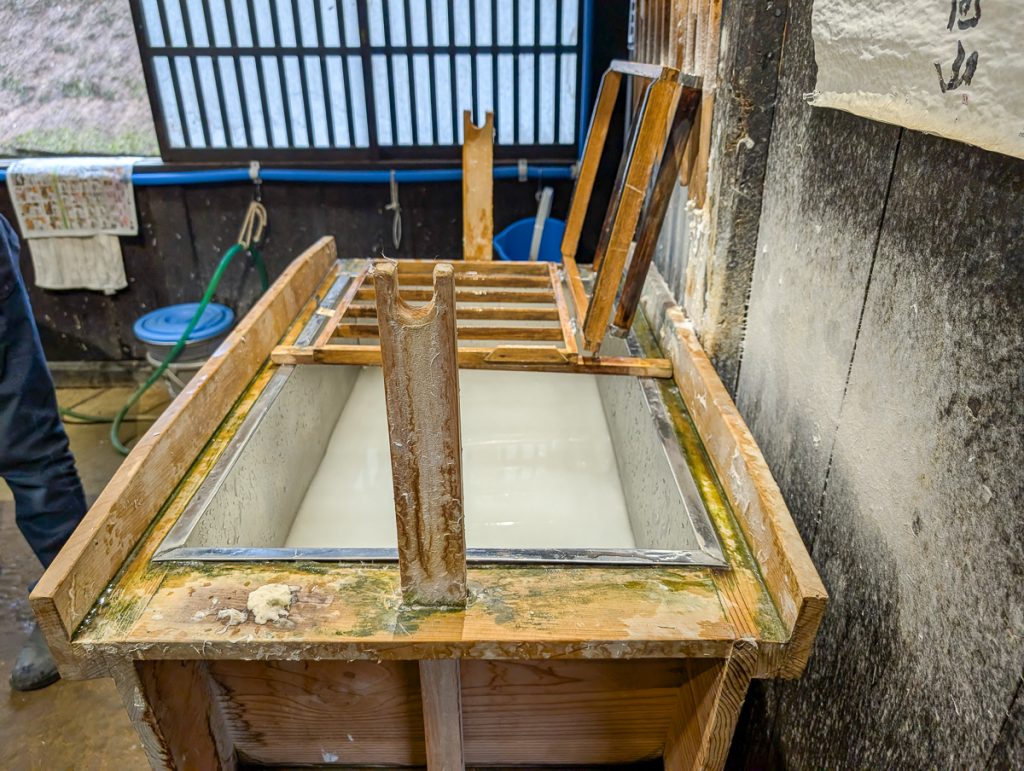
After the museum, we visited the Washi paper-making workshop. For about 100 yen, you can try making washi with a washi master. You get a unique souvenir to take home at the end. Afterward, visit the workshop, support the washi master, and pick up some unique handmade souvenirs.
We stayed only one night, so after our morning activities, it was time to check out and say goodbye to our hosts.
Tips for Visiting and Responsible Travel Reminders
As a heritage town with UNESCO status, Ainokura is a place for mindful and respectful travel. This isn’t a town just for tourists to treat as their playground. Real people live here; they and their families have lived here for generations. This is their home, where they live and work.
Ainokura has an evening curfew, so you should be indoors with your host after sundown. Daytime visitors are asked to visit only between 8:30 and 5:00 p.m.
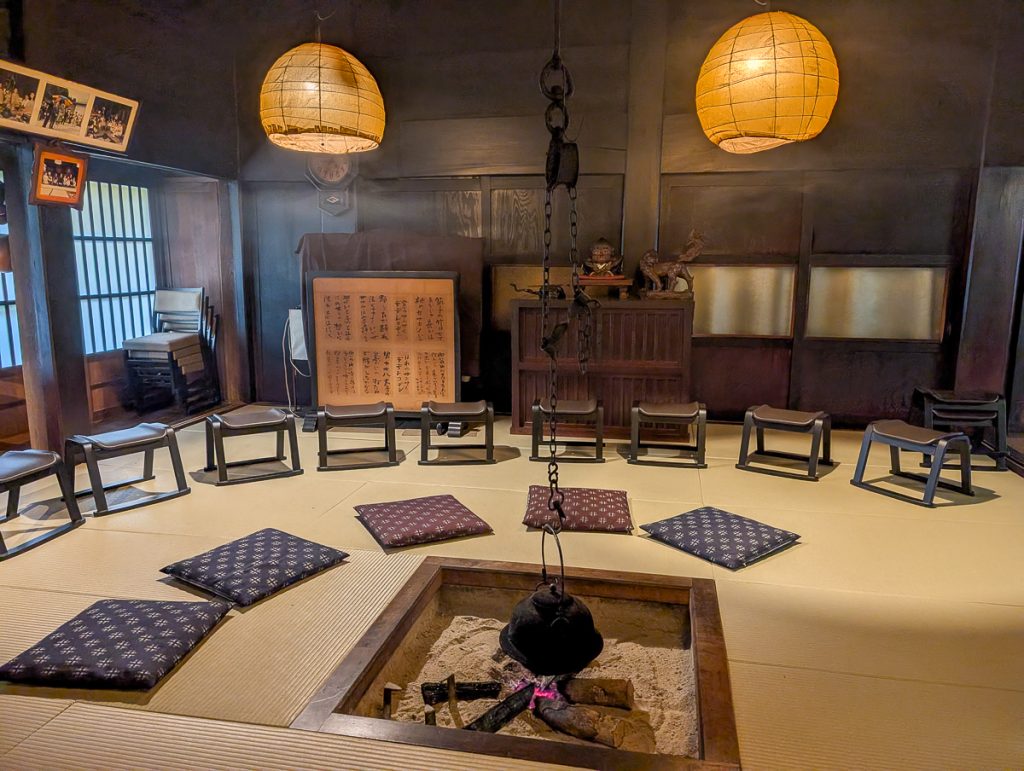
If you stay in someone’s home, follow the cultural rules of wearing the provided slippers and keeping your shoes on the tatami mats.
- Do not treat their homes as props for photoshoots
- Wear your Yukata to dinner
- Don’t clog the roads and driveways
- Always throw away your trash properly
- Spend time and money – stay overnight, visit the gift store, museum, and washi shop.
- Respect the privacy of the residents who live there.
- Make sure you are indoors by curfew.
- Be a gracious guest and thank your hosts. Treat their homes with respect and follow the rules.
About Ainokura and the Gassho Historic Villages
Of all the incredible mountains in the area, Mount Hakusan stands out. This dormant stratovolcano, which last erupted in 1659, has been integral to the Buddhist practices centred around mountain religion. Over time, a small group of farmers established long-term and stable homes here through subsistence farming and foraging.
The population of these mountain villages grew when a group of defeated warriors, known as the Ochi-udo Densetsu, fled into the mountains.
Ainokura and the other Gassho villages were isolated from the rest of Japan until about the 1950s. This was due to their remoteness in the mountains of Central Honshu. The mountain passes are challenging to traverse, and the area experiences extreme snowfall in winter (2-3 meters!) and heavy rainfall in summer.
As most of Japan was modernizing and developing, the communities here remained relatively undisturbed, creating a unique culture and traditions and exporting goods such as washi, silk, and gunpowder.
The region’s farmhouses and cultural traditions are unique in Japan, making it a truly special place for cultural travel and stunning landscapes.
Sadly, after the 1950s, modernization, urbanization, the creation of a dam forcing an entire town to move, and general depopulation posed a risk to the villages’ longevity.
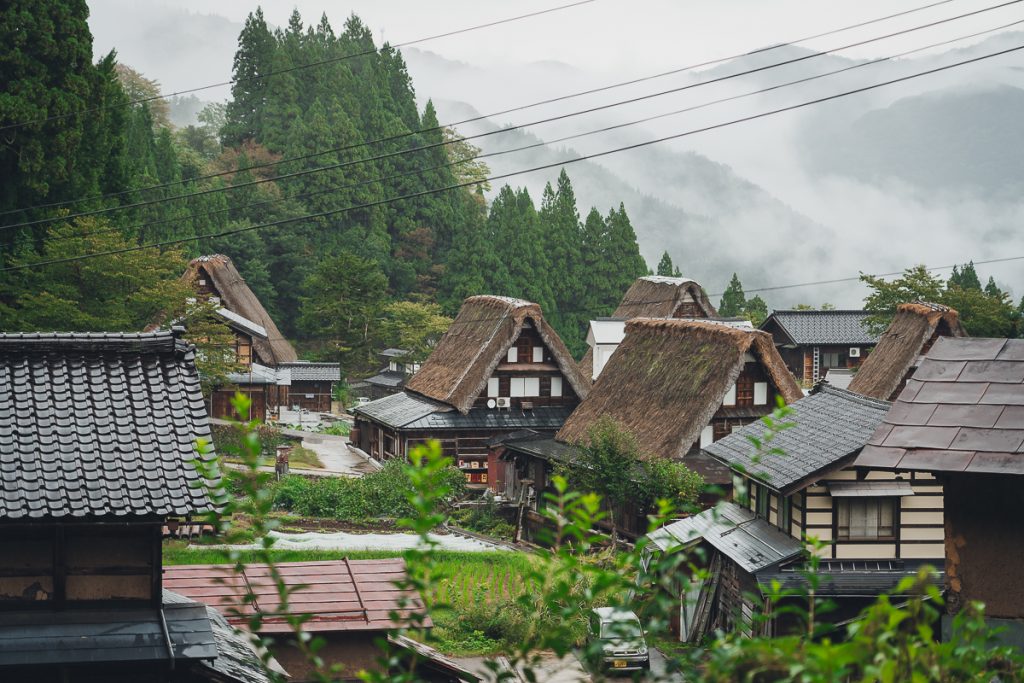
A historic effort to consolidate the remaining villages and Gassho houses across the region. The villages received UNESCO World Heritage status in 1995—the community led the effort. Ainokura is just one of three remaining villages and the only one left in the Gakayama.
More than just a place preserved for tourism, the community members of Ainokura still live and work here, with a population of about 100.
Ainokura Washi Paper-Making and Other Industries
With an increasing population, the villages developed a micro-economy, which supported the needs of the surrounding towns and produced some valuable exports.
The three villages became known for producing gunpowder, sericulture (silkworm farming and products), and washi paper. As completely self-sufficient communities, they also created the materials used in building the Gassho houses, clothing, and other essentials needed to survive in this harsh climate.
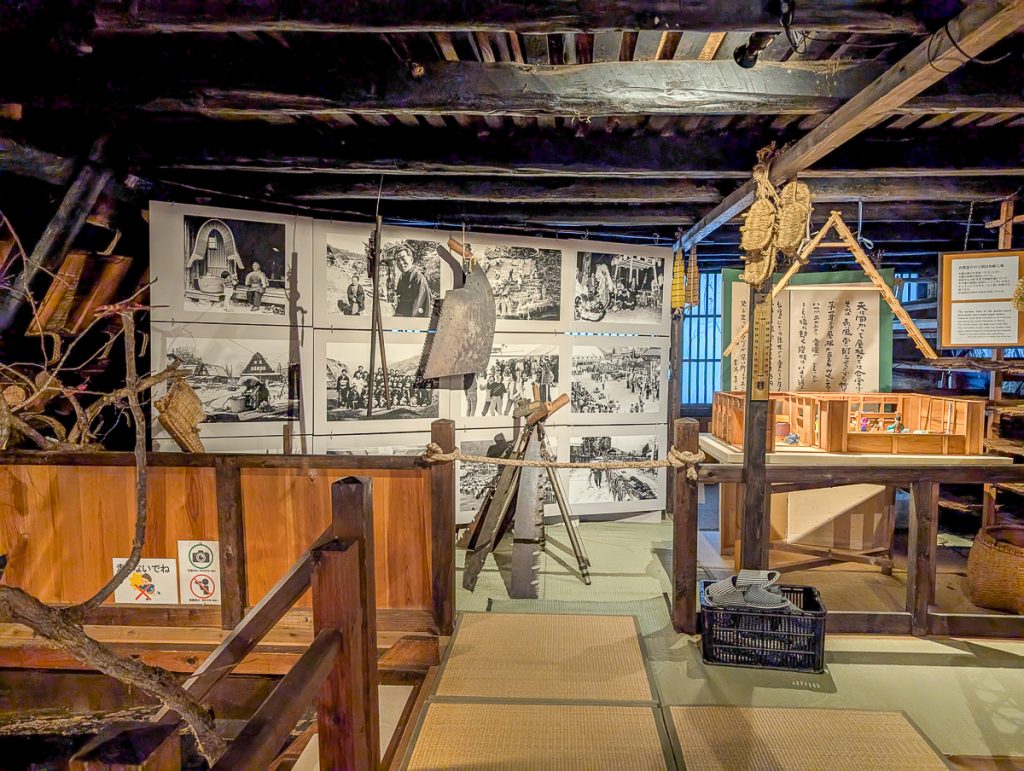
Ainokura, in particular, is renowned for its mulberry fields, which produce washi paper and feed the silkworms that consume mulberry leaves. While exploring Ainokura, you’ll have the chance to visit museums and workshops to learn more about washi and silkworm production.
The industry of these villages led to the construction of the large Gassho farmhouses, which are iconic to the region. With extreme weather, including snow depths that prevented people from leaving their homes, these large farmhouses became entire ecosystems for living and working. Silkworm production requires ample space, so residents kept their supplies inside.
Gassho-style Farmhouses of Ainokura
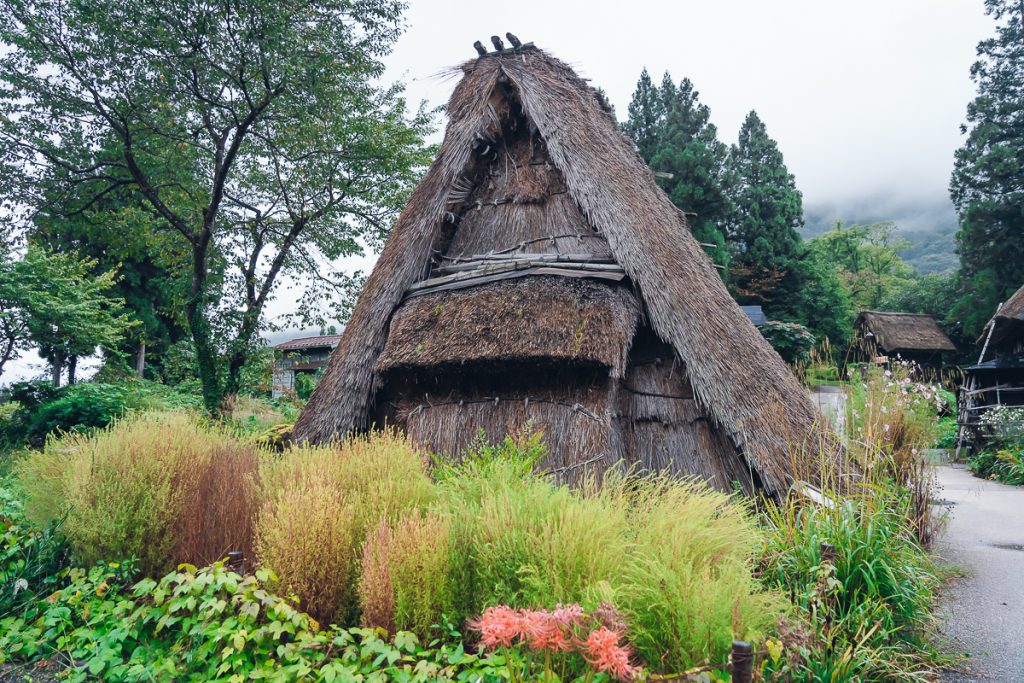
Gassho is the name given to putting two hands together in prayer. The houses have that signature A-frame design.
Many might be interested in coming to Ainokura because of the number of well-preserved Gassho Farmhouses. Designed to house entire multi-generational and extended family groups, the bottom floors were dedicated to living space, with rooms for sleeping, communal living, and an open fire pit for cooking. Fire heat would rise strategically, keeping the upper floors dry in damp weather.
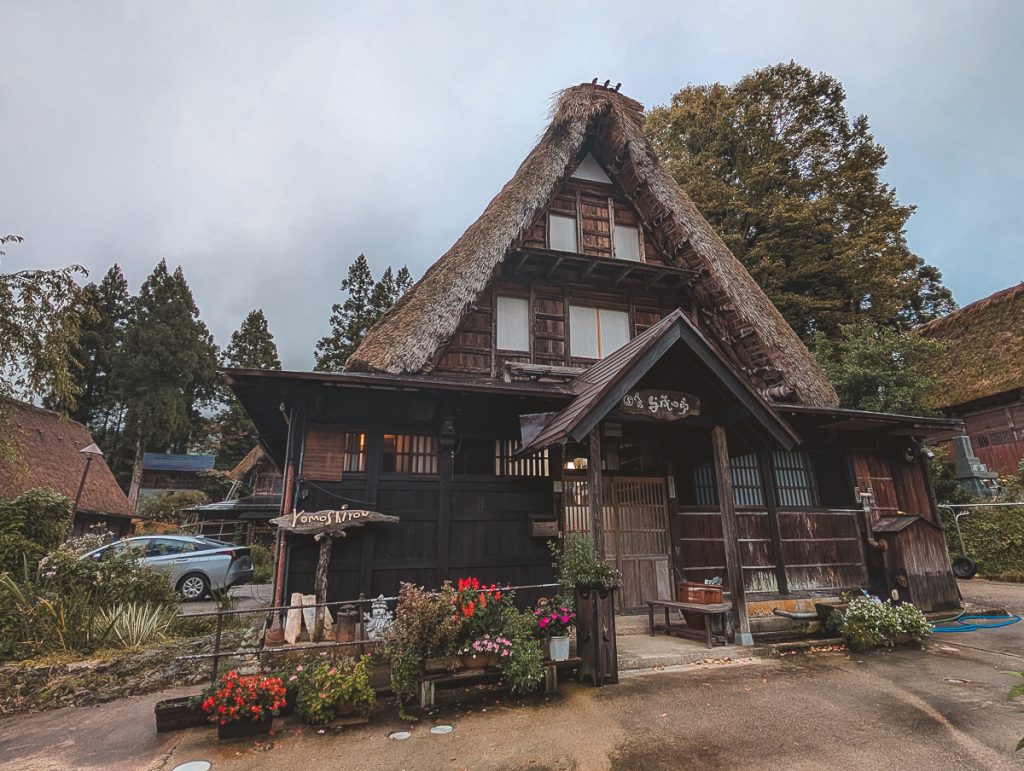
The upper floors were for work. Extending up to 4 stories, families could produce silk, weave rope and clothing, and make washi paper. With 3 meters of snow outside, you might not leave for weeks or months, so having everything contained to work the winter away was necessary.
The Gassho houses are incredible feats of architecture. Efficient for shedding off the heavy snow and rain, these farmhouses were constructed to deal with the weather and use the region’s natural materials. You won’t find a single nail; braided ropes, poles, and beams hold all the construction together.
The roofs need to be rethatched every 20-30 years, and historically, the entire village of 200 or more would come together. Over time, with depopulation, re-thatching became nearly impossible, and the art of crafting Gassoho houses nearly perished.
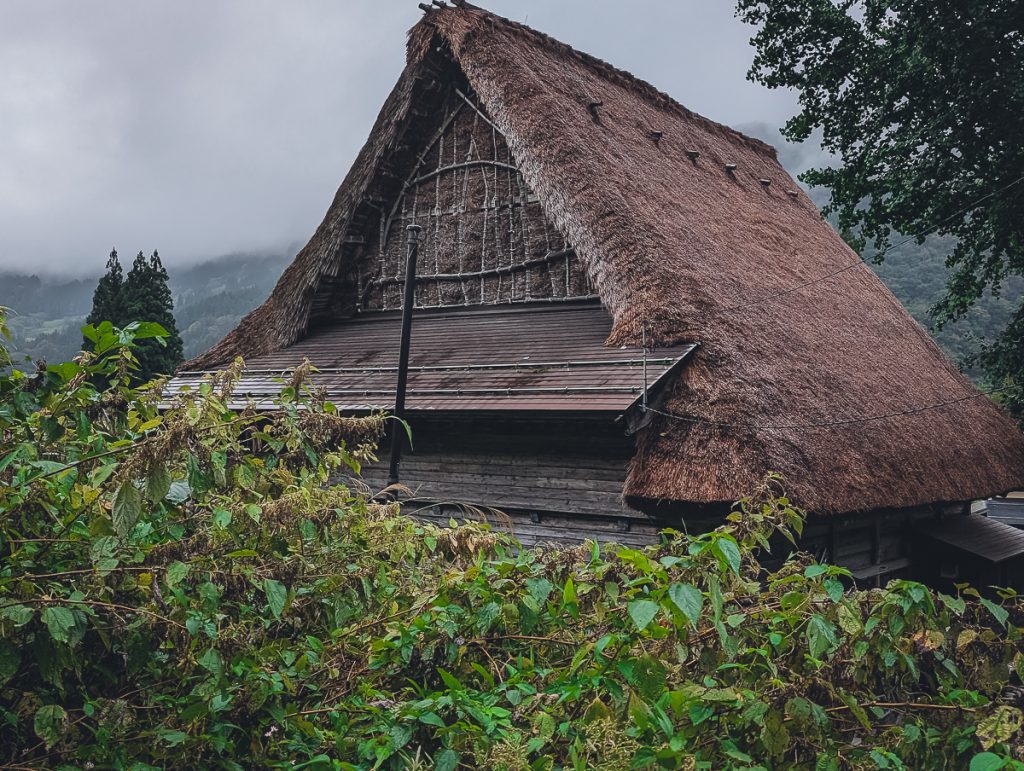
As the village sought UNESCO status, the Japanese government stepped in. Japanese forestry now does most of the labour for re-thatching and maintaining the historic homes.
Sleeping in one of these cozy heritage homes was a highlight of our time in Ainokura.
The Culture of Ainokura
We had a language barrier with our host, Kuni-San, but we pushed through that to have a great dinner. After dinner, sitting on the tatami mat around the tea and cooking fire, Kuni-San showed us a video of the UNESCO World Heritage Site and old photos. Let us try our hand at traditional musical instruments. He is a folk singer and joined in with a little tune.
The instruments, songs, and dances are unique to the region as the people here developed their own culture.
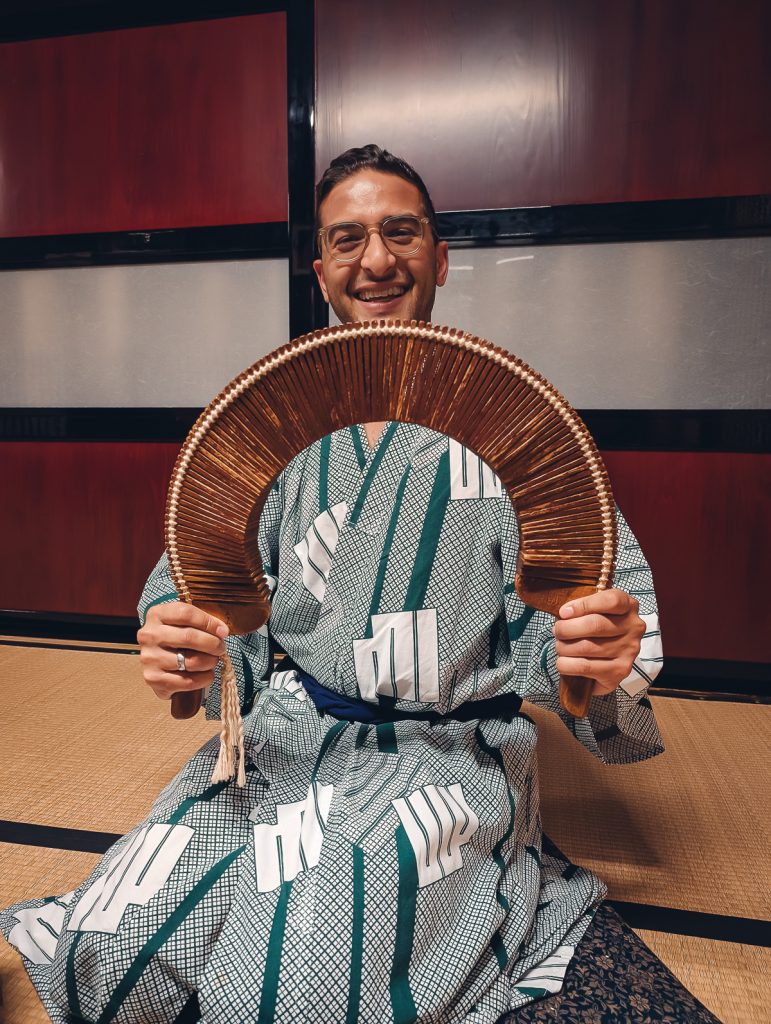
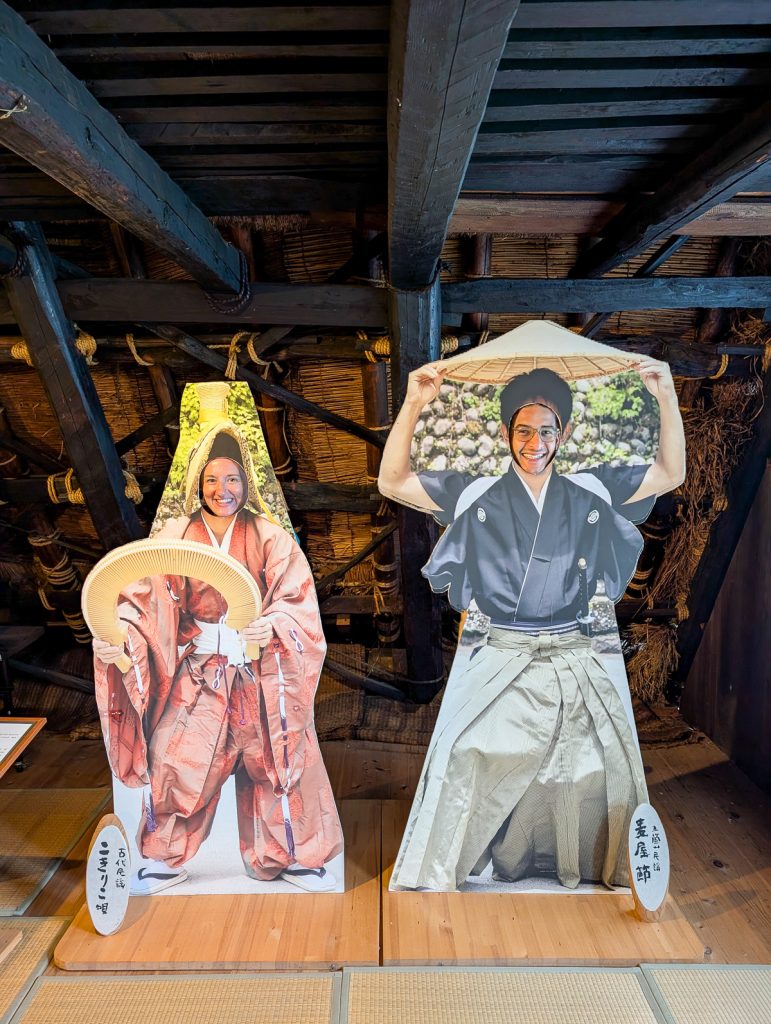
As you visit the museums, you’ll learn plenty more, but one of the things I found fascinating was their creation of waterproof clothing and shoes to deal with all the rain.
The weatherproof clothing was similar to the thatched roofs of the Gassho-farmhouses and was created from the same materials!
How to Get to Ainokura
By Car
As part of our longer road trip, we rented a hybrid car and drove from Nikkō National Park and the UNESCO World Heritage Site. I highly recommend a road trip through Japan, but if that’s not for you, you can rent a car from Nagoya or Toyama after catching a train to one of those hubs.
Google Maps works great in Japan; you can easily drive from any city or hub.
We rented our car from rentalcars.com, owned by Booking, and had a hassle-free experience. Remember that you need an international driver’s license to rent in Japan.
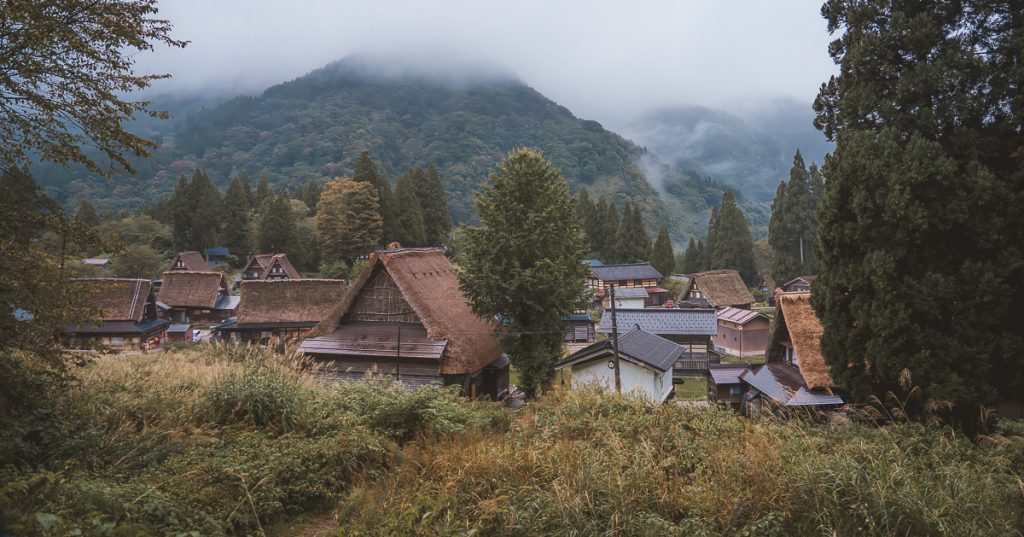
From Ogimachi, Ainokura can be reached in about 45 minutes. Parking is 500 yen for day visitors. Otherwise, your host will have parking on site.
Daytime visitors are asked to visit Ainokura only between 8:30 and 17:00 and refrain from visiting the villages in the early mornings and evenings.
By bus
Ainokura is one of the few stops on the heritage bus route between Shirakawago and Takaoka (see timetable). You can catch the bus from the larger hub, Shirakawago, and ride it one way for about 45 minutes. This will cost 1300 yen.
Buses and public transit are also available from Nagoya, Toyama, and Takayama. From the larger hub, Shirakawa-go, you can ride it one way for about 45 minutes, which will cost 1300 yen.
Comment and Share
Ainokura offers a unique look into traditional Japanese life, far removed from the rest of Japan. This UNESCO World Heritage site, with its iconic Gassho-style farmhouses and the warmth of local homestays like Yomoshirō, is an incredible travel experience for intrepid travellers.
By staying overnight in a homestay, you’ll have the chance to enjoy a home-cooked meal and Ainokura’s peaceful beauty after the day-trippers leave. Enjoy a slow morning of washi paper-making and savour home-cooked meals. If you’re seeking an off-the-beaten-path adventure in Japan rich in history and genuine connections, make Ainokura a priority on your itinerary. Experience the real Japan by booking a cozy homestay in a heritage gassho-zukuri village.
Curiosity Saves Travel Recommends
Accommodation: Booking.com to find accommodation with a Genius Discount and clear third-party sustainable certifications like Green Key. Look for local hotels.
Tours and Excursions: GetYourGuide and Viator for tours, excursions, and tickets. Never book wildlife experiences through these vendors.
Travel: Omio for booking buses and trains in English across Europe. After reducing the number of flights I take annually, I use Google Flights’ carbon comparison tool.
Car Rental: Rentalcars for the best rates in English globally. It is easy to find hybrids and EVs, and there are resources for finding chargers.
Packing Essentials: REI or your local Co-op has great essentials like reusable water bottles and cutlery sets. Patagonia for regenerative clothing. Farm to Feet for socks made with regenerative practices! Pistil Designs for cold-weather essentials. Osprey for bags that last 10+ years, like the day bag for hiking or my favorite carry-on.
eSIM: Airalo eSIM. Reduces waste from single-use SIMs. A total game-changer.
For Bloggers and Content Creators
Earn Ad Revenue with Journey by Mediavine
Earn with Stay22 Travel Partnership (my biggest source of income!)
Earn with TravelPayouts recommending tours and activities.






I love the idea of a homestay within a UNESCO village. Staying after the tours leave always adds so much to the experience for us, though we haven’t yet tried a homestay.
This looks like an incredible unique experience that I’m adding to my bucketlist! I would love to know how you felt with the language barrier in Japan especially travelling through small villages and doing a roadtrip.
We definitely had a language barrier, but thankfully most of the road signs are now in English, and we had Google Maps and Translate to help us in a pinch. It was worth it to see some of the more rural areas and enjoy the homestay in Ainokura.
I absolutely love the idea of staying in a homestay in Ainokura! It sounds like such a peaceful, immersive experience, especially with the quiet evenings and traditional meals made with locally sourced ingredients. I also appreciate how you highlight the importance of connecting with local hosts and embracing slower, more meaningful travel. Ainokura definitely sounds like a perfect off-the-beaten-path destination in Japan. I’ll be saving this guide for future reference — thanks for sharing such a unique and thoughtful travel experience!
great post , thank you for sharing.
thanks for sharing! how far in advance did you book yomoshiro? planning a trip for the summer and not sure where/when to book :)
Hey Rimin,
It looks like as of January 2026, Yomoshiro is not currently available for booking on booking.com, which is where we booked them. :( They were taking bookings as recently as December 2025, so I am not sure what is going on. https://www.booking.com/hotel/jp/minshuku-yomoshirou.html. You can keep and eye to see if they show up on booking again later in the season. You can also keep an eye on their official website http://yomosirou.com/. I’m not sure if they are taking a short or seasonal break and will be back, or if they are moving away from online booking.
There are also a few other guesthouses in Ainokura. I also suggest looking at https://booking.stay22.com/curiositysavestravel/ewhiS6yGve which is in Ainokura and currently taking bookings online, and has great reviews.
We stayed off season in October and booked most of our accommodations 2-3 months early. Summer is known to be especially busy, and Ainokura is a very small town without many options for places to stay so it is rather competitive. You will want to book as early as possible, but some places will only take bookings a few months out. Additionally, we sort of built our itinerary around the few key places we wanted to stay and Yomoshiro was a place that only had availability for 1 night mid-week.
Hopefully that was somewhat helpful, and I am sorry they aren’t on booking.com right now. Let me know if I can help with anything else.
-Susanna
great review, thank you for sharing.