

Venice tourist access fee and policies in 2026 to combat over-tourism
I may earn income from affiliate links or partnerships in this post. I spend time to curate tours or products that align with my values. Thanks for supporting my work, at no additional cost to you. All words and images on this website are created by real people.

Are you curious about the 2026 update to the Venice Tourist Access Fee and additional travel policies that started in 2024? The €5 tourist fee and registration system for day-trippers, along with additional restrictions on tour group size, are a significant step in Venice’s ongoing battle against overtourism.
Approved by Venice’s City Council in 2023, the tax initiatives officially came into effect on April 25, 2024. If you plan to visit Venice during peak travel days, then listen up, this sustainable travel news is for you!
It finally happened: Venice implemented new tourism regulations, such as a tourist fee for day trippers and a visitor registration system. Limits on tour group size and noise reduction efforts also went into effect later in the season.
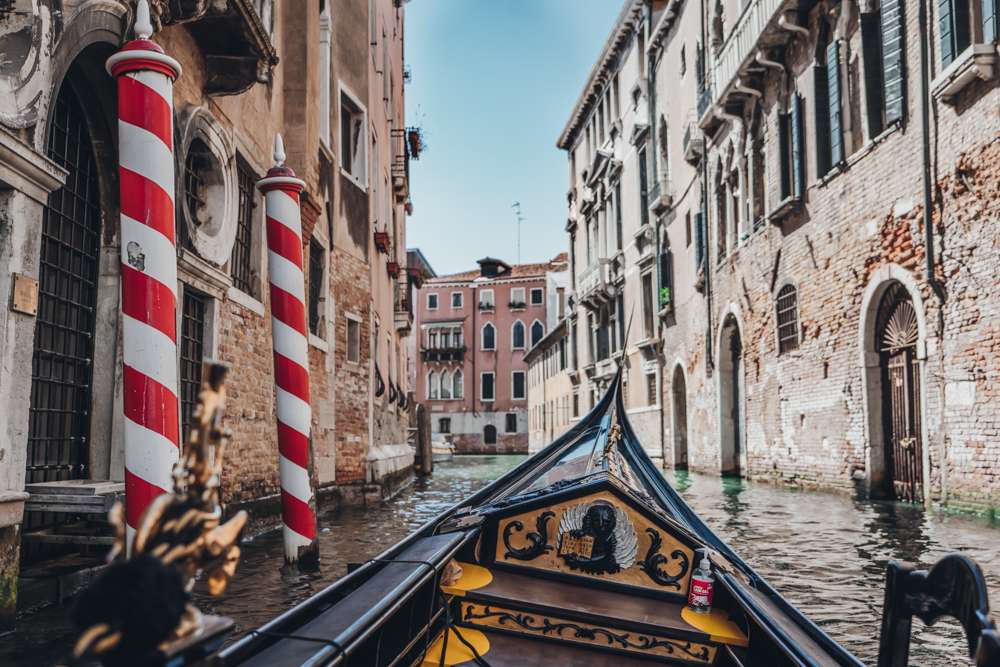
For years, The Ancient City of Venice has grappled with the negative impacts of tourism as millions of tourists visit every year, most packed into the peak summer season. Unsustainable mass overtourism has pushed out locals while degrading the natural environment and cultural heritage.
The impacts are so severe that Venice was at risk of losing its UNESCO Cultural Heritage status, which it has held since 1987.
Past attempts to manage tourism at sustainable and healthy levels have fallen flat as tourism numbers in Venice continue to rise despite the brief lull during the pandemic. In 2022, 30 million people visited Venice, yet only 3.2 million of these tourists stayed overnight. Centro Storico, or the historic island center of Venice, is home to only 51,000 full-time residents.
Venice made headlines when it banned large cruise ships from entering the Venetian Lagoon to reduce erosion, pollution, and overcrowding from these ships. However, the ban has proved complicated, with large ships still arriving, as a viable port alternative outside the Lagoon is not yet in the works.
Venice has developed a reputation as a place of all talk and little action regarding tourism regulation. So when Venetian Mayor Luigi Brugnaro began discussing a tourist tax and limitations on group sizes in 2021, many were unsure if they would see the light of day.
Even Brugnaro himself told foreign reporters, “I expect protests, lawsuits, everything … but I have a duty to make this city liveable for those who inhabit it and those who want to visit.”
The new restrictions were initially expected to take effect in 2023, but after a trial period, they didn’t get off the ground in time. However, the new regulations took effect during the 2024 peak tourism season and have since been updated.
What exactly is happening now, and does it apply to you? Why does it matter? Let’s dive in!
What are Venice’s new tourist restrictions and policies for 2026?
Venice has become a world-leader in implementing new policies, restrictions, and tax schemes to combat overtourism, day trippers, and unsustainable tourism development. These restrictions are a dire attempt to protect its cultural and natural heritage, maintain UNESCO status, and set the groundwork for a healthier tourism model that benefits both locals and tourists.
For the 2026 tourist season, Venice is focusing on two main issues.
Tourist Tax and Registration for Day Trippers
Anyone visiting between the hours of 8:30 and 16:00 on 60 specific days during particularly busy periods (mostly weekends and holidays between April and July) is subject to the €5 tourist tax – if you pay at least four days ahead of the day of access. If you pay within four days of your visit, it is €10.
This tax is called the Venice Access Fee. City officials hope this will encourage people to visit during less busy periods.
Brugnaro and city officials have said this isn’t about making money but about disincentivizing people from coming during peak times.
The local authority said, “The objective is to discourage daily tourism in certain periods, in line with the fragility and uniqueness of the city.”

However, it is no secret that sustainable tourism management costs money. As Venice grapples with the impacts of over-tourism, these funds could help support initiatives like gates to keep rising sea levels out of Venice and waste management.
There are a few exemptions for those looking to avoid paying this fee on these set days, including those visiting in the evenings for dinner or shows, staying overnight in a hotel, anyone under 14, those with an EU disability card, and more. With a few exceptions, you must request an exemption ahead of time.
2026 Dates
The dates when the Access Fee is in effect for 2026 are as follows:
April: 3, 4, 5, 6, 10, 11, 12, 17, 18, 19, 24, 25, 26, 27, 28, 29, 30
May: 1, 2, 3, 8, 9, 10, 15, 16, 17, 22, 23, 24, 29, 30, 31
June: 1, 2, 3, 4, 5, 6, 7, 12, 13, 14, 19, 20, 21, 26, 27, 28
July: 3, 4, 5, 10, 11, 12, 17, 18, 19, 24, 25, 2
Registration
While only those visiting during certain peak times are subject to the fee, everyone visiting on these days must register under a new system. With this registration, you will pay the fee or apply for an exemption. Once you register, you will receive a QR code signaling you’ve paid or been approved for an exemption.
In 2026, there’s also an option to use a form for your exemption rather than the QR code.
Scan this code (or show your certification/declaration of exemption) at entry gates around the Venice Ancient City. If you do not have a QR code or form to show, you will be asked to complete the registration and pay the fee (if applicable) upon entry.


You could be fined between €50 and €300 for failing to follow these guidelines.
Is this the same as Italy’s tourist tax?
No, but kind of… Italy’s tourist tax, which you might be familiar with, is often applied to hotel bills as part of a nightly tourist tax. But this tax doesn’t apply to those who don’t stay overnight, even though they are better for the economy and sustainable tourism.
This new access fee specifically targets day trippers, but it is sort of their equivalent to the existing tax. So, if you are staying overnight in Venice, you’ll pay the tourist tax instead of the Access Fee.
Why target day trippers?
Nearly 75% of the people who visit Venice only stay for a day or half a day, yet they contribute only 18% to the tourism economy in a serious case of tourism economic leakage. To compare, those who stay at least one night contribute 50%.
Not only do those who stay longer contribute to a more robust economy, but studies show that the longer someone stays at a destination, the negative impacts of tourism are diminished. Spending more time diffuses mass tourism, allows you to engage in more meaningful travel, connect with the place, spend money more equitably, and put less stress on resources.

Finally, many day trippers come on cruise ships. These large ships require dredging, killing animal and plant life in the area. Water displacement from these ships erodes historical foundations, some of which have been around for thousands of years.
They also emit pollution, such as sulfur, which has health implications. Large ships also contribute to low-quality mass tourism, dropping thousands of people off for a short period, delivering few positive benefits.
How to register, pay, and request an exemption
Visit the official website for the Venice Access Fee to learn more, including information on which days this new tax applies, register, apply for an exemption, and pay your fee (if applicable) to get your QR code.
How do residents feel about this?
Update after day 1: While these new policies sound great on paper, and as a sustainable tourism expert, I agree that something must be done to manage tourism in Venice; not everyone is on board.
The Guardian reported that the first day of implementing these policies was chaotic. In news that should surprise no one, tourists and visitors to Venice were caught off guard and unprepared for the access fee.
Locals also had very mixed feelings. Some felt strongly enough to take to the streets to protest the new policies. Why? Many think that charging people a fee to enter the city contributes to the feeling that Venice is a theme park. Others felt it wasn’t doing enough to address what they think the real issue is: Airbnb and transient rentals driving up the cost of housing and diminishing housing availability.
Yet, despite this opposition, many residents agree with the policies. Some hope it will help them understand tourist trends and behaviors. Ecotourism expert Megan Epler-Wood and I discussed some of these things in a LinkedIn post. Especially since this data collection is a key part of addressing Venice’s over-tourism issue, and the situation in Venice is so dire that it calls for potentially dire measures.
Policies like these aren’t going to appeal to everyone, but it is important to listen to resident stakeholders. It is hard to tell if they just need time to adjust and cope with the policies or if the mayor needs to listen to the protestors and change the policies in line with their expectations. Only time will tell.
Update 2026: While it doesn’t seem like residents are protesting anymore, the number of tourists visiting Venice in 2025 only dropped slightly after the implementation of the Access Fee.
This year, the number of days the fee applies has increased from 54 to 60, and the fee cost has risen for those who don’t register at least 4 days before their trip.
The Access Fee also no longer applies to the minor islands of the Venice lagoon, like Murano, Burano, and Lido.
Restrictions on Group Tours and Noise
Another initiative, aimed at reducing tour group size and noise levels, started in 2024. This municipal resolution caps tour group size at 25 people, or half the capacity of a standard tour bus. It also includes a ban on loudspeakers or megaphones, often used by tour guides to shout to their large groups.
The policies implemented here primarily concern tour guides and operators, but this is a win for travelers and the general public.
Why target large groups?
It is easy to forget that actual citizens live in the Ancient City of Venice; these people have lives where they must walk the streets, go to the store, and take naps in their apartments. Large, noisy crowds are disruptive to their daily life. Imagine if you were trying to go to the store and ran into a 50-person tour group taking over your street.
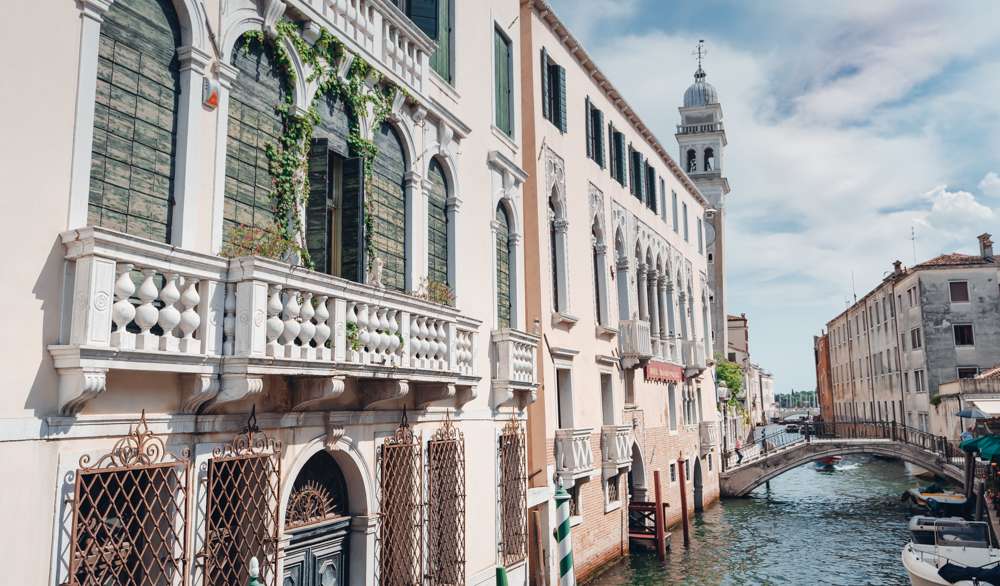
Studies show that larger tour groups have a greater impact on the natural environment, and mass overtourism decreases natural and cultural integrity in sensitive areas. Reducing tour group size makes managing people in groups easier.
Smaller groups also foster more meaningful connections between visitors and the host community. You are more likely to get a meaningful experience from a small group tour and take more action to engage in sustainable travel behaviors.
Will this make a difference?
A lot of conflicting chatter is circulating about whether these policies will make a difference.
I, personally can see the intention behind these policies and think they are a good and necessary starting point. Still, I am skeptical about whether they will deliver the intended results.
Reducing group sizes can make a big difference, and I love this initiative. It will allow those on group tours to have a more meaningful and educational experience and may even incentivize large tour buses and maybe even mega cruise ships. Venice could enhance this policy and require small groups to be led by local certified guides, but it is a start.
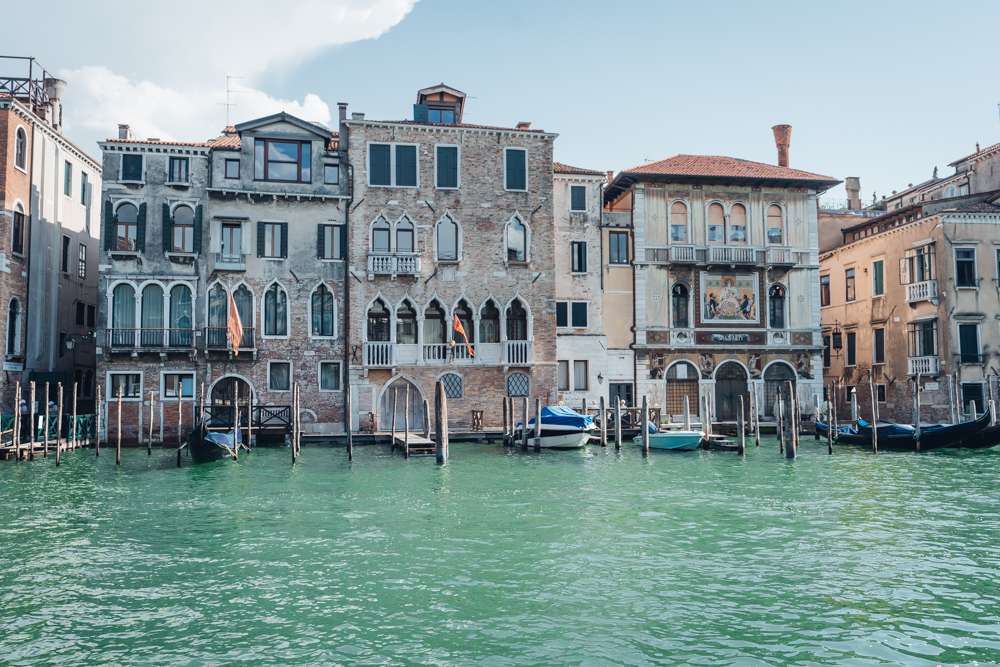
However, the Access Fee is unlikely to deter visitors. Many destinations use tourist tax schemes to help support sustainable tourism development, including Tofino, Canada, cruise ports in Alaska, Barcelona, and others.
Contrary to what the mayor claims, I think the best use of fees and taxes is to build more sustainable and equitable capacity. These taxes can be a great way to raise funds to develop waste management, infrastructure, and facilities that tourists and locals rely on.
It is unlikely a €5 fee would prevent anyone from coming on the trip of a lifetime to Venice during peak travel days if that was their only time to travel and it was their dream destination.
At the very least, it might be a good starting point for educating people on the impacts of overtourism and may encourage people not visiting on a cruise to stay overnight. Venice needs to take action or risk losing its UNESCO status and the very environment that makes Venice so special, so I do hope to see more policies and incentives for sustainable tourism in Venice.
I would love to see more educational elements for visitors to learn about their impacts – local guides, tourism pledges, policies to regulate multi-national tour operators, and positive incentives to stay overnight or work with local guides could be much more effective.
Since 2024, Venice has considered surge pricing based on how this program works. Surge pricing could deter people from visiting during peak times, but it would make budget planning challenging.
How to Visit Venice Responsibly and Sustainably
Sustainable travel in Venice starts with us. I didn’t think I would ever visit Venice. As a sustainable traveler and expert, I wasn’t sure I could do so without contributing to an unsolvable problem or fighting with millions of tourists in crowded streets.
However, when the opportunity to visit arose during a longer campervan road trip through central and Northern Italy, I decided to take the time to curate a slow, sustainable, and mindful itinerary. We stayed three nights and four days in Venice, hired a private local guide, and committed to sustainable tourism.
I am so fortunate to have experienced the Ancient City of Venice in such an intimate and meaningful way. I have curated my tips and itinerary for you to help slow down and appreciate authentic Venice.


The most meaningful things you can do as a traveler are to slow down, stay longer, ditch the cruise ship, avoid Airbnb, support local guides, and uplift cultural and natural heritage. Read my detailed guides for responsible travel in Venice and UNESCO sites.
- Sustainable travel tips for Venice
- 3-day slow and sustainable guide
- Responsible traveler’s guide to UNESCO sites
Comment and Share
Ready or not, Venice’s new policies started in 2024 to foster more sustainable travel and community well-being for its residents – and it doesn’t look like they’re going away. These policies include the Venice Access Fee for day-trippers, a registration system, and limits on tour group sizes.
Are you planning on visiting Venice this year? If you do, make sure you visit responsibly by staying longer, hiring local guides, and respecting local culture.
- What do you think of the Venice access fee, registration process, and tour group capacity limits? Would you be willing to pay the fee?
- Would this deter you from visiting on a very popular day?
- Do you think this will work?
Let me know your thoughts in the comments.
If anything, this warned me of the peak travel days and would remind me to travel on any day other than that day!
Curiosity Saves Travel Recommends
Accommodation: Booking.com to find accommodation with a Genius Discount and clear third-party sustainable certifications like Green Key. Look for local hotels.
Tours and Excursions: GetYourGuide and Viator for tours, excursions, and tickets. Never book wildlife experiences through these vendors.
Travel: Omio for booking buses and trains in English across Europe. After reducing the number of flights I take annually, I use Google Flights’ carbon comparison tool.
Car Rental: Rentalcars for the best rates in English globally. It is easy to find hybrids and EVs, and there are resources for finding chargers.
Packing Essentials: REI or your local Co-op has great essentials like reusable water bottles and cutlery sets. Patagonia for regenerative clothing. Farm to Feet for socks made with regenerative practices! Pistil Designs for cold-weather essentials. Osprey for bags that last 10+ years, like the day bag for hiking or my favorite carry-on.
eSIM: Airalo eSIM. Reduces waste from single-use SIMs. A total game-changer.
For Bloggers and Content Creators
Earn Ad Revenue with Journey by Mediavine
Earn with Stay22 Travel Partnership (my biggest source of income!)
Earn with TravelPayouts recommending tours and activities.



This is so informative and useful! I love to learn about the local rules and laws while travel
Yeah it is really import to follow local travel restrictions when traveling to places dealing with negative impacts from tourism, like in Venice.
Five Euros seems a bit of a joke – less than a cup of coffee in Venice. They should make the fee higher. I am sorry, but people who go on those huge cruise ships can probably afford a higher fee, but probably not people on a smaller budget who stay in cheaper hotels on the main land. They will not solve the problem by creating more accommodation sin Venice – the numbers of holiday lets vs. normal apartments are already staggering, and Venice is losing residents at an alarming rate because there are no affordable places to live and landlords can make more money with letting to tourists. I have visited Venice and I love it (stayed several nights in a convent, plus it was COVID and nicely uncrowded and I think you needed proof of the vaccine, and I happened to be vaccinated due to hospital duties), but it is a complex problem that the 5 Euro entry fee will probably not change.
The price is rising to about 10 euros for certain days next year. While I completely agree that it is not enough to deter people from visiting, the extra funds are meant more to help support waste management, upkeep and revitalization for the infrastructure for the heritage status, adaptation against climate change and other areas lacking critical funding. It is a very complex problem and this is just one piece of what they are trying to do, but the task ahead is overwhelming. I visited Venice and we stayed for 5 full days and hired a private local guide certified as a sustainable local guide. We learned a lot about all the issues facing the residents of Venice and one thing is clear, if the Venice policy-makers are unable to make Venice a living city for the residents, the quality of tourism and life will continue to decline.