

A Guide for Visiting National Parks in India – Do’s and Don’ts
I may earn income from affiliate links or partnerships in this post. I spend time to curate tours or products that align with my values. Thanks for supporting my work, at no additional cost to you. All words and images on this website are created by real people.
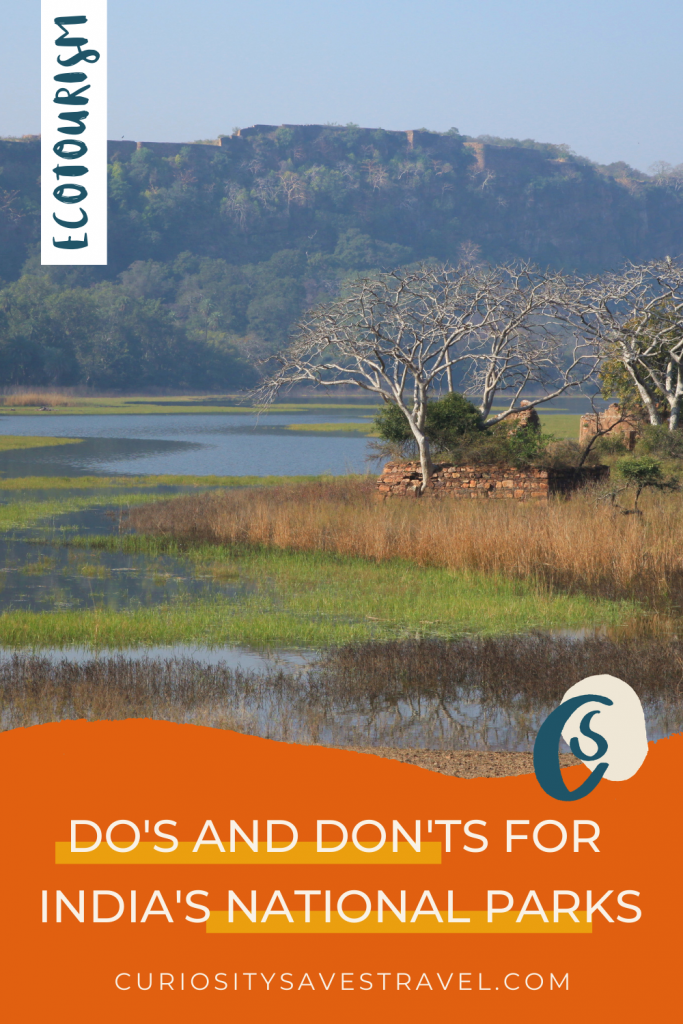
Are you curious about visiting a National Park in India? Visiting national parks when you travel is a great way to connect with nature, learn about the local environment, stay healthy, and see unique species in the wild you might not see back home. It’s important to be respectful and prepared when visiting national parks in different countries for your safety and to protect nature.
While some general guidelines for visiting national parks can be applied anywhere, it’s essential to learn regional and local guidelines and safety tips because they might differ from what you’re used to. Guest author Ketki from Explore with Ecokats is an ecologist from India and will share with you some of the essential do’s and don’ts when visiting a National Park in India. Make sure you stick around to the end to learn more about Ketki and ways you can connect with her. Let’s give her a warm welcome.
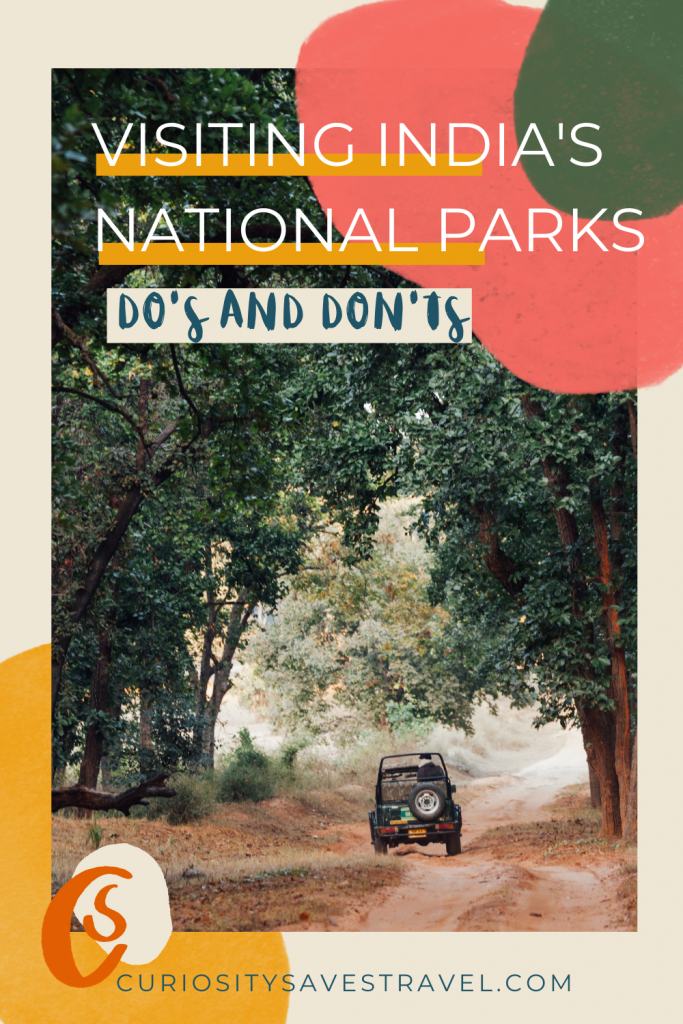
Introduction to India’s National Parks
As popular as India is for its vibrant destinations, architectural wonders, and delicious food, it is equally enthralling for its nature and wildlife. Thanks to the varied landscape and climatic conditions, many ecosystems are the perfect habitat for many mammals, reptiles, and birds. Most of these species are protected under Wildlife Sanctuaries or National Parks and have seen many generations in the Indian forests.
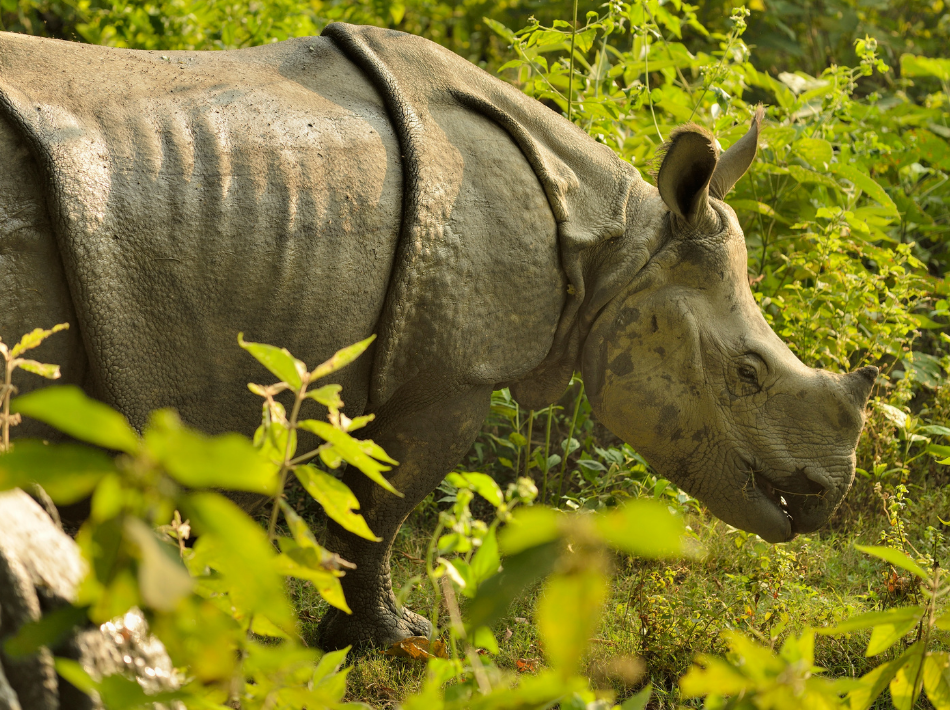
India is known for its rich biodiversity and is home to many unique species that exist only in India – the Royal Bengal Tiger, the Asiatic Lion, the Greater One-horned Rhinoceros, the White-footed Fox, and the Asiatic Elephant, amongst others.
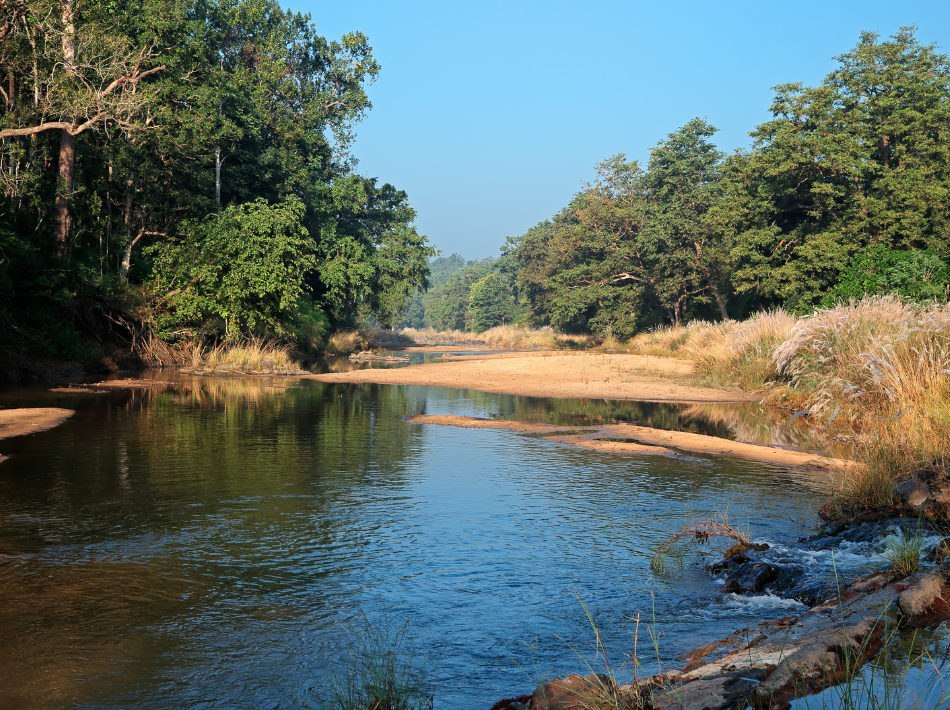
With over a hundred national parks to choose from, a wildlife sojourn in India is a bucket-list item. Whether you are traveling to the north, south, east, or west of India, each state has a national park or a wildlife sanctuary that must be included in your itinerary. A vacation in Indian forests could be one of the most cherished experiences for visitors.
Since national parks are protected areas that are open as sustainable eco-tourism hotspots for tourists, certain rules must be followed for the welfare and safety of animals and visitors. Although each national park has its own set of rules, most are common across all protected areas.
While these are the suggested rules, they are not as strict or punishable, making the visitors ignore and flaunt them. However, it is highly recommended that you follow these rules. This blog is the perfect guide to a national park in India with the do’s and don’ts to follow for a memorable trip.
General Do’s and Don’ts for India’s National Parks
Do
Do carry the original photo ID that has been used to make an online reservation, as you will not be allowed entry without a valid photo ID.
Do use the washrooms in the hotel or near the park entry gate, before the safari starts, as there is no provision inside the park in most parks. Avoid drinking a lot of water before the safari to avoid a visit to the washroom.
Do bring a face mask. Face masks are now compulsory in the national park since the COVID-19 pandemic.
Do book a tour. Most safaris are in an open jeep, not a private vehicle. However, private vehicles are allowed in certain parks, such as Blackbuck National Park and Velavadar. Some parks allow walking safaris, such as Eravikulam National Park.
Do look beyond the big cats and enjoy sighting smaller mammals, reptiles, birds and even trees.
Do book a local homestay to support local businesses and stay somewhere more sustainable.

Don’t
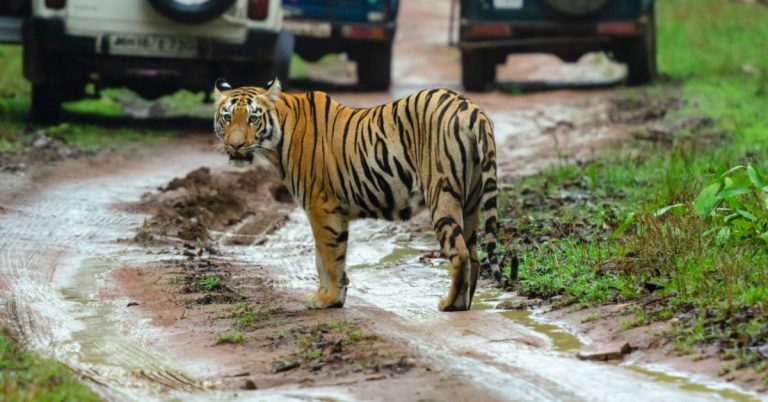
Don’t approach any animal too closely. Keep a respectful distance of around 20 meters to respect their privacy.
Don’t take babies, small children or pets on the safari as the duration may take a toll on them. They may start crying and distract the wild animal.
Don’t play music or make noises to get a reaction from animals.
Don’t use mobile phones in the parks except while taking photos.
Don’t bring your cell phone to a tiger reserve. India’s Supreme Court recently ruled to ban all cell phones in tiger reserves to protect the tigers.
Don’t talk unless necessary. If you must speak, simply whisper.
Don’t collect any plants, rocks, soil, or animals as souvenirs. They belong to the forest.
Don’t get disappointed if there is no sighting, and do not blame the driver/guide. Remember, it is not a zoo. Instead, interact with them to learn about different forest stories.
Don’t carry firearms, cigarettes, lighters, or any items which may start a fire in the forest.
Don’t feed the animals in the jungle.
Do’s and Don’ts Etiquette
Do
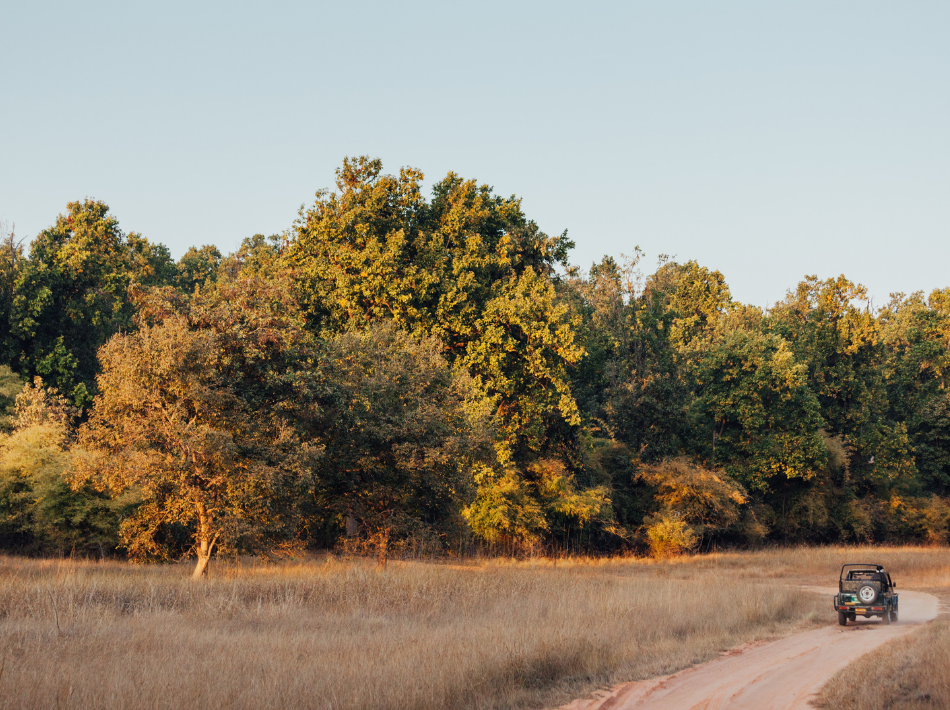
Do keep the movement within the vehicle to a minimum, especially when you sight an animal, as this can scare the animals and birds.
Do stay in the vehicle. Getting down from the vehicle is not permitted, except at certain specified places, which will be indicated by the guide and driver.
Do hold on to the iron bar in front of or to the side of your seat to prevent falling or hurting yourself.

Don’t
Don’t keep your mobile phone in the side pockets of your pants. The undulating forest terrain may bump the phone from your pocket onto the road.
Don’t stand in the vehicle unless permitted by the guide/driver.
Don’t point towards birds. Raptors may notice smaller birds or their nests and attack them for food.
Don’t dispose of polythene bags, tetra packs or food in the national park during the safari. Take them back with you and dispose of them at the entry gates or in hotel trash bins.
Don’t deviate from the allotted routes or leave the road.
Don’t enter forest premises without permits.
Don’t enter before sunrise or stay after sunset. It is important to maintain the decorum of the park.
Don’t encourage your driver to break the national park rules, such as regarding the speed of the vehicle, the route to be followed, or the distance to be kept from other vehicles and wild animals.
Clothing and Hygiene Do’s and Don’ts
Do
Do carry a mask/stole to cover your face as the roads in the park are mostly dry and dusty.
Do wear sunscreen. The safari vehicle is open, so you are exposed to direct sun, hence carry or apply a sunscreen lotion if you get tanned too soon.
Do come prepared for the forest weather. Mornings are chilly in the forests, and afternoon safaris, especially in summer, can get extremely hot. Carry a jacket and a hat/cap, respectively. Wear clothes that are comfortable in summer.
Do read my post on packing tips for Gir National Park Safari to give you an idea of some additional things to pack.
Don’t
Don’t wear perfumes or deodorants during the safari. Animals have a strong sense of smell, and this can distract them.
Don’t wear bright colours during the safari. Instead, choose earth colours such as greens, grey, and brown. Shades of red, yellow and blue are a strict no-no.
Equipment Do’s and Don’ts
Do
Do carry binoculars and cameras to enhance the experience of the national park. In some national parks, binoculars are available for rent from the entry gate.
Do carry camera bags to protect the equipment from sudden brakes and weather – rain or dust.
Do pay the extra camera ticket if carrying a DSLR with a telephoto lens.
Don’t
Don’t use a flash. Flash photography is prohibited.
Comment and Share
While it is important to appreciate the fresh air, unique wildlife, and nature at its best, it is equally important to be attentive and sensitive towards the rules laid down by the Forest Department.
I hope this guide to the do’s and don’ts in Indian National Parks gave you a fair idea of planning a wildlife trip to India and how to be best prepared.
Leave a comment and save it to Pinterest so you can have this guide ready for your next sustainable eco-tour to one of India’s National Parks.
Leave me a comment
- Have you been to a National Park in India? What was something you learned that you can pass along to other readers?
- What is one thing you will make sure to do – or not to do – when visiting your next National Park in India?
Curiosity Saves Travel Recommends
Accommodation: Booking.com to find accommodation with a Genius Discount and clear third-party sustainable certifications like Green Key. Look for local hotels.
Tours and Excursions: GetYourGuide and Viator for tours, excursions, and tickets. Never book wildlife experiences through these vendors.
Travel: Omio for booking buses and trains in English across Europe. After reducing the number of flights I take annually, I use Google Flights’ carbon comparison tool.
Car Rental: Rentalcars for the best rates in English globally. It is easy to find hybrids and EVs, and there are resources for finding chargers.
Packing Essentials: REI or your local Co-op has great essentials like reusable water bottles and cutlery sets. Patagonia for regenerative clothing. Farm to Feet for socks made with regenerative practices! Pistil Designs for cold-weather essentials. Osprey for bags that last 10+ years, like the day bag for hiking or my favorite carry-on.
eSIM: Airalo eSIM. Reduces waste from single-use SIMs. A total game-changer.
For Bloggers and Content Creators
Earn Ad Revenue with Journey by Mediavine
Earn with Stay22 Travel Partnership (my biggest source of income!)
Earn with TravelPayouts recommending tours and activities.




These are helpful tips for visiting the National Parks. It is truly a different experience.
What a helpful guide and beautiful national parks! The wildlife here is so incredible :)
These are some really great tips. We haven’t visited any of the national parks yet but we are planning to visit atleast one next winter.
I hope you’re able to visit one this winter and find this guide handy. Do you have an Indian National Park in mind?
That is such a useful guide! Hoping to make it to India one day!
It’s very helpful to learn in advance about the best behavior at the place you plan to visit. Thanks for the great tips and useful advice.
It really is, many people think there is a universal guideline, but it’s so important to learn regional and local guidelines for visiting National Parks as well.
I haven’t travelled to India yet so all of these tips are going to be extremely useful when I plan my trip there!
Hey there! Nice post…
I am sure you must have enjoyed visiting these places in India.
India has so many ancient and medieval monuments which narrate the story of their glorious past. Some of them have an entry ticket while some are free to visit. Thanks for sharing this awesome guide with us.
AmaziAbsolutely! Keeping movement to a minimum and staying in the vehicle are essential for a safe and respectful safari experience. Let’s protect and enjoy wildlife responsibly! ✨ #SafariEtiquette #WildlifeConservation
An informative and well-structured guide. Promoting responsible wildlife tourism and ethical visitor behavior is essential for protecting India’s incredible biodiversity. Thank you for highlighting these important best practices.
Of course, responsible travel is the best way for us to enjoy these beautiful places for generations to come.