What A Super El Niño Means for Travel and Tourism: Everything Travellers Need to Know
I may earn income from affiliate links or partnerships in this post. I spend time to curate tours or products that align with my values. Thanks for supporting my work, at no additional cost to you. All words and images on this website are created by real people.
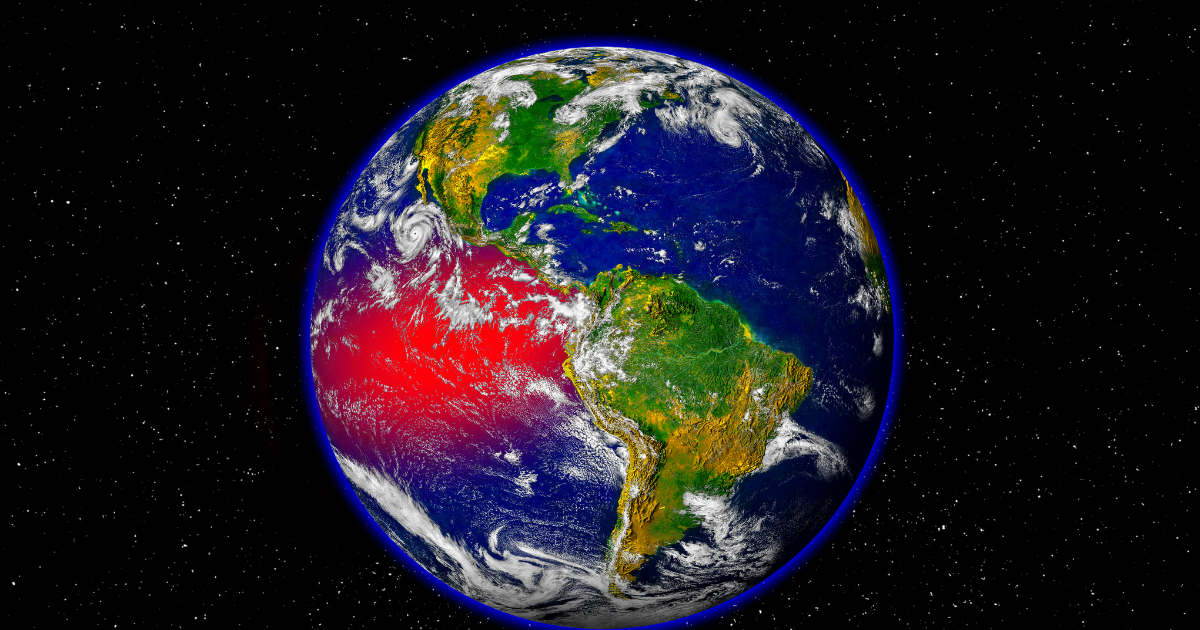
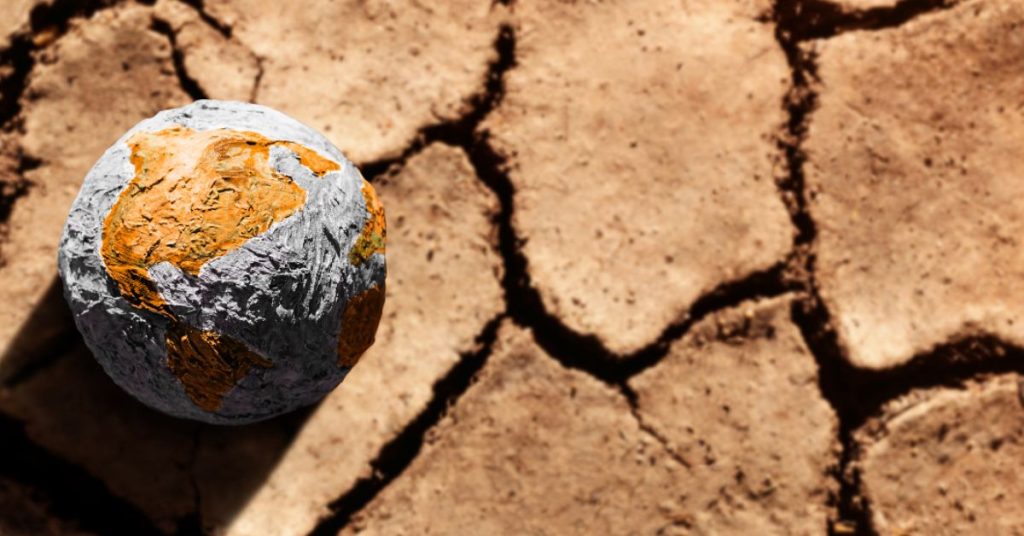
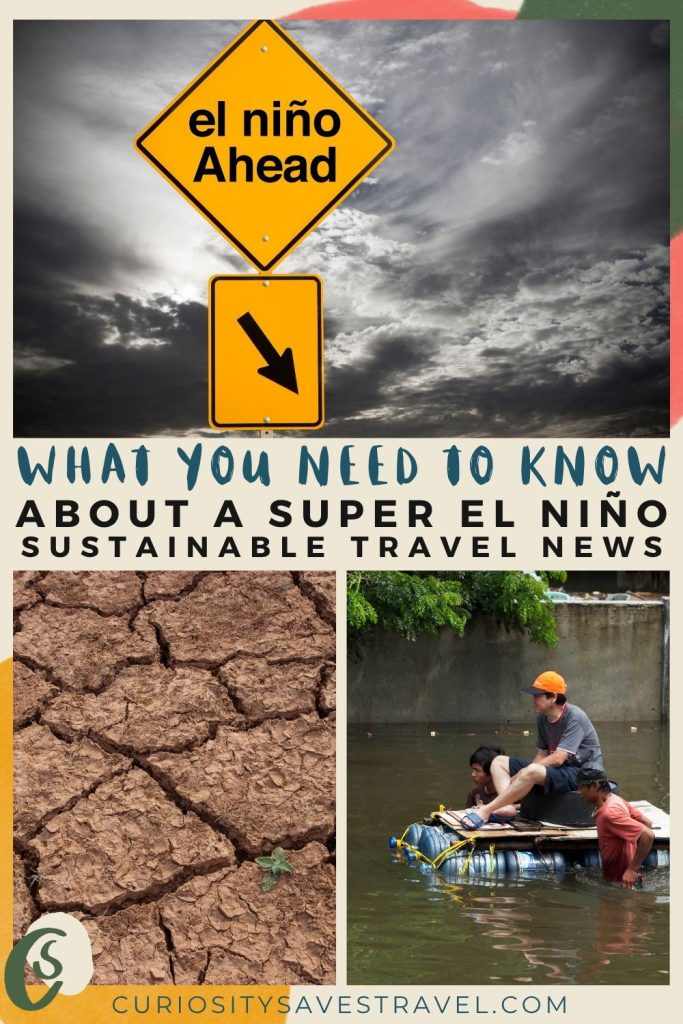
Have you been hearing the buzz about the looming Super El Niño? While we are heading toward what is predicted to be one of the strongest El Niño events in modern history, you might be curious about what this means for your upcoming vacation. As trade winds slow and ocean temperatures rise across the Pacific, El Niño is already shifting global climate patterns.
This is everything travellers need to know about El Niño, how it is reshaping weather, impacting the communities we visit, and how to be responsible travellers during a climate disaster.
These shifting patterns are unpredictable and volatile, creating wide-reaching impacts across global industries and posing threats to human health, well-being, and ecological stability.
The 2026–2027 El Niño pattern has Pacific Ocean temperatures surging well over 3°C, on track ot be one of the strongest on record, bringing severe drought to some regions while unleashing extreme rainfall and surging storms on others.
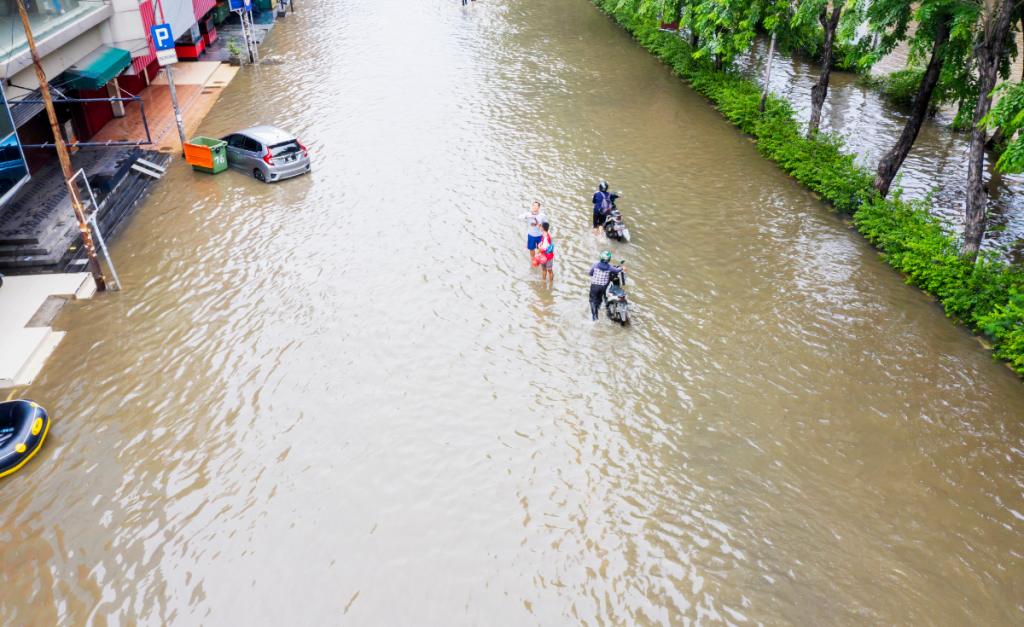
These atmospheric shifts trigger broad, systemic disruptions across the global economy. Extended dry spells lower water levels in the Panama Canal and drinking reserves, destabilizing agricultural and marine food supply chains. Heavy rains in other areas bring flooding that damages infrastructure and floods cities. Meanwhile, extreme heat in the Pacific Ocean and on land brings natural disasters that threaten human health and community resilience worldwide.
The travel and tourism industry operates in a bubble, with travel often continuing “come hell or high water.” However, the sector needs a reality check.
Heavy rainfall floods hiking trails, extreme droughts jeopardize freshwater supplies, severe storms disrupt global flight networks, declining snowpacks leave skiers wanting, and record heat waves force the temporary closure of iconic cultural monuments.
Navigating global travel through the 2026 – 2027 very strong El Niño requires understanding how this oceanic phenomenon works and recognizing what lies ahead for major tourist destinations and the communities we visit.
Here is everything travellers need to know about the Super El Niño that is already reshaping global health and systems, including tourism, biodiversity, and community health.
If you’re new here, I’m Sooz. I have an MSc in biodiversity and studied the intersection of travel and tourism, with an academic publication on the impacts of tourism on the natural environment. All relevant sources are linked throughout.
Prefer Video: Watch on YouTube
What is El Niño?
To understand how El Niño disrupts travel, let’s first understand what El Niño is and how it alters climate patterns.
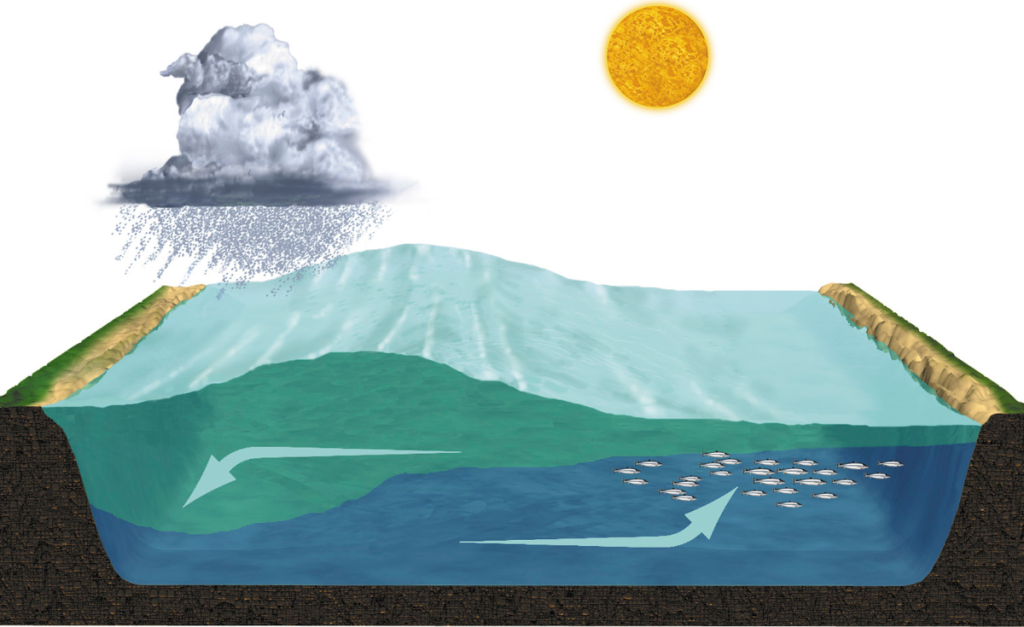
Under normal climate conditions, Pacific Ocean trade winds blow steadily from east to west. These winds push sun-warmed surface waters toward Asia and Oceania, accumulating warm water in the Western Pacific, contributing to warm waters, warm air temperatures, humidity, and a regular monsoon season.
To replace those warm waters, cold, nutrient-rich water rises from the ocean depths, where it is warmed at the surface and pushed west. This cycle continues, moving in an oscillating pattern, keeping climate and temperatures regulated.
Fishermen first discovered El Niño when they noticed warm water and unusual fish dynamics in the Pacific impacting their livelihood.
During an El Niño event, or El Niño–Southern Oscillation (ENSO), these trade winds weaken significantly or stop. Without the force of strong easterly winds, the pool of warm surface water remains stagnant.
Without upwelling to keep things cool, temperatures can rise anywhere between 1 and 3°C., fundamentally altering the jet streams that guide global weather and regulate the marine food web.
El Niño is a naturally occurring cycle that has shaped our planet since time immemorial, but it can still catch us off guard.
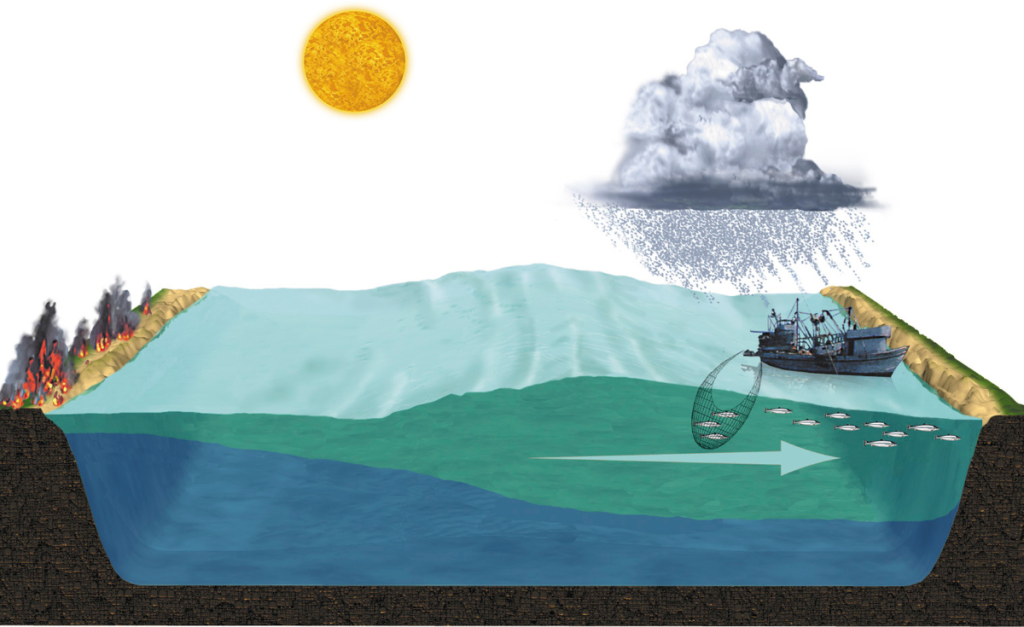
Upwelling keeps us and our oceans fed. What happens when it slows or stops?
Across the Pacific Ocean, El Niño events threaten food and water security. When trade winds stop, so too does the upwelling cycle that brings cold, nutrient-rich waters upward to replace the warm water pushed west by trade winds, throwing the entire marine food web into disarray.
That means fewer nutrients for phytoplankton to develop. Krill eat phytoplankton. Krill are one of the most important species in the Pacific Ocean, acting as a critical food source for whales, seals, penguins, seabirds, squid, and fish.
Not only are there fewer nutrients to keep the food web running, but extreme heat can cause mass marine die-offs, from coral reefs to marine mammals.
What are the general impacts of El Niño?
El Niño climate cycles typically:
- Recur every two to seven years with no distinct pattern.
- Develop during the Northern Hemisphere’s spring or summer, peak between December and February, and decay by the following spring.
The atmospheric heat released during an El Niño cycle lingers, often making the year following an El Niño peak an outlier for global temperatures. Most of our “hottest year ever” events, like in 2024, have followed an El Niño.
Again, while no two events are the same, and there are always weather abnormalities, generally, during an El Niño event around the Pacific, we notice:
- Warm, dry drought conditions in the Northern United States, Canada, and inland South America. This can reduce critical snowpack, threatening water reserves and contributing to wildfires.
- In the Southern United States and Pacific coastal regions of South America, there are often wetter conditions resulting in extreme snowfall or flooding.
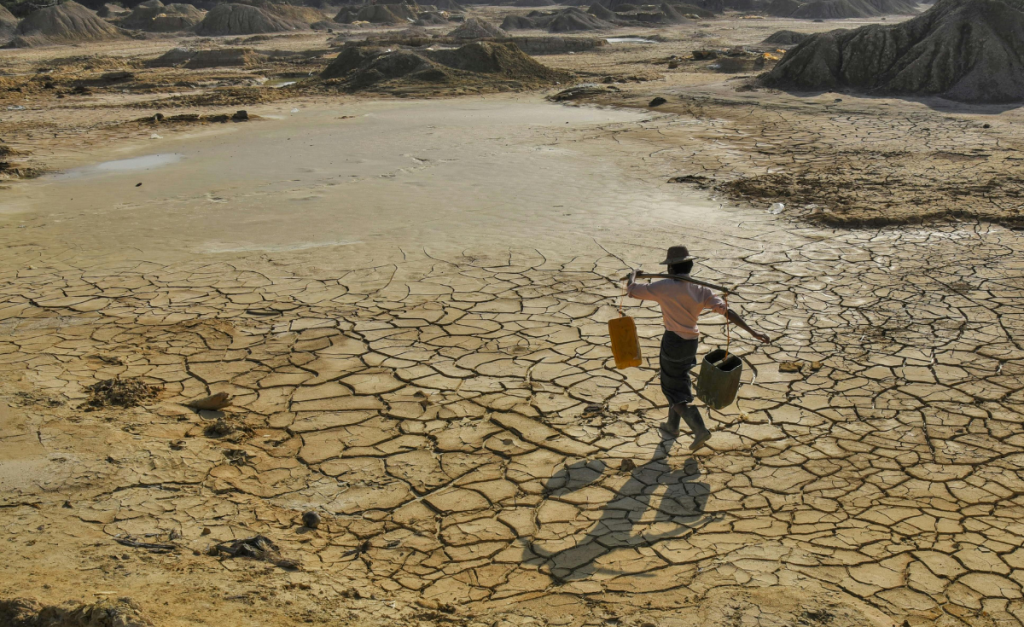
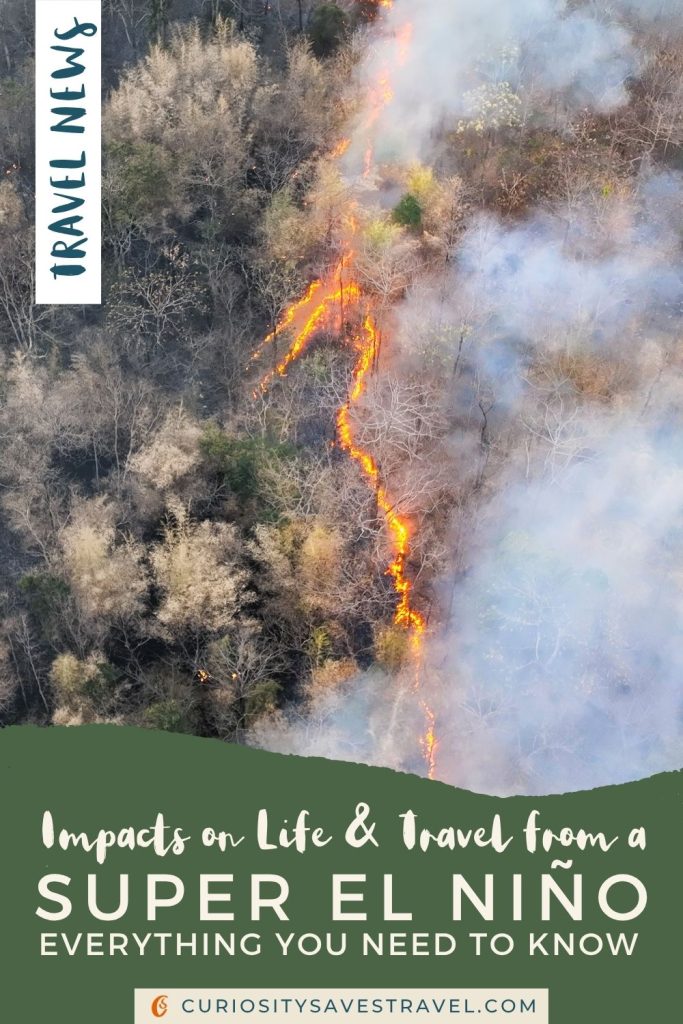
- Prolonged heat waves and delayed monsoon rains in the Western Pacific, India, and Southeast Asia. This can cause drought, famine, and wildfires that can overwhelm electrical grids, deplete water reserves, and worsen air pollution.
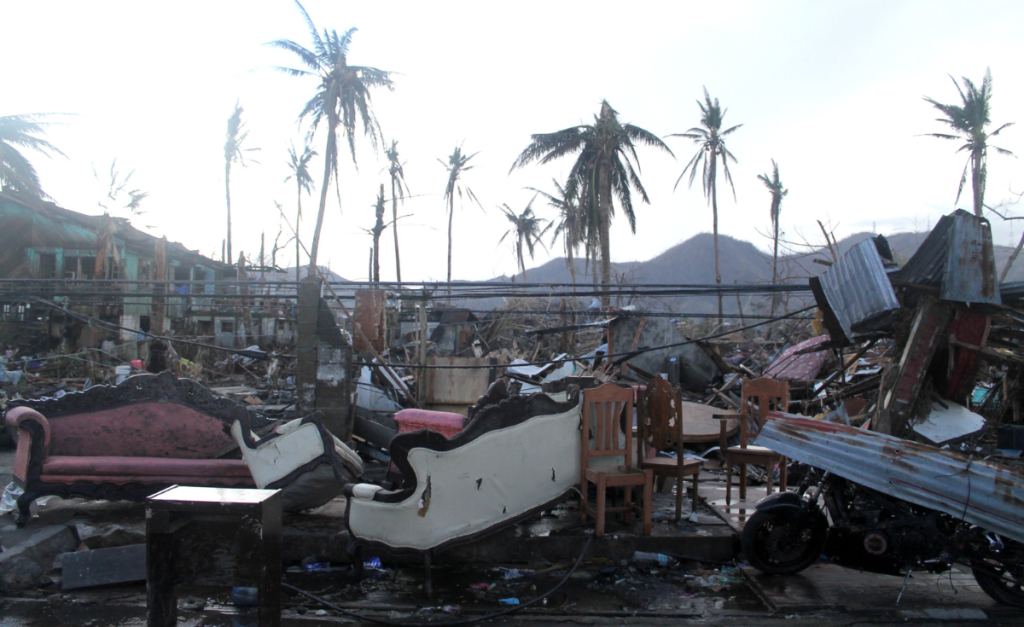
- Eastern Asian countries like Japan and China may experience extreme rain, warmer winters with less snowpack, and severe typhoon storm systems that last longer and make landfall with more intensity.
- El Niño in Australia brings drought and dry, hot conditions. These can cause bushfires and water security concerns, as well as mass die-offs from heat-sensitive animals. The warm water temperatures also contribute to coral reef bleaching and coral die-offs.
What is a Super El Niño?
Super El Niño is a somewhat sensationalized term. Most climate scientists and meteorologists classify ENSO events within a range from “weak”, “moderate”, “strong”, to “very strong.”
To get the ranking of a very strong El Niño, or what most of us call Super El Niño, sea surface temperatures in the Pacific must exceed 2°C for an extended period of time.
“Very Strong” El Niño events are rare. There have been only four recorded in modern history: 1877-78, 1982-83, 1997-98, 2015-16.
When a Super El Niño takes hold, the impacts we typically see in an El Niño year are amplified and linked with some of the most devastating years in modern history.
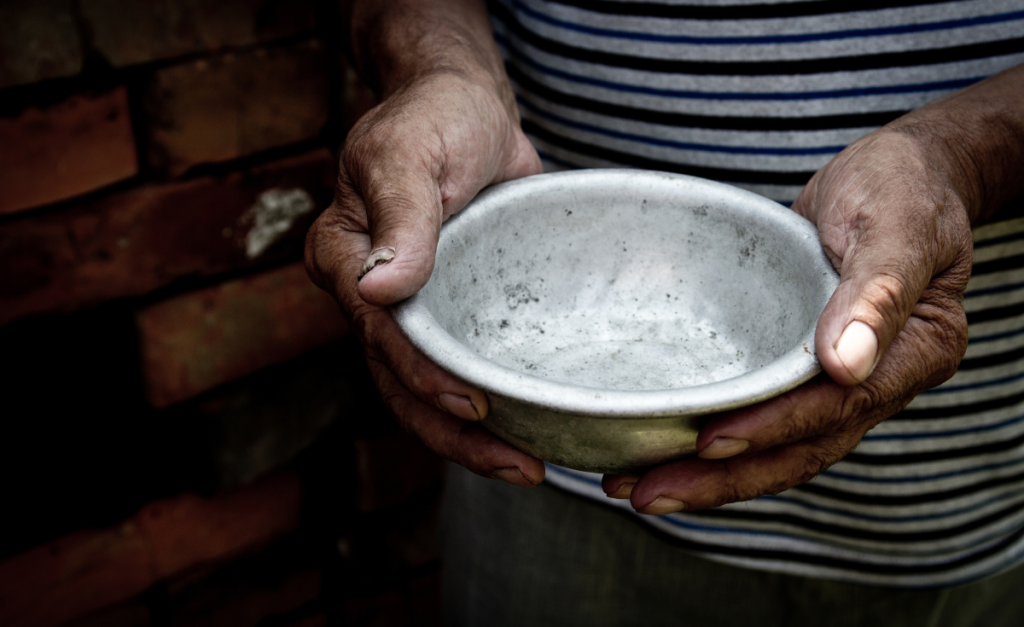
- The 1877 super El Niño led to a global famine that killed 50 million people in some of the world’s most populous regions, including the great Famines of India, Northern China, and Brazil.
- The combined events in the 80s and 90s caused the Galapagos penguin population to collapse, losing 77% of the population in one event and 65% in the other, utterly devastating the colony.
- In 1997, notoriously one of the worst in history, it contributed to a mass coral reef die-off, with an estimated 16% of the world’s reef systems dying.
- 2015 event triggered widespread famines and was one of the worst seasons for tropical cyclones in the Pacific.
Do you notice that from 1877, there was over a 100-year gap until the event in 1982? The rest occurred in the last fifty years.
That is because, as baseline ocean temperatures rise due to human-driven climate change, the barrier for reaching these extreme thermal thresholds is becoming easier to cross.
Another Very Strong El Niño is Building
Experts, such as the UK Met Office, the World Meteorological Organization, NOAA, and China’s National Climate Centre, have all said the current El Niño is set to be one of the strongest in recorded history. As of September 15, NOAA records temperatures 3°C above baseline.
The 2026-27 Super El Niño Event… what lies ahead
As this Very Strong El Niño continues to build, we are in for what is likely to be a doozy for a year. This year’s El Niño started around June, but won’t reach its peak until December or early next year, reshaping weather for the next year+.
The 2026 summer European heat waves and Canada’s forest fires are not directly linked to this year’s building El Niño, but we are seeing some impacts already.
- Water inflow in the Panama Canal has dropped 44% recently, amid a strengthening El Niño and drought. In response to this and in anticipation of worsening conditions, the Panama Canal Authority has restricted vessel draft limits and daily transit slots, disrupting commercial supply chains.
- Heavy rains linked with this year’s El Niño event have contributed to extreme flooding in Peru. The flooding in Lima has already collapsed water and sewage services, with dozens of homes flooded. The Inca Trails have been closed in response to overflowing waterways.
- China’s Typhoon Dolphin was “supercharged” by El Niño, with the changing weather patterns in the Pacific Ocean allowing the storm to build and intensify. Typhoon Dolphin was one of China’s most extreme weather events, lasting 3 times longer than most typhoons, resulting in the evacuation of 1 million people.
- Water levels in small tanks in rural Sri Lanka have dropped to 10% of capacity. The government is desperately trying to stay ahead of the El Niño drought that has delayed monsoons by delivering extra water to 72,000 people.
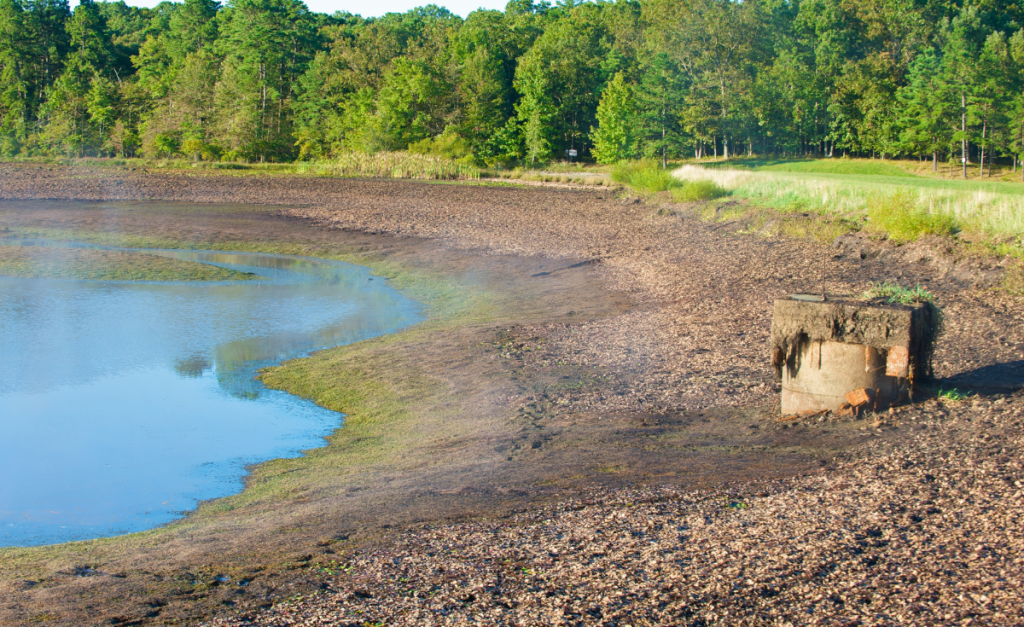
El Niño event is just getting started. It is very likely that 2027 will be one of the hottest, if not the hottest, years on record.
- Indonesia is preparing for a prolonged wildfire season, as dry conditions from El Niño push the monsoon season back, while 80% of Honduras is on drought alert for the upcoming El Niño season.
- China and Japan can expect more extreme typhoon systems, requiring evacuation standby.
- Western Canada can expect drought-like winter conditions decreasing snowpack, which threatens water security and contributes to dry forest fire conditions the following year.
- El Niño is expected to peak at the worst time for the Amazon Rainforest—the end of the dry season, when rivers are low and undergrowth is dry. The Amazon, still reeling from the 2024 Super El Niño, deforestation, and human-driven climate change, is primed for one of the worst wildfire seasons on record.
- Asia is expected to see a particularly bad dengue season, with higher temperatures making mosquito-borne illness worse.
I read through dozens of reports, and they all had similar messages: scientists and climate experts sounding alarms that this year’s El Niño will be unfathomable and truly rock our planet’s ecosystems.
How Might the 2026 / 2027 Super El Niño Event Affect Travel and Tourism?
Now that that is out of the way, how might your upcoming travels be impacted?
Even though the severity of this year’s event is truly challenging to fathom, and no two events are the same, there are common threads from past events and what is currently happening that can help guide predictions.
I should note that all of this information is based on predictions from climate scientists and how governments are preparing. I’ve summarized this in a way that we are likely to see impacts on tourism.
Pacific Northwest and Canada
In Alaska, the US Pacific Northwest, and Canada, El Niño typically delivers milder, drier winters. It is likely to bring variable ski conditions, reduced snowpack, and frequent rain-on-snow events at resorts like Whistler Blackcomb, Mt. Baker, and Alyeska.
The ski season in places like Whistler might leave many wanting for more, but there are still plenty of things to do in BC in winter to enjoy the festive season.
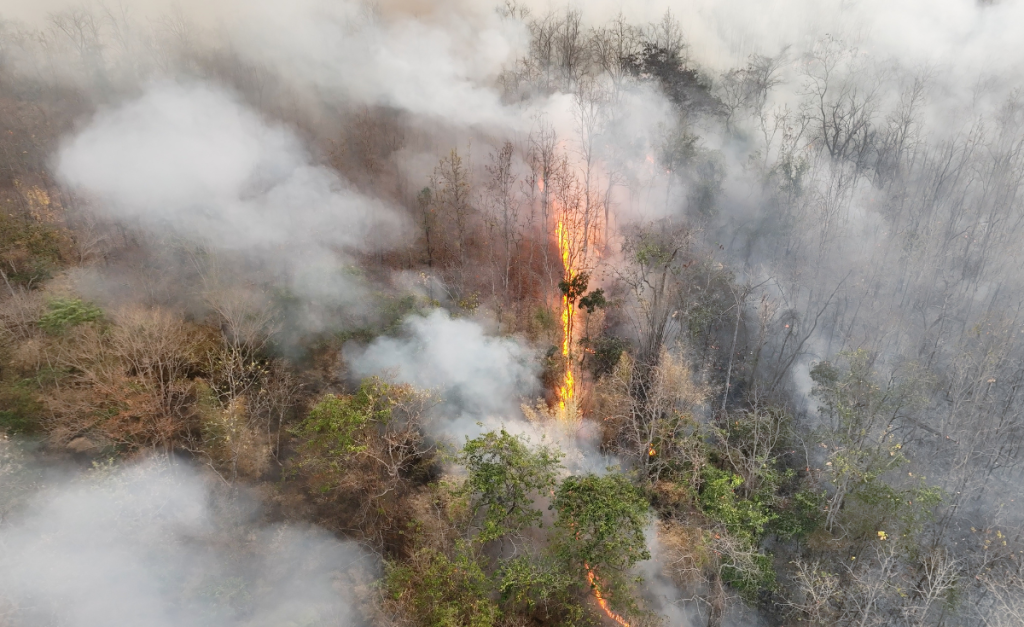
Come summer, prolonged dry spells and low snowpack can increase early-season drought and wildfire risks.
The summer following the 2023 El Niño was when Jasper National Park burned. Much of the park was closed, and some areas remain closed in 2026.
Travellers should be on high alert:
- For poor ski conditions at major ski resorts (Whistler, Baker, etc.)
- Wildfires in Canada + PacNW summer 2027 resulting in evacuations and impacting road trips, hiking, and air quality.
- Drought, resulting in water restrictions across hotels and in local communities
Southern United States, Central and South America
The Southern US and the coastal regions of Peru, Ecuador, and Chile face heightened risks of heavy rain and flash flooding.
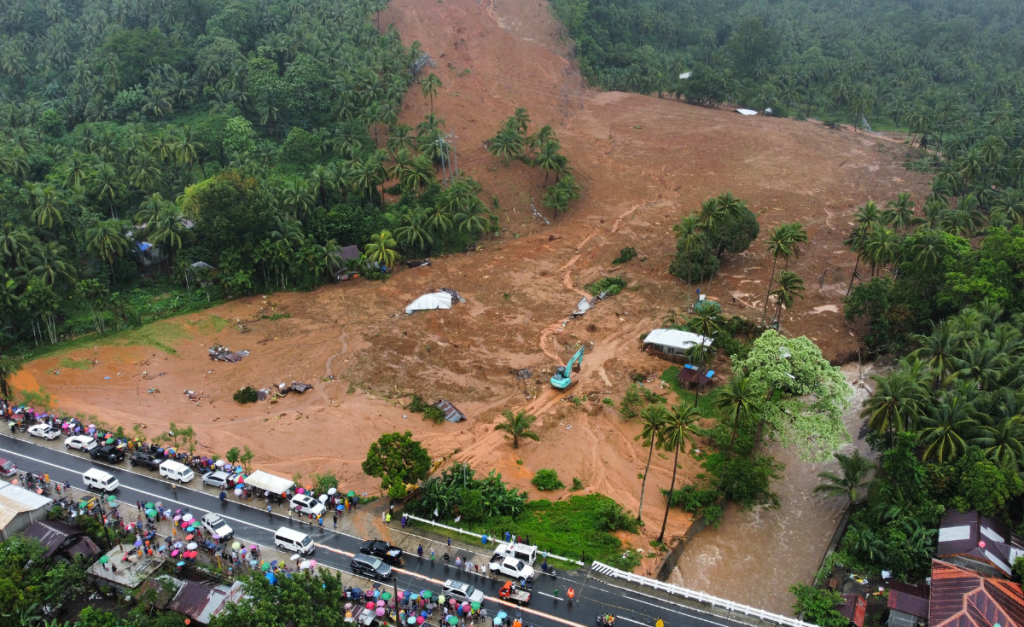
This might mean wet, heavy snowfalls in California and Utah, making for good ski conditions. However, too much snow and precipitation can overwhelm roads and infrastructure. Saturated soils in the Andes can increase landslide risks, potentially interrupting foot and rail access to Machu Picchu or disrupting hiking trails in Zion and the Grand Canyon.
Inland, the Amazon Basin often experiences intense drought, lowering river levels and disrupting boat cruises and nature-based tourism.
In Central America, low water levels continue to strain Panama Canal transit. Major cruise lines like Princess and Norwegian that offer Panama Canal cruises may be affected.
Rising sea surface temperatures threaten fragile marine ecosystems like the Galápagos Islands, where past extreme events caused severe wildlife population declines.
Travellers should be on high alert:
- Torrential rains and flash flooding in popular hiking spots from Zion to the Inca Trail
- Flooding in major cities like Lima
- Washed-out roads and highways, damaged from heavy rains and snow.
- Severe droughts and wildfires impacting Amazonian cruises and nature-based tourism
- Marine heat stress in the Galápagos impacting ecotourism and wildlife experiences.
- Panama Canal cruise restrictions
Asia and Oceania
El Niño is likely to bring drier conditions and elevated ocean temperatures to Australia. Tropical marine environments face severe heat stress, triggering widespread coral bleaching events across Australia’s Great Barrier Reef, as well as the diving hotspots of Indonesia and the Philippines.
On land, drought increases bushfire risks in Australia and delays monsoon rains across India and Sri Lanka, threatening water security for safari lodges and rural destinations.
Travellers to China and Japan may be on high alert for Typhoon evacuations.
Yi Ming, a physical climate scientist and a professor at Boston College, told The Guardian that, along with risks for food and water security and the spread of diseases like Malaria, famed tourist destinations from “Bangkok to Da Nang are bracing for daytime temperatures climbing well past 40 degrees, rendering outdoor attractions, cultural sites, and beaches practically unusable during peak hours.
Travellers should be on high alert:
- Widespread coral bleaching across top diving spots
- Extreme heatwaves forcing closure of cultural sites and disrupting daytime sightseeing.
- Severe typhoon disruptions and evacuations due to tropical storms.
- Damage to Pacific Islands from storms
- Increased risk of mosquito-borne illness
Europe and Africa
Neither Europe nor Africa is directly connected to the Pacific Ocean, but they are not “safe” from El Niño.
In Africa, impacts split by region: Eastern Africa typically sees heavy rainfall and localized flooding that can wash out safari roads, while Southern Africa battles drought and freshwater shortages.
We typically see the “hottest years on record” follow an El Niño event. So, it is likely that in 2027, the summer European season will be another record-breaking scorcher. This can bring wildfires, drought, and unlivable housing conditions. Extreme heat in hubs like Athens, Rome, and Madrid can cause temporary daytime closures at open-air landmarks like the Acropolis and Colosseum.
Travellers should be on high alert:
- Record-breaking summer heat causing daytime landmark closures and drought across Europe
- Record-breaking heat and drought in Northern Africa
- Extreme African weather swings ranging from flooding to severe drought impacting safari experiences.
Food and Water Security in Tourism
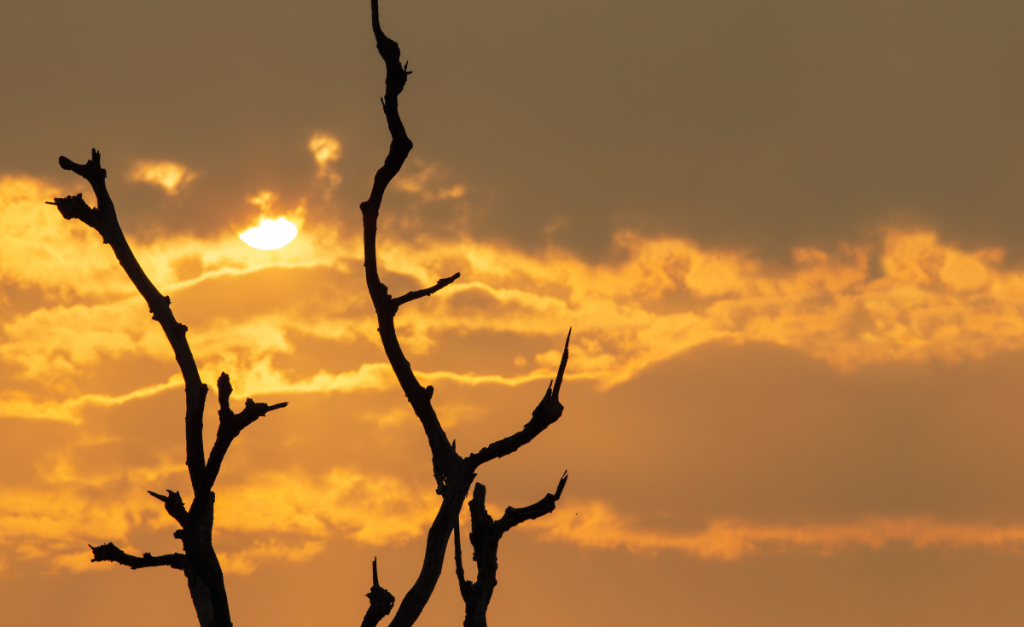
The luxury tourism sector consumes disproportionately high volumes of food and water compared to host communities. A single resort guest can consume up to ten times more water per day than a resident through swimming pools, manicured golf courses, landscaped grounds, and laundry services.
When El Niño-induced droughts exhaust municipal reservoirs and groundwater aquifers, resorts are often the first to take water and rely on expensive water trucking or energy-intensive desalination plants.
Food supply chains face equal strain. Droughts and flash floods destroy regional crop yields and disrupt local fisheries, forcing hotels and restaurants to import fresh produce and seafood at inflated prices.
Travellers should be on high alert:
- Food shortages and increased costs of food
- Water restriction measures at hotels
- Heightened social friction between local communities facing food and water rationing and tourist enclaves consuming scarce resources.
Flight Disruptions and Transportation
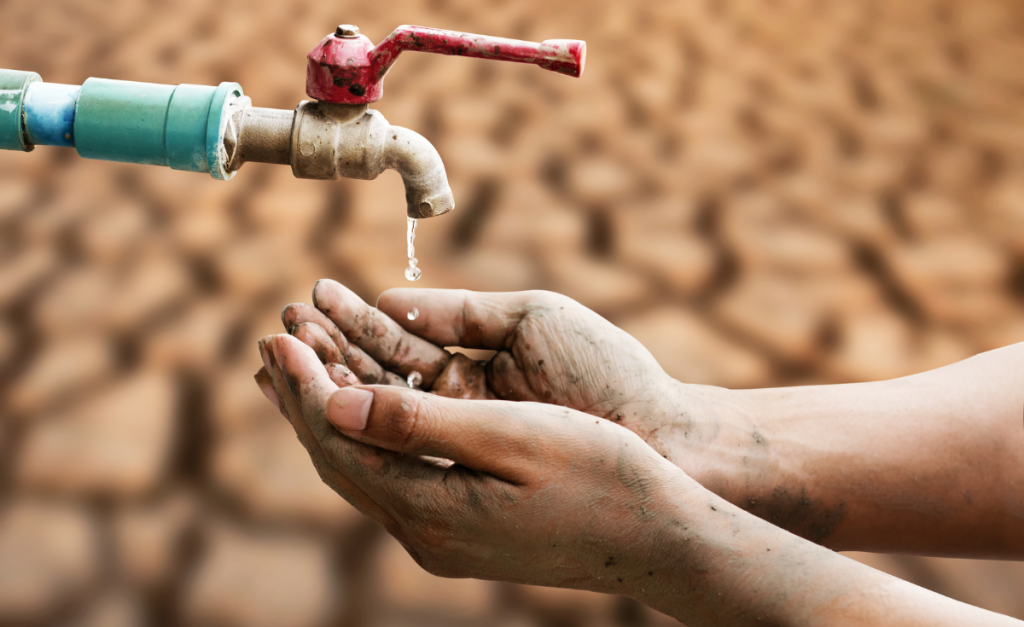
Shifts in global jet streams create stronger, less predictable turbulence along major long-haul flight corridors. High temperatures also create “density altitude” challenges: hot, thin air reduces aircraft wing lift, forcing airlines to offload cargo, reduce passenger loads, or delay departures until cooler evening hours.
On the ground, climate extremes physically damage transport networks. Torrential rains cause landslides that wash out mountain railway tracks and coastal highways, while extreme heat buckles asphalt runways and distorts rail lines, disrupting regional travel networks worldwide.
Travellers should be on high alert:
- Delayed or cancelled flights
- Increased turbulence and heat-related restrictions to flying
- Stay on guard for evacuation notices
- Disruptions to rail and highway networks
- Be ready to pivot and always have a plan B
Reduced Atlantic Hurricane Season
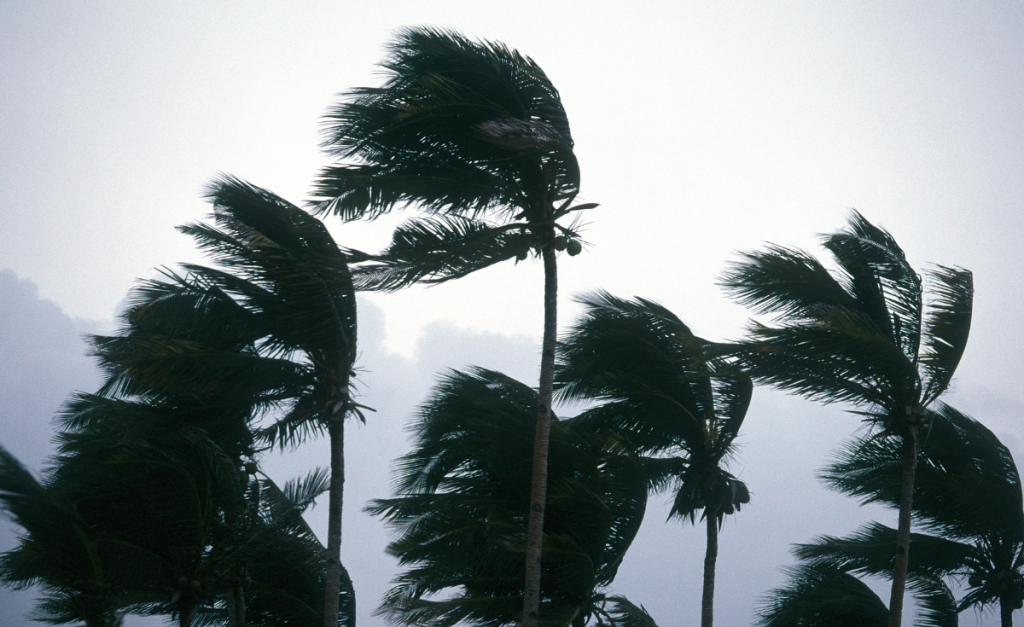
El Niño events tend to weaken the hurricane season in the Atlantic. Yay? Jk, it is still horrible. But if you are planning a trip to Aruba or Puerto Rico, the chances of a category 5 hurricane landing are slightly reduced.
Though hurricanes in the Pacific are likely to rage on, devastating Pacific Islands
Super El Niño and Travel: Reality Check
It feels almost trivial to follow all of that up with travel talk. As the world prepares for one of the greatest climate disruptions of our time, why should we focus on tourism?
The Privilege of Travel; The Privilege of Leaving
As a travel site, our goal is to explore how El Niño will impact global journeys—but the broader reality is that climate disruptions hit the most vulnerable communities first and hardest. While I share these insights to help travellers understand climate patterns and encourage responsible action, we must remember that travel is a privilege.
A cancelled flight, a flooded hiking trail, or a closed cultural site is an inconvenience for a visitor with the financial security to pivot, rebook, or return home. We have the privilege of booking a hotel without second-guessing water access, even as local host communities face severe drought.
For vulnerable regions, the impacts of an extreme El Niño are far more severe. The same torrential rains that wash out access roads to famous sites destroy local homes, ruin subsistence crops, and contaminate drinking water. The same droughts that force luxury resorts to truck in freshwater drain agricultural reservoirs and collapse local livelihoods.
Visiting destinations with empathy means recognizing that the weather disruptions affecting our itineraries often cause profound crises for the people who call those places home.
The Risks of Travelling in an Age of Climate Disasters
But there is also a dark reality: these natural disasters threaten the very lives of tourists. While many of us can pivot or book a flight home, there are very real situations, like the event in Nepal, where hundreds of tourists died alongside residents.
Travelling responsibly means both respecting and protecting the places we visit, but also keeping ourselves safe.
The Link Between Travel and Climate Change
There is no denying that travel and tourism can contribute to ongoing climate change that makes El Niño events worse. With high emissions from the airline, cruise, and transportation industries, and excessive food waste releasing methane from hotels and cruises, travel can add a lot of GHGs to the environment.
Hotel development and tourism infrastructure result in habitat loss, and much of what we spend stays in the pockets of exploitative and extractive conglomerates.
But, on the flip side, responsible community-led tourism can be one of the most powerful sectors for conservation incentivization and funding. It can help communities deliver on all Sustainable Development Goals and heal from El Niño events.
As extreme events like El Niño become more common, we need to be aware of how travel can add to the problem, and ensure we are leveraging the industry to be part of solutions.
Travel Can Help Palaces Heal, or Take Valuable Resources
Tourism, as a multi-trillion-dollar industry, is a massive economic driver. Entire communities rely on it. When done thoughtfully, travel connects people, funds conservation, and advances sustainable development goals.
Some communities will welcome tourism after a natural disaster; others need more time. However, while climate disruptions exacerbate the economic losses caused by El Niño, visiting at the wrong time can actively hinder recovery efforts, while visiting at the right time can help recovery.
We discuss these issues so we can travel with greater empathy, awareness, and sensitivity. El Niño will affect all of us—from food and water security to extreme heat and flooding across continents. But as we navigate these global shifts, this remains a vital reminder: those of us with the privilege to travel will still be the least affected.
So, What’s a Traveller to Do?
Many travellers will continue to travel as planned, either blissfully unaware of the looming threats of El Niño. Others, aware, will still take that dream trip.
While I certainly don’t think El Niño is a reason not to travel in 2026/2027, I am asking that you do so as a more informed traveller.
Don’t be caught off guard heading to a foreign-owned all-inclusive resort while the local community grapples with famine. Here are a few things to ensure you’re informed and aware, prepared, safe, and mindful.
1. Understand What Is Happening
The first step is to be aware that there is a strong El Niño event happening. Research what that means for the place you are visiting currently, and what it might mean in the coming months. Do your best to plan, prepare, and understand what is happening to the local community.
2. Prioritize Booking Flexibility
Choose refundable accommodations, flexible airline tickets, and comprehensive travel insurance policies that cover weather-related disruptions and natural disasters.
3. Respect Local Resource Constraints
When visiting drought-prone islands or regions facing municipal water rationing, actively reduce water consumption, skip the all-inclusive water-hogging resort, and support eco-conscious operators.
Travelling during a climate crisis can take valuable resources away from a community when they need those resources the most. Not only should you reduce your consumption, but you also shouldn’t travel immediately at a time when a community needs food, water, and shelter in the aftermath of a crisis.
4. Heed Local Warnings, Authorities, and Safety Precautions
Check all government websites, embassy guidelines, and weather warnings. Take heed and respond accordingly to weather advisories, evacuation notices, and government-issued safety notices.
5. Shift Seasonal Timing
Consider travelling during shoulder seasons to avoid extreme mid-summer heat in Europe, drought in desert regions, as well as peak storm seasons in tropical zones.
6. Support Local Climate Resilience
Direct travel spending toward local businesses, community-led tour operators, and conservation initiatives that invest directly in climate adaptation and regional infrastructure. Donate 1% of total trip costs to a local climate organization.
7. Think Critically
After your research, think critically about all your actions. If it’s best to skip a destination, delay, or sit out, be responsible and make the right choice. If another place needs a little help from tourism, then maybe consider keeping your trip and going.
There is no black-and-white, right or wrong choice. But listen to locals and be responsive. Tourism can help communities recover from natural disasters or take away valuable resources during a critical time.
8. Create Mindful Content
We all know someone who has created content of them sipping a margarita safely in a resort while a hurricane batters a local island, without any acknowledgement of how the hurricane impacts the local community. Don’t be that person.
While it is ok to acknowledge that extreme weather events affect all of us, even you—the traveller— how we talk about disruptions matters. It is ok to share content about an extreme event if you are caught in one, but share how this impacts the local community long after you finish your margarita.
Be sensitive and mindful. You can talk about your experience in a way that recognizes the bigger issues at play.
9. Decenter Yourself
In that vein, remember that at the end of the day you are likely able to return home eventually; you may get insurance to cover unexpected trip disruptions. Residents can’t just pick up and leave; they are the ones dealing with lingering water shortages, droughts, and famine.
10. Understand the Risk
Real travellers have been caught up in catastrophic climate events, from the glacial outburst in Nepal to the trail closures in Machu Picchu. El Niño years elevate the risk. Again, I am not here to fear-monger, but to help you understand there is risk. Your trip may get delayed; you may get injured.
Have a safety plan, inform your government where you are travelling and when, book travel insurance, and stay in touch with loved ones back home.
11. Reduce Emissions & Take Climate Action
When you do decide it is safe to travel, skip the short-haul flight, travel somewhere by train, swap the motorboat for a kayak, and try local plant-based foods. Take action at home! Speak up, speak out, and make meaningful change today.
Comment and Share the News
Make sure to talk about the upcoming Super El Niño, so more travellers are aware of what is happening. This isn’t a call to stay home and never leave your house for the next year, but it is an urgent call to action. It is a call to rethink your upcoming travels, considering them through a critical lens. Or at the very least, shift your plans, if needed, based on what is happening around us.
The first step to being more responsible travellers is being aware of global issues like El Niño and how our actions can exacerbate or alleviate disasters. Travellers hold immense power and privilege; every choice we make about when, where, and how we travel has a greater impact than we give ourselves credit for.
The magnitude of the Super El Niño looming before us, which is already devastating rural communities and impacting tourism infrastructure, can not be ignored.
Are you heading to a region that is grappling with the effects of El Niño?
Curiosity Saves Travel Recommends
Accommodation: Booking.com to find accommodation with a Genius Discount and clear third-party sustainable certifications like Green Key. Look for local hotels.
Tours and Excursions: GetYourGuide and Viator for tours, excursions, and tickets. Never book wildlife experiences through these vendors.
Travel: Omio for booking buses and trains in English across Europe. After reducing the number of flights I take annually, I use Google Flights’ carbon comparison tool.
Car Rental: Rentalcars for the best rates in English globally. It is easy to find hybrids and EVs, and there are resources for finding chargers.
Packing Essentials: REI or your local Co-op has great essentials like reusable water bottles and cutlery sets. Patagonia for regenerative clothing. Farm to Feet for socks made with regenerative practices! Pistil Designs for cold-weather essentials. Osprey for bags that last 10+ years, like the day bag for hiking or my favorite carry-on.
eSIM: Airalo eSIM. Reduces waste from single-use SIMs. A total game-changer.
For Bloggers and Content Creators
Earn Ad Revenue with Journey by Mediavine
Earn with Stay22 Travel Partnership (my biggest source of income!)
Earn with TravelPayouts recommending tours and activities.