Celebrate Earth Day with Earth Day Events 2026
I may earn income from affiliate links or partnerships in this post. I spend time to curate tours or products that align with my values. Thanks for supporting my work, at no additional cost to you. All words and images on this website are created by real people.
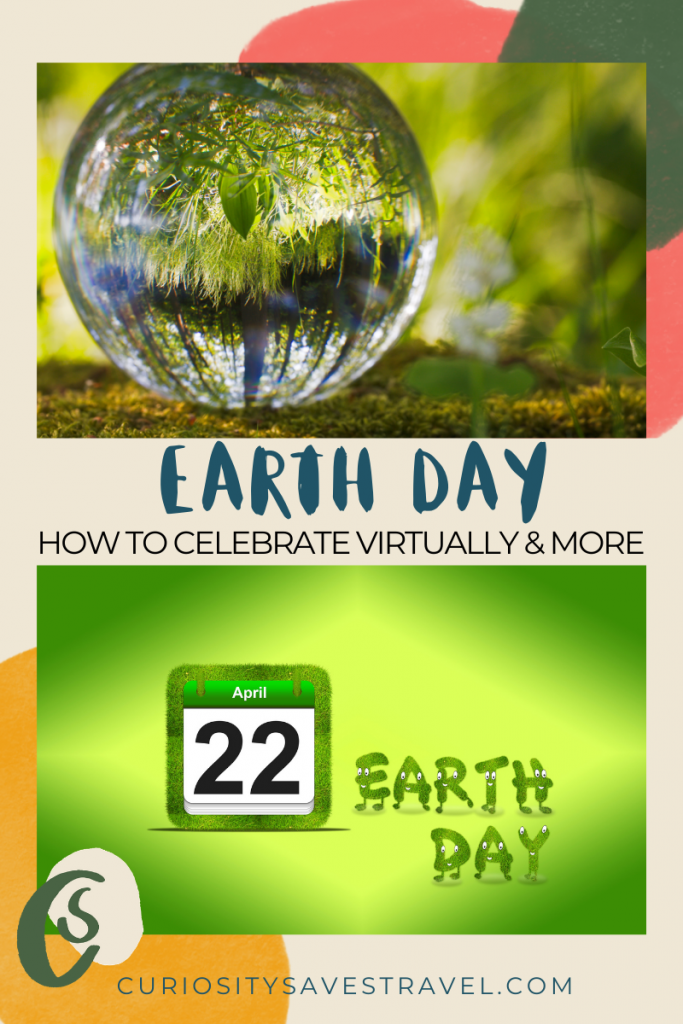
Are you curious about celebrating Earth Day or finding Earth Day events near you? Earth Day is significant for many of us on our sustainability journeys. Global events honoring Earth Day highlight crucial causes, eco-friendly actions we can take, educational resources, and in-person group activities, motivating us to honor Mother Earth.
I like to think of Earth Day as a reason to celebrate what makes our planet so incredible, including its rich cultural and biological diversity, while calling our attention to some of the more concerning challenges we face. We can use Earth Day to realign our intentions, but there’s no reason we can’t enjoy the day with some festivities!

This post is designed to help you get into the spirit and celebrate in a sustainable and action-driven way! I update this article every year to center our celebrations and awareness on the year’s theme!
Our planet is beautiful and giving. Every day of the year, we should bring attention to the causes that protect her, make behavioral changes, and advocate for her. Every day, we should honor the stunning landscapes and the colorful plants and animals found only on Earth. But, for at least one day, we come together worldwide to learn about Earth, honor our planet, find new ways to make daily changes to be more sustainable, make our voices heard, and celebrate Earth’s beauty.
Happy Earth Day, Everyone! Here are some of the best ways to celebrate!
When is Earth Day 2026?
Earth Day is held every year on April 22. This year, it falls on Wednesday, April 22, 2026. The week of April 22nd is Earth Week, with many festivities and events over five to seven glorious days.
Of course, the party doesn’t stop there, for all of April is Earth Month. While most of the action is during Earth Day and Earth Week, Earth Month has lots happening.
What is Earth Day?
EarthDay.org is an official organization with a global movement aiming to diversify, educate, and activate the environmental movement.
Many other groups, partners, and communities recognize Earth Day by hosting protests, citywide cleanups, educational livestreams, events, and more!
Since I wrote this post in 2020 (I updated it every year), Earth Day celebrations have looked slightly different. Many events moved online and stayed online, but there are still many chances to get outside and connect with your community and nature.
This post primarily focuses on ways to celebrate Earth Day, consciously learn about specific issues, and consider incorporating changes in your daily life. Whether you are looking for a virtual or in-person protest, online lectures, event streams, ways to connect with nature, or virtual tours, I’ve got you covered with all the best ways to celebrate Earth Day. Gear up for days of online activities and events!
History of Earth Day – 56th Anniversary
It has been 56 years since the first Earth Day on April 22, 1970. Over half a century later, we continue fighting for a better planet, which is even more critical today.
Bill Anders of the Apollo 8 crew took the famous Earth Rising photo in 1968. This photo put into perspective the magnitude of our planet and the beauty of the blues and greens rising over the moon. Some have called Earth Rising the most famous photograph of all time, sparking the beginning of the modern, Western environmental movement.
Then, 57 years ago in 1969, an oil spill ravaged Santa Barbara, California. Senator Gaylor Nelson, outraged, knew it was time to create a movement to stop events like this from happening. He looked to the fire and passion of student anti-war protesters and knew this would be the foundation of the movement.
This movement grew over the years, led by students on college campuses across North America, and became Earth Day. April 22 was the ideal day when student participation would be the greatest in the spring. Nelson and a few others started teach-ins on college campuses to bring education to environmental issues surrounding the Earth.
Earth Day quickly caught on, bringing activists across numerous sectors, including wildlife, oceans, climate, and energy, together for the first time to fight for a common cause. Today, this is the beauty of Earth Day; it brings individuals fighting for one plant or one animal or protesting against one power plant to come together as one loud voice to create a catalyst for change.
Today, 192 countries are part of Earth Day in some capacity, and over 1 billion people celebrate.
Earth Day 2026 Theme – Our Power, Our Planet
The theme for 2026 is once again Our Power. Our Planet. If this theme sounds familiar to you, yes, it is the same as last year, 2025. But this year, we are adding a new focus.
This year takes on an additional meaning. 2026 is about literal power (accelerating the renewable energy transition) and our collective power (agency and advocacy).
The two-year focus is on sustained group action, despite global political uncertainty threatening to undermine progress.
This year calls not only for a just and equitable energy transition, but also for collective action and communities to support:
- clean air
- clean water
- clean energy
- protect natural resources and biodiversity
- climate stability
Every reputable scientist recognizes fossil fuels as the most significant source of anthropogenic climate change. Reducing our reliance on fossil fuels is challenging, considering the aggressive lobbying and influence of the oil and gas industry, which makes our reliance on the sector intangible in daily life.
But there is a better way—fair, just, equitable, and Indigenous-led/supported transitions to renewable energy. The future is renewable.
This Earth Day, we are committing to:
- Triple renewable generation by 2030. The first thing anyone should do on Earth Day is learn about the theme.
- Empower global communities with clean, affordable, renewable energy, focusing on equity and transition to a green economy.
- Shift to renewable energy to combat climate change and protect biodiversity and human health.
The benefits of going renewable
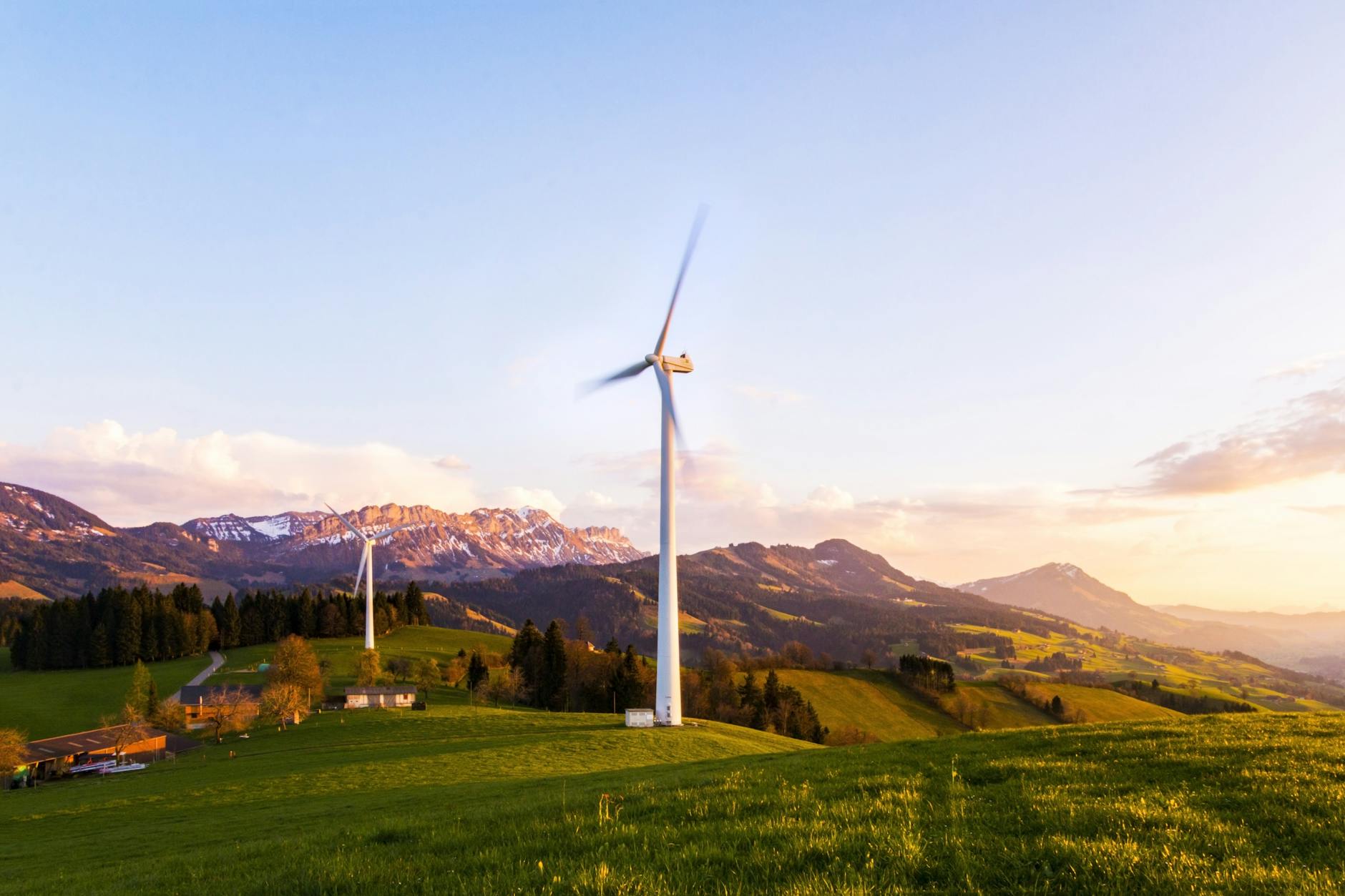
The clean energy transition will address air pollution, provide us with cleaner water, protect our natural resources, and offer climate stability.
Economic
- Renewable energy is cheaper than ever! In just 10 years, the total cost of solar panels has dropped by 93%, making them the most affordable form of electricity.
- In 2022, 263,883 people worked in solar energy in the United States. It is estimated that 14 million new jobs will be created in renewable energy.
- In 2023, renewable energy worldwide was worth $1.21 trillion and is projected to grow.
Health
- The World Health Organization estimates that 7 million people die every year from air pollution. Renewable energy can help us reduce pollution, alleviate asthma, and reduce disease, heart attacks, and strokes.
- Health care is more affordable as renewables can help us reduce pollution, increase water quality, and more!
- We will have fewer oil spills that pollute waterways.
Ecological Benefits
- Climate change driven by fossil fuels is one of the most significant drivers of biodiversity loss. More renewables is a chance for more diversity.
- Oil spills and gas leaks harm wildlife.
The UN has an excellent resource on renewable energy.
The energy sector produces 75% of all greenhouse gasses. Oil and gas companies like Chevron and Exxon Mobil comprise all the top 20 climate polluters.
As we transition, we must recognize that Indigenous stewardship and equitable solutions are essential to a just renewable future.
Actions to Support the Renewable Shift
As much as I would love to say, “Wake up and stop using oil and gas,” most of us rely on them for essential things like heating our homes, getting to work, or cooking our food.
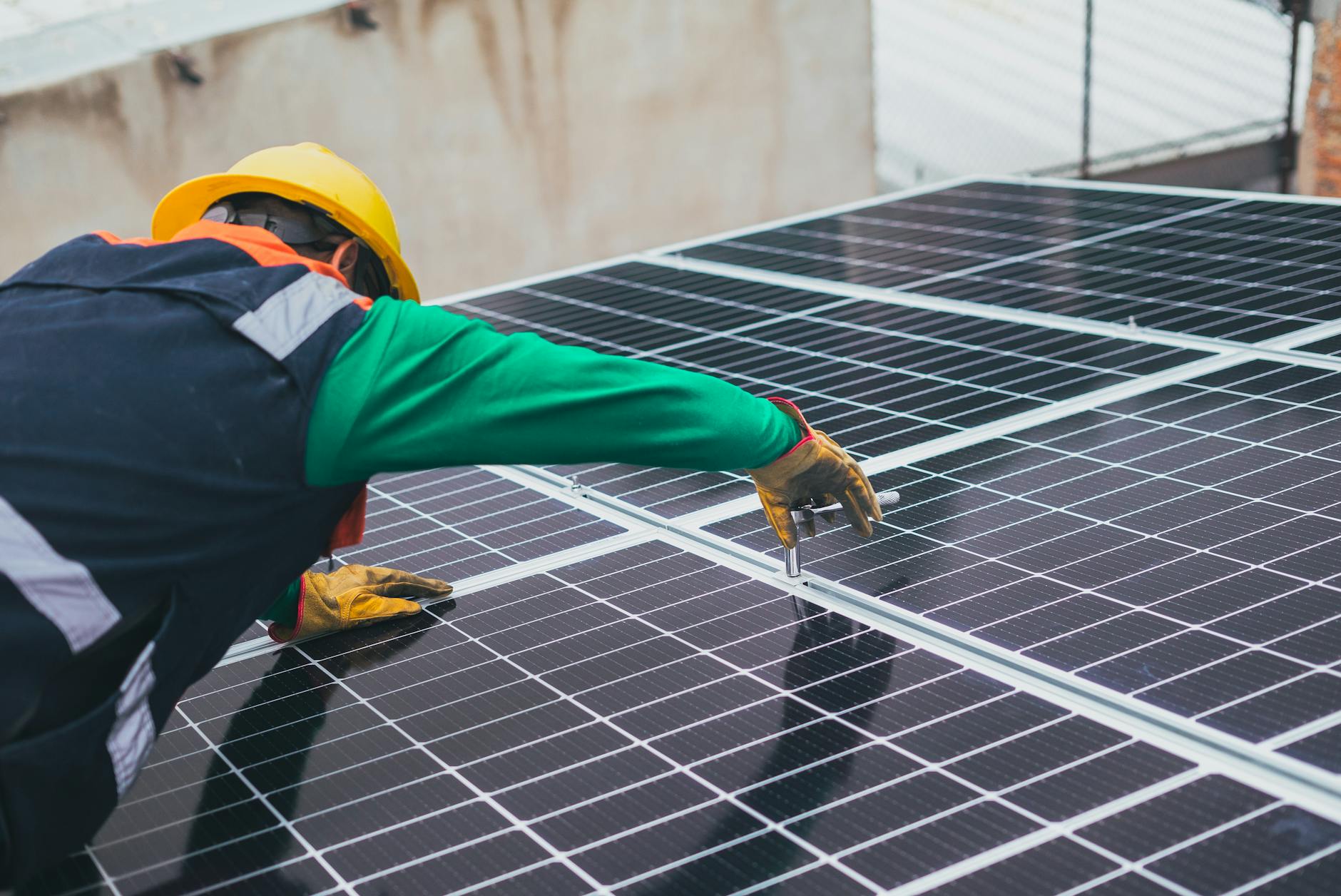
Many lack access to renewable-powered public transportation or renewables to heat our homes and water. Of course, if the option is to move to a heat pump, install solar on your roof, or invest in an EV in a place like BC, where most of the energy is hydro, making those swaps is a significant change.
Challenge yourself to use as little heat, energy, and electricity as possible to get through your day.
For those who are unable, there is power in the people and the voices of the people. The most meaningful changes you can make today are:
- Speaking up for renewables – vote, attend town halls, and fill out surveys telling city planners and policy-makers you want renewables!
- Discuss renewable energy with your friends and family, including reasons it might appeal to them. Do they care about jobs and the economy, or maybe more about wildlife or public health?
- Boycott other oil and gas products like plastics, synthetic clothing, etc.
How to Celebrate Earth Day
Now comes the fun part! It’s time to celebrate. I will focus on Earth Day-specific events or activities rather than lifestyle changes you should make daily, as I think plenty of those are circulating.
I’ll start with ways to get in the mood for Earth Day, such as climate change music and podcasts. Then, I’ll get to the core of Earth Day with specific events for Earth Day 2025, and I’ll finish with additional actions you can take to honor the Earth after the global event has ended.
Get in the Mood for Earth Day
Listen to Climate-Themed Music
If you’re like me, then the simple act of listening to music can invoke strong feelings. Harness this power to inspire you to take action and make changes.
The Climate Music Project is a powerful source of climate change music. This project identified four key indicators of climate change, such as CO2 and temperature, and assigned them a musical analog.
The results are sorrowful and powerful pieces of music that may bring a tear to your eye. Perhaps, riding on those emotions, you’ll wake up ready to change the world the following day.
One of the most unique songs in the series is called “Icarus in Flight”, which focuses on human drivers of climate change; the results are intense and erratic and make you cringe at humans’ role in this climate crisis.
Miracle by OceanLab is my all-time favorite climate change song. When this song came out in 2008, it was a pivotal moment for me and my environmental activism. Take some time to listen to the lyrics. You’re missing out if you haven’t heard the entire OceanLab album Sirens of the Sea, but I digress.
It’s too easy to turn a blind eye to the light
It’s too easy to bow your head and pray
There are some times when you should try to find your voice
This is one voice that you must find today
Are you hoping for a miracle
As the ice caps melt away?
No use hoping for a miracle
There’s a price we’ll have to pay
For other ideas, type Climate Change into Spotify for a collection of climate change songs and artists, such as the Climate Change Jazz Fighters (coolest name for a band? I think so!). Their song names are things like Fridays for the Future.
Earth Rise Studio has a nature playlist that features actual nature sounds. Streaming the tracks on this playlist helps support conservation efforts for species and ecosystems worldwide!
Listen to Podcasts
If you are more of a podcast person, here are some suggestions for learning about climate and sustainability. There are dozens of great podcasts about climate change and planet Earth. I highly recommend:
- Intersectional Environmentalist’s podcast called Dismantled.
- How to Save A Planet
- Sustainable-ish
- Costing the Earth
- CBC What on Earth
- Climate Change for Beginners
- Climate Change Weekly
- A Sustainable Mind
I’ve also been featured on several podcasts about the natural environment and tourism. Regenerative tourism is fundamental to climate solutions in tourism. Find out what it is here.
Tourism can also have pretty significant impacts on biodiversity. Find out if they are friends or foes.
Check out Bustle’s round-up for more great podcasts.
Watch Documentaries
Waterbear Network is a new platform that you can sign up for free. Its ethos is about educational documentaries and films that connect us, the viewer, to a diverse Earth to drive change, a deeper understanding of global climate concerns, and how different people and cultures connect to nature. This should be your 2026 go-to for meaningful content consumption.
One of my favorite things about getting Disney+ was their great environmental documentaries!
This year, they are bringing back our HOMR campaign collaboration between NatGeo and Disney+. Expect many global premieres during Earth Week in 2026.
- Secrets of Whales
- Orangutan by Josh Gad
- Secrets of Bees
and much more!
Netflix has Chasing Ice and Chasing Coral. Vimeo has the entire version of Ocean Mystery, The Missing Catch. PBS has Fierce Green Fire, which covers the history and power behind the environmental movement—perfect for Earth Day.
Read Dystopian Novels
Some people call me a pessimist; I call myself an aspiring dystopian novelist. My husband prefers to see the positive things we can have if we save our planet, but some sick part of me loves reading about all the horrific ways we can fuck up if we don’t take action.
So, if you’re like me, downloading some good dystopian novels might be the perfect way to get you in the mood. Is there something wrong with me? Probably. But here are a few ideas to get you started.
What are you doing with your life if you haven’t read Margaret Atwood’s Oryx and Crake trilogy? I just finished Trail of Lightning and Storm of Locusts by Rebecca Roanhorse, which provides a view of Indigenous revival after the U.S. experiences a massive flood.
The Carbon Diaries by Saci Lloyd talks about carbon rationing in extreme climate conditions. Calde by James Bradley follows several generations of one family as climate change worsens with time. Memory of Water by Emmi Itäranta details water crimes and shortages that will change how you view provisional ecosystem services.
Finally, Termination Shock by Neal Stephenson takes place in the future when climate change has all but destroyed us; it follows a geoengineering attempt to solve this crisis. The Water Knife by Paolo Bacigalupi follows the thrilling story of when the Colorado River dries up and chaos descends.
Read Educational Climate Books
If fictional dystopian novels aren’t your thing, try some educational climate action books to get you fired up and ready to take action.
Humanity’s Moment by climate scientist Joëlle Gergis offers a digestible breakdown of the IPCC report, with many glimmers of hope.
Fresh Banana Leaves by Jessica Hernandez highlights Indigenous perspectives on conservation and ecotourism on Indigenous Lands. Braiding Sweetgrass by Robin Wall Kimmerer is an excellent read combining Indigneous knowledge and scientific research about plants in an approachable read.
Saving Us: A Climate Scientist’s Case for Hope and Healing in a Divided World by Katharine Hayhoe offers an uplifting message on coming together. Another favorite of mine is Field Notes From a Catastrophe by Elizabeth Kolbert. It is an eye-opening, grim read, but a significant one.
Learn the Story of Earthrise
Learn the story behind the Earth Rising photo that started it all.
Follow Activists on Social Media
We all know Greta Thunberg, who, quite honestly, has been thrown under the bus since she started linking oil and gas with the climate movement. But, for some other inspirations:
- Vanessa Nakate, AKA the black woman cut from a Photo of white activists, always has inspiring messages on social media. She is gone from Insta? Anyone know what happened to her?
- Xiye Bastida, a Chilean Mexican Indigenous activist and organizer of Fridays for the Future.
- Isra Hirsi is the daughter of Congresswoman Ilhan Omar and is fired up about climate change.
- Intersectional Environmentalists work to decolonize environmentalism for an inclusive approach to climate justice.
- Pattiegonia is a drag queen who combines thrifty drag with environmental work.
- Indigenous activist Quannah Chasinghorse is special in my heart because she is fighting for my home state, Alaska, and protecting ANWAR.
I also want to thank Jackie Qataliña Schaeffer from Qikiqtuģruk, Alaska. She role-models behavior and uses Indigenous knowledge to fight for Alaska.
Brush up on the UN Sustainable Development Goals
The UN’s Sustainable Development Goals are 17 goals that aim to usher in global sustainability. They focus on women’s rights, eradicating poverty, creating clean energy, stabilizing food sources, and more.
Many sustainable movements focus on the environment and reducing plastic waste, which leaves out some significant factors, such as poverty and equality. Familiarizing yourself with these 17 goals will help you fight for change in a way that considers other aspects critical to sustainability.
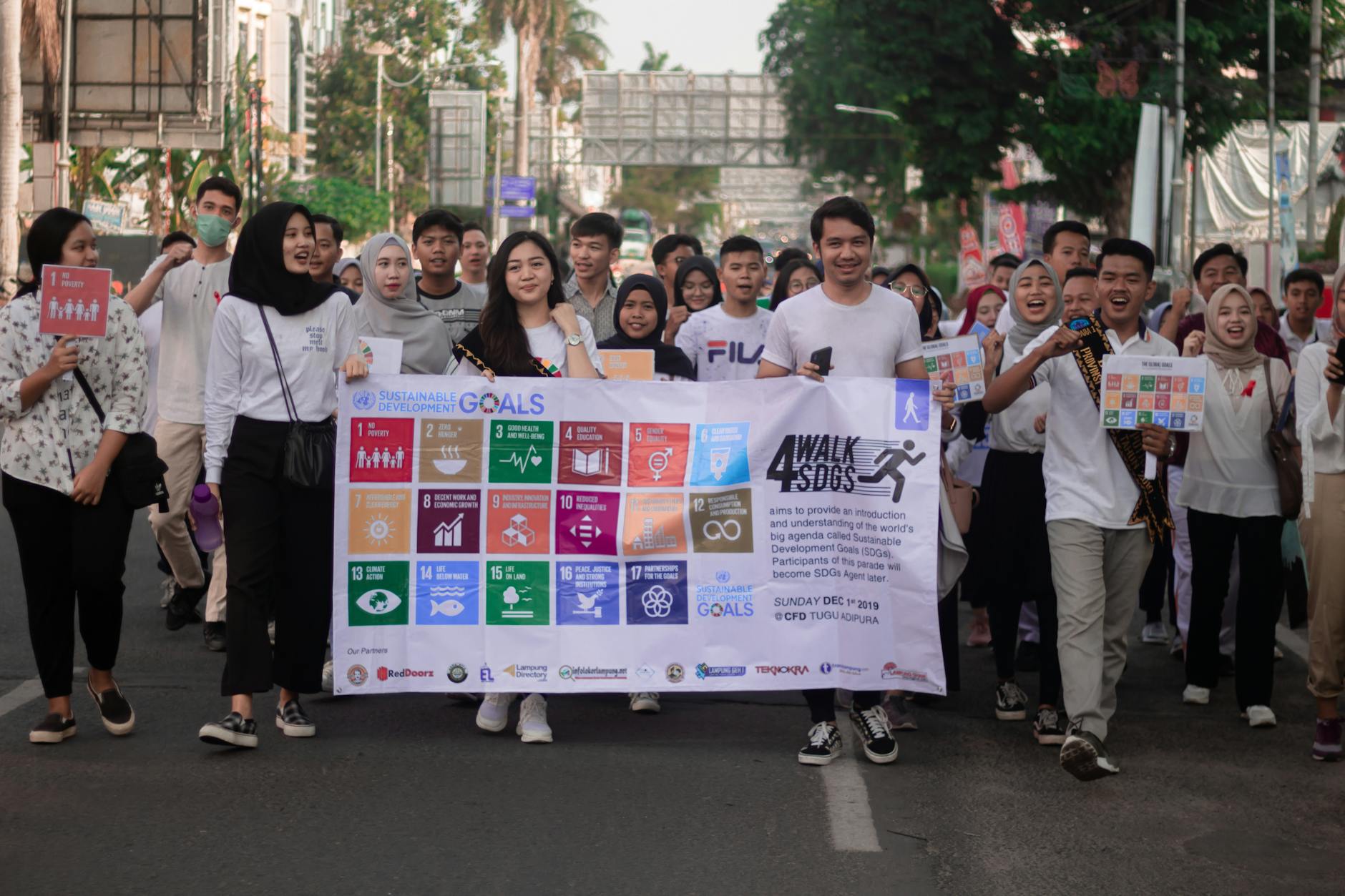
I challenge you to consider these goals in your business, home, work, and life.
Learn About the 2030 Biodiversity Goals.
Biodiversity loss and extinction rates are increasing rapidly. While many people and conservation efforts focus on climate issues or big poster species, countless small and “ugly” species go unnoticed.
The Aichi Biodiversity Targets were strategic goals that were supposed to have been met by 2020, over the last decade, called “The Decade of Biodiversity,” which started in 2011. It is not surprising that most of these goals haven’t been met or even come close to being reached. So, take some time to learn about these goals to help preserve our world’s biodiversity.
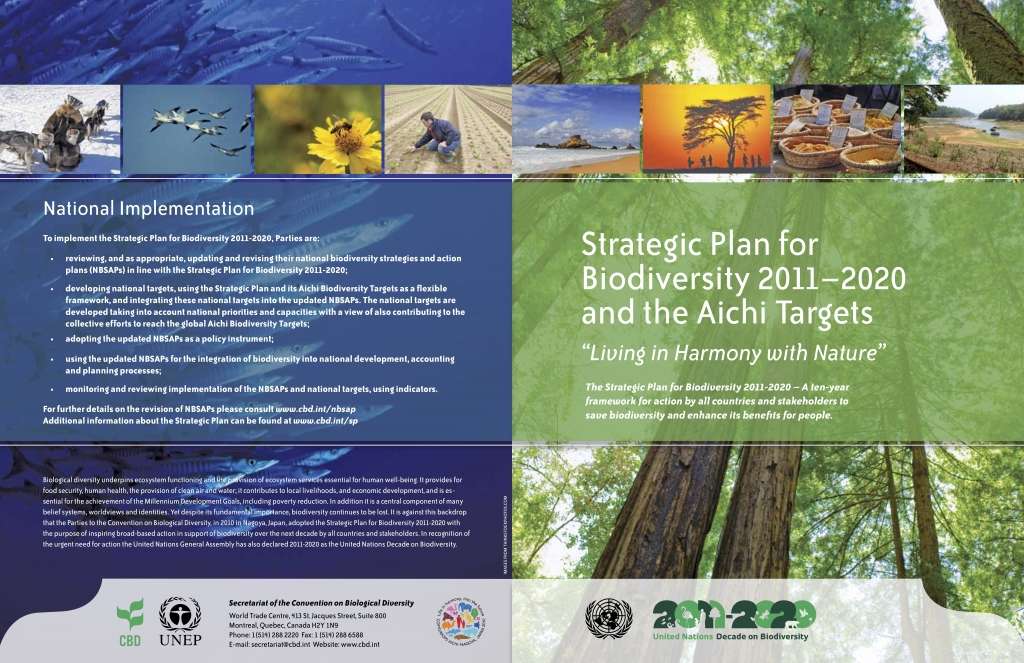
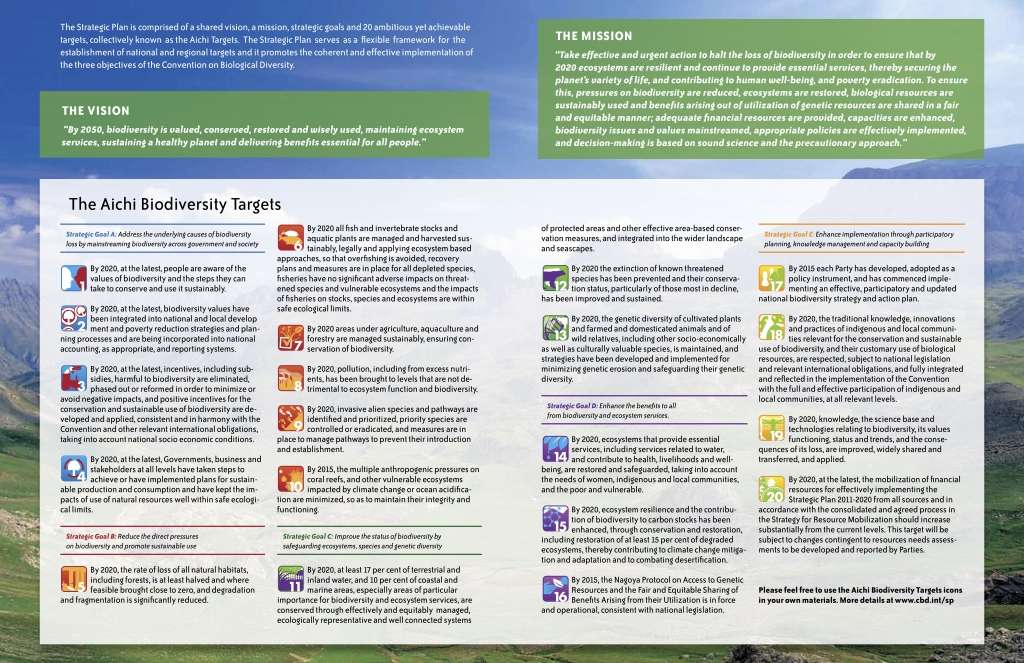
A renewed set of goals has been agreed upon. Take time to familiarize yourself with these goals and the importance of biodiversity.
Discover a Threatened Species in Your Region
In line with these goals, take the time to learn about one plant and one animal species in your home city, state, country, or region that may be endangered or threatened. Check out the IUCN’s list of threatened species. Challenge yourself to pick those you aren’t familiar with to increase your knowledge.
Once you’ve found your species, go to Google Scholar and read an article about its conservation efforts. Tell me in the comments below which two species you chose.
Official (and unofficial) Earth Day 2026 Events and Activities
Now that you are ready for Earth Day, check out these engaging ways to celebrate Earth Day 2026.
Start Your Day With a Nature Walk
The first thing you should do when you wake up on Earth Day is head out for some fresh air – if you can. Take a notebook or a camera with you and observe the plants and animals you see. Write down the plants, insects, birds, and other critters you can find in your neighborhood or along your favorite walking trail.
This is a great way to assess your local biodiversity. Bring a rubbish bag and pick up any trash you see so your nature walk can double as a cleanup party!
Download the iNaturalist App to contribute to citizen science and learn about nature in your area.

Visit Earth Day’s Website – A Central Hub
One of the first things you should do is go straight to the source and check out Earth Day’s website. The official website is an excellent resource for learning more about Earth Day’s history, goals, and some virtual events they are hosting.
You’ll find fun quizzes, petitions, resources, mobilizations, lectures, and more!
On the homepage, you will find a map where you can pinpoint your location, browse interesting topics, register to attend events, and even start your event.
Attend Earth Week Live
Head over to Earth Day’s YouTube channel. They are featuring educational videos, live events, and more all week. Tune in for engaging and educational live content!
With this year’s theme focused on renewables, you’ll get lots of information on renewables, like whether they are actually harming biodiversity or how to tackle tough conversations around renewables.
Join the A Local Earth Day Party
If my neighborhood in North Vancouver has an Earth Day party, I bet you might have one near you! Check your city’s website and event page to join your community for an Earth Day event!
Join an Earth Day Race
Earth Day is usually full of races, including 5Ks, 10Ks, and half marathons. For example, Seattle has an Earth Day run, and the Philippines has a multi-city Earth Day race. Search your location and “Earth Day” race if you want to enter.
If you are a runner, you can also run a solo 5km race and document your achievements on social media.
Support National Park Week
It is also National Park Week, so if you are itching to see more of nature, check out the National Park’s virtual park tours to be transported in time and space to visit your favorite parks.
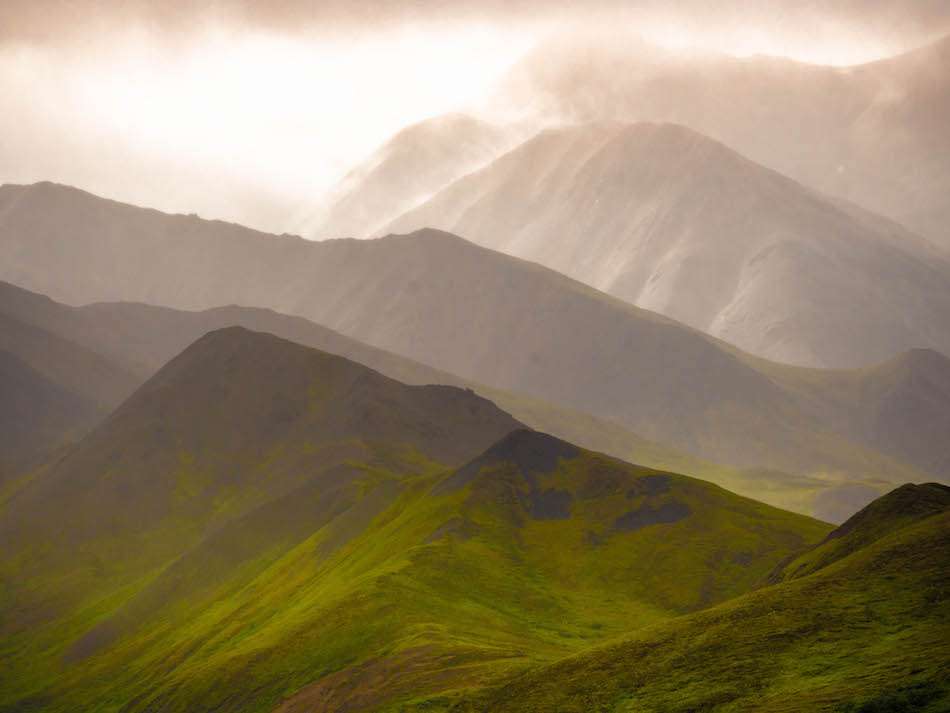
Staffing layoffs, budget cuts, and privatization attempts threaten the United States’ national parks. Now, more than ever, we must stand up and fight for our public lands.
Protest!
Look to see if anyone in your local community is organizing a protest. You can use Facebook, Google, or Meetup to find local demonstrations and activities to make your voice heard.
If you live in the United States or are a US citizen abroad, mass mobilization and protests are happening around Earth Day. Protests called “All Out for Earth Day” are happening nationwide from April 18th to 30th, focusing on a large event on the 19th.
Make an Earth Day Window Sign
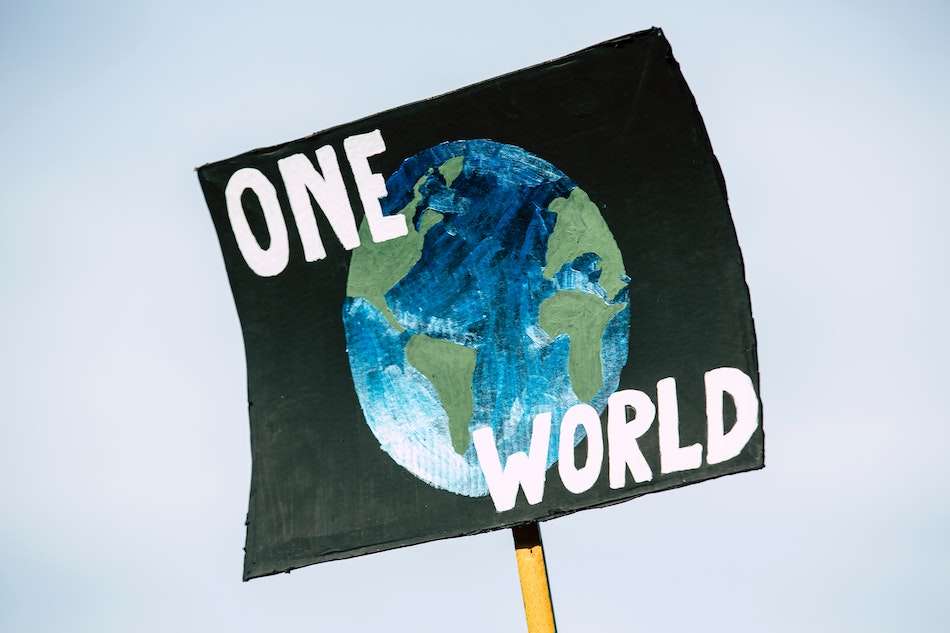
If you can’t attend a protest, fear not, my passionate friend; you can still make a sign and hang it in your window as a form of protest.
Or perhaps, if you don’t have some old cardboard, you can create an image on a drawing app or your computer and change your profile picture for everyone to see!
A protest sign is just one of several ways that Earth Day encourages action. Once you’ve taken action, head to the Earth Day action map and add your participation so everyone can see you worldwide. Use this map to learn how people are taking action worldwide.
Attend Earth X Events
The Earth X Conference has many lectures, videos, and engaging environmental material to keep you active. This is a paid in-person event that was online during the pandemic. It was previously more accessible online, so I added it as a resource during the pandemic. But it might be on your radar for next year.
Partake in the AMNH EarthFest
The American Museum of Natural History will host EarthFest, a family-friendly event. The fest will highlight botanical biodiversity and even includes a DIY home hands-on project to learn about ice.
Make sure you join the watch party for each of their events.
Check out NASA’s 2026 Earth Day Event.
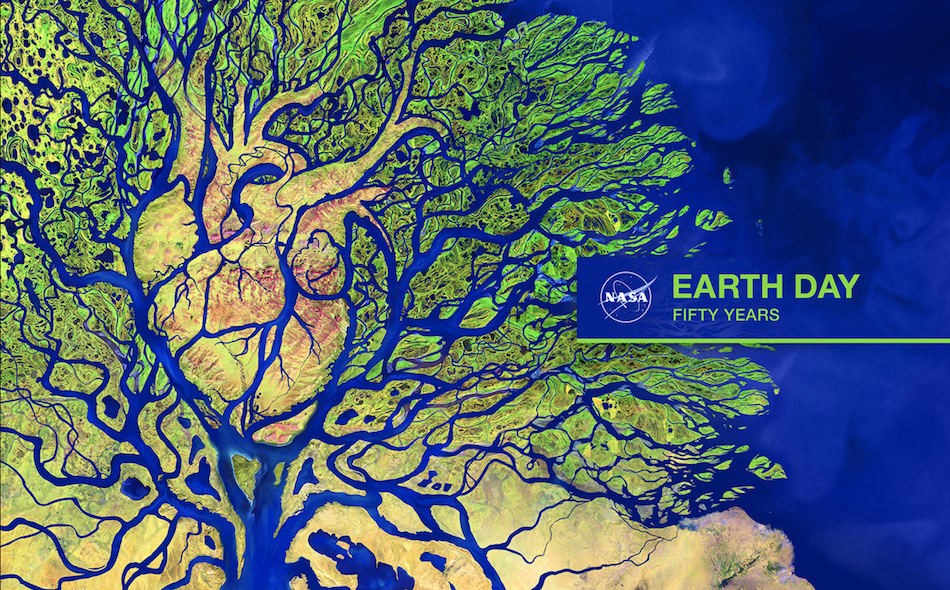
NASA always hosts a big Earth Day celebration. Their online toolkit has loads of resources to help you celebrate Earth from space with visual learning, including Earth Day posters for download, videos, and educational tools—and that is just scratching the surface. Don’t miss their digital posters and prepare to explore our planet from a new perspective.
Partake in Digital Clean-Up Day
If you cannot go out and clean up your park or city because of the global pandemic, then clean up your digital life. Due to the increase in internet and digital usage, the internet produces about 3.7% of global greenhouse emissions!
Take some time to clean up your digital life in a four-step process, tackling your smartphone, laptop, and mailbox, and plan for the future. Register your action and learn how to do this at the Digital Cleanup Day.
Write a Letter
Write a letter or email to your local politician or senator. Email your favorite CEO and ask them to take action. Make your voice heard with letters, emails, signed petitions, and phone calls. Demand action!
For US citizens, 5 Calls and Resist Bot are great resources for writing and calling your representatives.
Additional Things to Do on Earth Day
These are just a few additional things you can do on Earth Day to help you create better habits for a better future.
Calculate Your Ecological Footprint
What if everyone lived the way you do? How many planet Earths would it take to sustain your lifestyle habits? Take time to learn about your Ecological Footprint and practical ways to reduce your impact. I love the website Global Footprint Network, as it allows you to toggle your options to find out the best things to cut to have the most significant impact.
Remember that you are not alone in being responsible for the carbon output on Earth, and large corporations and businesses need to be pressured to reduce their footprint. This tool is helpful to live a more meaningful life, but you are not to blame for the climate crisis unless you are an oil company, part of the .1%, or that guy from my hometown, Eagle River, who drives a massive truck with the license plate 8 miles per gallon on it.
Share your footprint number in the comments!
Offset Your Ecological Footprint
After calculating your carbon footprint, it is time to set the ball in motion to offset your impact. There are several ways to do this, but if you are in the U.S. (or have an investment in the U.S.), my favorite method is using Terrapass. It’s a simple way to offset your harmful impact while investing in sustainable projects nationwide.
If you are a frequent traveler, check out how to offset the harmful impacts of flying. If you are interested in global investments, check out COTap or My Climate.
Remember to, first and foremost, reduce your carbon output BEFORE you offset or invest.
Downloading the A World of Action App
The UN has a fantastic App called A World Of Action. This app helps you navigate changes related to some of the most meaningful changes you can make to be pro-climate.
Take daily quizzes, learn from online modules, connect with the community, and discover meaningful actions.
Become a Citizen Scientist
Aside from downloading the above app, numerous communities always seek citizen scientists to participate in research opportunities. Recruiting volunteers such as yourself helps research projects with budgeting restraints.
You can practice conservation ethically and learn about your local environment. Ebird and the Merlin app are great ways to contribute to citizen science while birding.
In my home city, Alaska, citizen scientists added crucial information about a critically endangered stock of genetically isolated beluga whales in the Cook Inlet. This project motivated locals to take pride in the local stock of belugas. Hopefully, more Anchorage locals will be willing to pay a water tax to prevent toxic untreated wastewater from entering the beluga’s habitat.
So, connect with your local fish and game, national park, or NGO to see how you can help them collect data to contribute to research! I am volunteering in my new home, Vancouver, Canada, to help recover the herring fish population.
Not sure where to look? Discover all the ways you can become a Citizen Scientist.
Donate to an Environmental Charity or NGO
If the pandemic didn’t impact your budget, consider donating to an environmental NGO or charity. This year, challenge yourself to think outside the box; rather than defaulting to WWF or panda conservation, try to find a small local NGO and a grassroots movement that needs support in preserving species in your state or region. Look for something in your local community you can donate to, like a small local ecology group.
Earthday.org is the main organizer of Earth Day events. They are always accepting donations.
I can also recommend Intersectional Environmentalists.
If you want a more prominent and reputable organization, look at Greenpeace, which is actively fighting oil and gas giants, leaving room for a more renewable future.
If you don’t have the budget to donate, give your time. You can do this from your couch by merely sharing or engaging with social media so your friends and family become aware of a cause close to your heart.
Do Another Earth Hour
So what if Earth Hour was in March? Let’s do it again. For one hour during your day, turn off all power in your apartment or house. Don’t use the laundry, vacuum, dishwasher, microwave, radio, etc. Ensure you turn off your phone, computer, TV, outlets, lights, heat, E-reader—everything.
If it has the power, it has to go! Sitting in the dark and quiet for a full hour of your day is ok. You’ll love it, trust me.
Friday for the Future
Fridays for the Future is still going and is particularly strong during Earth Week/Month. It is a global day of action to join the climate strike for the future. You don’t have to be in school or young to partake. Join every Friday, or just when you are able.
Or, if you are a freelancer like me, change your email message to out of the office and say that you are on strike because of the climate. I sometimes do work, but I don’t answer emails and let people know why!
Join the Global Climate Strike.
Go Meatless for the Day
If you are not a vegetarian or vegan, challenge yourself to go meatless for the entire day. Start with some prepped overnight protein oats or a spinach-banana-berry smoothie for breakfast; for lunch, make a yummy veggie wrap with seasoned mushrooms for flavor; and for dinner, try a coconut veggie curry with some chickpeas for protein.
If you survived the whole day, try it again next week! You can do it!
For inspiration, check out vegetarian recipes on Pinterest and visit Earth Day Foodprint for more information.
Bike, Walk, Roll
Can you go without a care for the day? If you can, swap out all gas machines for zero-carbon options. Try biking to the supermarket, walking to the coffee shop, or biking to work. If you don’t live in the most bikeable city, this experience will empower you to be more informed about the barriers in your community.
Try catching public transit for the day if you can bike or walk. Even if it’s not the most convenient, it is a first-hand experience you can use when thinking about voting issues, contacting your city council, and more.
Journal Your Trash Consumption
From when you wake up to when you go to bed on Earth Day, write down everything you throw away. Look at everything to see if there are ways you can reduce your garbage output. Think about any plastic-free swaps you can make. Is there anything you can recycle or reuse for another purpose?
Try a DIY or Recycling Project
Take some time on Earth Day to learn to make a simple facial scrub with the ingredients in your house. Then, give yourself an at-home spa day with your coffee grounds face scrub or homemade sea salt hair spray. Try to reuse old bottles and jars you find in your house. Pinterest is an excellent resource for this. Get creative and have fun.
Don’t Dry Your Clothing
If you’re doing laundry on Earth Day, try drying your clothes. We in Europe, and generally the rest of the world, do this every time we wash our clothing. If you’re in the U.S. and find this strange, give it a go-to to save energy.
Plant Wild Native Flowers
April is the perfect time to get your garden going for summer. Spend some time today planting or researching local native flowers that benefit bees or other species. When I first moved to Munich, I wanted picture-perfect flower boxes; now, I use a wild seed mix curated in Berlin for the region to foster healthy and happy bees, and my planter boxes have never looked better!
You can also set up hydration stations for bees with a simple bowl of water and rocks or pebbles for the bees to land on. This is a great way to hydrate bees and other insects as we move into summer.

Previous Themes – 2024 Planet vs Plastic
The theme for 2024 was planet vs plastic. Plastic pollution is among the most significant environmental threats facing our current and future generations. Our planet is literally choking on plastic, which is now found everywhere, from inside our bodies to the depths of the ocean and the air we breathe.
My generation grew up with plastic everywhere. Images of sea turtles with straws up their noses and soda rings around their necks started our awareness of the plastic pollution crisis. While these campaigns increased awareness and led to some declines in single-use plastics, the fact of the matter is that this crisis is only getting worse. One million plastic bottles are purchased every minute around the world, and about 400,000,000 tonnes of plastic are discarded annually.
The Earth Day Network calls on students, parents, businesses, governments, community groups, individuals, and NGOs to commit to reducing plastic production by 60% by 2040. They aim to do this with public awareness, calling for more research regarding the health impacts, phasing out single-use plastics, policies targeting fast fashion, and investing in innovative technologies.
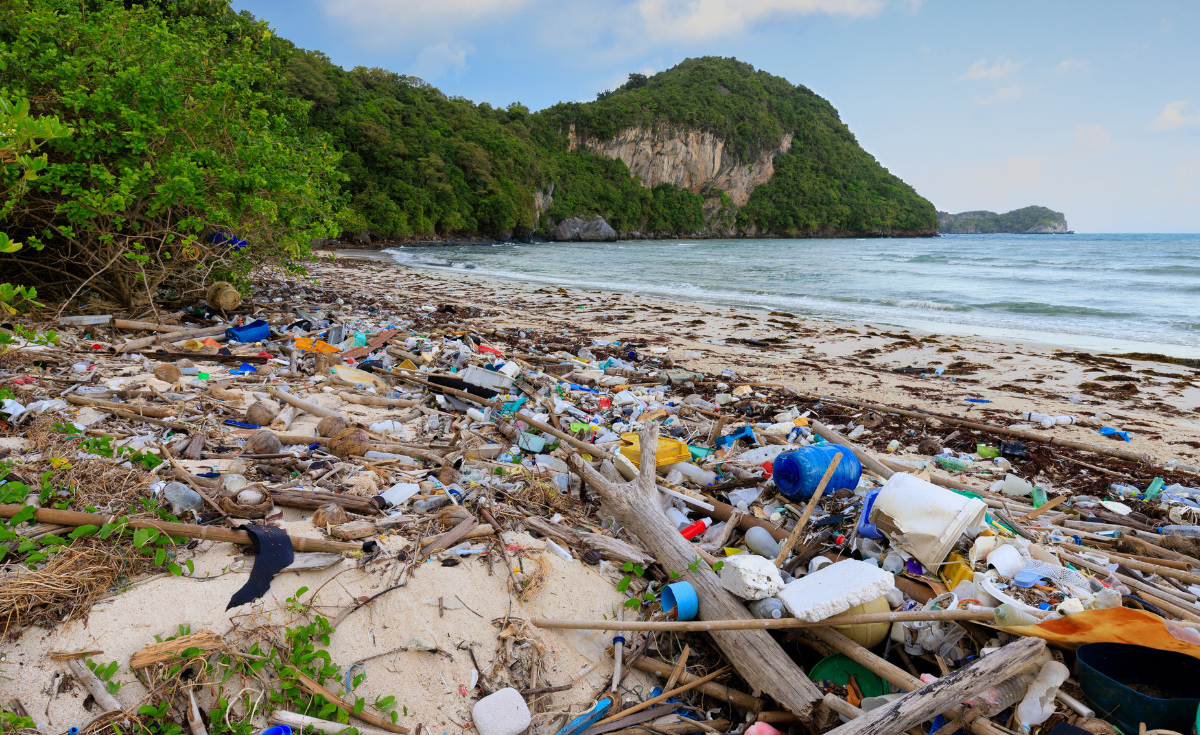
The increasing amounts of plastic have serious environmental and health risks for us and our planet. Plastic waste kills animals, with more marine animals washing ashore with stomachs full of plastic. Plastic clogs rivers and aquatic systems, making it impossible for wildlife to thrive and these ecosystems to perform their critical functions in protecting us against flooding and extreme weather.
Plastic also comes with health concerns, including new research on the harms of microplastics in babies.
Head over and sign Greenpeace’s Global Plastic Free Treaty!
Continue that Momentum!
Let’s celebrate Earth Day every day. Please take all the fantastic new things you learned this week and use them as a catalyst for change to take action now. Save this post, as it will be updated every year!