

How Ecotourism Helped Stop Domestic Violence in this Indian Village
I may earn income from affiliate links or partnerships in this post. I spend time to curate tours or products that align with my values. Thanks for supporting my work, at no additional cost to you. All words and images on this website are created by real people.
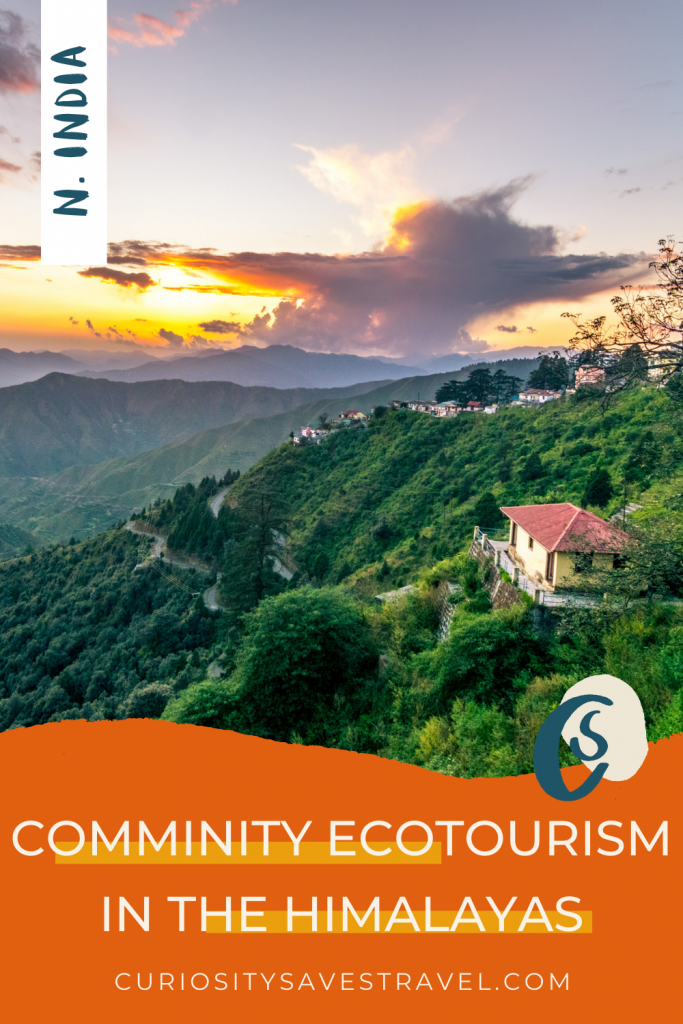
Are you curious about tourism’s positive social impact? According to the World Travel Organization, sustainable tourism can help alleviate poverty, provide an opportunity for gender equality, and provide a way out of poor living conditions for women worldwide. But what does that look like in practice? Can sustainable ecotourism help us achieve the Sustainable Development Goals? One village in India is a role model example of the positive power of tourism.
We welcome guest author Archana Singh of Travel See Write to share an inspiring story of how a group of women took matters into their own hands, creating a sustainable tourism model that helped women in a remote village escape domestic violence. This story is a testament to the positive power of sustainable ecotourism and why engaging in ethical travel matters.
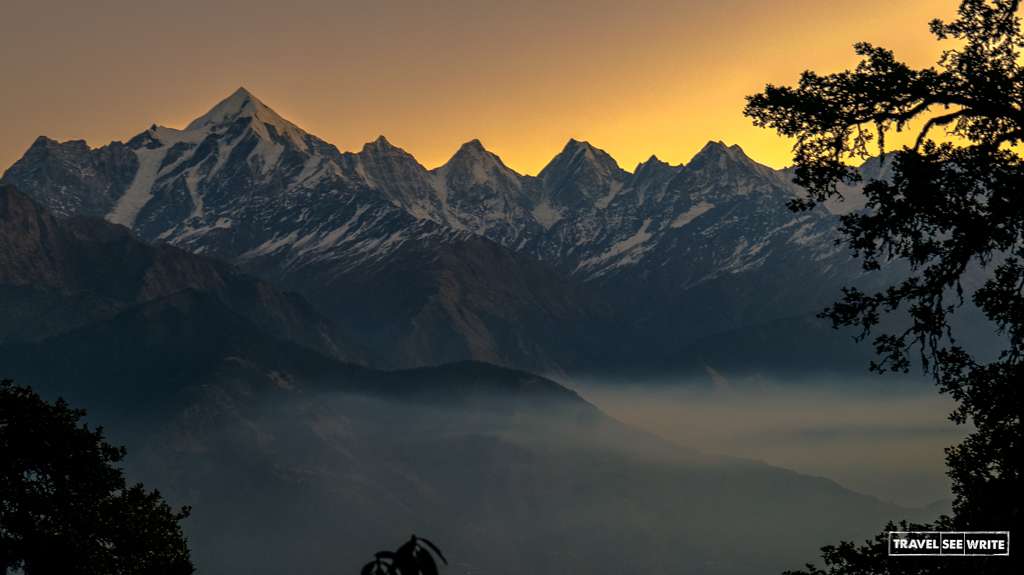
Quick Look
- Community-led ecotourism has helped alleviate extreme cases of domestic abuse against women in India.
- Women-led homestays and initiatives are helping women rise out of poverty
- As a bonus, the programs are creating sustainable development in an area vulnerable to climate change
- By engaging in sustainable ecotourism, you, too, can help “save travel.”
Domestic Violence in Uttarakhand
Uttarakhand, the Northern Himalayan state of India, is one of the worst-performing states regarding domestic violence against women. As per the survey undertaken by the Uttarakhand State Commission for Women, every second woman in the state is a victim of some form of domestic violence, primarily spousal violence. To make it worse, the menace of domestic violence is so deeply entrenched and widely prevalent in the state that most people justify it, women included.
Given the widespread acceptance of domestic violence, it is not surprising that women do little to seek help. Most domestic violence cases are grossly under-reported. The reasons range from social embarrassment, financial dependency, fear of retaliation, and victim-shaming to following a complicated bureaucratic procedure.

Women-Led Solutions to Violence
But the hills of the tiny, remote village of Sarmoli in Munsiyari of Uttarakhand witnessed a quiet revolution three decades ago when Malika Virdi, an intrepid mountaineer and social activist, left Delhi in 1992 to settle in the village with her husband and two-year-old son.
Fighting for the rights of the women of these remote villages and training them for alternative sources of income became her life mission. Early on, Virdi realized that the main reasons behind domestic violence were alcoholism, patriarchy, and poverty. The only way to defeat these social evils was by creating awareness about women’s rights and making women financially independent.
The Birth of Matti Sangathan
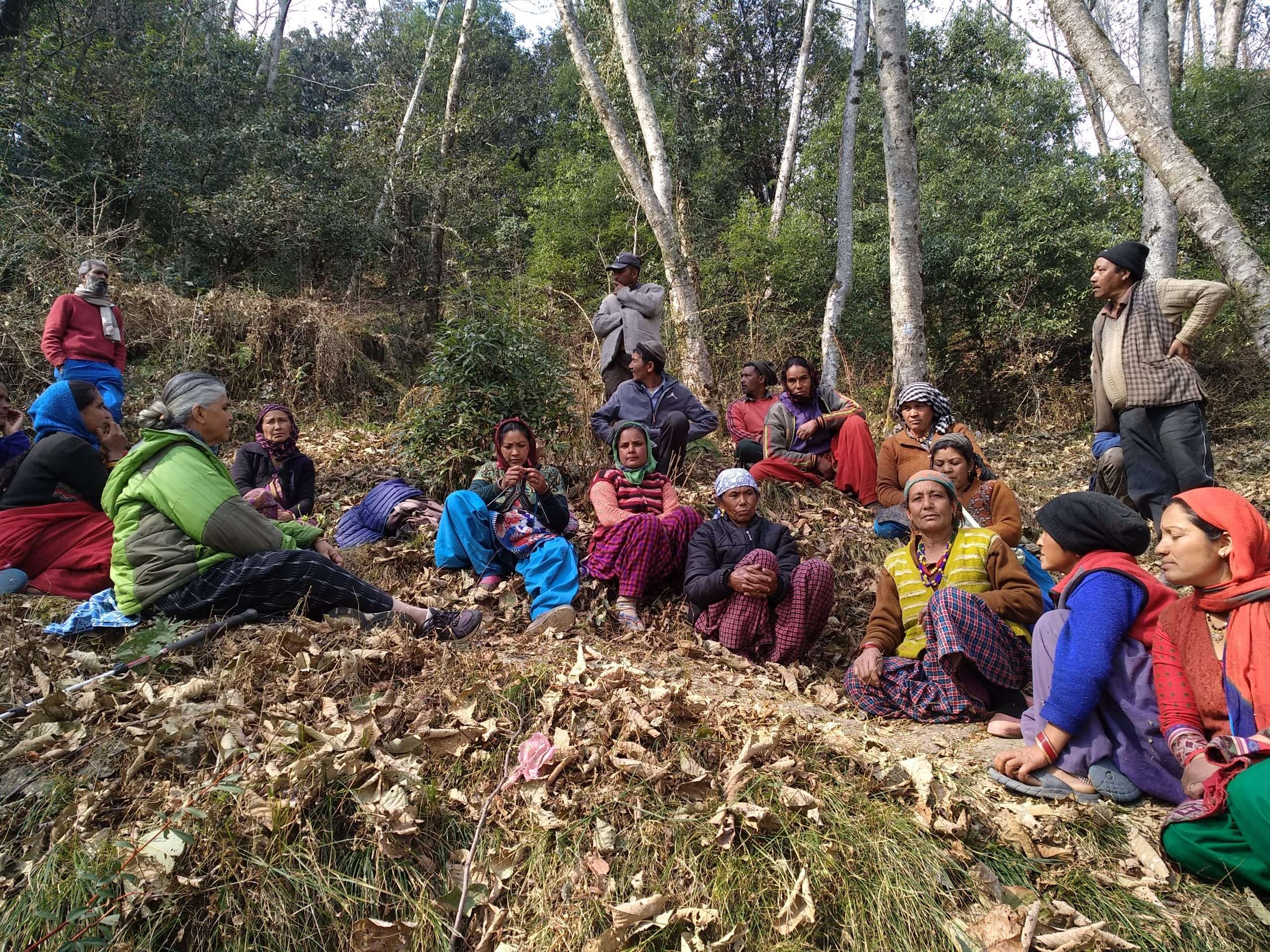
In 1994, a group of women came together to protest against rampant alcoholism that led to severe domestic violence cases. Malika and a few others came together, held meetings in several villages, and mobilized approximately 1000 women to put forward a memorandum to the Sub Divisional Magistrate asking for alcohol to be banned.
This protest seeded the sapling of ‘Matti Sangathan’ (women’s Collective) germinated. Matti became a place where women formed a “dukh-Sukh ka Rishta” (relationship of sorrow-joy) to meet, talk, and share their joys and sorrows. Slowly, women started realizing their rights and began opposing gender violence.
Creating a Livelihood
However, creating awareness among women for their rights was just a small win in a long-drawn battle. Recognizing that village women won’t be allowed to move out of their homes and participate in collective activities unless there are efforts to provide livelihood support, the founders of Maati started creating opportunities for them to earn. They began by looking for inherent skills that could be turned into livelihood sources.
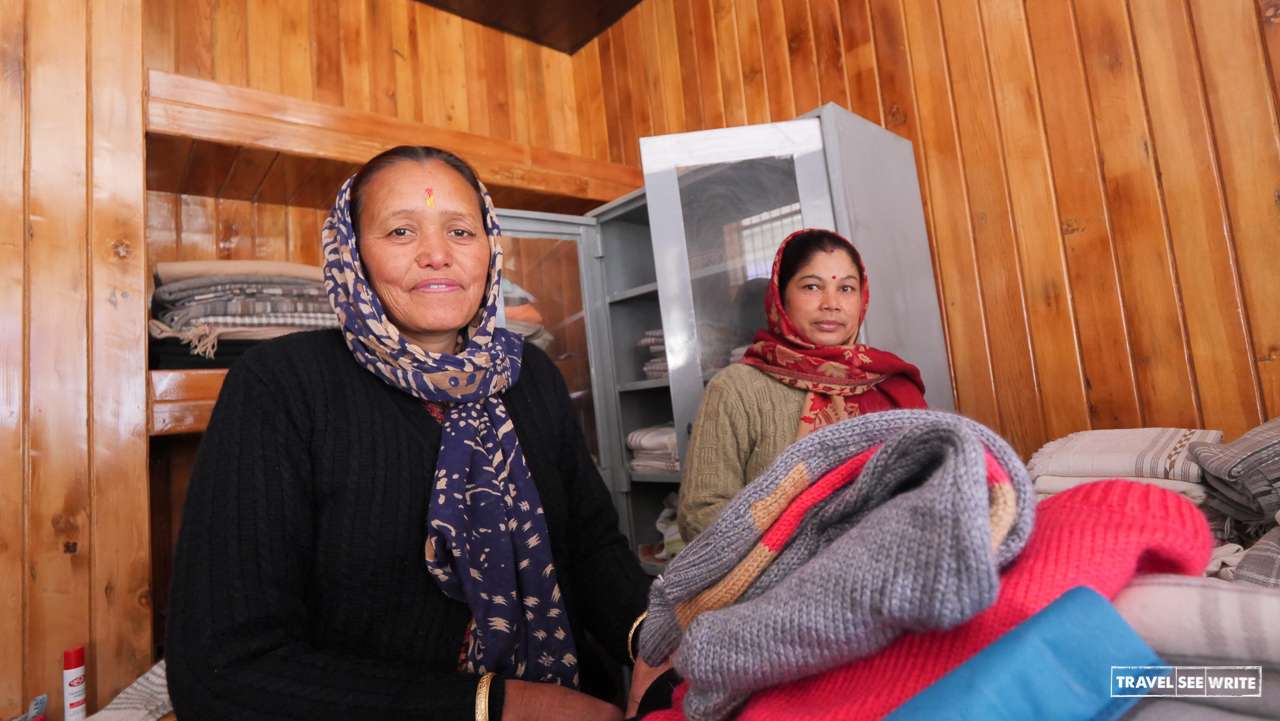
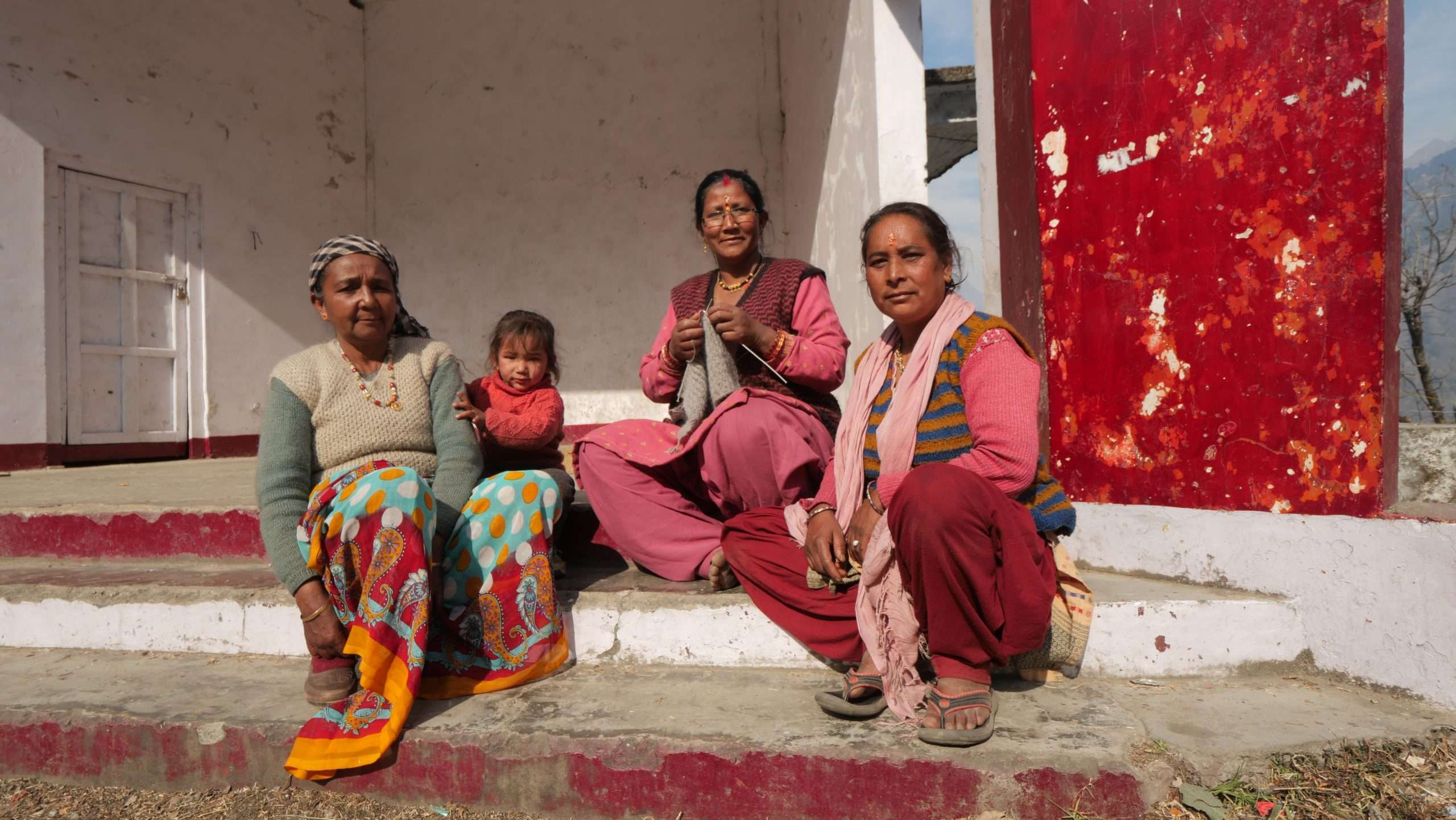
Until 1960, Munsiyari had strong trade ties with Tibet. Men, especially the Bhutia community men, would travel to the land of monks for months, and in their absence, the women in the household would weave and knit. Products such as carpets, rugs, blankets, and sweaters would be handmade in every home and sold at a premium in Tibet.
However, after the 1960 war with China, this trade route ceased to exist. While the market for hand-woven products vanished, the women didn’t stop knitting and weaving. Mallika and the team revived this skill and supported women in two ways.
One was by offering marketing support to the village women, and the other by training them to create more unique designs. They motivated the women to use the local flora and fauna elements in their designs, making their products stand out from the rest of the regions.
Regular workshops were organized to scale production and sales to a more extensive consumer base in India and abroad. Mahila Haat (women’s market) started happening every fortnight, where women could come and sell their produce from the fields, homemade snacks, and woolen products.
Launch of a Homestay Program
In 2004, the Himalayan Ark Homestay program was launched, under which the people of Sarmoli opened their homes to tourists. From simple mountain women, these women transformed into Entrepreneurs of Munsiyari.
The unique thing about this program was that when tourists visited the village to stay with the locals, they were not treated like strangers but like family members. As Malika says, the relationship forged was of a ‘Mehman (guest), not a client.’ The guests are encouraged to travel slowly and feel the place and the people around them.
The homestay experience would make guests pause and understand the region from local eyes. As a result, the experiences became more prosperous by the day – food trails and expeditions about regional cuisines, participation in day-to-day jobs such as fieldwork, trying their hand at traditional wool work or simply listening to age-old tales.
The village women with excellent knowledge of flora and fauna became guides and naturalists. Munsiyari is internationally renowned for its biodiversity and 325 bird species by the International Union for Conservation of Nature (IUCN).
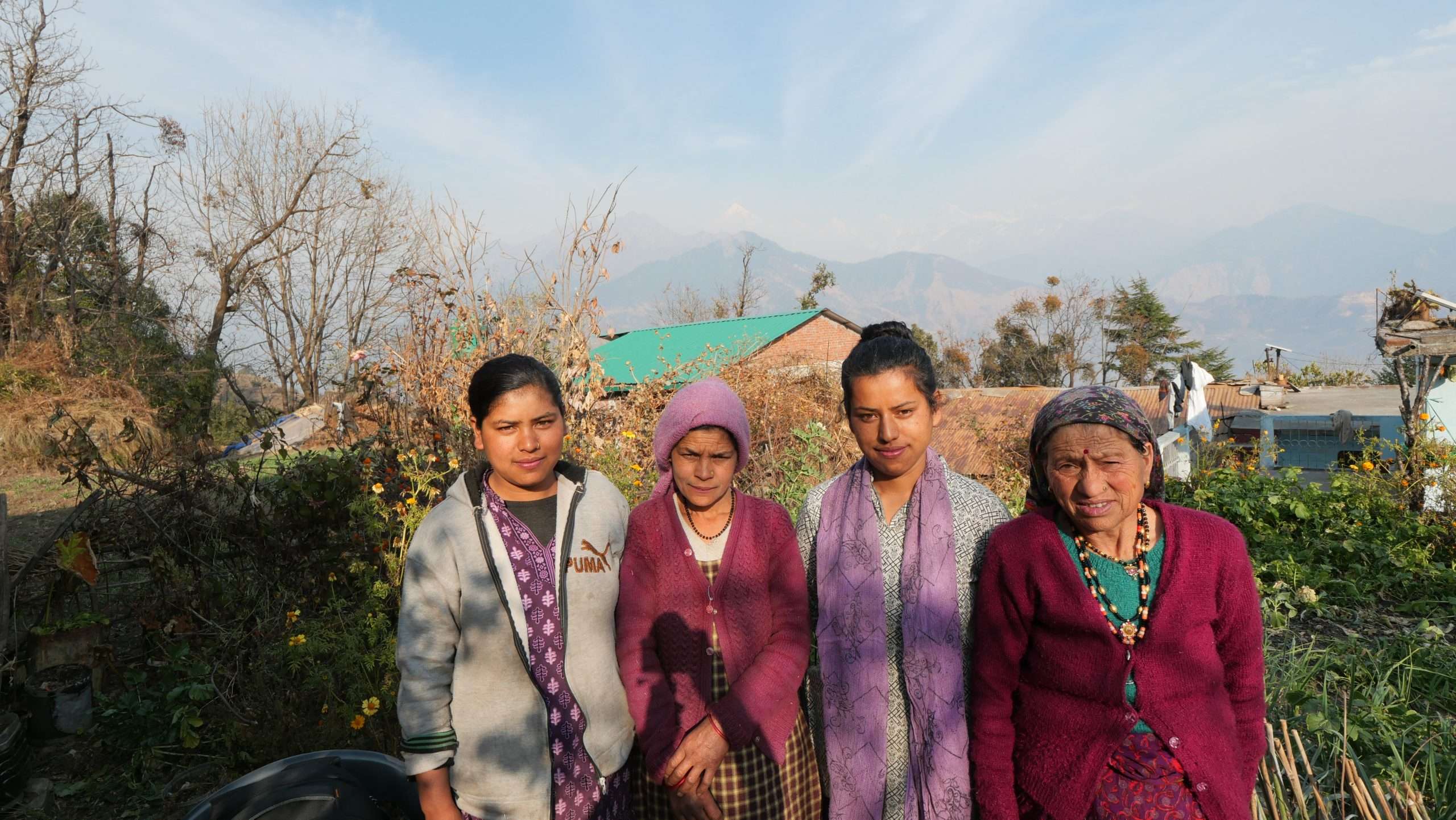
Using its natural resources, the Himalayan Ark Homestay program created a mix of itineraries for its guests – ranging from a walk around the chestnut trees to trekking in the alpine region, ranging from an altitude of 8000 ft to 12400 ft. Customized birding trips, boutique expeditions, and cultural immersions were explicitly tailored to the visitors’ needs. 95% of the money earned through this enterprise stayed in the village.
Every year, Munsiyari organizes an annual festival called Himal Kalasutra, where locals and guests from around the globe come together every summer to run challenging marathons and participate in workshops around yoga and birdwatching.


Van Panchayat and Sustainable Development
The best part about Matti Sangathan was that it provided livelihood to the locals and played an active role in the sustainable development of the region that is highly vulnerable to climate change.
This women-led enterprise was started in 2004 through village Forest Commons, known as Van Panchayats. At that time, nature-based and community-centered tourism was seen as non-existential. Malika and her team have shown how, when conducted responsibly, tourism can be an excellent and non-extractive livelihood option for rural folks.
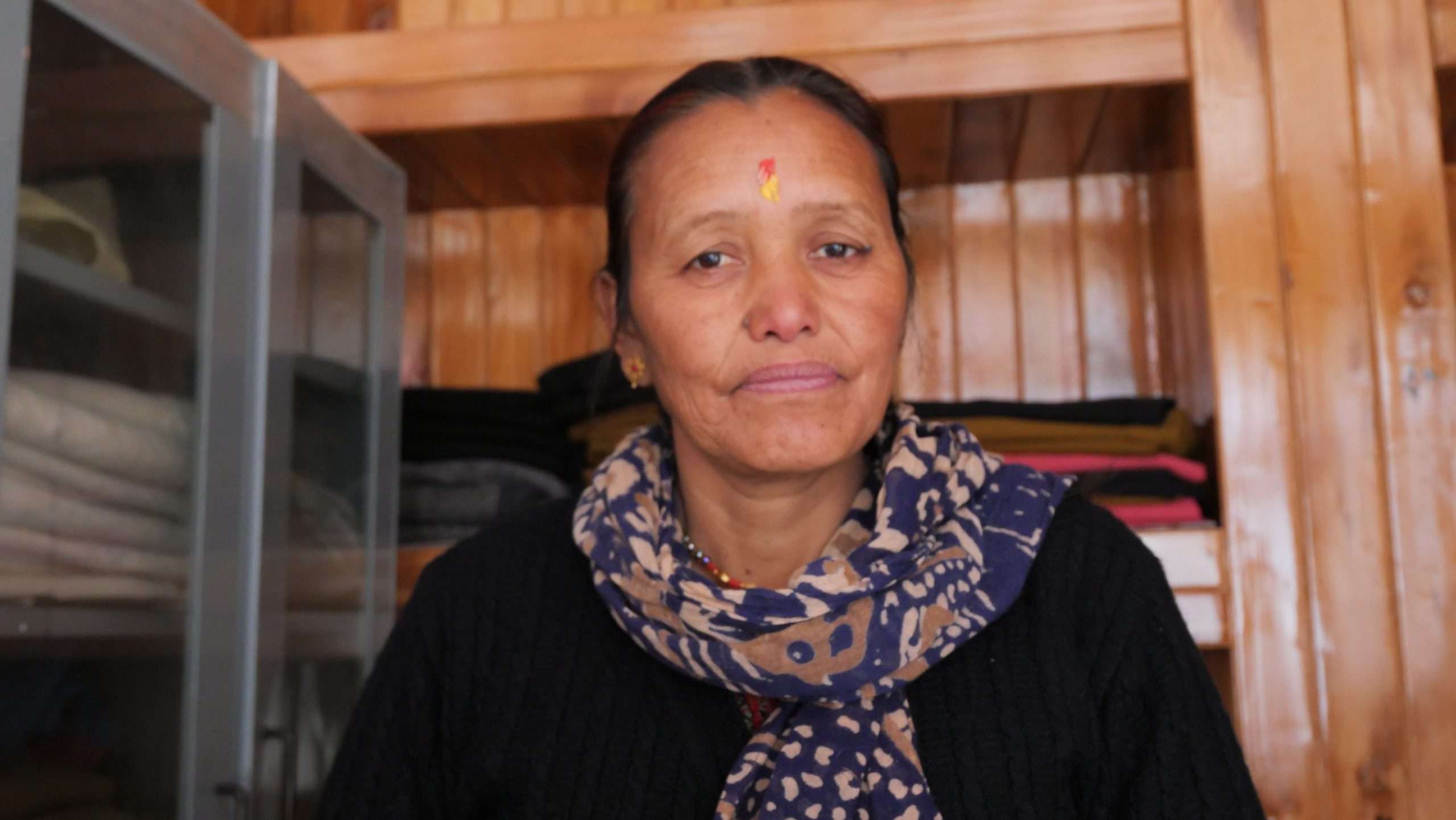
With time, the villages of Munsiyari where Maati works became wealthier and more socially balanced. Once the extra income started pouring in, domestic violence cases began to decrease, and the model became a template for women’s empowerment and eco-tourism. The model became so successful that the other regions of Uttarakhand, such as Garhwal, sent their teams to study and emulate it.
How to Support Community-Based Tourism in India
By booking a homestay experience in the village of Munsirari, you can help support women in gaining independence and alleviating domestic violence. In return you’ll get a unique cultural experience and connect with inspiring women.
How to Reach Munsiyari
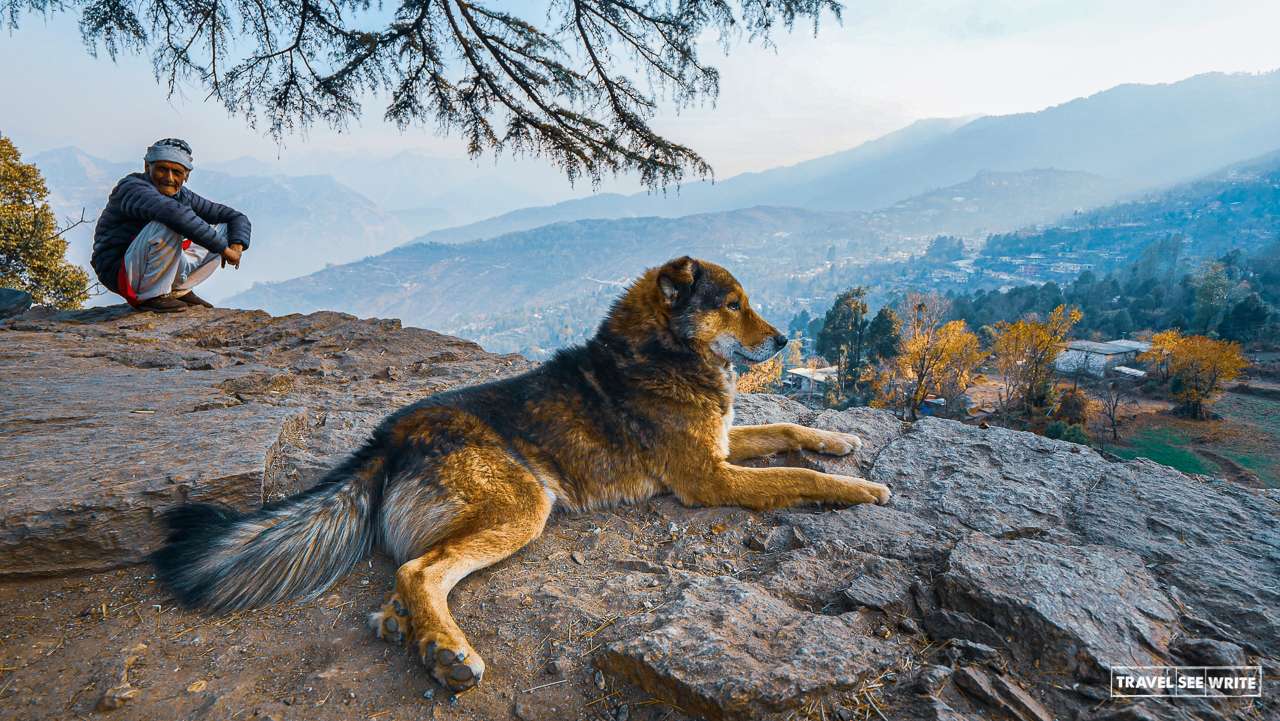
By road: Munsiyari is roughly 580 km from Delhi and takes around 17 hours to reach if driven nonstop. However, a night halt at Almora or Nainital is highly recommended. Buses are also available from Delhi.
By train: You can take a train to Tanakpur or Kathgodam and then hire a cab to Munsiyari.
By air: You can fly to Pantnagar or Pithoragarh airports and then take a taxi.
When to Go to Munsiyari
March to June or September to October.
How to Book
Due to limited resources like websites, these homestays are not easily available to book on platforms like Booking. Instead, you can contact them on Mobile using WhatsApp: +91- 94111 94041 and +91 – 99177 89950.
You can also join us on an upcoming trip to the region to create a positive impact!
View this post on Instagram
Comment and Share
- Comment below with your thoughts on how community-based sustainable ecotourism has contributed to declining domestic violence in a small village in Uttarakhand.
- Do you have any experience with women-led tourism? Let us know in the comments so we can all add to our bucket list of sustainable travel destinations.
Please bookmark and save this post so you and your friends can learn how to become citizen scientists. Let’s save the planet together.

I loved learning about the Homestay run by 3 generations of women. This post is an eye-opener and taught me more about a land that’s so far from my home. Thank you for expanding my horizons and inspiring readers!
That is what I love about travel writing – it can take us to destinations so far away without leaving our house.
This is amazing and so uplifting to read about. Will definitely look into doing a homestay there if I ever get to visit! I love that so much good came from this and hope more of this can be done in other areas in need as well. Thanks so much for shedding light on this!
Thanks so much for reading, Farrah. It’s so nice to read about the positive impact of tourism!
this is SO meaningful! i go to india occasionally cos family’s there – gonna give this a revisit when i head there again!
I hope you are able to visit. Archana, the author is now running impact trips in the region as well, I recommend you connect with her on social media!
I had no idea about the situation here, but it was amazing to read about the power of ecotourism in this area. It’s a very moving story to read about.
Travel writing is so important as it can take us to the far reaches of the earth where we can learn things from a new perspective. It is also uplifting to read how ecotourism changed this Indian community for the better.
It’s amazing that you all started by educating them on the fact that they had the opportunity to even make a living! Love this article and thanks for sharing your expereince!!
I know something so simple can really spark a total revolution in a region and revitalize the a local region.
So meaningful that ecotourism gave the woman some kind of power and stopped domestic violence. Also good to read that other villages took an example from this one village.
I know, it is amazing to see the positive ripple this had, spreading to nearby communities. This story amazes me every time I read it, travel can be such a positive force for good!