What to Pack for Winter in Canada: Canadian Winter Clothing Essentials
I may earn income from affiliate links or partnerships in this post. I spend time to curate tours or products that align with my values. Thanks for supporting my work, at no additional cost to you. All words and images on this website are created by real people.
Are you traveling to Canada and curious about what you should pack and wear for winter in Canada? Well, you are in the right place. This is the practical guide for winter clothes in Canada and what to pack in winter. Canadian winters can be harsh, but as they say, there is no bad weather, only bad clothing.
Pack smart layers for Canadian winters, and ensure you have everything you need before you arrive in Canada. This packing list for traveling to Canada in winter has you covered. We will cover all the basics from layering for Canadian winters, winter boots, thermals, and practical gear to keep you warm and dry.
Whether you are heading to the Canadian Rockies to ski in Banff, the rainy coastal city of Vancouver, or some of Canada’s coldest cities, such as Toronto, Edmonton, and Calgary, in winter, this packing guide will provide options.

Why Trust Us on What to Pack for Canada in Winter
This guide was created by Canadians who have lived in many provinces in the country, from Alberta to Ontario, British Columbia, and Saskatchewan. Let us share some of our Canadian winter stories, eh, before we start advising you with product recommendations. (If you are not interested in our stories, hit the table of contents below to get the packing list, easy peasy)
From the colds of Canada, ranging from -45°C on the plains, on to the rainy winter downpours of Vancouver, to the snowy sidewalks of Toronto, Canadian winters are diverse. Knowing how to prepare for a day out in any weather is key.
We braved windchill, waited for buses without shelters, forgot mittens, and drove in blowing snow and survived. You can too with this awesome guide to winter essentials for winter in Canada.
What Is The Average Temperatre in Winter Across Canada?
Here is a quick overview of average Canadian winter temperatures (with wind chill). Did you know that the coldest temperature ever recorded in Canada was −63 °C in Snag, Yukon?
| Province | Temperature Range | Coldest Months |
| Alberta | -24 to -8°C | January – February |
| British Columbia | 0 to 5°C | Mild winter temperatures, expect rain |
| Manitoba | -11 to -20°C | January |
| New Brunswick | -4 to -16°C | Mid-December – Mid-January |
| Nova Scotia | 0 to -10°C | Mid-December – Mid January |
| Ontario | 0 to -30°C | December – January |
| Quebec | -5 to -30°C | December – March |
| Saskatchewan | -5 to -25°C | December – February |
| Newfoundland& Labrador | -10 to -20 °C | January – February |
Of course, weather in Canada can be temperamental and change frequently. You should always check the weather forecast for where you are heading and adjust your packing list as needed.
Packing List for Winter in Canada: The Essentials
We have listed all the important Canadian winter clothes and accessories. When you are styling, keep the following things in mind to stay warm while still looking great!
Every winter outfit will have 5 key elements
- Base layer (thermals that you wear underneath to stay warm)
- Mid layer (sweaters, fleece, and earmuffs, yet breathable)
- Outer layer (to protect against the main elements – snow, rain, etc.)
- Winter boots (that have grip for ice and are waterproof).
- Accessories (hats, gloves, and warm socks).
Always start with a warm base layer, add on insulation, and then put on your outerwear. Finally, style with your colorful winter accessories.
1. Base Layers: Thermal or Long Johns
Thermals, also called long johns, are two-piece underwear with long legs and long sleeves. They are tight and close to the body, worn under the main clothes in winter. They are great for retaining body heat in extremely cold weather, while keeping you warm and dry, wicking away moisture.
Thermal wear tops and bottoms are a MUST-have when you are out and about exploring Canada in winter. Basic jeans and a shirt on their own are often not enough to keep you warm in most parts of Canada.
Wear a thermal top and then layer on with a regular top and then an outerwear jacket. For bottoms, wear your thermal bottoms as a base layer, followed by your jeans or any other pants. Or you can pair these with a down skirt and tall boots for a chic look.
There are usually different “warmth levels” to thermals. For most of Canada, medium weight will probably get you through with layering; however, if you are headed to Saskatchewan, the Yukon, or Edmonton in winter, you might consider a heavyweight layer.
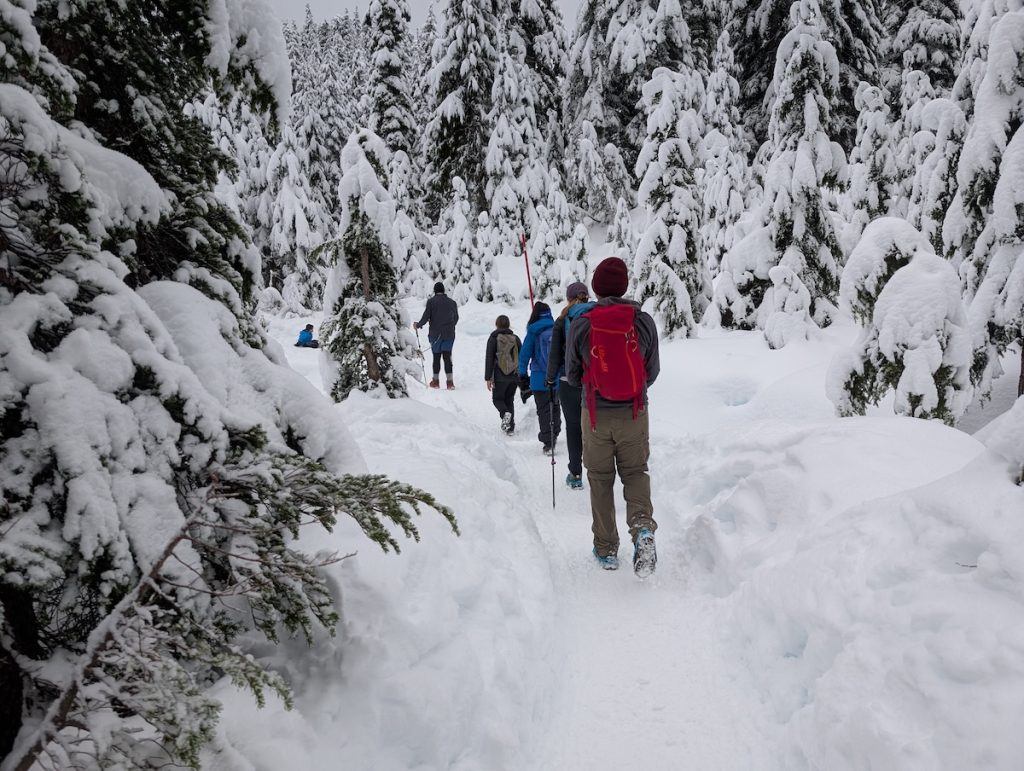
I personally use and recommend Smartwool Products. They are high-quality, built to last, and have an ethical and sustainable commitment to their merino sheep and land with regenerative practices.
🖤 Check reviews and prices
- For him (Top) – Click to check out thermal wear for him
- For him (Bottom) – Click to check out thermal wear for him
- For her (Top) – Check out thermal wear for her
- For her (Bottom) – Check out thermal wear for her
Want something more colorful? Kari Traa, a women-owned company from Norway, has an amazing line of base layers for women! I love these for snowboarding, snowshoeing, and skiing!
- For her (Top) – Check out thermal wear for her
- For her (Bottom) – Check out thermal wear for her
Tip: If you are not used to many layers, you will be annoyed with the bulkiness of sweaters and jackets, and your inability to wear your shoulder bag. During winter, try cross-body bags – a game-changer.
2. Mid Layer: Fleece, Sweaters, and More
Fleece and Micropuffs
Alongside your thermal base layers and winter parka, you have a few options for a mid-layer. We will cover the first option in this section, which is a more technical option for fleece and micropuffs.
Technical fleece is the mid-layer between jackets and thermals. While thermals keep you dry and offer the first layer of protection, your mid-layer is going to trap warm air to keep you extra warm.
The winter jacket you have might determine the type of technical mid-layer you have. I personally prefer a close-fitting option with Polartec, a waffle-style design that traps air and keeps you super warm.
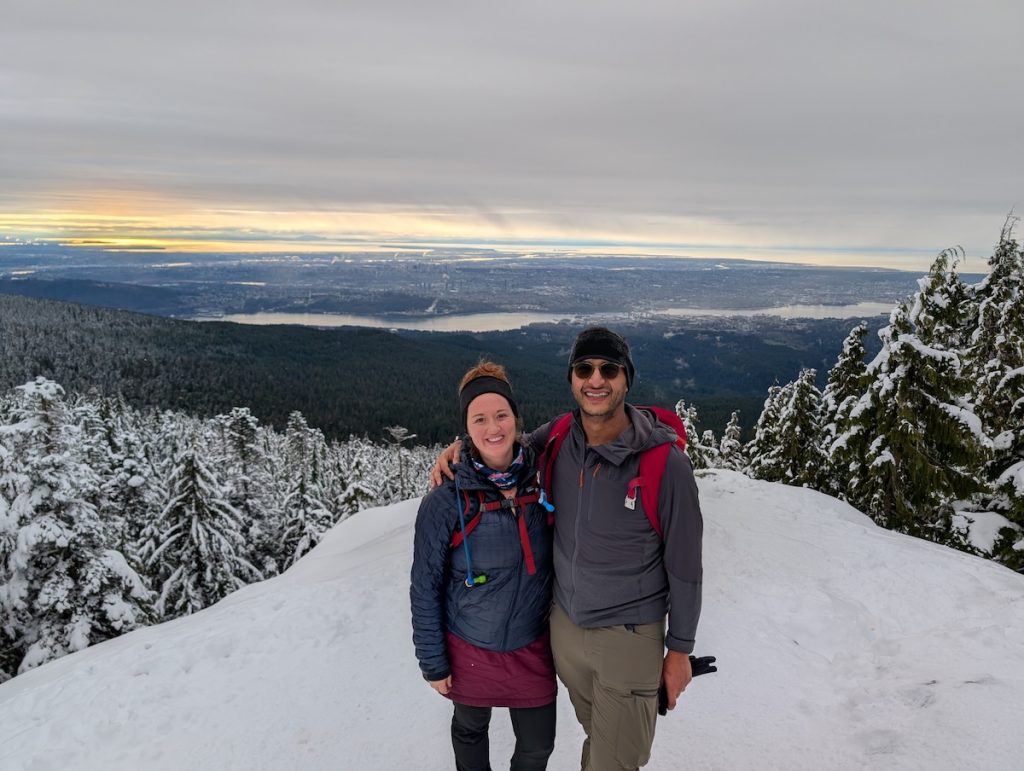
You can even sometimes layer a Nano Puff jacket for extra warmth. These are a bit bulkier for layering, but will keep you very warm.
🖤 Check reviews and prices
- Nano Puff for him– Check reviews and prices for men’s Nano Puff
- Technical fleece for him– Check reviews and prices for men’s fleece
- Nano Puff for her– Check reviews and prices for women’s Nano Puff
- Technical fleece for her– Check reviews for women’s fleece
Merino Wool Sweaters and Flannels
Your other option for a warm mid-layer is the slightly more stylish option: sweaters, cardigans, and flannels. These have less of an outdoorsy look and might be a better choice for exploring Canada’s most stylish cities like Toronto or Montreal in winter.
If I have one piece of advice, it is to invest in a merino wool cardigan or sweater. Merino wool cardigans and sweaters are super warm, without the bulkiness. They are perfect as a mid-layer (and you wear the outerwear on top).
Cardigans and sweaters will also keep you warm and toasty indoors. I switch my long johns/thermals for Merino wool cardigans if I plan on spending most of the time indoors.

Patagonia has some of my favorite wool sweaters as they are from recycled wool, so they will keep you warm while saving textile waste. With so many styles and choices, these are my top pick.
🖤 Check reviews and prices
- For her – Check reviews and prices for women’s upcycled wool sweaters
- For him – Check reviews and prices for men’s upcycled wool sweaters
Smartwool also makes wool sweaters that are great with a merino wool blend with recycled materials.
🖤 Check reviews and prices
- For her – Check reviews and prices for women’s Smartwool sweaters
- For him – Check reviews and prices for men’s Smartwool sweaters
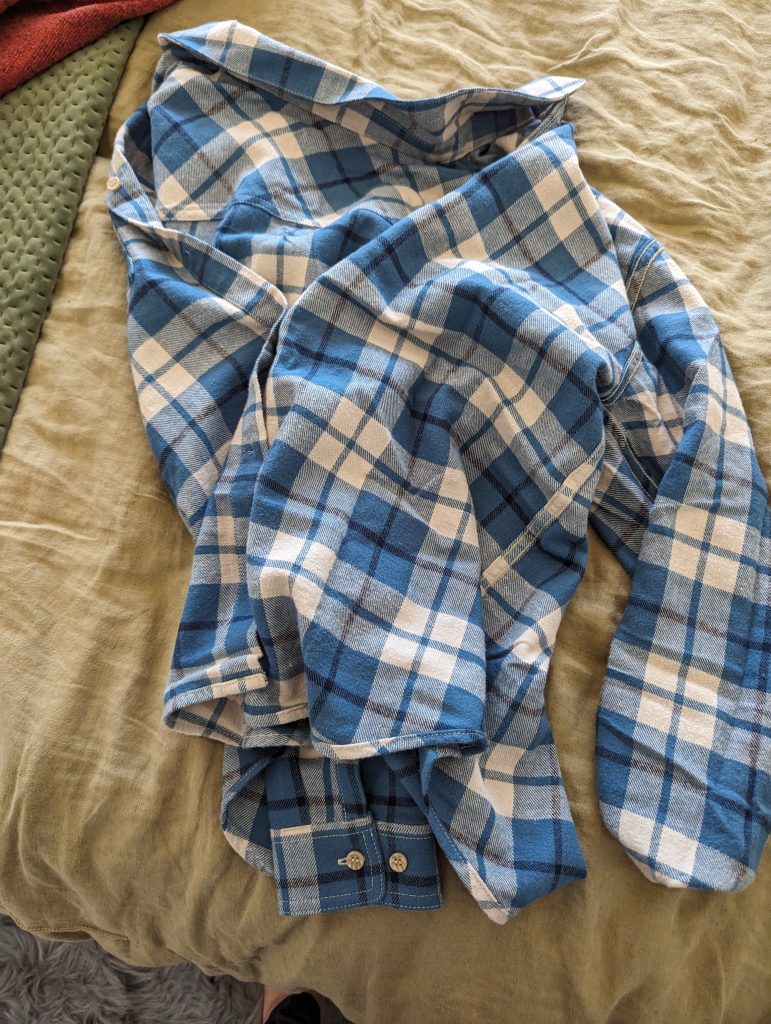
Finally, a classic Canadian-style flannel will have you fitting right in. I own and love the Fjord flannel. They are super warm and cozy!
🖤 Check reviews and prices
- For her – Check reviews and prices for women’s flannel
- For him – Check reviews and prices for men’s Helly Hansen
Regular Clothing
For tops, focus on 2-3 long-sleeve shirts and 1-2 sweaters/cardigans. I love a regenerative and cute sweater!
Pack 2-3 pairs of warm pants (cords, twill, or jeans). Women can pair thermal leggings underneath their pants or skirt to block wind and the bitter cold that creeps in after dark.
3. Outerwear – Winter Jackets and Snow Pants
Winter Jackets and Wool Coats
INVEST in a good outerwear jacket for all winter travels. We do prefer winter jackets to coats, as you will be blessed with a hood to cover your head. And sometimes you NEED that in addition to your toque (beanie or a warm cap).
Most hoodies are detachable, and they come with fur lining to ward off blowing snow/winds.
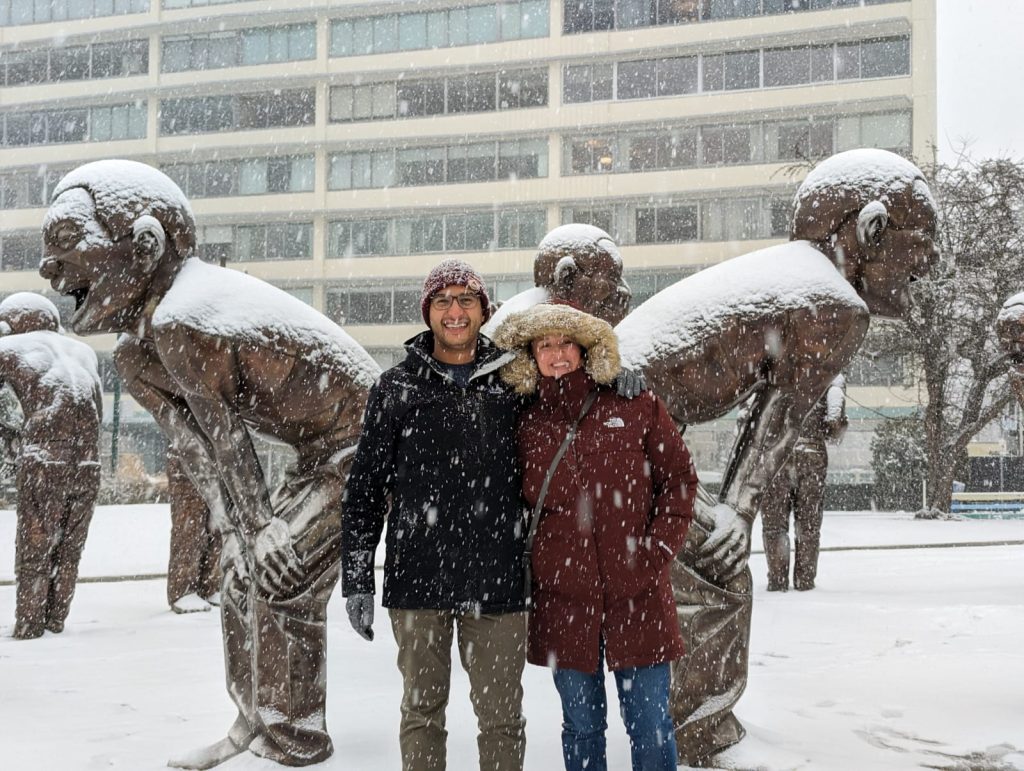
Buy ethical down or recycled synthetic down that has deep pockets (your hands need LOVE if you forgot your gloves), a hood, and tight cuffs to cut the cold. We prefer jackets that cover the torso (up to your bum, as they need protection too).
🖤 Check reviews and prices
- For her – Check reviews and prices for winter jackets for women here
- For him – Check reviews and prices for winter jackets for men here
Insulated warm jackets, quality, and good ones will be $200 CAD and above. Depending on the style you choose (and your cold threshold), you will have to rely on thermals for additional warmth.
Wool Coats are also a great option to wear during winter. I own a few wool coats and normally wear them when it is not snowing outside. So I pretty much use them indoors, getting in and out of the car, heading out to dinner or drinks, or when the temperature is not – 15°C or below.
The finest wool coats are expensive, starting at $400 CAD. They will also have a water repellent coating to ward off occasional snow or flurries. And you have to dry clean them to maintain their “glow”. Sure, you can find a peacoat for $45 CAD, but it will not keep you warm.
Snow Pants and Winter Pants
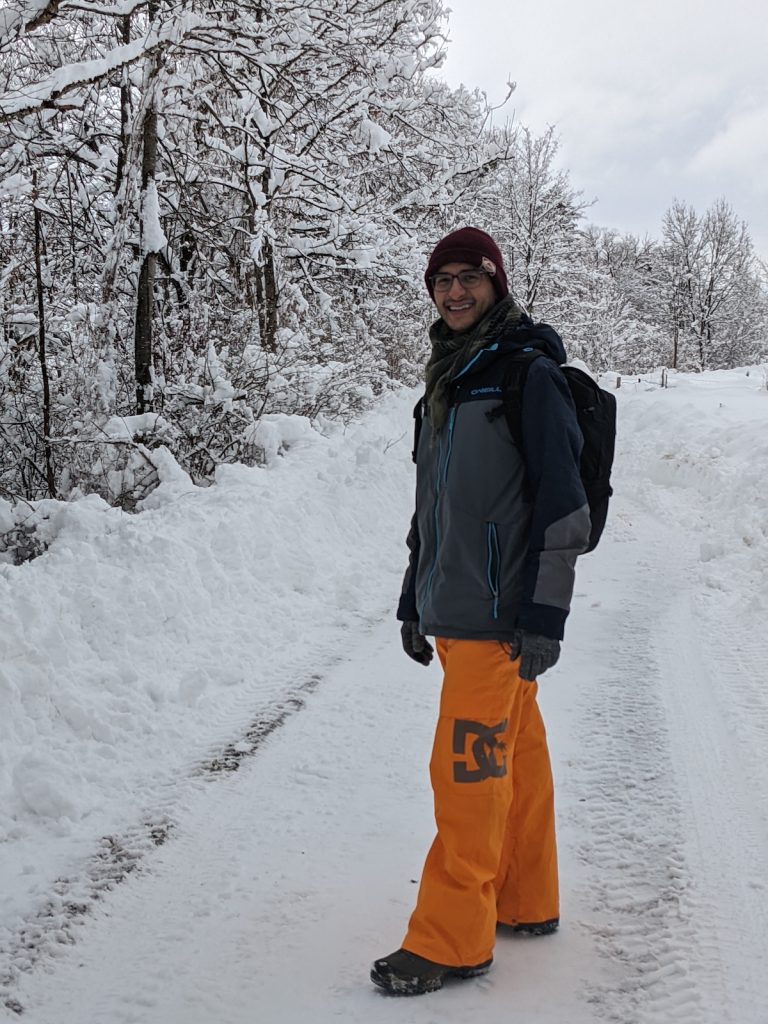
If you will be doing a lot of winter activities here, wear specific pants like ski pants for skiing and snowshoeing activities.
You can also wear snow pants for the everyday commute, especially if you will be spending a lot of time outdoors, in transit, or if heavy snowfall is being forecast.
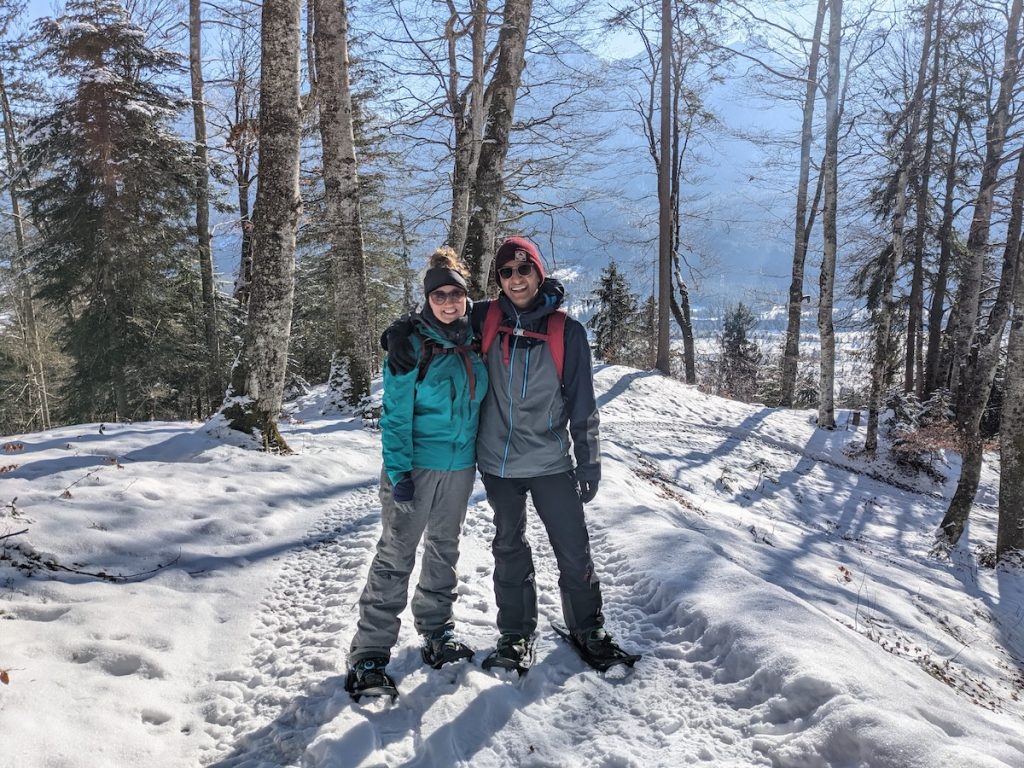
Snow pants keep you warm and are water (also dirt) proof. Layering is still important, so don’t forget your long johns or thermal wear.
🖤 Check reviews and prices
- For Him – Check out these snow pants for men
- For Her – Check out these snow pants for women
Winter pants are designed for outdoor Nordic sports like cross-country skiing. They are designed for high activity to keep you warm and dry, but are breathable. They aren’t great for standing and sitting in cold climates, though.
🖤 Check reviews and prices
- For Him – Check out these Nordic pants for men
- For Her – Check out these Nordic pants for women
4. Snow or Winter Boots and Hiking Boots
Winter shoes are different; hope you agree with us here. Sports shoes or runners, flats, etc, will not work. All winter shoes have a strong grip and an anti-slip base.
On some winter days, you will experience icy, slippery roads and sidewalks, and on some days, you will find TONS of snow. Just depends.
What leads to icy and slippery roads is when the temperature drops and the air circulates both above and below the surface of the elevated roadway. Also known as black ice. If you see this warning on sidewalks, you know what it is.
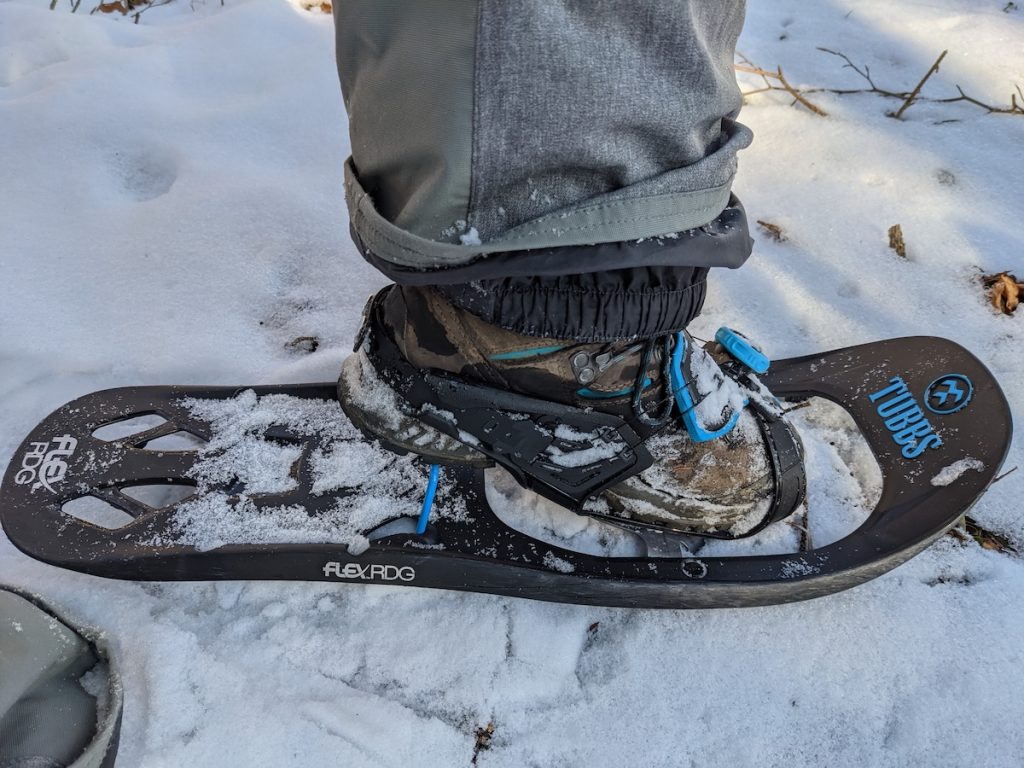
On a side note, walk slowly and watch your step while walking on icy sidewalks. Walking slowly and watching your step goes a long way, trust me. (I have never fallen on ice; I walk very slllloowww on ice. Too afraid to be embarrassed.)
But shoes are important. Don’t purchase anything that is fashion boots with no grip (flat surfaces); they don’t work.
I own a few – no good. Buy sturdy winter boots with a solid grip; they are waterproof and can withstand cold temperatures. Some recommended options are highlighted below.
🖤 Check reviews and prices
- For him – Click to get snow boot prices for men
- For her – Click to get snow boots for women
Depending on how much ice is on the trails, you may have to wear snow or hiking boots with ice cleats. Ice cleats are super light and can be added to any pair of boots.
🖤 Check prices of ice cleats here (get them faster with Prime delivery)
5. Accessories
Warm Socks
Wear warm (and thick) woolen socks. Some sock manufacturers will provide you with temperature estimates so you can choose wisely. We prefer wearing socks indoors – at home as well, to keep warm and toasty.
There are different types of socks available in the market. Merino wool socks are the most preferred for most outdoor activities. You will also find thermal insulated socks, which are thick and can be super warm as long as you wear sturdy shoes.
I only wear Smartwool socks, from their thin running socks to their socks optimized for snowboarding to thick ones for cozy cabins.
🖤 Check reviews and prices
- For Him – Click to view prices for socks for men
- For Her – Check prices for socks for women
Mittens or Gloves
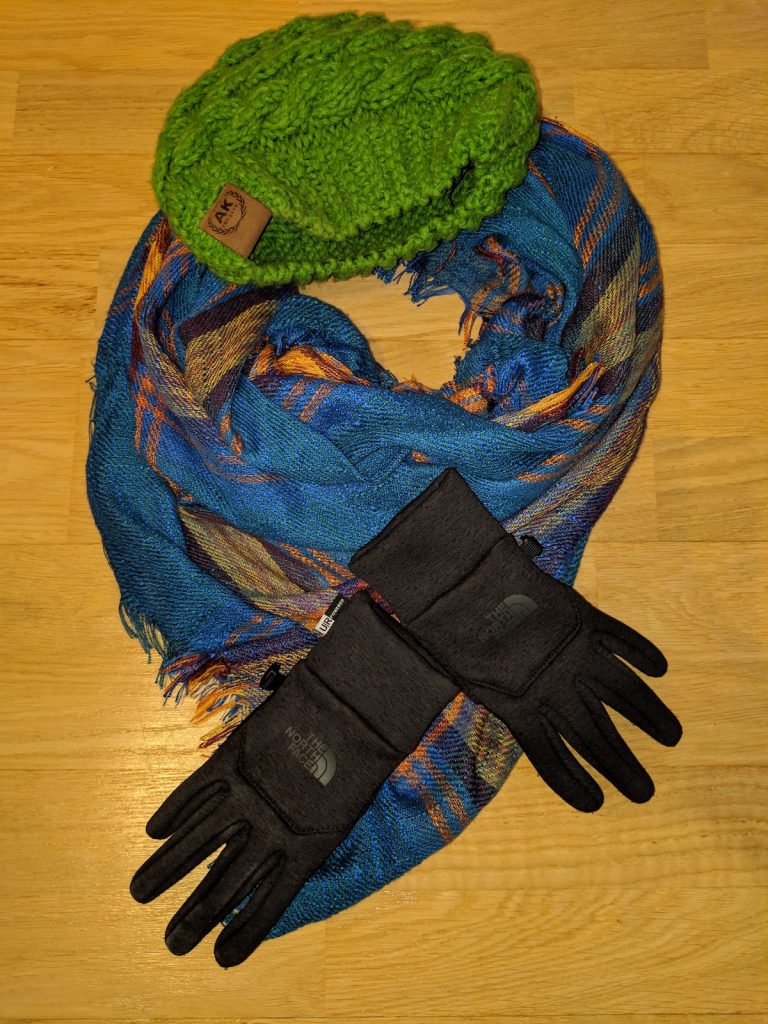
Winter brings dry hands, so keep them warm and toasty. Wear gloves. Affectionately, we call them mitts or mittens; made of wool, you can purchase them with or without fingers.
Gloves also come with touchscreen patches that work well on your smartphones and tablets on the go.
Without gloves, your hands will be bleeding (okay, that’s TOO much, but due to the wind chill and cold/frost, your hands will be super dry and could crack and bleed). Take care of your pretty hands!
🖤 Check reviews and prices
- For him – Get winter/ski gloves for men
- For him – Get touchscreen gloves for men
- For her – Get winter/ski gloves for women
- For her – Get touchscreen gloves for women
Want something cute and stylish for her? Pistil gloves for women are my favorite for exploring Christmas markets with Glühwein in hand.
Warm cap (Canadian Toque)
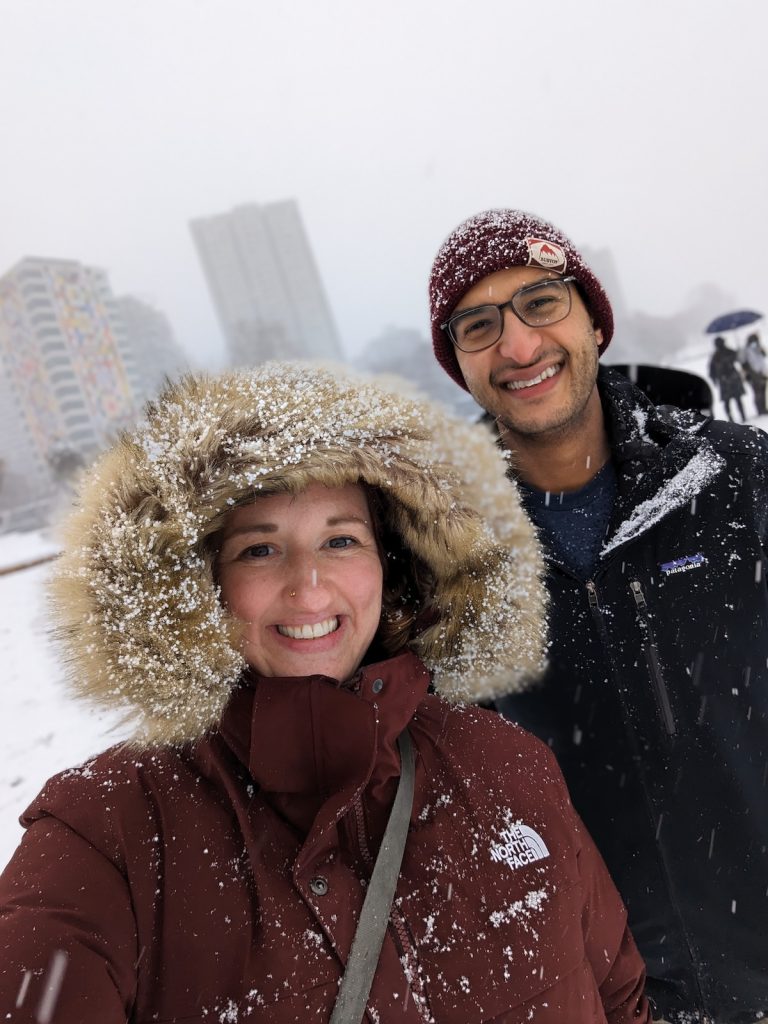
Before moving to Canada, I seriously disliked warm caps (my hair is fine, and it makes my hair look even flatter and with no volume!). But now I LOVE colorful toques. Plus, if you are having a bad hair day, it hides your hair. And most importantly, it PROTECTS you from the cold.
I have started experimenting with different colors and shapes (yes, fashionable guys), and don’t fight the cold without wearing a warm cap in Canada.
🖤 Check reviews and prices
- For him – Check reviews and prices – beanie for him
- For her – Check reviews and prices – beanie for her
Ear Muff
Headbands offer an alternative to hats, and they are often unisex. Headbands help protect your ears and eardrums from winter elements and keep them warm, while still allowing your hair to be up.
Neckwarmer
Scarves are pretty, and I adore them. But neck warmers are very functional and “hands-free,” so you can hold that bag (or wall or guard rail) while you walk.
Hand Warmer
Yes, there are gloves, and then there are hand warmers. They are like PERFECT Christmas presents too! So handy. The heat inside the pouch activates upon the touch of your hands and gives warmth; ain’t cool?
Use them if you are out and about hiking, waiting for the Santa Parade (yes, in the cold, usually in November), or waiting for a ride. It can easily slip into your purse or outerwear.
Other Canada Winter Packing Essentials
- Moisturizer for the face and body – Love my Body Shop Vitamin E for face and body.
- Face oil is also handy
- Hand Lotion – Carry hand lotion in your purse
- Lip Balm – Lipstick or lip balm is SUPER essential.
- Sunglasses – Winter sun is harsher on your skin than summer. Eyewear is essential.
- Take the sunshine whenever possible and use sunscreen
The Importance of Layering in Canadian Winters
We have listed all the important Canadian winter clothes and accessories. When you are styling, keep the following things in mind to stay warm while still looking great!
Every winter outfit will have 3 layers –
- base layer (what you wear underneath to stay warm)
- mid layer (to keep the heat in, yet be breathable) and
- outer layer (to protect against the main elements – snow, rain, etc.)
Always start with a warm base layer, add on insulation, and then put on your outerwear. Finally, style with your colorful winter accessories.
Base Layers
The base layer is your long johns or thermal top and bottom. You can buy them as a pair or separately and use them during winter.
Merino thermal wear does a great job of wicking moisture away from your body. And they can be worn under almost any outfit to help you stay dry and warm.
If it is not super cold, like in places on the coast or British Columbia, you can get by with tights or wool leggings under your pants/jeans for warmth.
- Recommended base layer top for him
- Recommended base layer bottom for him
- Recommended base layer top for her
- Recommended base layer bottom for her
Mid-Layer and Regular Clothing
Over your base layer, you can wear something like a cardigan or long-sleeve shirt. A light sweatshirt would also work as long as it doesn’t restrict your movement.
Choose items that are made of fleece, merino wool, or flannel to help you stay warm. Materials like these will keep you warm, and as they are breathable, you are less likely to get/feel overheated.
Pack your favorite pants and shirts focusing on options that are ideal for layering and are comfortable to wear. I love thick plaid pants, cords, and twill pants. I like long-sleeve shirts and tighter options for layering.
I always pack a cute dress with leggings, and one nice outfit for Christmas or New Year’s dinners in cold weather.
Outerwear
The heavy wool coat or the winter parka is your outer layer. A nice parka in a neutral color like tan, beige, or black will go a long way in styling with colorful winter accessories.
Winter or snow pants can be worn as outerwear when the temperatures drop a lot.
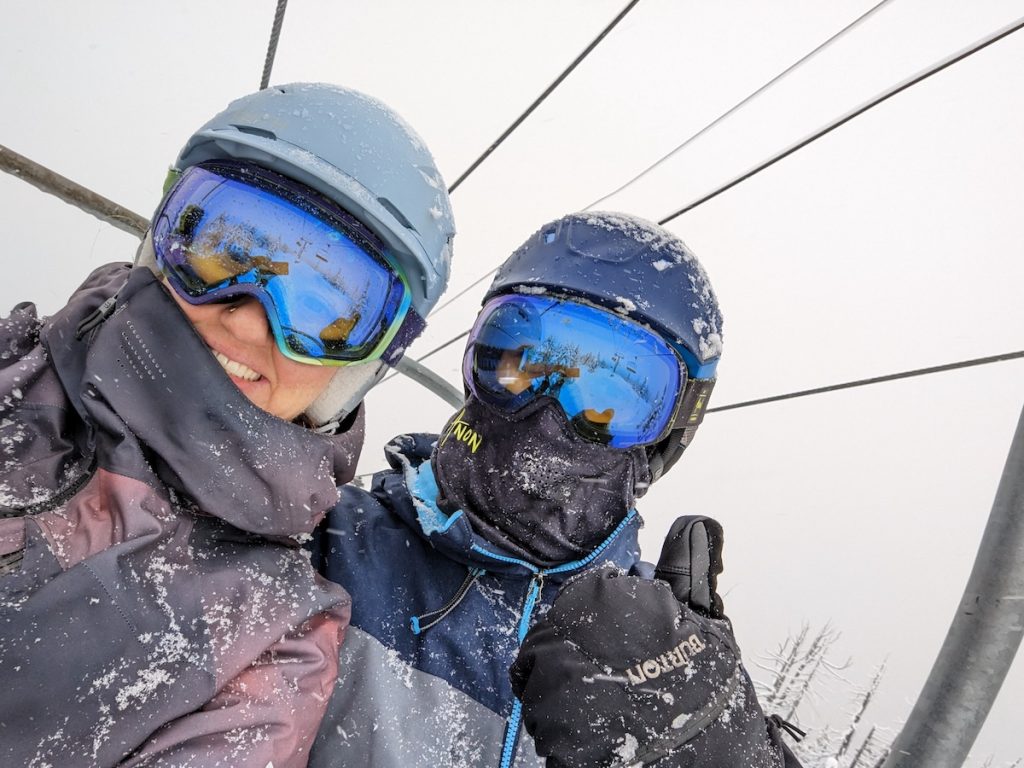
Tips: You must always wear proper gear when indulging in winter activities and snow sports such as skiing in various places, from Blue Mountain and Banff to Whistler. You should pack proper ski or snowboard pants of jacket if you are doing sports.
Layering For Outdoor Exercise
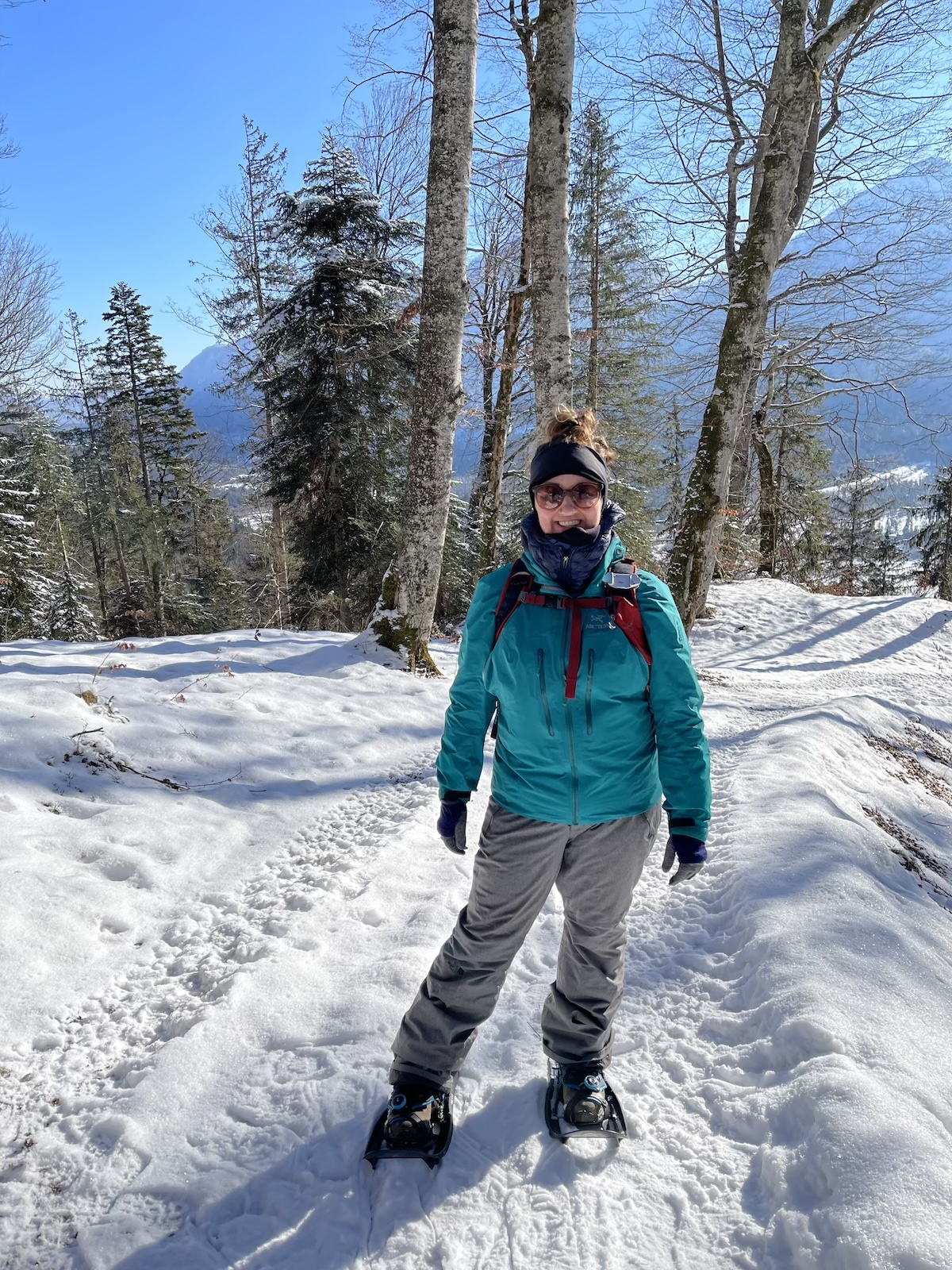
If you are coming to Canada to enjoy snowshoeing or hiking in winter, especially in a more temperate place like British Columbia, I swear by my hiking get-up.
I start with my Smartwool base layers, including top and bottom.
On colder days, I pair this with snow pants or insulated hiking pants, or just a simple snowskirt.
I highly recommend Arc’teryx waterproof shell. I then pair this with my technical fleece and Nano Puff. I wear this exact combo you see in a lot of my photos snowshoeing and hiking. I can take off and add layers as needed, and always stay warm and dry.
Accessories
Lastly, brighten up your outfit with colorful beanies (with a pom pom), patterned scarves, and gloves! If you are looking for Canadian souvenirs, get a pair of mittens with Canada’s colors and a maple leaf!
You can choose from a wide range of materials for your accessories, from cashmere and merino wool to heavy knits.
Canada Winter Packing List: Winter Wear Canada
Here is what a Canadian winter Clothing Packing list should look like
- Winter Jacket (or Wool Coat) – 1
- Long Johns or Thermal Tops and bottoms – 2
- Sweater/Cardigan – 2
- Regular tops – 2-4
- Winter Pants/Snow Pants – 2
- Jeans or Trousers – 2
- Snowshoes or boots – 1
- Warm socks – 2 – 4
- Warm gloves or mittens – 1
- Warm hat or beanie – 1
- Scarf – 1- 2
- Ear Muff – 1
- Neck Warmer
- Hand Warmers
- Lip balm – 1
- Moisturizer – 1
- Sunglass – 1
Canada in Winter Travel Tips for First-time Visitors
Travel Insurance for your Canadian Winter Trip
Traveling to Canada during the winter months can be a great experience, but it is important to ensure that you are properly protected in case of an emergency. One way to do this is by adding travel insurance for your trip.
Travel insurance will protect you from financial loss due to unexpected events such as medical emergencies, baggage or document losses, flight cancellations and delays, and other unforeseen expenses.
In addition to providing financial protection in case of an emergency, travel insurance may also provide peace of mind while on your trip.
Knowing that you have a policy in place can help you relax and enjoy your time away from home without worrying about the potential financial implications of an unexpected event.
Side note about winter driving in Canada – When renting a car, purchase auto insurance with a collision damage waiver and other levels of liability. Use winter tires and follow local news and information alerts to stay safe on the road.
What is Canada Like in Winter?
Visiting Canada in winter is a special experience that you won’t soon forget!
If this is your first winter in the Great White North, here are some travel tips to keep in mind as you plan your trip.
The first thing is that you must consider the weather conditions of the areas you want to explore; snowfall amounts vary throughout the country, so be sure to research the area you’ll be visiting.
In general, snowfall increases as you travel further north and at higher elevations.
There are cold temperatures, and then there are icy cold winter winds. Due to the latter, the face or any parts of the exposed skin may crack or even bleed – so always check the ‘feels like’ temps, wind gusts information, and any weather warnings before you embark outdoors!
Canadian winters are severe from December to February. In some provinces, snow can be seen on the ground until March or up to late spring.
Warm clothing is super essential (and that’s why you are reading this post). It’s important to dress appropriately for the cold temperatures; layered clothing is essential, including warm woolen socks, a winter coat, a scarf, a hat, and gloves.
Waterproof boots are also recommended to protect your feet from snow and cold temperatures.
If you plan on engaging in winter activities such as skiing, snowshoeing, or ice skating, make sure to bring along the necessary gear; renting equipment is an option if you’d prefer not to carry it with you.

Because you can expect cold weather during the early spring days too, it is recommended that you pack a lightweight jacket, along with a scarf, and comfortable walking or hiking shoes. It is a must-have, actually, at all times of the year when you are out and about!
- Nano Puff for him– Check reviews and prices for men’s Nano Puff
- Nano Puff for her– Check reviews and prices for women’s Nano Puff
For sightseeing, road trips are popular in Canada – even in winter. When driving in Canada in winter, be aware of potential hazards such as avalanches and frostbite. The roads may be slippery due to ice, snow, and slush. It’s important to make sure you have a reliable vehicle with winter tires, traction mats, and other supplies like blankets, water, food, and first aid kits in case of emergency.
To stay safe, be sure to take precautions like carrying a compass or GPS device if exploring remote areas, and researching the area you’ll be visiting in advance.
If you are uncomfortable driving here in the winter, we recommend booking guided tours. They will ensure you check off your Canada bucket list items and stay safe!
Overall, planning is key to making the most of your visit to Canada in winter; by taking these steps, you can ensure that your trip is an enjoyable one.
What Are the Best Places to Visit in Canada in Winter?
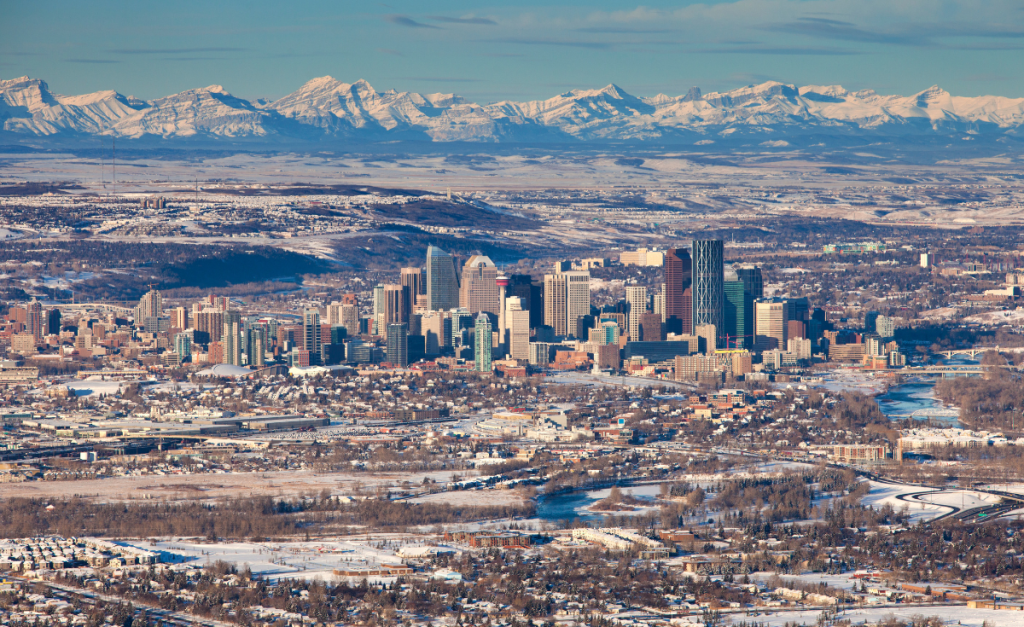
Canada’s cities offer the best hubs for winter experiences around the country. We recommend using the cities as bases to fly in and out and then taking off to enjoy the best of winter with a few days snowboarding, skiing, or visiting the Rockies.
- Read: Guide to winter in Toronto
- Read: Guide to winter in Vancouver
- Read: Guide to winter in Calgary
- Read: Guide to winter in Edmonton
- Read: 10-day itinerary ideas for Canada including stops for Whistler and the Rockies for snowboarding.
Comment and Share: What to Pack for Canada in Winter
Packing for a Canadian winter is challenging. With such diverse climate and weather patterns across the country, knowing what to pack for winter in Canada is hard.
Having experienced living in 3 provinces and after many winters in Canada, we’ve made sure to have all the proper gear and are sharing our top recommendations so you stay warm and dry.
If you are heading to Canada to travel this winter, this packing list and essential winter packing tips for Canada are everything you need. Save and share this guide so you come to Canada prepared this winter.
Curiosity Saves Travel Recommends
Accommodation: Booking.com to find accommodation with a Genius Discount and clear third-party sustainable certifications like Green Key. Look for local hotels.
Tours and Excursions: GetYourGuide and Viator for tours, excursions, and tickets. Never book wildlife experiences through these vendors.
Travel: Omio for booking buses and trains in English across Europe. After reducing the number of flights I take annually, I use Google Flights’ carbon comparison tool.
Car Rental: Rentalcars for the best rates in English globally. It is easy to find hybrids and EVs, and there are resources for finding chargers.
Packing Essentials: REI or your local Co-op has great essentials like reusable water bottles and cutlery sets. Patagonia for regenerative clothing. Farm to Feet for socks made with regenerative practices! Pistil Designs for cold-weather essentials. Osprey for bags that last 10+ years, like the day bag for hiking or my favorite carry-on.
eSIM: Airalo eSIM. Reduces waste from single-use SIMs. A total game-changer.
For Bloggers and Content Creators
Earn Ad Revenue with Journey by Mediavine
Earn with Stay22 Travel Partnership (my biggest source of income!)
Earn with TravelPayouts recommending tours and activities.