

22 Sustainable Beach Tips to Plan an Eco-friendly Beach Trip
I may earn income from affiliate links or partnerships in this post. I spend time to curate tours or products that align with my values. Thanks for supporting my work, at no additional cost to you. All words and images on this website are created by real people.
Are you curious about what actions you can take to protect our planet’s terrific beaches? Whether you’re jetting off to the Maldives for a week or enjoying a day trip to your local beach, your choices while planning and your actions at the beach can impact the environment and the communities surrounding these beaches.
Given growing concerns about climate change and the impact of mass coastal tourism, adopting these sustainable beach tips can be a meaningful step towards safeguarding our beaches, coasts, reefs, and the animals that rely on them. Plan an eco-friendly trip to the beach with these 22 sustainable beach tips—let’s dive in!
I curated these sustainable beach tips from months of research (some of this was from my MSc on tourism’s impacts on biodiversity), drawing insights from scientific research, case studies, and real-life examples. Hopefully, these tips empower you to make sustainable choices before, during, and after your trip to the beach.
These are all suggestions you can easily implement for an eco-friendly trip to the beach to deliver meaningful changes that will help preserve Earth’s extraordinary beaches for generations to come.

This is the second part in a two-part series. Before delving into these practical suggestions for sustainable beach planning, it’s crucial first to understand how tourism impacts these delicate regions. Take a moment to read the first part of this comprehensive series, which covers the impacts of beach tourism, both positive and negative, on beach and marine ecosystems. This foundational knowledge will provide valuable context as we embark on this journey toward responsible and sustainable beach adventures.
- Some of the photos are supplemented with paid stock images from Canva. My photos are credited as such.
Introduction to Sustainable Beach Planning
I never considered myself a beach person. Lying out in the hot sun, baking my fair skin while thousands of people jostle me for prime real estate, does not sound appealing. However, I think that might be the case for most of us. My fondest memories of visiting beaches are calming and enriching experiences.
I recently visited Haida Gwaii, the homeland of the Haida First Nation, and stayed at a beachside eco-lodge owned and managed by the Haida Indigenous Council. From our private cabin, the path down to the beach took us through a forest, spitting us out into a place full of rolling dunes covered with native sedge grasses; we traversed an area with driftwood pieces before finally catching a glimpse of the blue glittering Pacific.
Once at the beach, we saw dozens of seals and albatrosses bobbing in the waters and the spouts of whales in the distance. Shorebirds, chased relentlessly by the waves, desperately tried to grab a snack before the next wave came. During my long walks along the beach, I didn’t find a piece of plastic or trash.
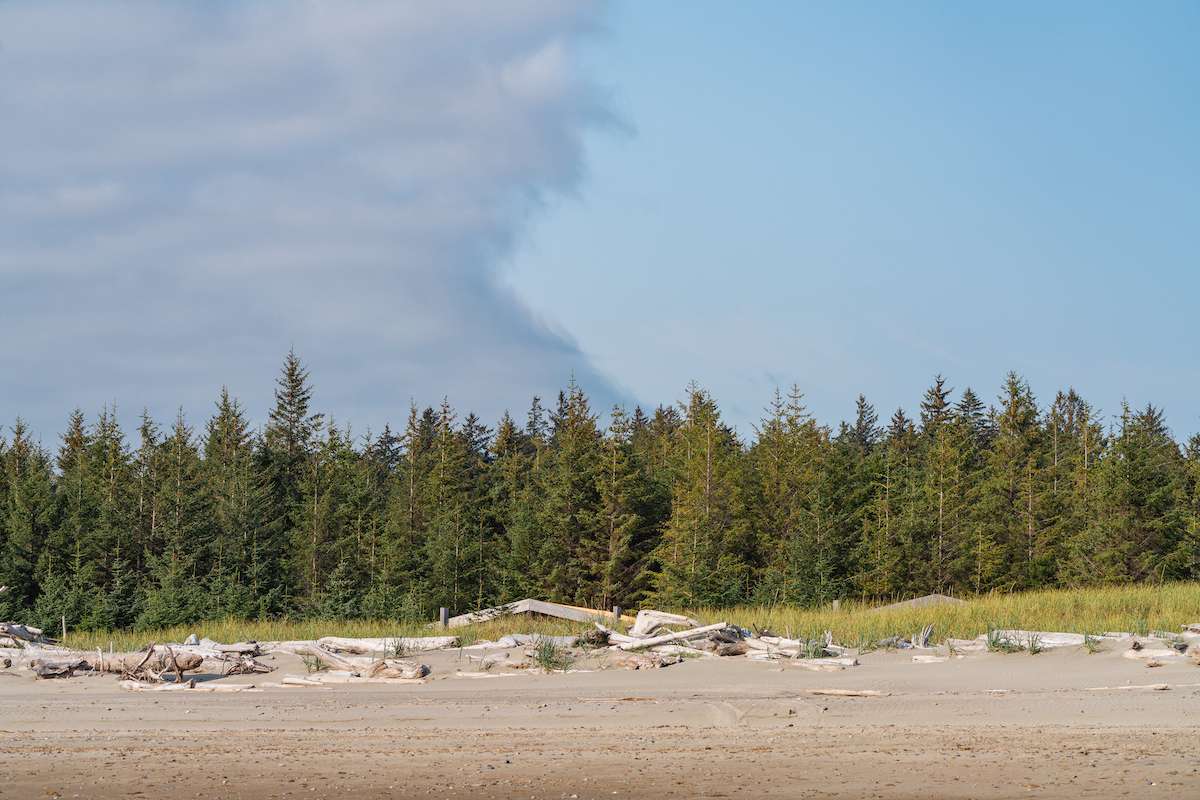
I started and ended every day of this vacation sitting on a piece of driftwood and gazing out in awe at the beauty of natural beach dynamics. The connection I felt to the beach here reminded me that I am, in fact, a beach person.
Even though I was staying at a beachside lodge, the Indigenous principles regarding nature meant that we would walk a few minutes to the beach, leaving the healthy dunes intact, protecting our cabins from wind and storms, and allowing nature to thrive. As you can see in my photo above, our beachfront cabins are a safe distance from the beach and protected by natural dunes, sedge grasses, and debris.
While this is a reminder of the importance of Indigenous land management, it is also a call to action to embrace and adopt sustainable practices to enjoy natural beaches and their numerous benefits.
Of course, not all beaches can be secluded pieces of paradise on remote islands. We often encounter crowded beaches full of tourists and locals seeking sea, sand, and sun, especially as temperatures climb annually and seasonally. And that is a perfectly valid experience as well.
Adopting sustainable habits at the beach means that these incredible beaches, whether secluded or packed full of people, will be around for many generations for us to enjoy. If we don’t, what’s at stake?

Visiting Tofino was a true treat. As you can see in the photo above, the beaches there were incredibly clean and well-managed. They were trash-free and had dog-free areas for protected species.
The Importance of Sustainable Beach Tourism
Beach tourism is one of the fastest-growing trends, with more people heading to the beach year after year. With this comes more negative environmental and socio-cultural impacts. To summarize my full-length post about tourism’s impacts on the beach, rising levels of beach tourism contribute to the following four main areas.
- Climate change, increasing natural disasters, and declining ecosystem function
- Increased levels of pollution
- Changes to biodiversity and impacts on wildlife
- Socio-economic impacts on the surrounding community
Coastal tourism can contribute to climate change and threaten natural beach dynamics, like damaging coral reefs. This means beaches can’t offer natural protection from hurricanes and rising sea levels.
Tourism is a significant source of pollution, from hotels dumping sewage into the ocean to plastic littering beaches and killing wildlife.
Wildlife tourism can impact animal behavior and kill whales, dolphins, and shorebirds.
Popular beach-front hotels can contribute to gentrification and the loss of goods and services supporting local communities.
All of these impacts also decrease our experiences at the beach. When enjoying a beach, we don’t want to see a bleached coral reef, dead animals with stomachs full of plastic, or displaced locals. So, taking action to protect the beach means we have a better experience.
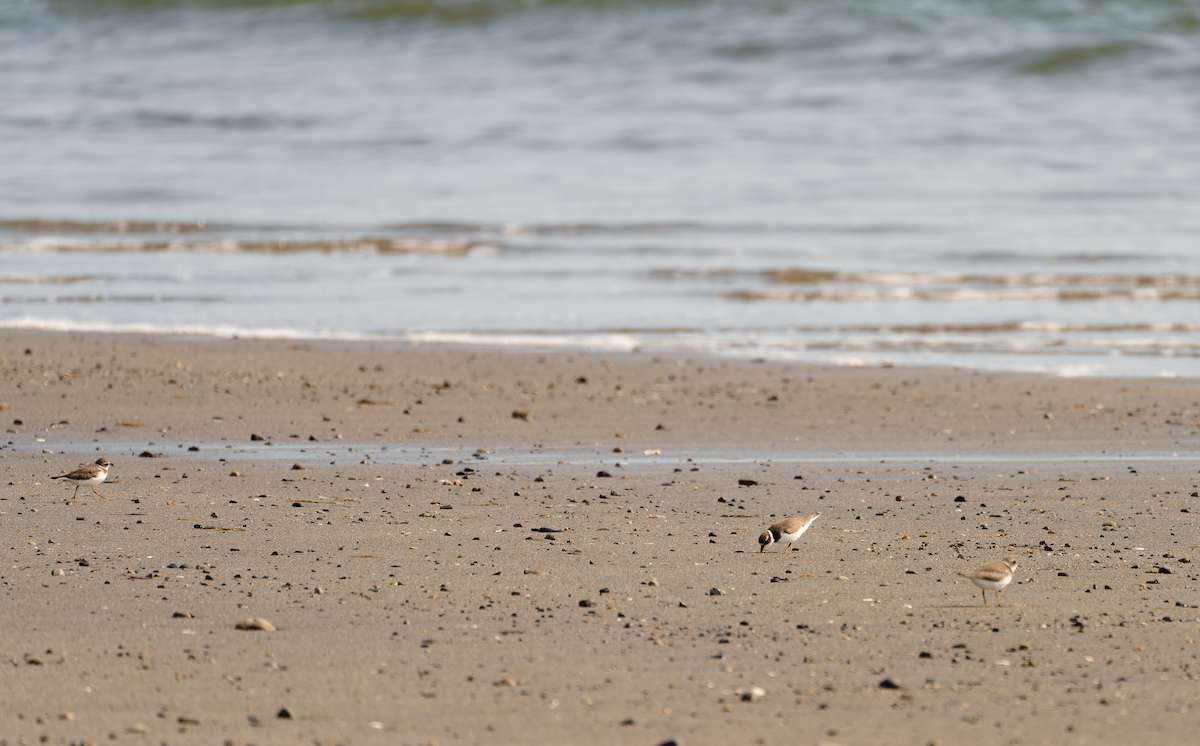
Alternatively, sustainable beach tourism is a key part of coastal management and can go hand in hand with conservation efforts, environmental education, and benefitting communities.
22 Sustainable Beach Planning Tips
1. Tread Carefully
I always said that in another life, I would be a Jain – the religious group that sweeps in front of their feet to cause no harm to any living thing in their way.
We should all embrace our inner Jain when walking along the beach, looking for life as we explore. As soon as you stop and look, you’ll often be surprised at the myriad of snails, crabs, anemones, sea stars, and other critters in the tide pools or buried in the sand that may be crushed under your feet. There may also be nests for shorebirds, a protected habitat for turtles, or the more obvious larger animals such as seals or marine mammals.
Keep a keen eye out for signs of wildlife, be mindful of the vegetation at the beach, and do your best to give them their space and leave their habitat intact. Below is my photo from a beach on the Pacific Northwest—it is teaming with life, and we want to be careful not to tread as we explore.
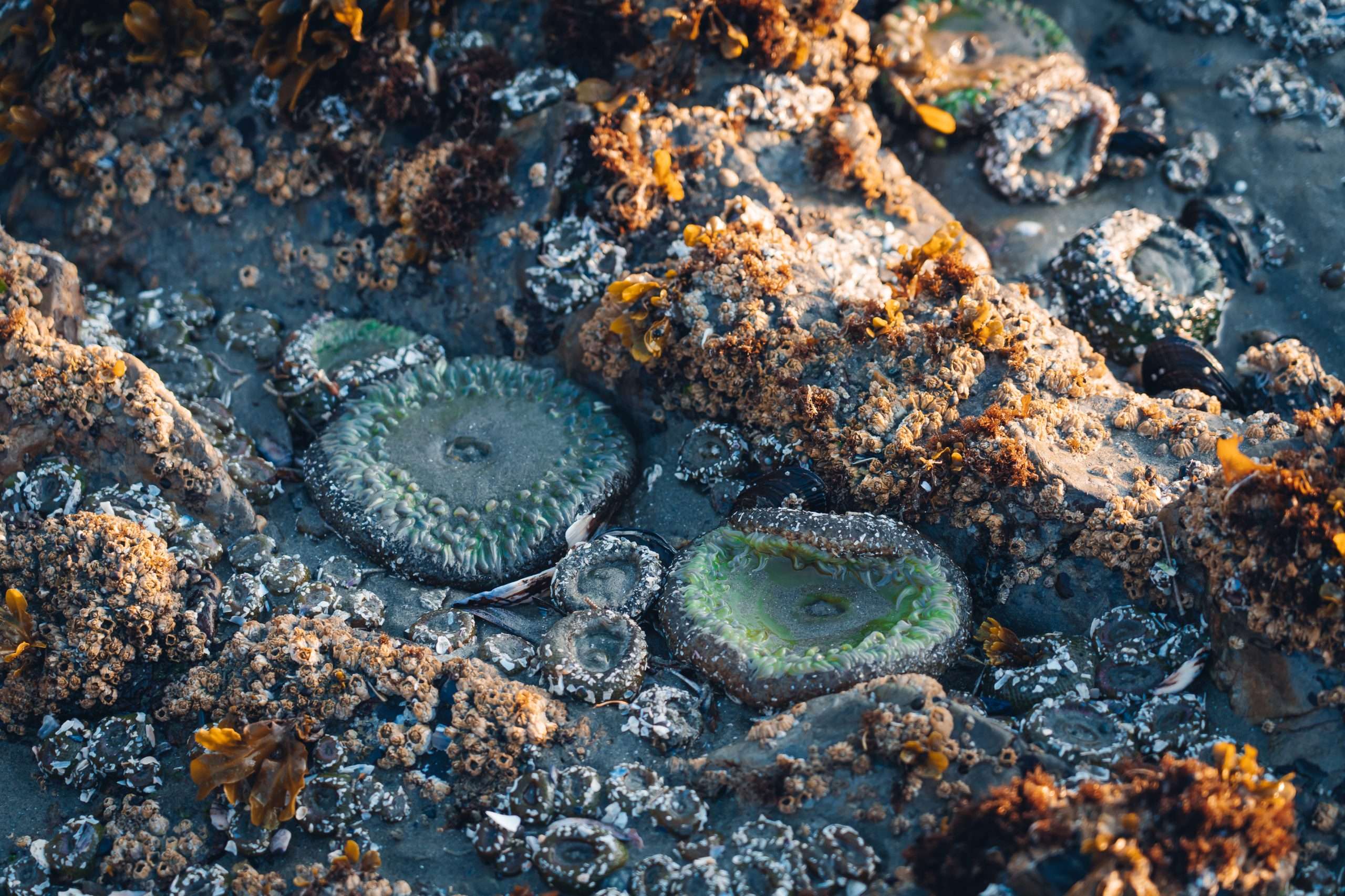
During our campervan van trip across Norway, we camped at a small rocky beach. As I pushed out my kayak for a sunset paddle, I noticed hundreds of snails clinging to the rocks. I was extra careful not to crush them. While it might not seem like the biggest deal to crush a snail, snails, mollusks, and slugs are some of the most threatened species due to the dramatic changes happening to their native ecosystem.
You can easily turn this into a game for yourself or your family and inspect the area for wildlife, identifying the species you see with the iNaturalist app, becoming a citizen scientist.
2. Ecotourism and Ethical Behaviors Around Wildlife
One of my favorite childhood memories was when my family went to Hawai’i. We got starchy fish pellet food for a couple of quarters, and as I dropped food in the water, dozens of colorful fish swarmed. The joy and hit of dopamine I got was thrilling. Many of us had experiences like this as kids or even very recently. While these experiences seem enjoyable at the time, they can alter the behavior and physiology of marine species.
Studies show that feeding marine life, such as fish, with food other than their natural diet alters the shape and size of their body due to poor nutritional value. Basically, the fish get a little chunky and don’t get the right nutrients to stay healthy. Additionally, if the fish begin to rely on this as a food source, they may struggle to survive the low-season tourist lull.
Guides who put bait in the water to attract wildlife, such as sharks or rays, for promised wildlife sightings disturb the animals and give them low-nutrition food.
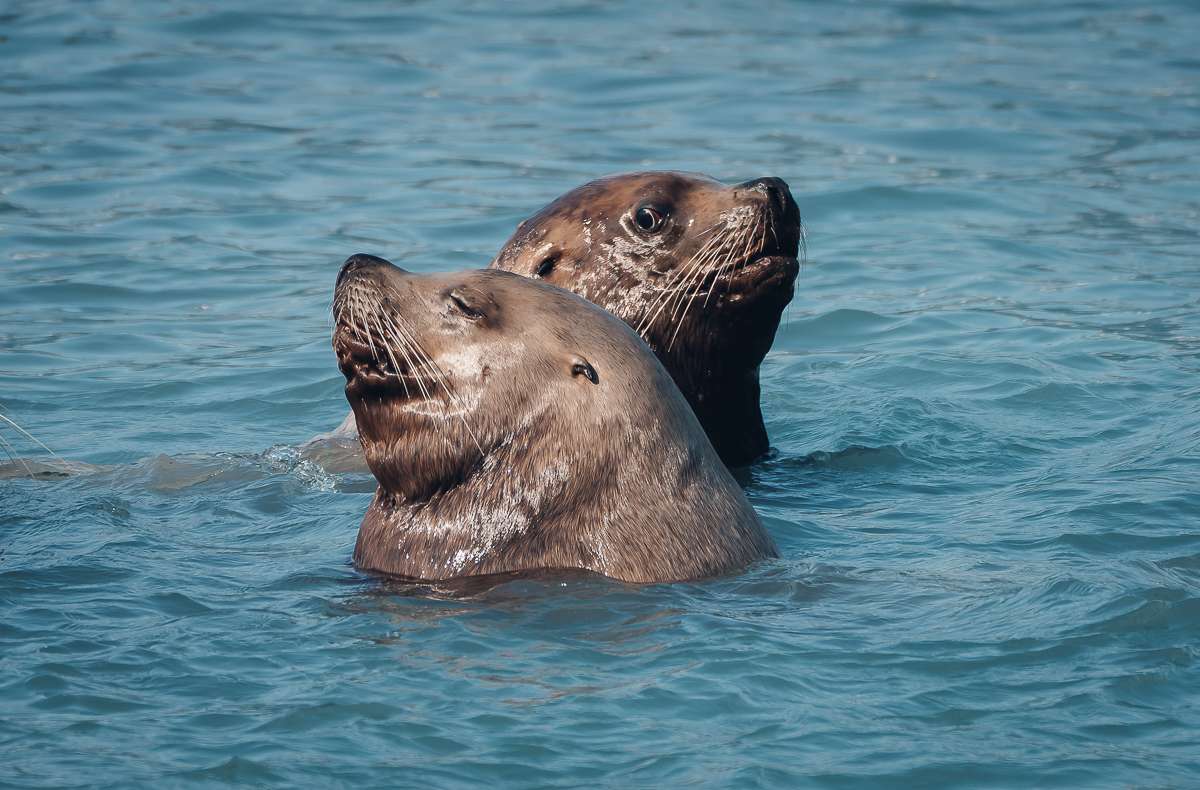
Feeding isn’t the only harmful interaction with marine and coastal wildlife. You should never touch wild marine life—even on a guided tour. Touching can harm animals or change their behavior, making them less likely to survive in the wild. Tour guides and tours should never chase, harass, or scare wildlife.
I took this photo of endangered Stellar Sealions from a safe distance with a great zoom lens. They were unbothered by me, and I got to capture their personalities on film.
When booking a specific ecotourism experience, you should follow all ecotourism principles contributing to equitable economic development, environmental conservation, and education while preserving cultural heritage.
Look for certifications (like WhaleSENSE) and tours that follow international, local, and conservation guidelines for wildlife, always keep a safe distance, and never promise sightings, chase, harass, trap, tough, or feed wildlife. WhaleSENSE is a science-based certification that can contribute to conservation. Keep your binoculars and zoom lens on hand for a better experience while keeping a safe distance.
I love recommending Major Marine Tours in Alaska because they are certified and locally owned and invite park rangers on board to help connect you to the environment. I took this sea otter photo while on a tour with Major Marine.

Not everything labeled ecotourism hits all three pillars, whether due to poor regulation or tour groups greenwashing to take advantage of the economic benefits. Boating noise, speed, and other disturbances can cause birds like Ospreys to flee their nests, abandoning their young. Disturbances like this occurred in a Marine Protected Area set up to protect the Osprey, but boating activities advertised as ecotourism harmed the birds, and their population started to decline.
Think critically and do your research to hire the right ecotourism company committed to people, places, and economic development.
3. Learn About the Beach At the Beach
Some might call me a sustainable travel nerd, and that’s okay – but one of my favorite things to do before visiting a beach is research said beach! My friends often ask me how I know so many random facts—I read the signs. Signs are great ways to learn about beach conservation, wildlife, and dynamics. Rules and signs can help us align with existing conservation efforts.
For example, if dogs are banned from the beach during the breeding season for a critically endangered bird, signs will be our first information point. We can’t expect to know everything before we arrive at the beach—when birds might be migrating, whether the dune grass needs to be protected from trampling, or if turtles lay their eggs in certain areas—but we can learn all this once we arrive there.
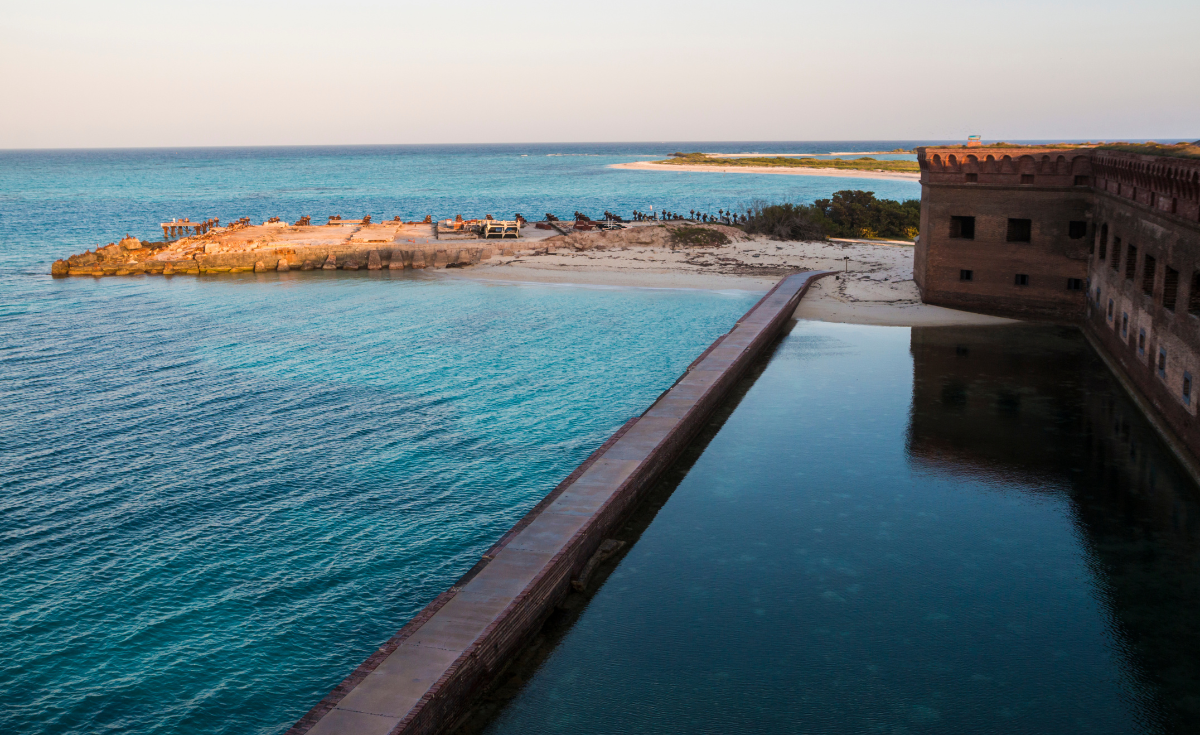
Another option is to spend a few minutes Googling for the types of animals one might find at the beach, their conservation status, and any pressing threats to them as a species.
Look up research on the impacts of tourism on the beach and community. Is this beach known for its particularly bad plastic pollution? That means you’ll want to take extra steps not to bring plastic trash. Are the beach-front resorts known to dump sewage into the ocean or contribute to outpricing locals? If so, perhaps choosing a bed and breakfast away from the beach is a more sustainable option.
If the beach is also part of a biosphere reserve, nature park, or other protected natural habitat, there might even be a visitor or cultural center you can drop by to learn more.
When you learn about the species, environmental aspects, and impacts of tourism, you can make more informed decisions based on your findings. Every beach is unique, and the impacts of tourism vary greatly.
4. Be Mindful of Your Pet
Unfortunately, dogs are incredibly disruptive to coastal and beach areas. I know they are cute and deserve the world handed to them on a platter, but there is a reason most beaches are dog-free or have leash requirements outside designated dog zones. It does not matter if your dog is leash trained because the impacts they can have may occur seconds before you call them back.
As innocent as it may seem, dogs chasing birds, seals, turtles, or other coastal animals causes them to flee. This depletes critical fat sources needed for migration or mating. Animals need every bit of energy to survive harsh conditions. Additionally, mothers may abandon their young in the presence of a dog.
So, while your pet may not directly kill an animal, simply chasing it can cause an increased chance of mortality during migration season, winter, or for young animals.
When your dog digs in the sand chasing crabs or other animals, it can harm wildlife or disrupt the fragile below-sand ecosystem, exposing animals working hard to hide from predators.
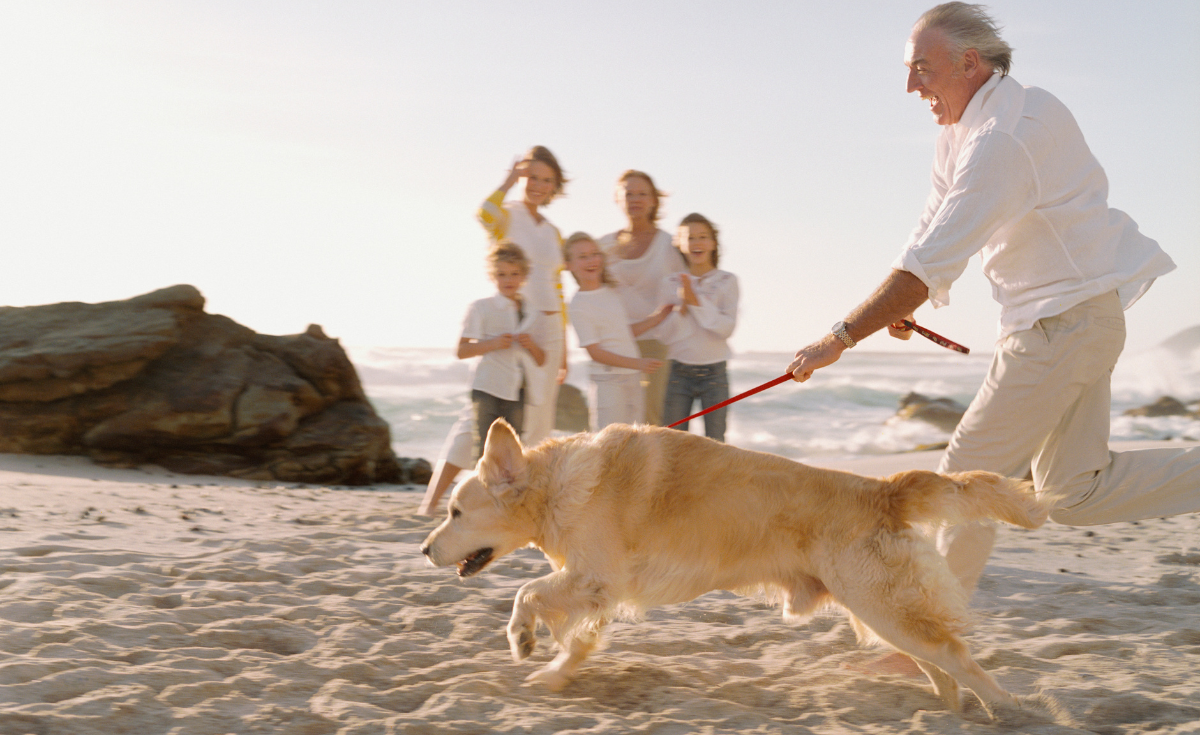
Ideally, dogs should be leashed on beaches, especially areas with wildlife, unless it is a leash-free dog zone. Be a responsible pet owner and obey all signs – if dogs are not allowed on a beach, it is likely to protect rare or vulnerable species.
Beaches in Tofino, Canada, have recently banned dogs because they harm endangered migrating birds. The beach first tried to tell owners to leash up, but after so many disregarded the leash rule – they banned all dogs. Keep your pet on a leash or in pet-friendly beach areas.
6. Plog – Do a Beach Clean-up
The Scandinavians are known for inventing a sport called Plogging – the act of jogging while collecting the trash you see along your route. Many will run with gloves, a reusable trash bag, and a poker to collect trash.
We can adapt this concept to beach clean-ups! Bring a biodegradable or reusable rubbish bag whenever you visit a beach. Spend 5 minutes doing a beach cleanup before you sit down to relax and enjoy the sea, sand, and sun. Comb the sand and walk along the shore where the waves break. Cigarette butts are particularly bad because they are toxic, contain plastic, and are easily ingested.
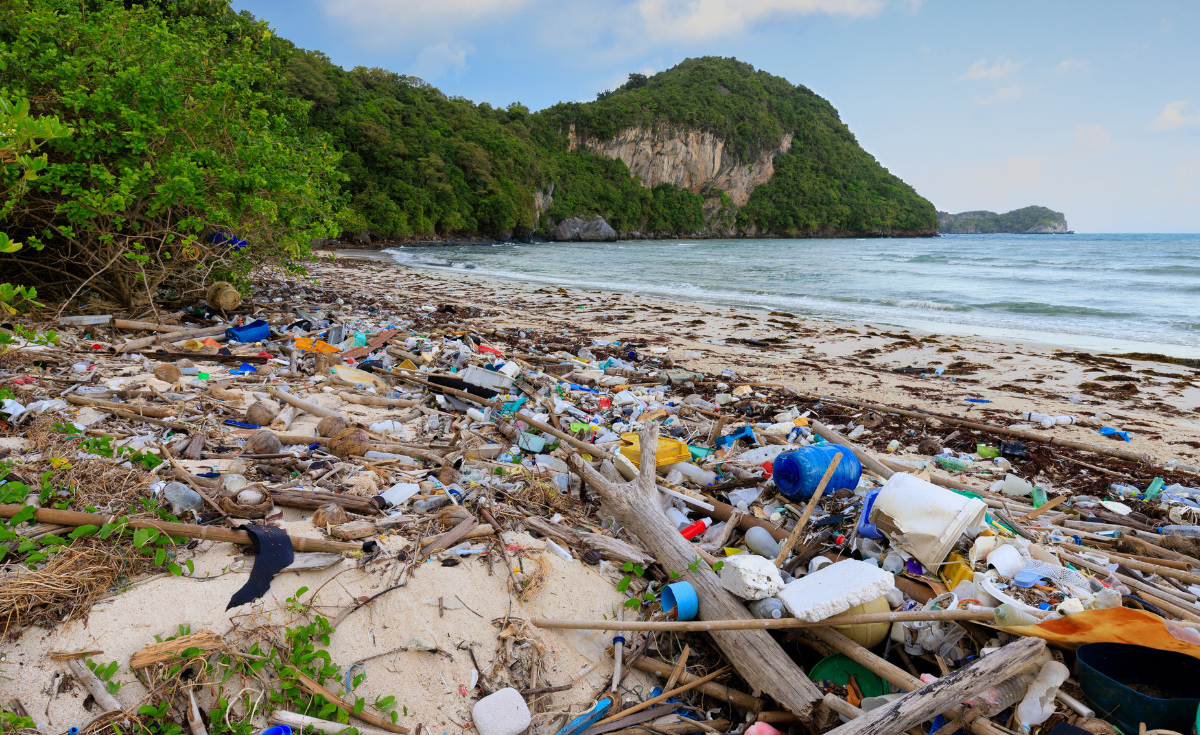
You don’t need long; five minutes can help manage the trash. You might also have a ripple effect where others see you doing a clean-up and will be inspired to do the same!
7. Pack Out What You Bring In
This should go without saying, but every item you bring to the beach should be left with you. Be careful as you picnic and unwrap food that all the wrappers and containers go immediately back into your bag. It can help to tie and secure your designated trash bag to something heavier so it doesn’t blow away.
Other everyday things you might accidentally lose at the beach and want to keep a close eye on are flip flops, beach balls, plastic shovels, pool floaties, sunglasses, and other bits and bobs you bring to the beach. Inflatables are particularly troublesome, as they are lighter and full of air – so the wind can easily pick them up and carry them away. These larger pieces of plastic can easily cause wildlife entanglement, while smaller pieces are easy to ingest – both frequently cause mortality.
Keep a close eye on these items and take note when you leave to collect all your belongings. On windier days, it might be good to leave the things that can blow away at home. Invest in good water shoes that won’t come off your feet, bring a designated bag for trash, and do one final sweep before leaving.
8. Ditch The Plastic
On that note, you should skip bringing plastic to the beach altogether.
No matter how much we swear the cellophane wrap we packed the watermelon in will not end up in the ocean, all it takes is a gust of wind and that baby is gone. The best way to prevent plastic from ending up in the ocean is not to bring any plastic, especially single-use, to the beach. Invest in a reusable cooler bag and stash things in stasher wraps, reusable containers, or paper carton materials.
Instead of flimsy single-use plastic cups, bring sturdy, reusable BPA-free glasses. You will be more motivated to keep an eye on something sturdy and regularly used.

Of course, you should also invest in a reusable, insulated water bottle to keep your drinks nice and cool even in the hot sun. Staying hydrated is essential; we want to keep those single-use water bottles away from the waves.
9. Leave Things as You Found Them
While we are on the topic of not leaving your trash behind and packing out what you bring in, this is a good reminder to leave no trace. And while that sounds like the two sustainable beach tips we just covered, this one is slightly different.
When we visit the beach, we engage in small-scale beach modification. We build sand castles and moats, start bonfires, and dig out places to sit. While this could also be called the section where “Susanna ruins sandcastles,” I am sorry to say that beach construction such as this could deter baby animals from reaching the ocean.
While the waves of time will eventually erode our sandcastles, obstacles such as this can prevent baby sea turtles from reaching the ocean, making them easy prey for predators.
I am not here to tell you never to build another sand castle or moat before you leave because half the fun of visiting a beach is to, well have fun, and people have been altering beaches for years. Making and enjoying your sandcastles and the seats you dug out for yourself is ok. But, I ask that you consider knocking it down and smoothing out the sand for the critters that rely on smooth sandy beaches.

Whatever you do to the beach to alter the sand, dunes, rocks, barriers, and more, do your best to return it to how it was before you found it. The baby turtles, burrowing critters, shorebirds, nesting animals, predators, and prey will all thank you for leaving it in the way they evolved to survive.
The other principles of leaving no trace can be helpful in this instance. You can learn more about the leave-no-trace principles and adapt them for your sustainable beach trip.
10. Make Sustainable Food Choices
Waterfront dining is the ultimate dream for us beach-loving foodies. Whether you enjoy the scenery of the sunset and crashing waves or you prefer to try the fresh catch of the day, the choices you make at coastal restaurants can have a significant impact.
Even though I am a vegetarian who often makes vegan choices, as a practical environmental scientist, I can fully advocate that sustainable seafood is vital to global food security and ocean conservation. But the key here is sustainable seafood.
As appealing as they sound, “local” and “fresh-caught” are not always synonymous with sustainable. They can be, but it is not a guarantee. Many regions suffer from over-fishing, and locally caught food might contribute to this problem. Other regions might serve fresh-caught endangered species. Delicacies like octopus mean the death of highly intelligent species.
On the other hand, fresh, local, sustainable seafood can dramatically decrease carbon emissions from transit and support a healthy local economy.
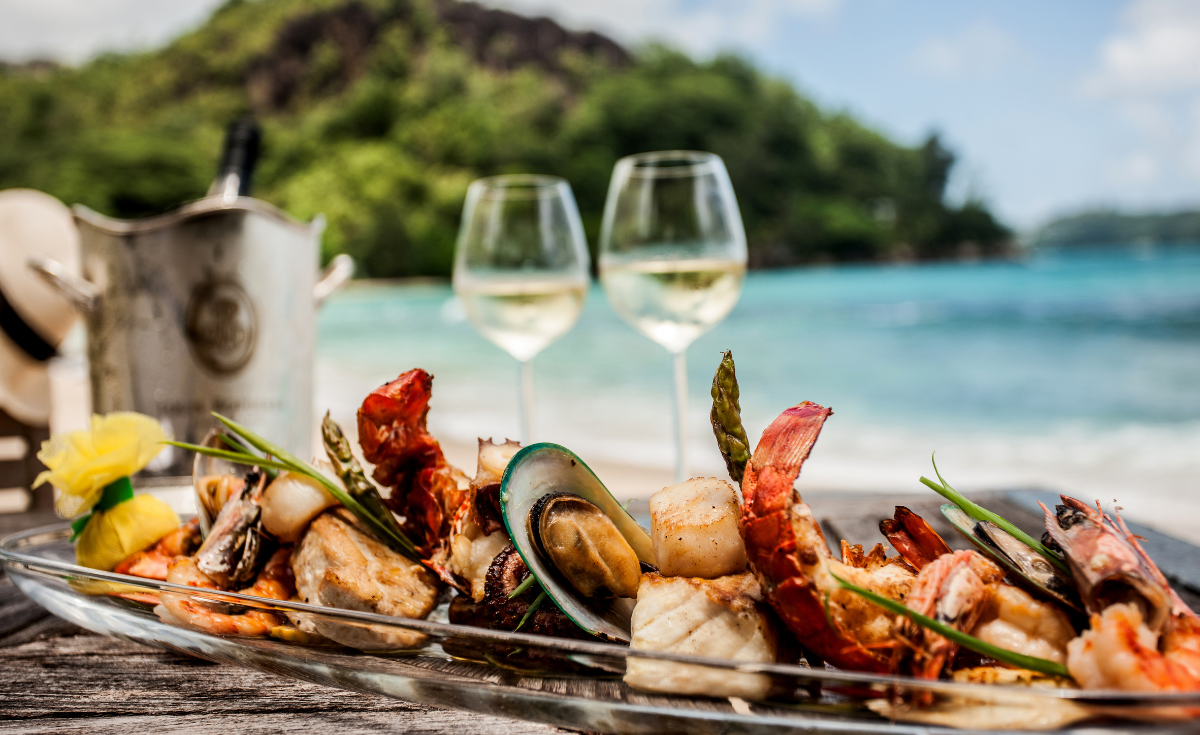
A little research can go a long way. Awareness of local fishing and seafood concerns is the first step to making sustainable and smart seafood choices. Hop onto Google and search for local fishing concerns, sustainability practices and regulations, and potential endangered species.
You can also look at restaurant websites for any certifications they might have, like “Ocean Wise,” “ASC,” “BAP,” or others. If you enjoy talking to locals, head to the local fresh fish markets, start a conversation, and get the insider scoop on the industry.
11. Slap on the Reef-Safe Sunscreen
Reef-friendly sunscreens have been making headlines as many countries, such as Australia, or states, such as Hawai’i, move to ban sunscreens that aren’t reef-friendly.
But what exactly is reef-safe sunscreen, and why is it important?
Most sunscreens contain toxic UV filters and chemicals. When we enter the water or wash these sunscreens off in a sink or shower, the chemicals come off our bodies and enter the marine ecosystems with several potential impacts, with more being studied. Generic run-of-the-mill sunscreens can severely affect the health of marine ecosystems.
- Small organisms ingest or absorb these chemicals, but once they enter the food web, they can transfer from species to species for widespread damage. They may eventually work their way up the food chain into the seafood we consume.
- Sunscreen chemicals can cover reef polyps. Polyps are a critical foundation for healthy coral reefs. The impacts of sunscreen can cause coral bleaching, damage DNS, and cause growth deformities.
- Dolphins and cetaceans can accumulate the chemicals on their skin and tissue, which can transfer to their young and potentially cause lethal impacts.
- UV filters that build up on sea urchins and mussels may cause deformities in young and damage reproduction.
- In fish, sunscreens cause infertility, reproduction complications, and even gender transitions in certain species. And while I fully support gender transitions in all species, we don’t want it to be because of nasty sunscreens.
- Chemicals can impede algae growth and photosynthesis.
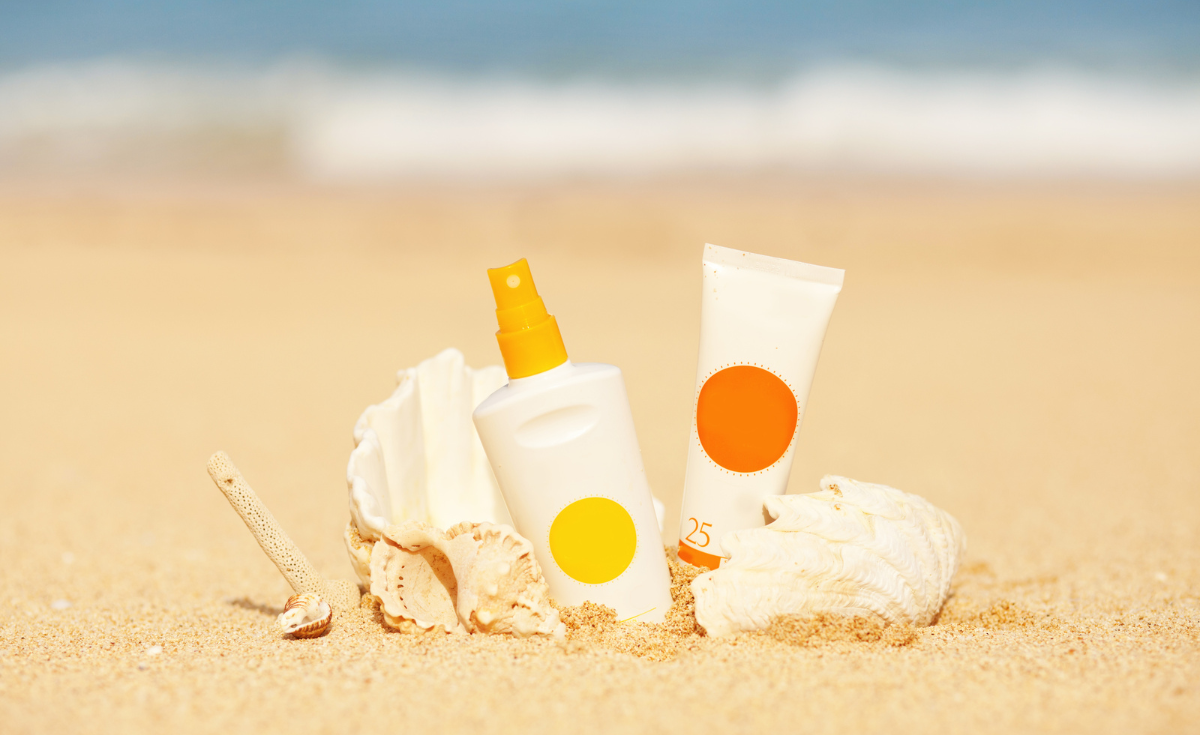
There are two ways to prevent toxic chemicals from entering the ecosystem. The first is to avoid the need for sunscreen, and the second is to buy eco- and reef-safe sunscreen.
To minimize the need for sunscreen, avoid direct sun, especially from 10 a.m. to 2 p.m. Seek shade with umbrellas or at a beachside bar, and wear sun hats, sunglasses, and UV-protective clothing.
Finding reef-safe sunscreen might be more complicated than you think. With little regulation, many companies can label their sunscreens as eco-friendly while still containing some potentially harmful chemicals. You’ll need to look at the complete list of ingredients to make sure you avoid:
- Oxybenzone
- Benzophenone-1
- Benzophenone-8
- OD-PABA
- 4-Methylbenzylidene camphor
- 3-Benzylidene camphor
- nano-Titanium dioxide
- nano-Zinc oxide
- Octinoxate
- Octocrylene
Ganesh, with his darker skin, loves Black Girl sunscreen. The natural ingredients in this Black-women-owned brand are great for darker skin types and all skin types, including mine.
However, I love Australian-owned zinc-based Blue Lizard. Australia is leading the market with reef and eco-safe sunscreen to protect the Great Barrier Reef, so Aussie brands are a great go-to. NOAA has compiled this excellent infographic, a helpful resource for summarizing the research.
12. Choose Your Accommodation Wisely
Your choice of where to stay during your beach vacation significantly impacts the environment and the community. In the first part of this series, we learned about how mega beachside resorts that run along the beach for miles can ruin the beach’s natural ability to protect itself from storms or dump excessive amounts of sewage into the ocean. At the same time, short-term rentals can contribute to gentrification and housing shortages.
This sounds like a lose-lose situation. Well, to be honest, it is – we are damned if we do and damned if we don’t. But there are ways to minimize our impact, including research and awareness. Your first choice should be to find smaller, locally-owned, and eco-focused accommodations.
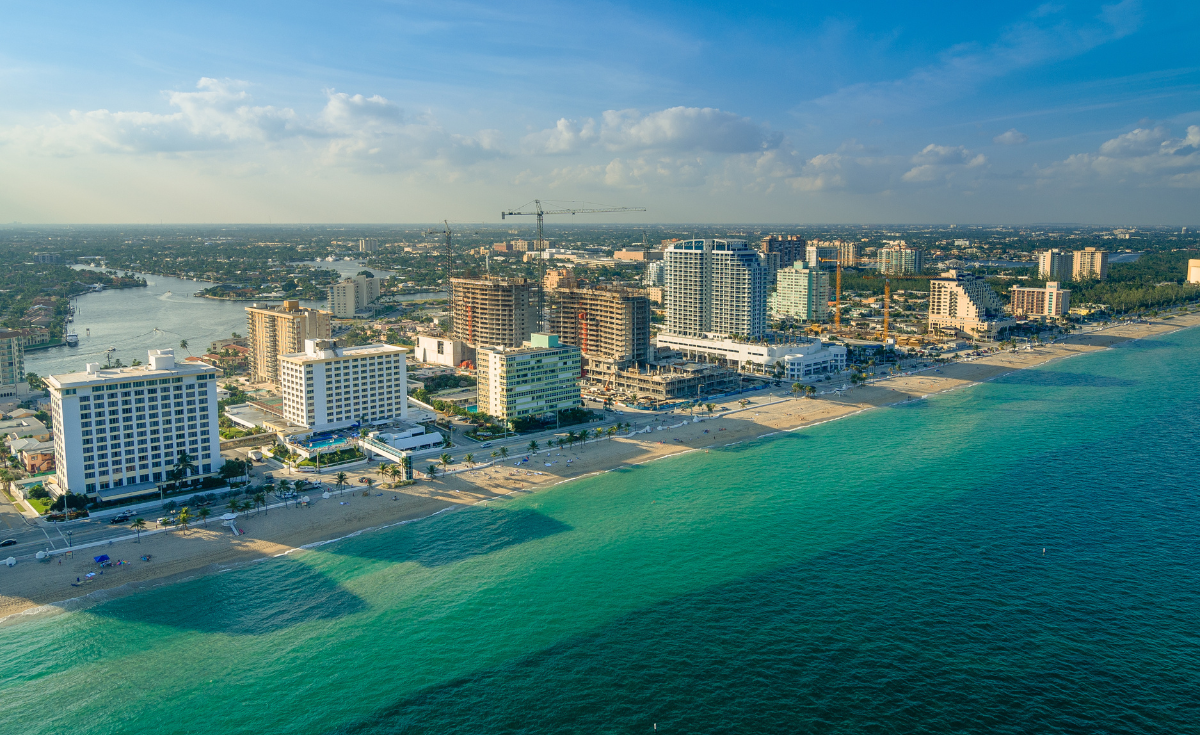
Research the hotels you choose, looking for certifications and their commitment to the community and environment. The next step is to research local problems—is it gentrification from Airbnb? Erosion from mega-resorts? Are smaller hotels dumping raw sewage in the water? Based on your findings, you can make an educated decision about the best hotel for the circumstances.
When visiting Tofino, Canada, for my anniversary, I knew sewage and waste management were concerns for the region. I made efforts to book accommodations that were mindful of this issue. They supported natural beaches and surrounding forests, encouraging us to participate in beach clean-ups.
13. Embrace Natural Beach Dynamics
Our image of what makes a beach beautiful is often a modified beach that no longer performs its vital ecosystem function.
Whether resorts plant non-native palm trees that contribute to erosion or hotels remove dunes to offer their guests a better view of the ocean, which causes increased flooding, these changes impact the environment and our safety.
While some science-based changes incorporating green infrastructure can benefit nature and humans, most changes simply for tourism aesthetics are not beneficial. Every change chips away at a beach’s natural ability to protect coastal communities from flooding, storms, erosion, and loss of water quality.
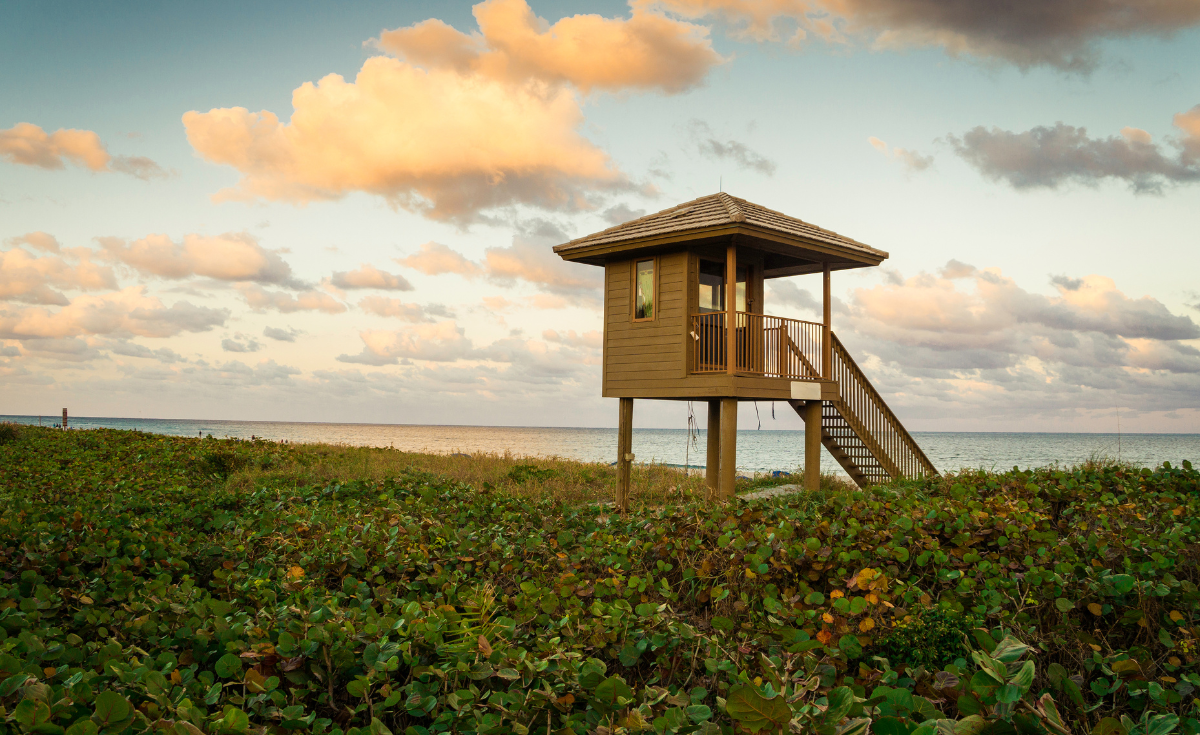
In some cases, beach modification is so severe that when a tourist resort in Sri Lanka removed dunes to offer better beach views, it was utterly destroyed during the 2004 Indian Ocean Tsunami. At the same time, other places with intact dues were protected.
I recently stayed at a beachside eco-lodge owned by the Haida Indigenous Nation. While our lodges were considered beachfront, they were set away from the beach. Between our lodge and the ocean was a section of natural sedge grass, dunes, forest, and a wide strip of beach with driftwood and other debris. The beach was utterly natural, and while walking to the beach took a few minutes, we had amazing protection from strong winds and enjoyed rich wildlife and a stunning natural beach.
Part of this involves adjusting our perceptions of what makes a beach pretty. While crystal clear waters, perfect sand, and native palms are part of some beach ecosystems, they are not widespread features. Learn what healthy beaches look like in the region you visit, and praise that!
As visitors, if we appreciate natural and native beach dynamics through social media content, write feedback to hotels that uphold these values, or simply visit natural beaches, we begin to shift the narrative.
14. Boat with Caution – Think Twice Before Cruising
Beach-side vacations are often synonymous with boating excursions, but boating activities can have many side effects. Boat anchoring is linked with significant coal reef destruction. Coral sites in areas with heavy anchoring are smaller in surface area and less dense. That means the entire coral ecosystem is fragmented, less productive, and less efficient at breaking storms.
Boats also contribute to the spread of invasive species. Highly problematic species like zebra mussels cling to hauls and travel outside their native habitat, hurting aquaculture, clogging waterways, and killing native mussels. Aquatic weeds and invasive plants can also travel in propellers or bilge tanks that can suffocate fish and wildlife, clog waterways, and more.
But, you’re probably thinking – well, I have no control over where my tourist excursion boat is anchored or whether they clean and check for invasive species. And yeah, you probably don’t have direct control over where your tour boat anchors, but you do have a choice in the tourism operator.
Finding tourism operators offering boating experiences committed to environmental preservation and certifications is an excellent place to start. These are the types of operators to be mindful of, where they anchor and their potential to spread invasive species.

Before we move on from boating tips, we need to cover cruising briefly. While the topic of the cruise industry’s negative impacts warrants its own dedicated article, I’ll touch on a few as they relate to the beach and coastal communities.
Large multi-national cruises contribute to water and air pollution, tourism leakage, exploitation of human resources, overcrowding, and pressure on resources like waste management for coastal towns. In some cases, companies like Carnival have been in and out of court for violating environmental law, engaging in serious greenwashing, while still taking every chance to dump pollutants into the water.
Find a sustainable alternative to cruising if that is an option. If you do cruise, choose a smaller cruise line like Uncruise or a locally owned cruise like Alaskan Dream Cruises, which can help minimize these impacts. At the very least, support companies with waste and pollution management safeguards ranking higher on the environmental report card.
15. Hit up a Blue Flag Beach
The Blue Flag Certification is an easy-to-find assessment tool for sustainable and accessible beaches. When I travel, I always look to see if there is a Blue Flag beach in the vicinity so I can make sure to visit.
The Blue Flag Eco-certification is given to beaches that meet rigorous environmental standards, such as waste-free beaches, facilities, environmental education, and conservation. Blue Flag beaches are also known for their progressive accessibility features, from wheelchair access to floating wheelchairs.
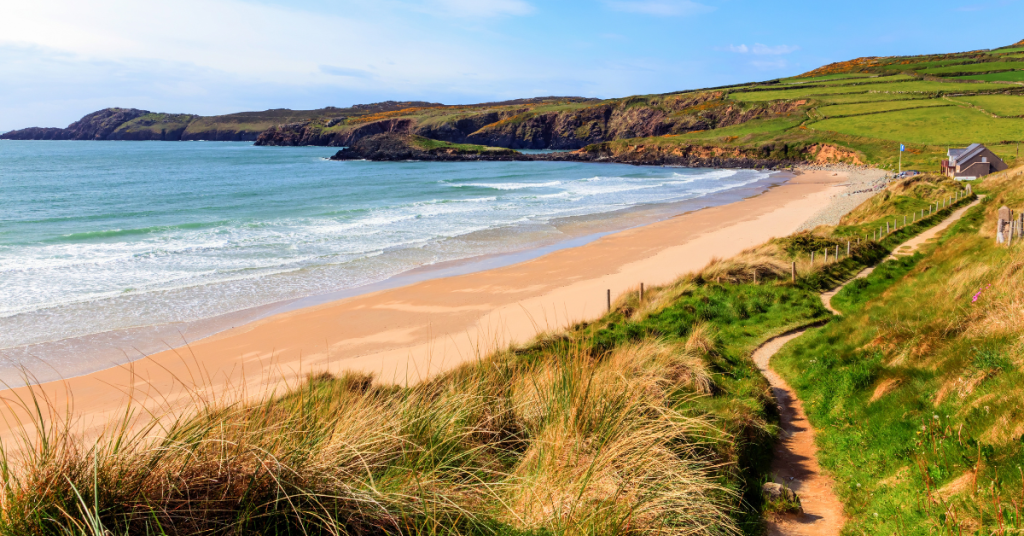
Learn all about Blue Flag Beaches, including the best ones worldwide, in my detailed guide.
16. Take no Natural Souvenirs – Buy Ethical Souvenirs
Another childhood memory I had was collecting shells, rocks, and sand. We had little vials of sand from every beach we visited, and as a beach-loving family, this was such a meaningful memory. Collecting natural souvenirs might seem like a great way to make memories and remember the beautiful beaches, and it was, but now that I know better, this is something I avoid when going to the beach.
It sounds harmless to take natural souvenirs – it even sounds like it might be better than cheap plastic trinkets, right?
However, each grain of sand, shell, rock, or coral plays an essential role in the beach ecosystem. Those shells are waiting with a for-sale sign for new hermit crabs or other shell-seeking critters. The sand and rocks help with erosion, protect those hiding from rain, and protect animals needing a dark, moist environment during low tide. Corals break down and generate new materials.
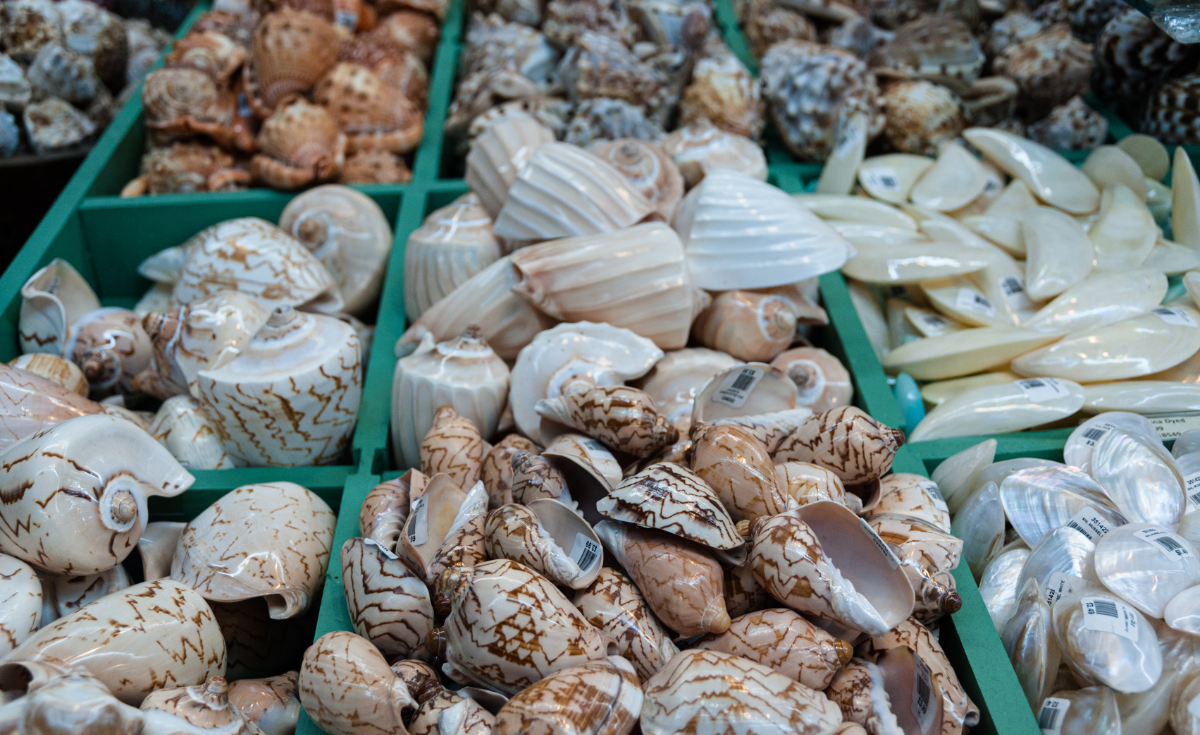
No matter how unimportant something might seem, remember that animals in these ecosystems have evolved to rely on every part of their environment, and it is best to leave things as you found them.
Collecting shells can be so detrimental to the environment that many places have banned it, and it is punishable by law. When I was in Cagliari, Italy, this last autumn, as soon as I arrived, I was greeted with a large sign saying that collecting shells, rocks, and other natural souvenirs from the beach was illegal. You could be fined thousands of dollars.
In other places, such as Haida Gwaii, collecting Agate is offensive to the Haida Indigenous People, and they ask you to respect their homeland by taking a pledge not to take anything from their beaches.
You can look, hold, observe, and photograph, but leave them where you found them before you leave the beach.
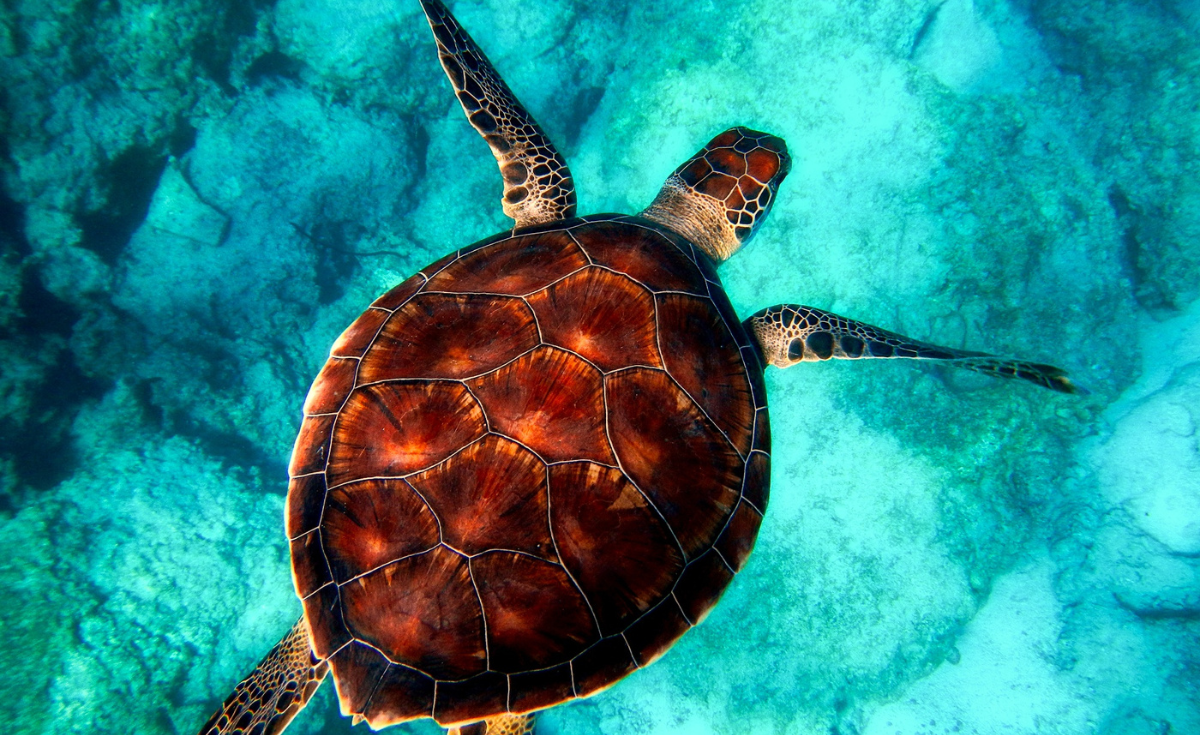
Buying souvenirs can also be problematic. Many souvenirs at beachside shops could be made with parts of endangered or trafficked animals. Have you heard of tortoiseshell jewelry? While there are great fake knockoffs, the real deal comes from actual turtle shells. The critically endangered hawksbill turtle has a gorgeous shell, and unfortunately, it is illegally trafficked and often ends up as a souvenir.
If you buy a souvenir at the beach, do your due diligence to ensure it is ethical and legal and supports the region’s local craftsmanship.
17. Rewear Your Sustainable Swimwear
Think about what you wear to the beach. Invest in sustainable swimwear that will last you a long time. I own only two sustainable swimsuits that are made to last. One is for athletic adventures like paddle boarding from B Corp Athleta and active swimming, and the other is a more fashionable piece from a small woman-owned Baiia that I wear on vacation. I am happy to re-wear these swimsuits; after years of owning them, I know they maintain their quality.
You don’t need dozens of swimsuits; just one or two made from eco materials designed to last will do you good.
Look for suits made from recycled ocean plastics, seaweed fabrics, or high-quality materials that will last you for years.
18. Respect and Support Locals and Their Culture
Mass beach tourism can have a wide array of impacts on local coastal communities, many of which are Indigenous or in vulnerable environments, like Small Island Developing States. When holidaying at beaches and island destinations, remember the locals and their culture.
First, remember that real people live nearby no matter what beach you visit. These people also want access to clean and safe beaches. Respect locals’ right to access beaches in their communities and keep them clean and safe for everyone to join.
Beach communities often have a rich cultural heritage from the Indigenous people of Hawaii, Indigenous Pacific Islanders, and Indigenous People in Dominica. Try to learn about their culture, support them by hiring them for ecotourism excursions, stay in Indigenous-owned eco-lodges, and stop at a cultural center.
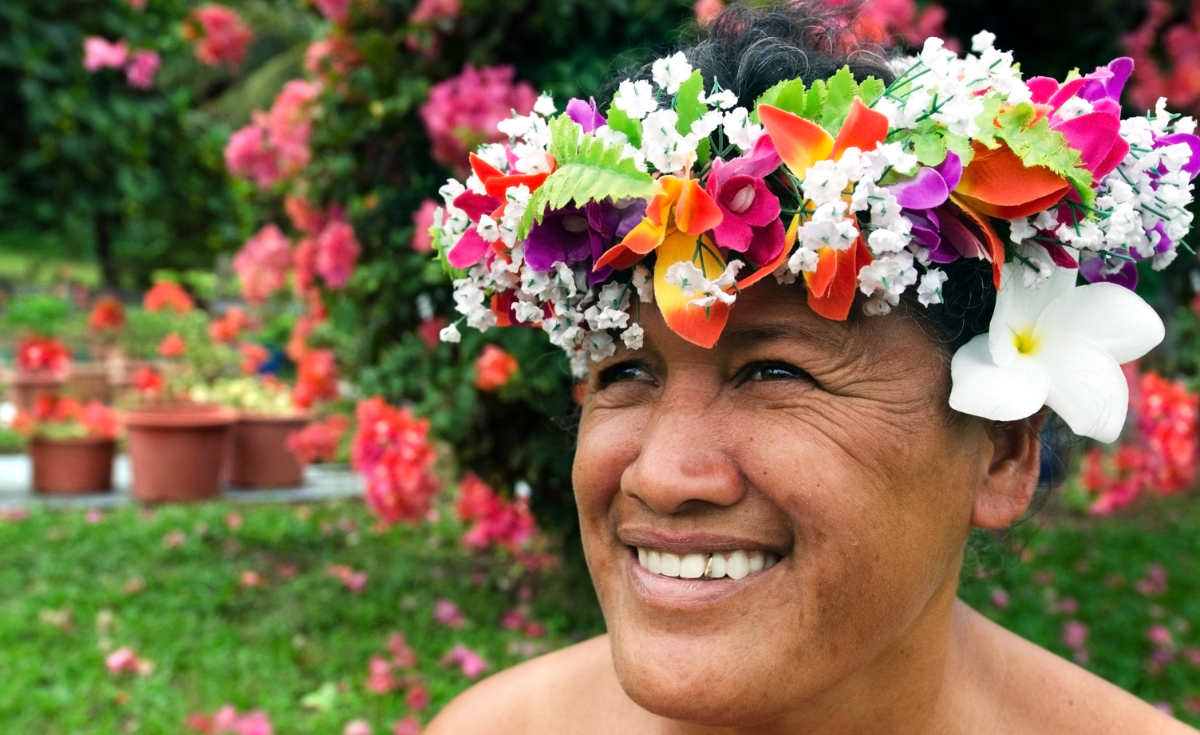
Most importantly, I want to learn about their potential conflicts with tourism. In Hawai’i, many Indigenous people lack access to water and land, as tourism enterprises hog the resources. Respect these conflicts and make ethical travel choices based on what you find—for example, staying at a local bed and breakfast that conserves water or avoiding specific destinations during drought or peak season periods.
19. Responsible Swimming and SCUBA
SCUBA diving seems a great and responsible way to enjoy the underwater environment. However, studies have shown that SCUBA activities often damage coral reefs. In some studies, nearly 88% of divers touched coral reefs, whether accidentally or intentionally, with their hands, fins, or other equipment. Even if you are not diving, be careful of your actions when swimming.
Contact with coral results in pieces breaking off. Contact can also cause a “shutdown reaction” when the thin living layer is abrased or scraped off, exposing the skeleton and making the entire coral vulnerable to disease. If the coral doesn’t succumb to disease, it takes decades to recover fully.
If divers or swimmers get too close to the ocean floor near coral communities, they can kick up sediment, covering corals. This can result in asphyxia, abrasion, a reduction in live coral cover, and hard exoskeletons.
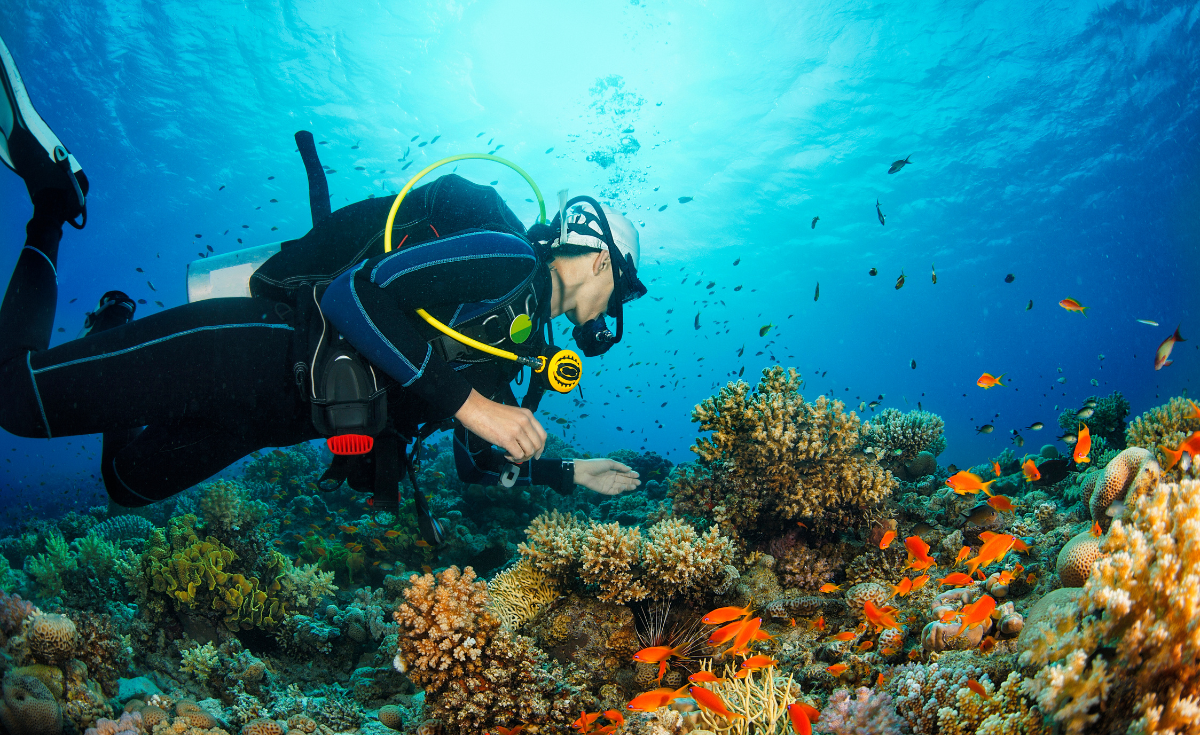
Corals are critical habitats for keystone species and coastal protection from storms, rising sea levels, and erosion. They are incredibly sensitive and recover slowly. Swim carefully around any coral reefs or other vulnerable marine habitats.
If you are diving with a company, ensure they follow all environmental guidelines, like QUOTAS, role model good behaviors, and correct and call out bad behaviors.
20. Be Mindful of How You Get to the Beach
Think about how you are getting to the beach. Ideally, you’ll choose an eco-friendly and environmentally-focused local accommodation within walking distance of the beach. The next best option would be to rent a beach cruiser bike with a basket for your swim bag and tote. Many beaches have amazing promenades that are great for bike access to the beach.

Otherwise, check public transportation options. When I was most recently in Sardinia, my friends and I took a local bus to the beach. Maybe there is a train with direct drop-off near the beach. Choosing a local, environmentally certified ferry is better than a short flight.
Opt for the option with the least carbon and minimal environmental impact.
21. Go Carbon-Free
Speaking of carbon, challenge yourself to go carbon-free once you arrive at your destination. If you are physically able:
- Choose kayaking over motorboating
- Choose a scenic coastal walk over a helicopter tour
- Choose paddleboarding over jet skiing
- Go sailing
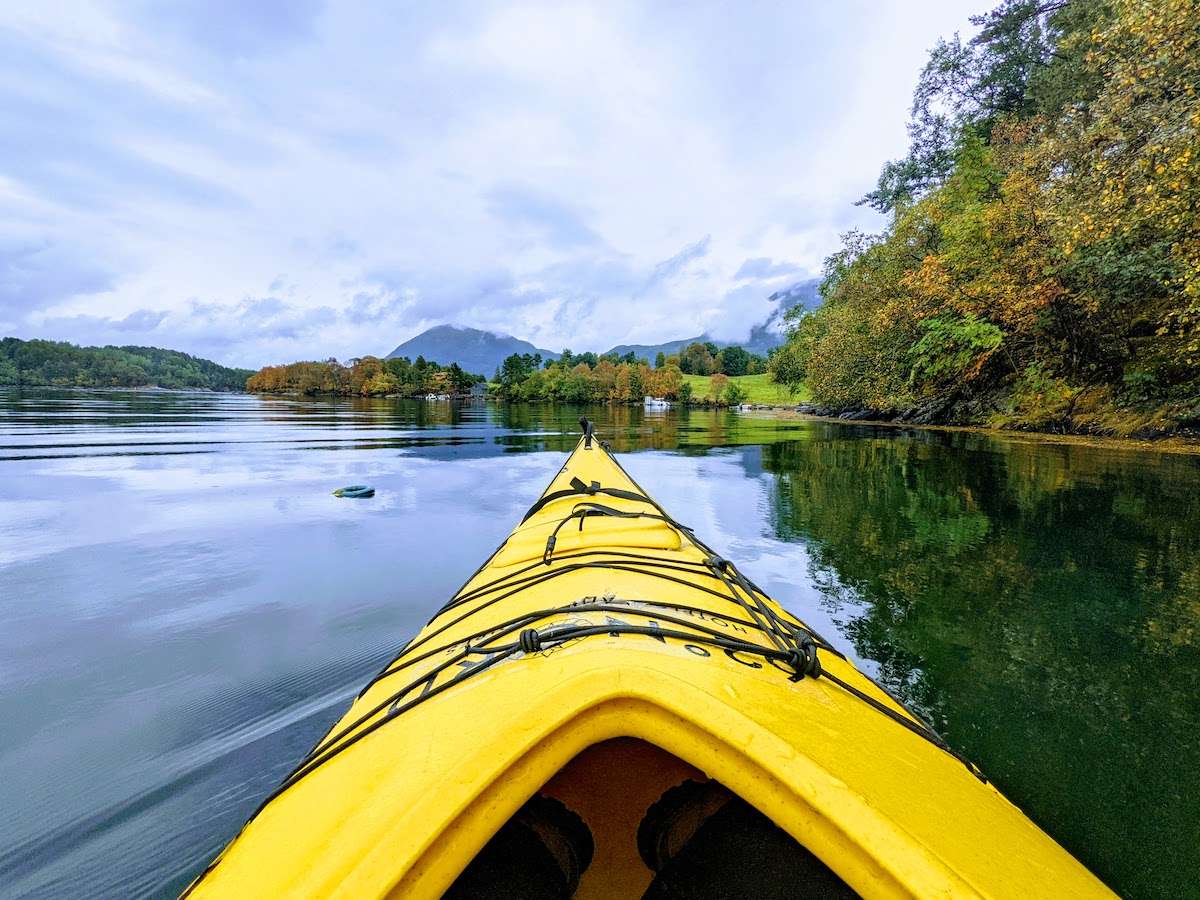
These activities help you reduce your carbon output and are generally less disruptive to marine ecosystems and wildlife. When I take my SUP out on the water, I often enjoy incredible wildlife experiences I would not be able to otherwise, as the animals aren’t scared by loud noises. I’ve gotten close to coastal black bears, been surrounded by loons, and had seals come right up to me.
22. It Starts at Home
Remember, it starts at home. Embrace a lifestyle at home that is kind to the beaches. One of the biggest things you can do is be mindful of what you put down the drain. Adopt eco-friendly household cleaning products, and avoid flushing medications or invasive fish. Wash your clothing cold as it releases fewer microplastics.
Invest in clothing with eco-fabrics free of microplastics, or buy a filter for your washing machine. What they say is true: what you put down your drain can reach the ocean. If you don’t want to swim in whatever you put down the drain, think of an alternative produce or waste disposal method. Your city dump is your best friend!
Discuss and Share
Hopefully, these 22 tips for planning a sustainable trip to the beach are helpful and meaningful. Beaches, coastal areas, and marine environments are our planet’s most unique and critical ecosystems. They help keep us healthy and safe and give us more protection in an era of human-induced climate change.
Let’s treat them right while still allowing ourselves to enjoy a bit of sea, sand, and sun. Next time you hit the beach for a day trip or jet off for a week of relaxation, implement these eco-friendly beach tips to positively impact our beautiful beaches.
- Have you already used any of these sustainable tips while at the beach??
- Which of these eco-friendly beach tips will you try and target next time you head to the beach?
- Where is your favorite clean and sustainable beach?
- Have you had a bad experience at the beach due to poor management of unsustainable behavior by other beach go-eros?
Leave a comment to share your experiences.
Looking for more sustainable beach action? Don’t miss:


Curiosity Saves Travel Recommends
Accommodation: Booking.com to find accommodation with a Genius Discount and clear third-party sustainable certifications like Green Key. Look for local hotels.
Tours and Excursions: GetYourGuide and Viator for tours, excursions, and tickets. Never book wildlife experiences through these vendors.
Travel: Omio for booking buses and trains in English across Europe. After reducing the number of flights I take annually, I use Google Flights’ carbon comparison tool.
Car Rental: Rentalcars for the best rates in English globally. It is easy to find hybrids and EVs, and there are resources for finding chargers.
Packing Essentials: REI or your local Co-op has great essentials like reusable water bottles and cutlery sets. Patagonia for regenerative clothing. Farm to Feet for socks made with regenerative practices! Pistil Designs for cold-weather essentials. Osprey for bags that last 10+ years, like the day bag for hiking or my favorite carry-on.
eSIM: Airalo eSIM. Reduces waste from single-use SIMs. A total game-changer.
For Bloggers and Content Creators
Earn Ad Revenue with Journey by Mediavine
Earn with Stay22 Travel Partnership (my biggest source of income!)
Earn with TravelPayouts recommending tours and activities.







Wonderful post and fantastic ideas. We are huge wildlife lovers and try to make eco-friendly choices, many of which you mentioned here. Sometimes it is very hard when snorkelling in tight spaces and with sea life to not touch anything, but being mindful and aware is the best defense. Leave only footprints and take with you only memories (and photos).
Yeah SCUBA and snorkeling comes up quite a few times in studies as serious dangers for coral, so being aware and engaging in best practices is key as you said. It helps to be a wildlife lover as well! Cheers, and thanks for reading.
what a masterful set of tips! i’ve never hear of blue flag beaches until now and i’m gonna take this a lil more seriously moving forward!
Thank you! Blue Flag Beaches are great and there are more than 5,000 around the world!